Close
Login Register
Search
  • About
    • What We Do
    • Who We Are
    • FAQs
  • Our Writing
    • Explainers
    • Essays
    • Letterbox
    • Reports & More
  • Podcasts
  • Our Events
  • Projects
    • Power In The Food Systems
    • Local-Global Scale Project
    • MEAT: The Four Futures Podcast
    • Fuel To Fork
    • Nature
    • Reckoning with Regeneration
    • SHIFT
    • Games at TABLE
    • Rethinking the Global Soy Dilemma
  • Resources
  • Opportunities
    • Jobs
    • Funding
    • Courses
    • Collaborations
    • Events
  • Newsletter
  • TABLE (EN)
Search
Back

TABLE

Image
Books
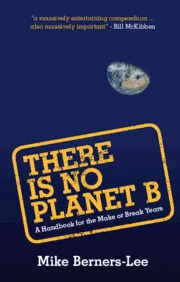
There is no Planet B: A handbook for the make or break years
This book by Mike Berners-Lee aims to provide a big-picture overview of how to solve the many environmental issues the world is facing now, including both systemic and personal paths of action. It is aimed at a wide audience including both policymakers and the general public. Chapter 2 is about food.
Read
Image
Reports
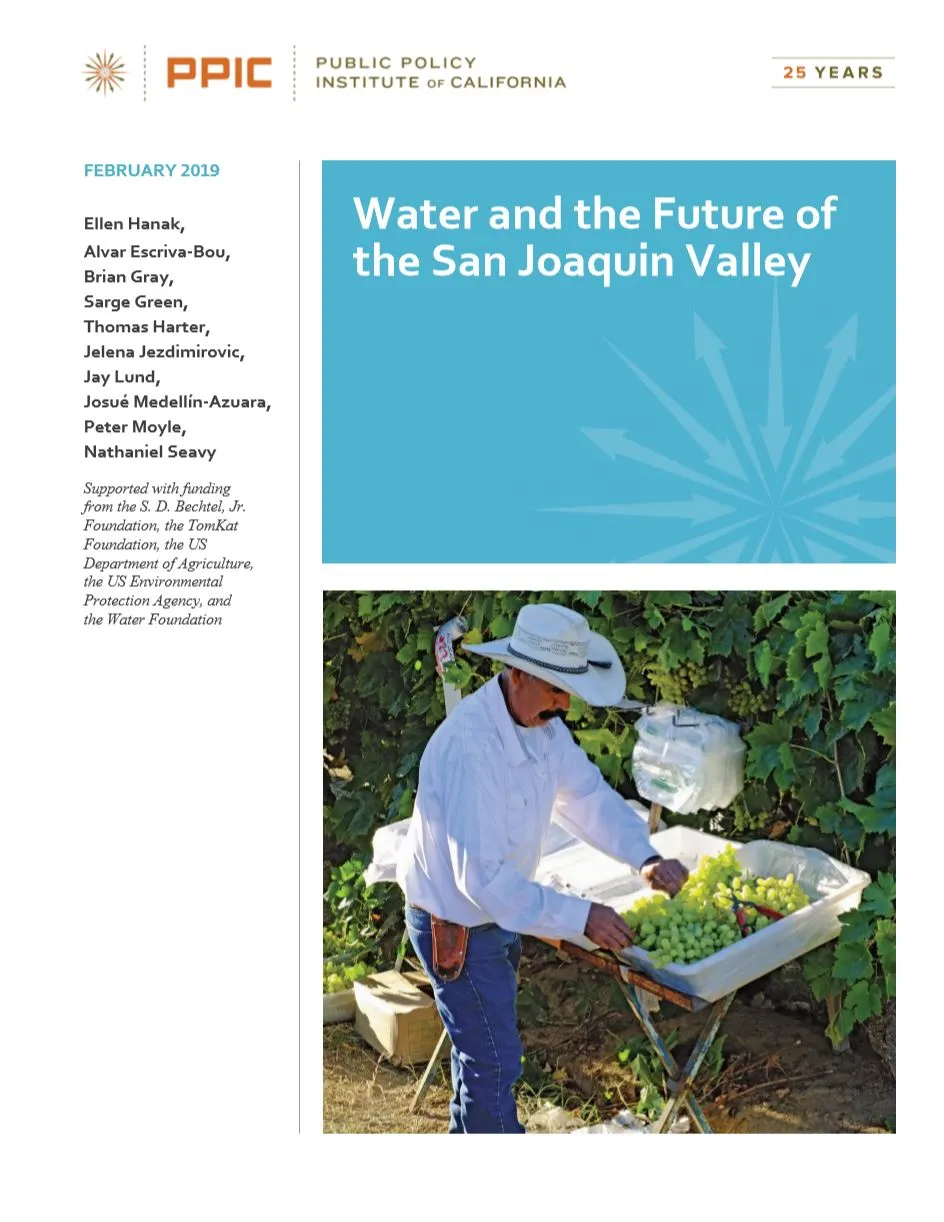
Abandoning farmland to conserve water in California
Over half a million acres of irrigated farmland may have to be permanently taken out of agricultural use in the San Joaquin valley in California in order to conserve groundwater, according to this report by the non-profit Public Policy Institute of California. The report suggests using the land for generating solar energy, restoring ecosystems or managing flood risk by restoring floodplains.
Read
Image
Reports
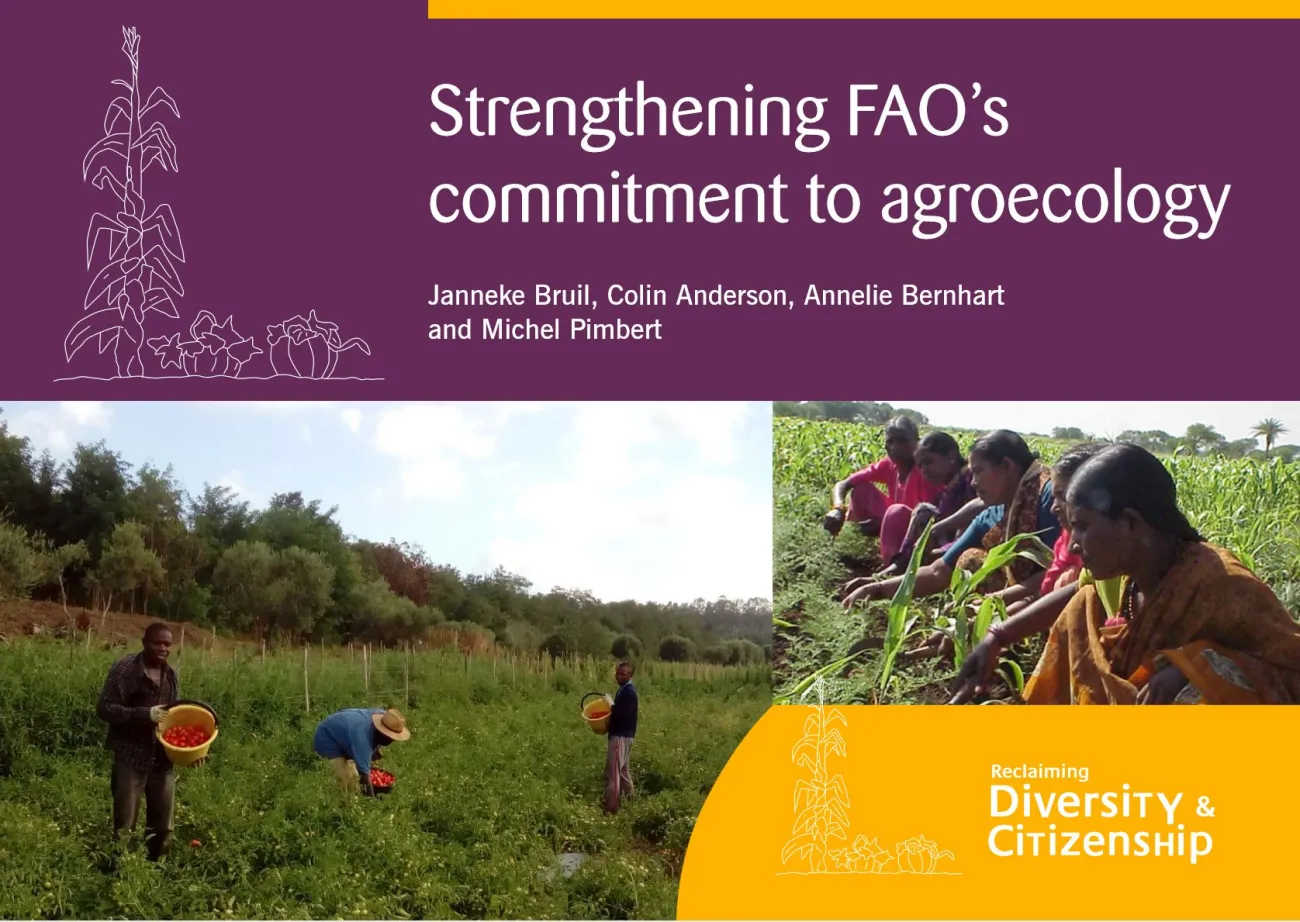
Strengthening FAO’s commitment to agroecology
This report from the Centre for Agroecology, Water and Resilience at Coventry University traces the work done on agroecology by the United Nations Food and Agriculture Organisation (FAO) and suggests how civil society, academics and other actors can encourage and strengthen this work.
Read
Image
Reports
Implications for business and trade of a ‘No Deal’ Brexit
The UK Government has released a summary of the likely impacts on business and trade if the UK leaves the European Union without a withdrawal agreement on 29 March 2019 (i.e. a ‘no deal’ Brexit). Several items are relevant to the food system. See also the draft of temporary rates of customs duty on imports that will apply to different goods in the event of a no deal Brexit.
Read
Image
Reports
Brexit and Wales: A fresh approach to food and farming?
In this latest instalment of the Food Brexit Briefings series by the UK’s Food Research Collaboration, the authors argue that the UK’s upcoming departure from the European Union presents an opportunity for Wales to reform its food and farming system, making use of both grassroots food initiatives and new legislation.
Read
Image
Reports
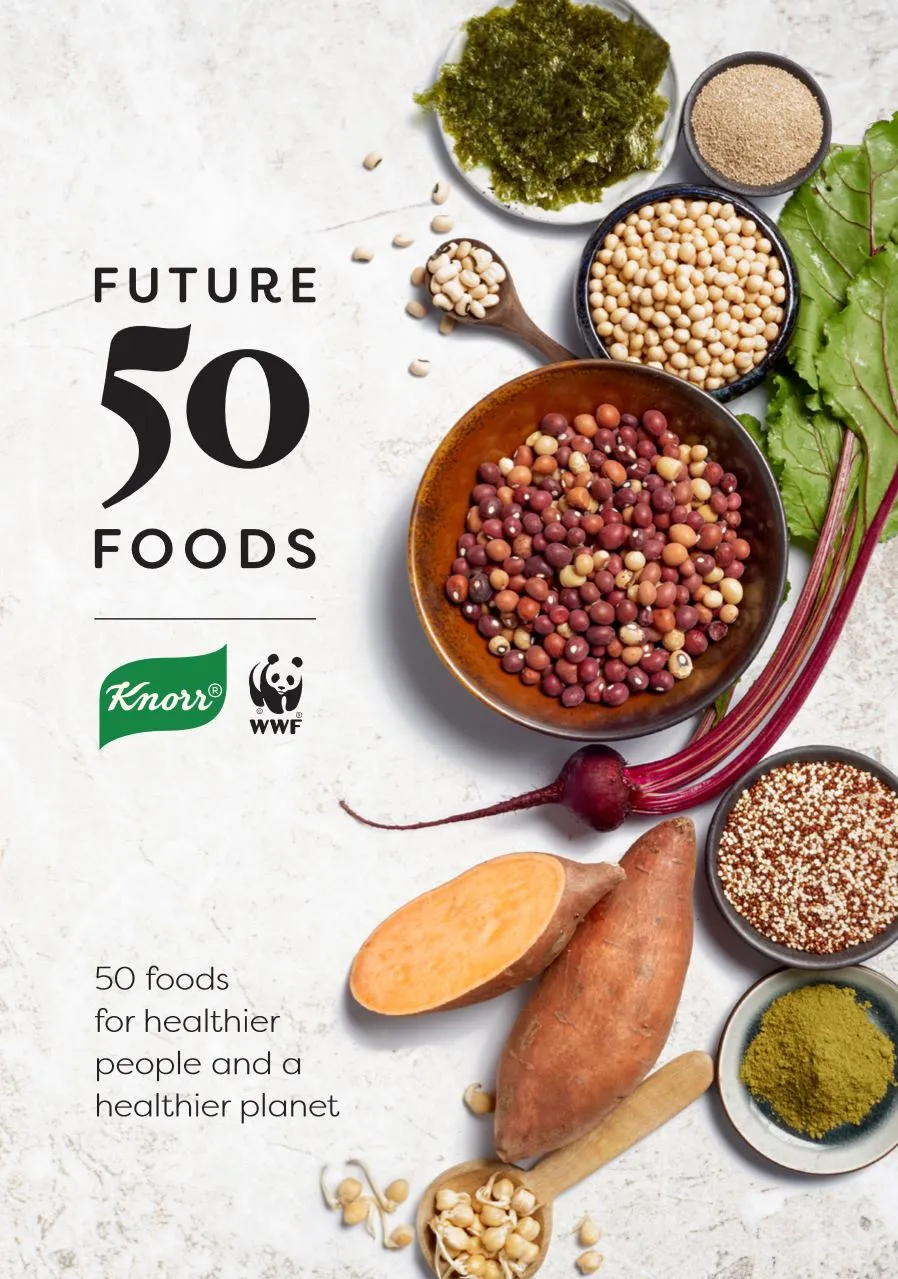
Future 50 foods for healthier people and planet
This report by conservation organisation WWF and food company Knorr lists 50 foods that, it argues, we should eat more of. Foods were selected based on nutrition, environmental impact, flavour, accessibility, acceptability and affordability.
Read
Image
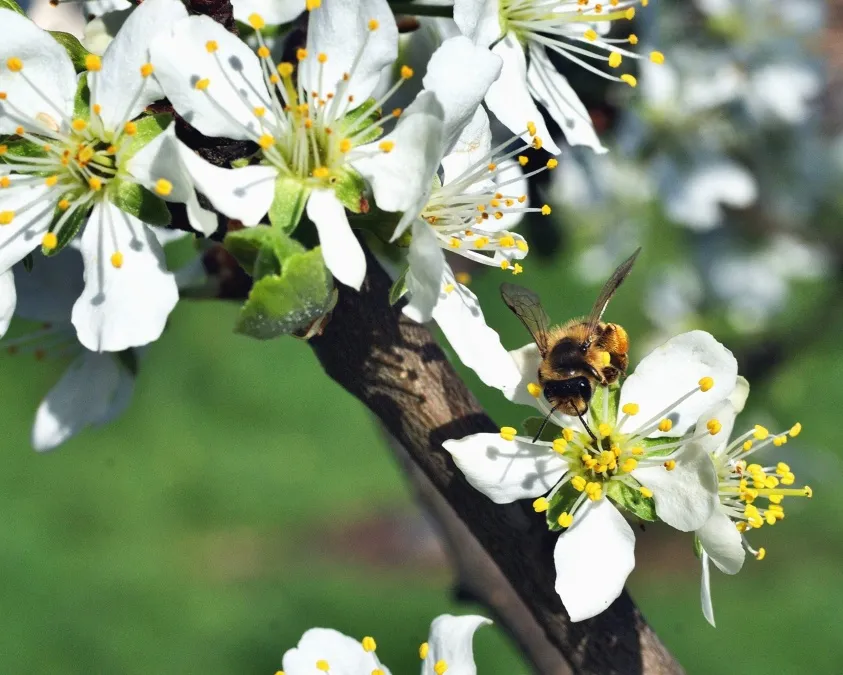
Image: Pixnio, Bee tree flower, Public domain
Journal articles
Planting more hedgerows and trees could help bees thrive
This study surveys declining pollinator populations and the threat to agricultural production this poses at a time when (the paper argues) higher yields and farm efficiencies are needed. It outlines how woody habitats such as trees and hedgerows can be used on agricultural land to aid conservation of pollinators.
Read
Image
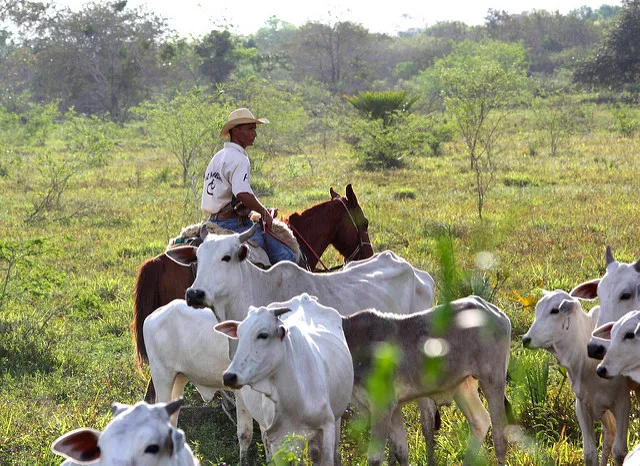
Image: dany13, DSC00234/Brasil/Pantanal/ Cowboys Herding Zebu Cattle on Miranda, Flickr, Creative Commons Attribution 2.0 Generic
Journal articles
Population and economic growth impact biodiversity and carbon
This paper analyses how different agriculture and forestry activities affect biodiversity and carbon sequestration. In 2011, the top driver of losses to bird species richness was cattle production, while the greatest driver of losses to net carbon sequestration (relative to sequestration if natural vegetation were allowed to grow) was forestry.
Read
Image
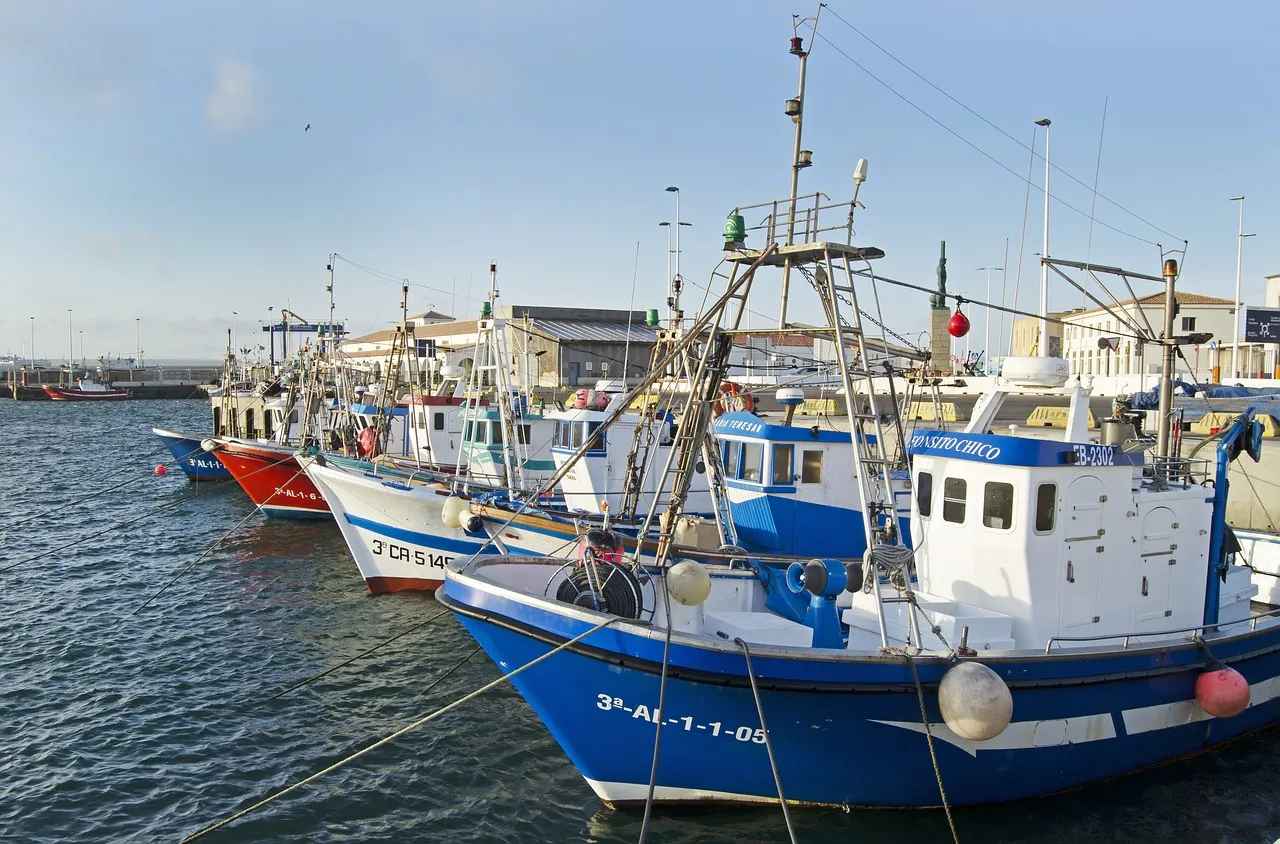
Image: Romaniamissions, Fishing boats Spain, Pixabay, Pixabay Licence
Journal articles
Impacts of historical warming on marine fisheries production
This paper retrospectively models the impacts of ocean warming on the productivity of 235 fish populations around the world representing around one third of reported global catch. It uses a temperature-dependent population model to estimate that the overall maximum sustainable yield of the fish populations dropped by 4.1% between 1930 and 2010.
Read
  • VIEW MORE

Sign up for Fodder, our monthly newsletter unpacking the future of food.

Tick below to opt-in to email communications.

You can change your mind at any time by clicking the unsubscribe link in the footer of any email you receive from us, or by contacting us at info@tabledebates.org.

We use Mailchimp as our marketing platform. By clicking below to subscribe, you acknowledge that your information will be transferred to Mailchimp for processing. Learn more about Mailchimp's privacy practices.
  • Glossary
  • About
  • Our Writing
  • Podcasts
  • Resources

Social

YouTube Facebook Instagram

© Copyright 2025

A collaboration between: