Close
Login Register
Search
  • About
    • What We Do
    • Who We Are
    • FAQs
  • Our Writing
    • Explainers
    • Essays
    • Letterbox
    • Reports & More
  • Podcasts
  • Our Events
  • Projects
    • Power In The Food Systems
    • Local-Global Scale Project
    • MEAT: The Four Futures Podcast
    • Fuel To Fork
    • Nature
    • Reckoning with Regeneration
    • SHIFT
    • Games at TABLE
    • Rethinking the Global Soy Dilemma
  • Resources
  • Opportunities
    • Jobs
    • Funding
    • Courses
    • Collaborations
    • Events
  • Newsletter
  • TABLE (EN)
Search
Back

TABLE

Image
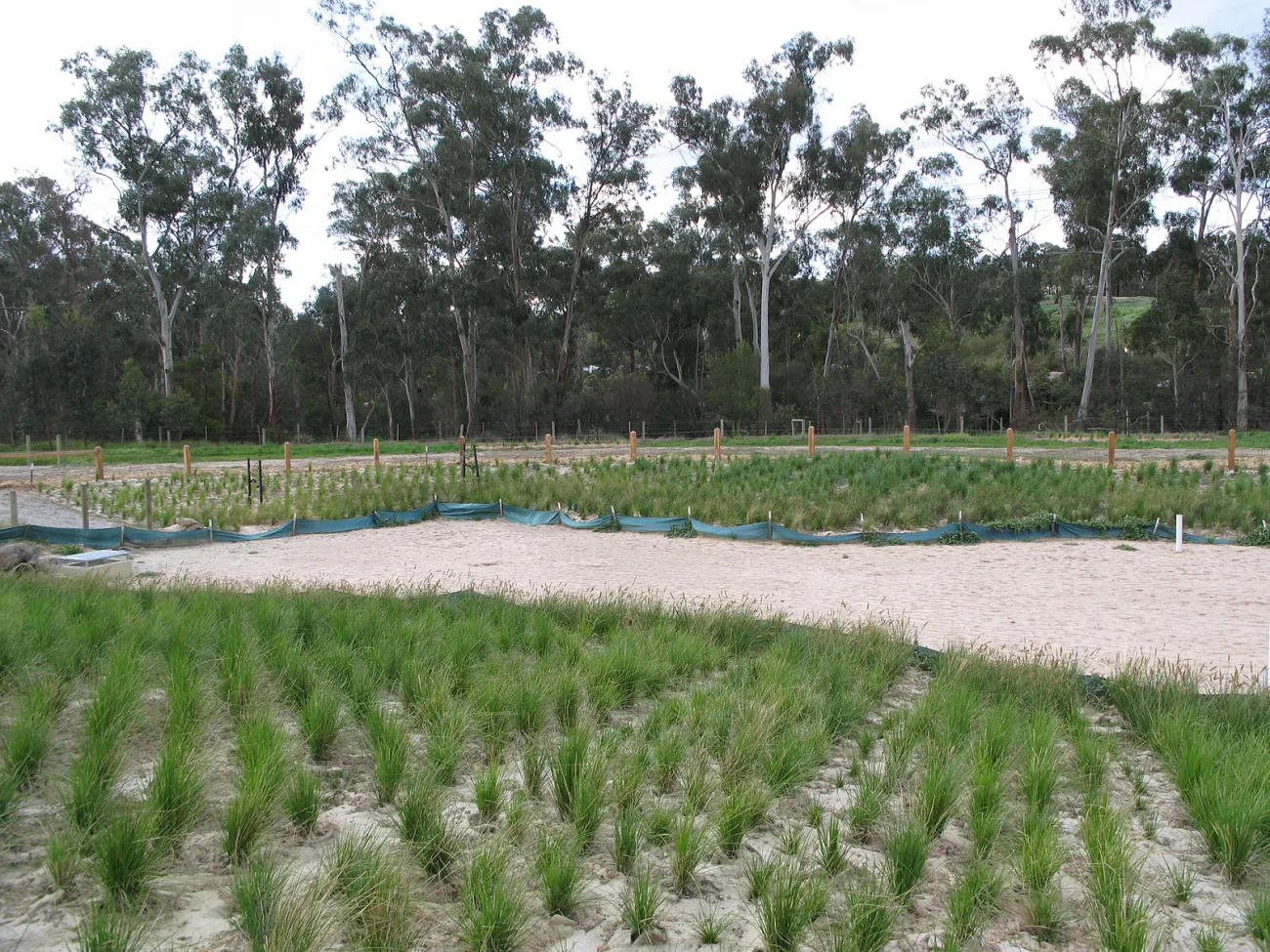
Image: Nick Carson, Wetland restoration in Australia, Wikimedia Commons, Public Domain
Journal articles
Contribution of the land sector to a 1.5°C world
This review article finds that transforming the land sector (including agriculture, forestry, wetlands and bioenergy) could “feasibly and sustainably” contribute around one third of the emissions reductions needed to stay under 1.5°C of climate change. 
Read
Image
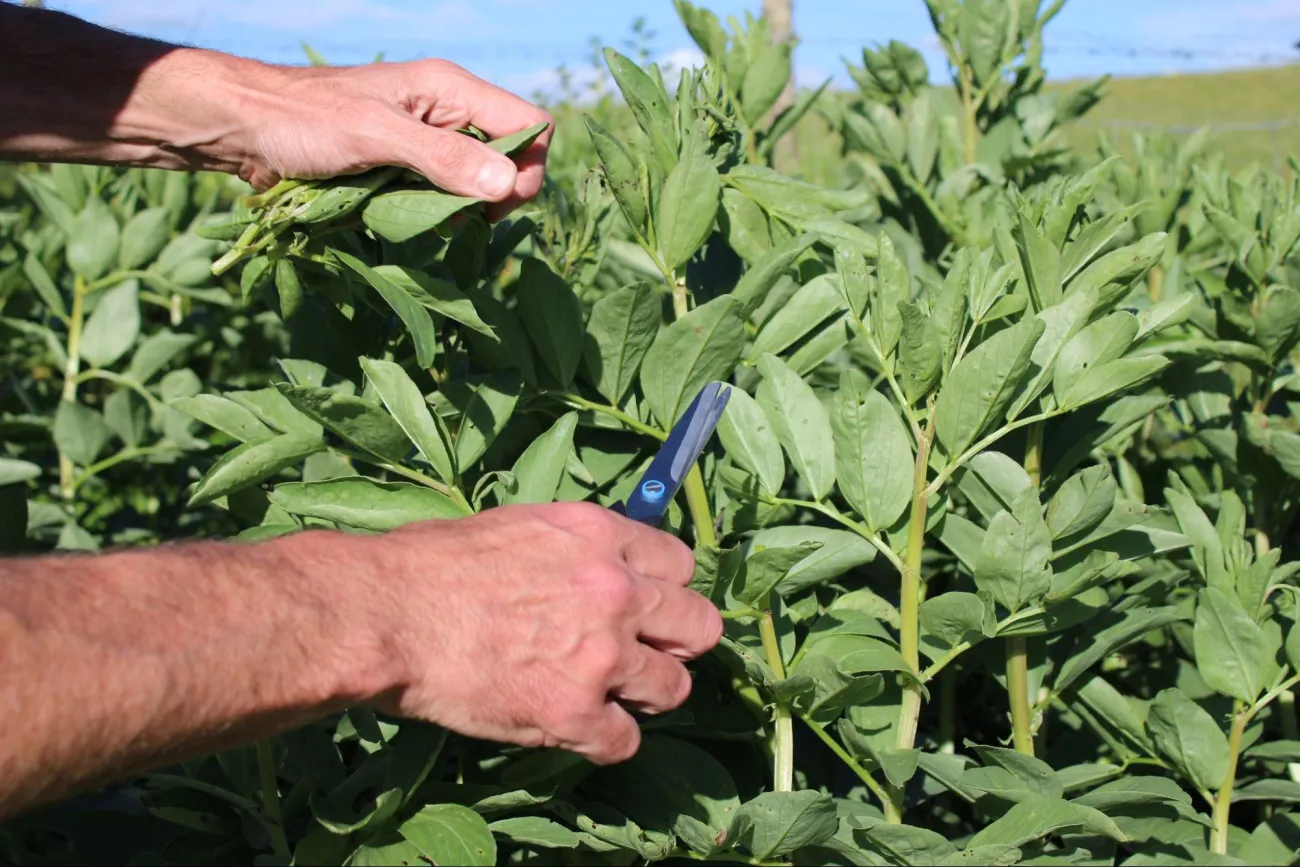
Image: Local Food Initiative, Topping broad bean plants, Flickr, Creative Commons Attribution 2.0 Generic
Featured articles
Organic UK farming could increase overseas emissions
FCRN members Laurence Smith and Adrian Williams co-authored this paper, which finds that converting all food production in England and Wales to organic farming would reduce direct agricultural emissions in the UK, but would cause higher emissions from overseas farming due to lower yields in England and Wales.
Read
Image
News and resources
Taylor & Francis Zero Hunger online collection
Taylor & Francis have launched Sustainable Development Goals Online (SDGO), a curated library to support the United Nations' call to action to end poverty, fight inequality and injustice, and protect the planet. This interdisciplinary collection of digital content includes more than 12,000 selected articles and chapters, including the Zero Hunger collection with nearly 1000 items relating to SDG 2 to end hunger, achieve food security and improved nutrition, and promote sustainable agriculture.
Read
Image
Image: Engin Akyurt, Stir fry noodles in bowl, Pexels, Pexels License
News and resources
Opinion: Tackling climate crisis requires reshaping food system
In this opinion piece in the Guardian newspaper, Jess Fanzo and Mario Herrero argue that food producers, consumers and governments all need to make changes to help reduce the climate impact of the food system. 
Read
Image
Books
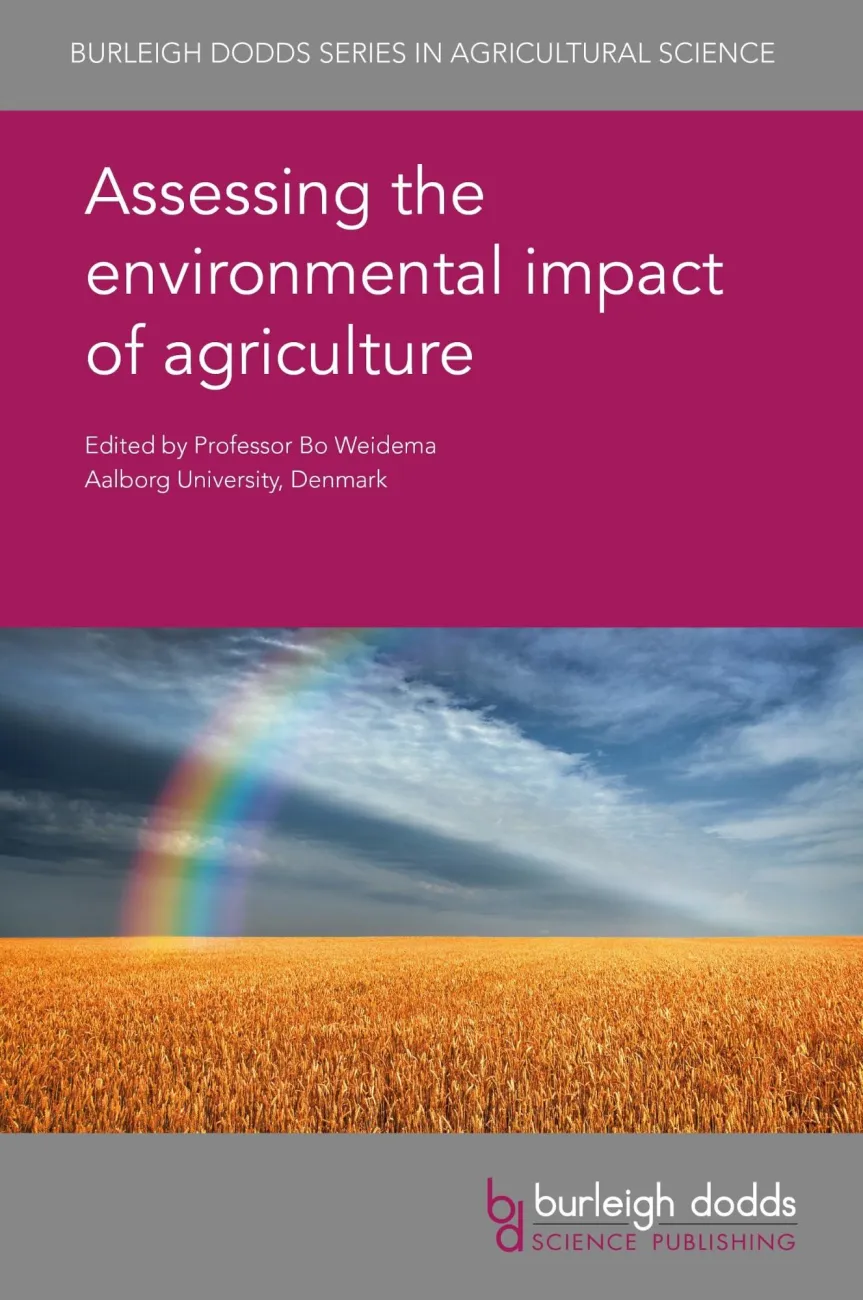
Assessing the environmental impact of agriculture
This book summarises current best practice in using life cycle assessment to quantify and improve the environmental impacts of different agricultural systems. 
Read
Image
Books
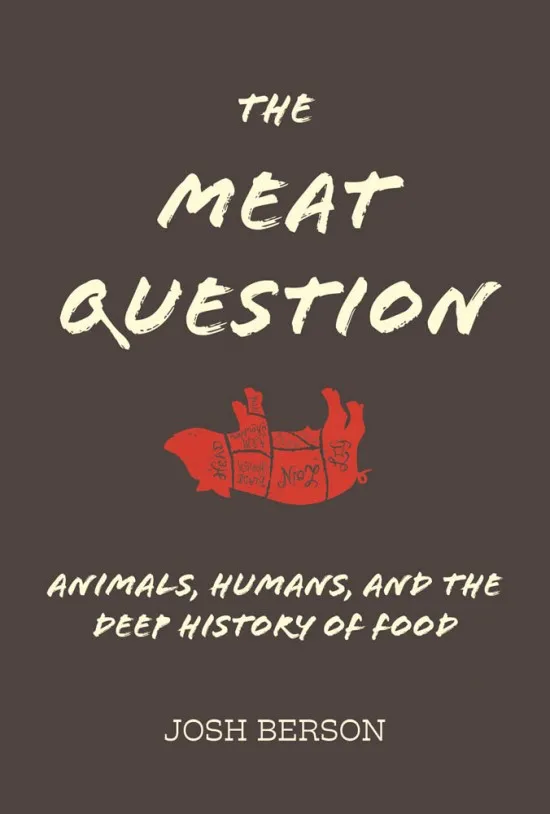
The Meat Question: Animals, humans & the deep history of food
This book questions whether the rising demand for meat is indeed driven mainly by wealth and argues that the consumption of cheap meat is linked to economic insecurity. It also questions the view that the modern human brain evolved because of the consumption of meat.
Read
Image
Books
Book chapter: The solution on our plates
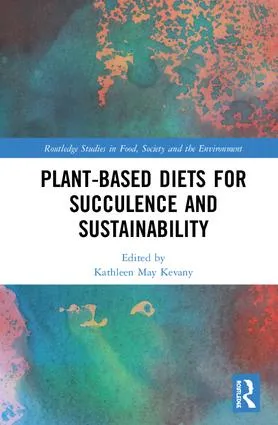
The book chapter Why sustainable plant-based diets are needed to reverse the food-climate-health-equity crisis by FCRN member David A Cleveland, part of the book Plant-based diets for succulence and sustainability, argues that plant-based diets are a key part of the response to the interlinked crises in food, climate, health and inequality.
Read
Image
Reports
Lessons on food sustainability from Denmark
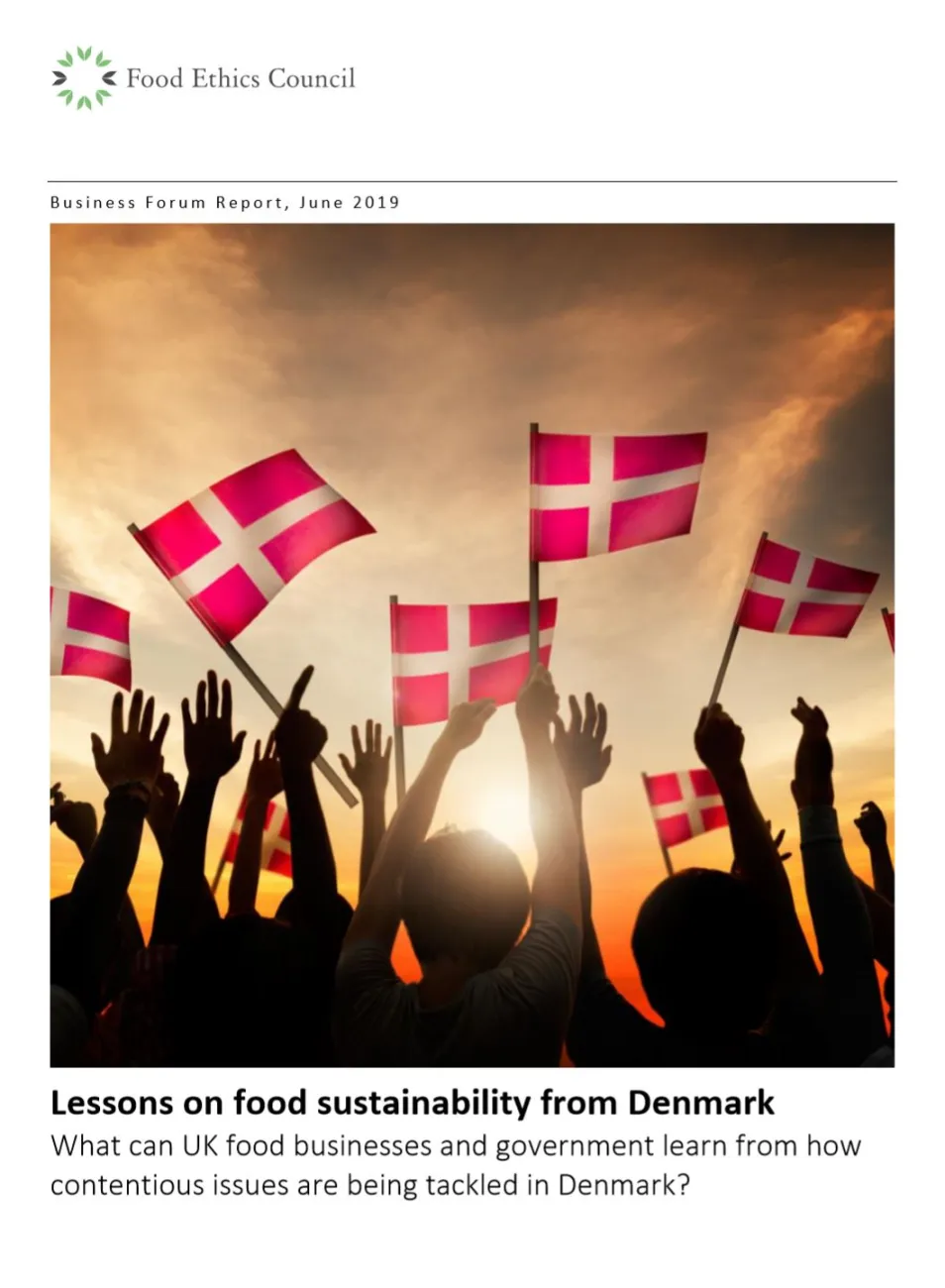
This report from the Food Ethics Council sets out how UK food businesses and government could learn from the Danish food system. Although Denmark and the UK have similarities, e.g. in climate, Denmark ranked 7th in the 2018 Food Sustainability Index while the UK ranked 24th. 
Read
Image
Reports
Rethinking Food & Agriculture 2020-2030
This report by US think tank ReThinkX examines the implications of ongoing disruptions to livestock industries. It predicts that current livestock production will be replaced to a large extent by a “Food-as-Software” model, where food can be engineered on the molecular level and produced using “precision fermentation”, e.g. using engineered microorganisms to produce proteins that mimic milk proteins. 
Read
  • VIEW MORE

Sign up for Fodder, our monthly newsletter unpacking the future of food.

Tick below to opt-in to email communications.

You can change your mind at any time by clicking the unsubscribe link in the footer of any email you receive from us, or by contacting us at info@tabledebates.org.

We use Mailchimp as our marketing platform. By clicking below to subscribe, you acknowledge that your information will be transferred to Mailchimp for processing. Learn more about Mailchimp's privacy practices.
  • Glossary
  • About
  • Our Writing
  • Podcasts
  • Resources

Social

YouTube Facebook Instagram

© Copyright 2025

A collaboration between: