Close
Login Register
Search
  • About
    • What We Do
    • Who We Are
    • FAQs
  • Our Writing
    • Explainers
    • Essays
    • Letterbox
    • Reports & More
  • Podcasts
  • Our Events
  • Projects
    • Power In The Food Systems
    • Local-Global Scale Project
    • MEAT: The Four Futures Podcast
    • Fuel To Fork
    • Nature
    • Reckoning with Regeneration
    • SHIFT
    • Games at TABLE
    • Rethinking the Global Soy Dilemma
  • Resources
  • Opportunities
    • Jobs
    • Funding
    • Courses
    • Collaborations
    • Events
  • Newsletter
  • TABLE (EN)
Search
Back

TABLE

Image
Reports
Eating Better: We need to talk about chicken
This report from the UK’s Eating Better alliance argues that replacing red meat with chicken is not a sustainable solution, and that growing consumption of poultry meat comes with costs to health, the environment, animal welfare and rural livelihoods. The report calls for reduced chicken consumption in the UK (to be replaced with plant proteins such as beans and nuts), and shifting away from intensive chicken farming towards “mixed and regenerative farming systems”.
Read
Image
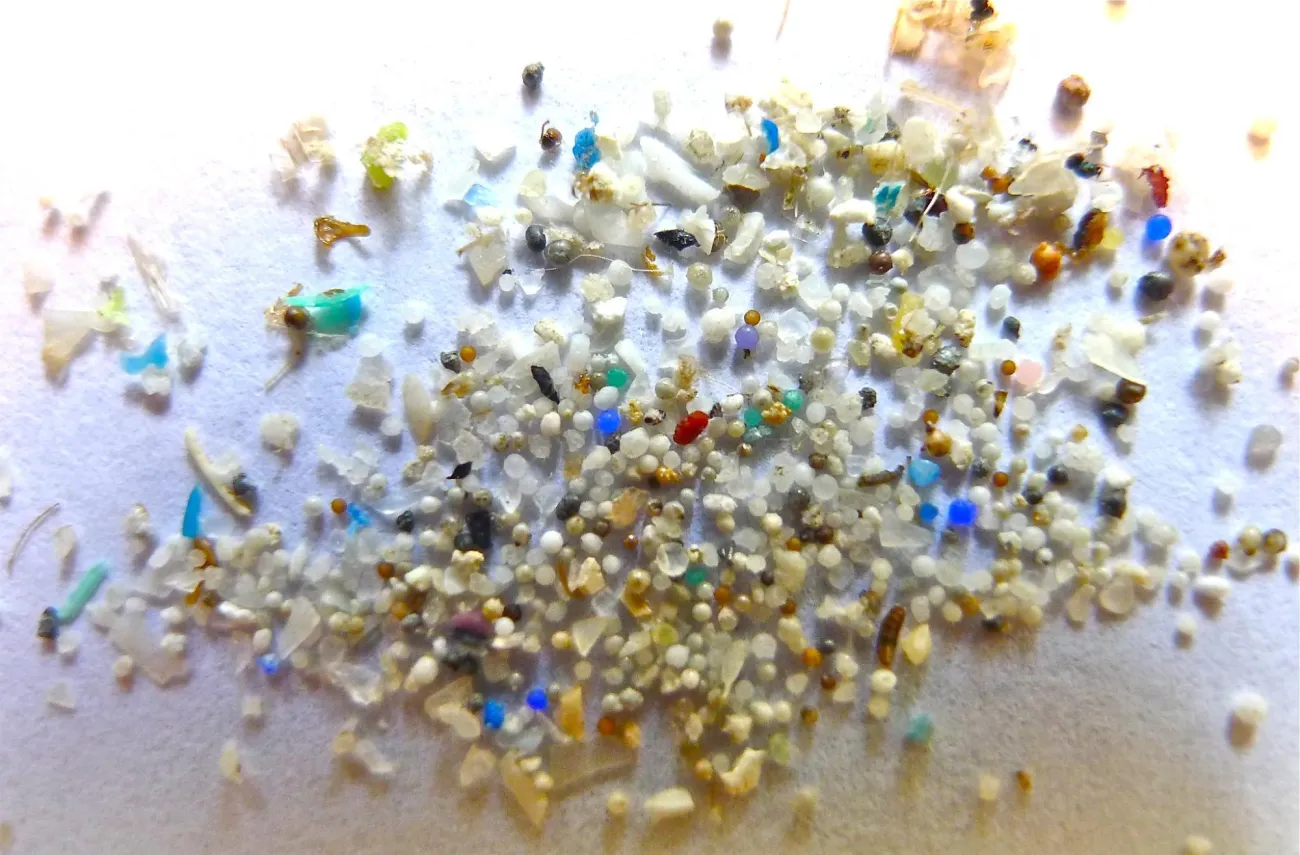
Image: Oregon State University, Microplastic, Flickr, Creative Commons Attribution-ShareAlike 2.0 Generic
Journal articles
A global perspective on microplastics
Microplastics are tiny fragments of plastic formed as larger pieces break down in the environment, or else intentionally manufactured (e.g. as microbeads for cleaning products or pellets for industrial use). This paper reviews the current state of knowledge on their human health implications and effects on ecosystems. 
Read
Image
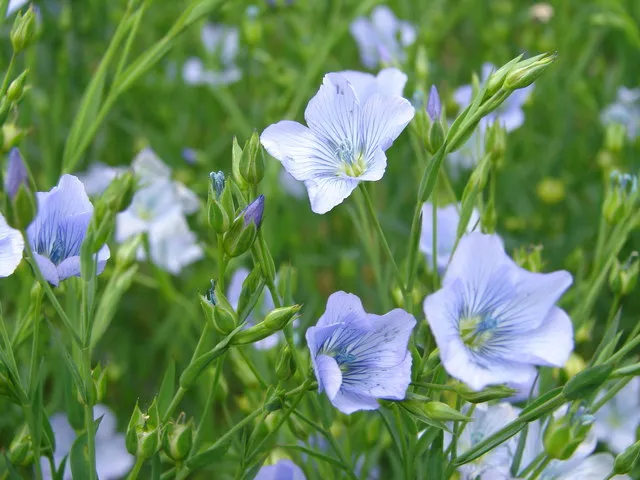
Image: Iam Paterson, The seeds of flax are used to make linseed oil, Wikimedia Commons, Creative Commons Attribution-Share Alike 2.0 Generic
Journal articles
Impact of environmental changes on fruits, nuts & seeds
This paper reviews literature on the effects of environmental factors on the yields and nutritional qualities of fruit, nuts and seeds. In general, yields are expected to decrease under conditions of reduced water availability, higher ozone concentrations, temperatures above 28°C and higher water salinity. Berry and peanut yields respond positively to higher carbon dioxide levels, but this effect is reduced when temperatures also rise.
Read
Image
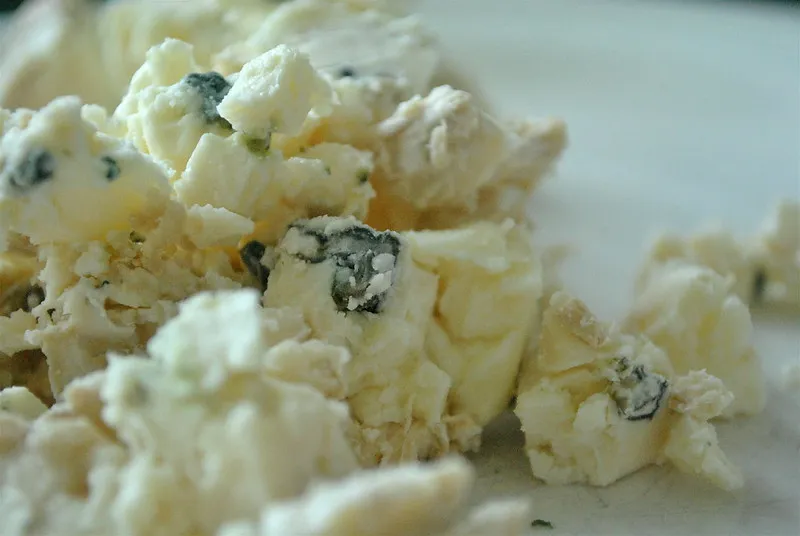
Image: cookbookman17, Crumbled Blue Cheese, Flickr, Creative Commons Attribution 2.0 Generic
Featured articles
Potential public health impacts of the global dairy sector
This paper gives an overview of the potential public health impacts of dairy production and consumption across the globe. It notes that dairy production is projected to increase by a quarter between 2014 and 2025, driven by both a rising global population and increases in the amount of dairy consumed per person.
Read
Image
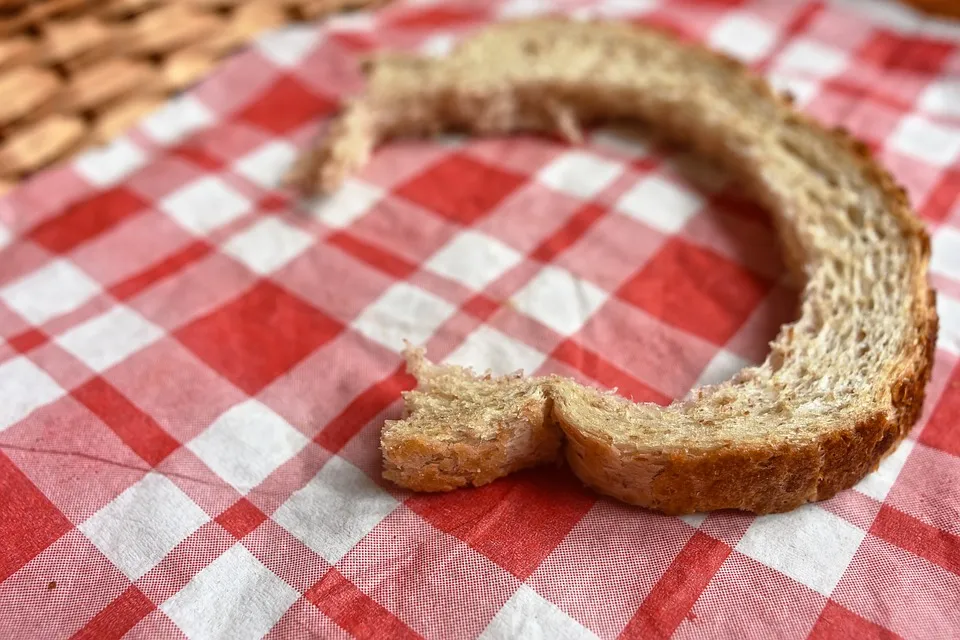
MabelAmber, Bread Crust Food, Pixabay, Pixabay Licence
Featured articles
Consumer food waste could be double previous estimates
This paper by Verma et al., with FCRN member Thom Achterbosch as co-author, estimates that consumers across the world are probably wasting over twice as much food as previously believed. The study is based on the FAOSTAT Food Balance Sheets, but goes further than the Food and Agriculture Organisation in that it factors in how consumer affluence affects food waste. It finds that once people spend more than $6.70 per day (in total, not just on food), food waste starts to rise - suggesting that consumer food waste is an issue even in lower-middle income countries, not only in wealthier countries.
Read
Image
News and resources
Blog: Degrowth’s relation to animal agriculture
This blog post by Joe Herbert, PhD student in Human Geography at Newcastle University and editor for Degrowth.info, argues that the degrowth movement (which advocates for shrinking economic activity) has not sufficiently considered the role of animals in its vision of a “just and redistributive downscaling of material and energetic throughput in wealthy countries as a means to achieve ecological sustainability”.
Read
Image
News and resources
Explainer: Warming could trigger nine ‘tipping points’
This explainer from Carbon Brief outlines nine interlinked “tipping points” where climate warming could trigger an abrupt change. They include disintegration of ice sheets, changes in ocean circulation, thawing of permafrost, and dieback of ecosystems such as the Amazon rainforest and coral reefs.
Read
Image
Books
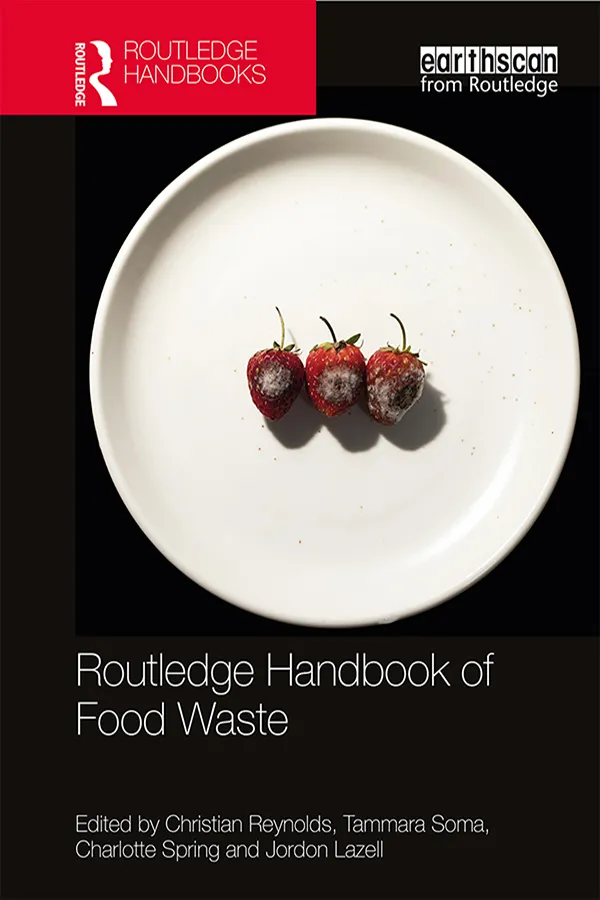
Routledge Handbook of Food Waste
This book addresses food waste from a variety of perspectives, including agriculture, food science, industrial ecology, history, economics, consumer behaviour, geography, theology, planning, sociology, and environmental policy.
Read
Image
Reports
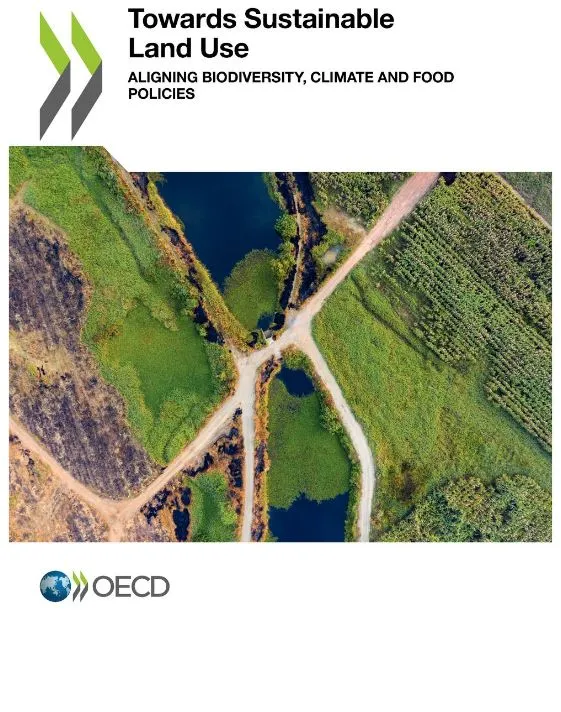
Towards sustainable land use
This report from the intergovernmental Organisation for Economic Co-operation and Development draws on the experiences of Brazil, France, Indonesia, Ireland, Mexico and New Zealand to examine how land use policy can be aligned with climate, biodiversity and food objectives.
Read
  • VIEW MORE

Sign up for Fodder, our monthly newsletter unpacking the future of food.

Tick below to opt-in to email communications.

You can change your mind at any time by clicking the unsubscribe link in the footer of any email you receive from us, or by contacting us at info@tabledebates.org.

We use Mailchimp as our marketing platform. By clicking below to subscribe, you acknowledge that your information will be transferred to Mailchimp for processing. Learn more about Mailchimp's privacy practices.
  • Glossary
  • About
  • Our Writing
  • Podcasts
  • Resources

Social

YouTube Facebook Instagram

© Copyright 2025

A collaboration between: