Image Resources Our extensive research library contains thousands of summaries of journal articles, reports and news stories that can be searched by keyword and category RESOURCES CATEGORY Books Briefing paper Event recording Featured articles Featured report Game Journal articles News and resources Reports Think piece Video Working paper Workshop summary Year 2026 2025 2024 2023 2022 2021 2020 2019 2018 2017 2016 2015 2014 2013 2012 2011 2010 2009 2008 2007 2002 2001 Image Books Our Future Proteins: A Diversity of Perspectives Former TABLE intern Wendy Jenkins has recently contributed to an open-access book looking at the many visions on the protein transition, in which over 100 experts present their views on the transition to sustainable protein production and consumption. Their visions cover a wide range of transition directions, from radically rethinking protein production systems to levers of change in shifting protein consumption. Read Image Reports Assessing “less and better” sourcing in UK supermarkets This report from Eating Better assesses the meat and dairy sourcing policies of 10 supermarkets in the UK against the “Sourcing Better” framework. It finds that progress is uneven across different impact categories, and that there are no commitments to raise fewer animals or reduce the amount of meat and dairy sold. Broadly, the report finds that retailers are more active in aiming for responsible antibiotic use, good animal welfare and no deforestation, and less active in areas including local pollution, water use, soil health and using less land for feed. Read Image Reports 45 actions for environmental sustainability in food systems This Research Brief from the Centre for Food Policy, aimed primarily at policymakers, lists 45 actions that have a direct pathway to impact across five environmental sustainability dimensions (greenhouse gas emissions, chemical pollution, freshwater resources, biodiversity and soil health). It groups the actions into five domains: land use in agriculture; the environmental impacts of agriculture; wild fishery and aquaculture sustainability; food loss and waste; and dietary change. Read Image Reports Agricultural carbon markets in the US This report by Friends of the Earth United States and the Open Markets Institute criticises US policies aimed at creating agricultural carbon markets where farmers can be paid for carbon sequestration. It argues that the scheme is unlikely to generate genuine emissions reductions because there is no cap on the emissions allowed, unlike in cap-and-trade schemes, and because the science around soil carbon sequestration is not yet fully settled. Furthermore, it notes that in some cases, farmers are paid by large companies to adopt farming practices that rely on data platforms or proprietary technology owned by those companies, potentially entrenching both their market power and “chemical-dependent” farming methods. Read Image Reports Special report on the debt and food crisis This report from IPES-Food finds that 60% of low-income countries and 30% of middle-income countries are in or are at risk of debt distress, with 21 countries facing both debt distress and food insecurity. The report identifies four ways in which food systems are contributing to pressure on public finances: dependencies on imports and the dollar; extractive financial flows; boom-bust commodity cycles; and climate change. It calls for policymakers to provide debt relief as well as support for food system reform. Read Image Journal articles Microbial foods for improving human and planetary health This paper reviews the potential contribution of microbial foods to a healthy, resilient and sustainable food system. It covers three main categories: traditional fermented foods such as wine, yoghurt and kimchi; microbial biomass, where the microbes themselves are directly consumed, for example the mycoprotein used in Quorn products; and “cell factories”, otherwise known as precision fermentation, where microbes are genetically modified to produce certain molecules. Read Image Journal articles Explaining a failed food sovereignty policy in Bolivia This paper studies how a top-down (i.e. state-led) food sovereignty policy in Bolivia was negatively impacted by the “corporate food regime”. Food sovereignty was included as a central element of Bolivia’s new constitution in 2009, and regulations were introduced to prioritise food from small-scale farmers in school feeding programmes. Read Image Journal articles Wide variation in carbon footprint and quality of US diets This paper calculates the carbon footprints and dietary quality score of six dietary patterns based on consumption data from the United States: vegan, vegetarian, pescatarian, keto, paleo and omnivorous diets. All of these diets were loosely defined (e.g. vegetarian diets are those with less than 14 grams of meat and seafood per day) to allow some deviation from the strict conventional definitions of these diets. Pescatarian diets scored as the most healthy, and vegan diets had the lowest carbon footprint. Read Image Journal articles Micronutrient gaps in the EAT–Lancet planetary health diet This paper estimates that the EAT-Lancet planetary health diet, which is low in animal products, does not provide sufficient levels of vitamin B12, calcium, iron and zinc. The calculations assume no supplementation or fortification. The authors recommend modifying the EAT-Lancet diet by increasing the levels of animal sourced foods and reducing foods high in phytate. Read VIEW MORE
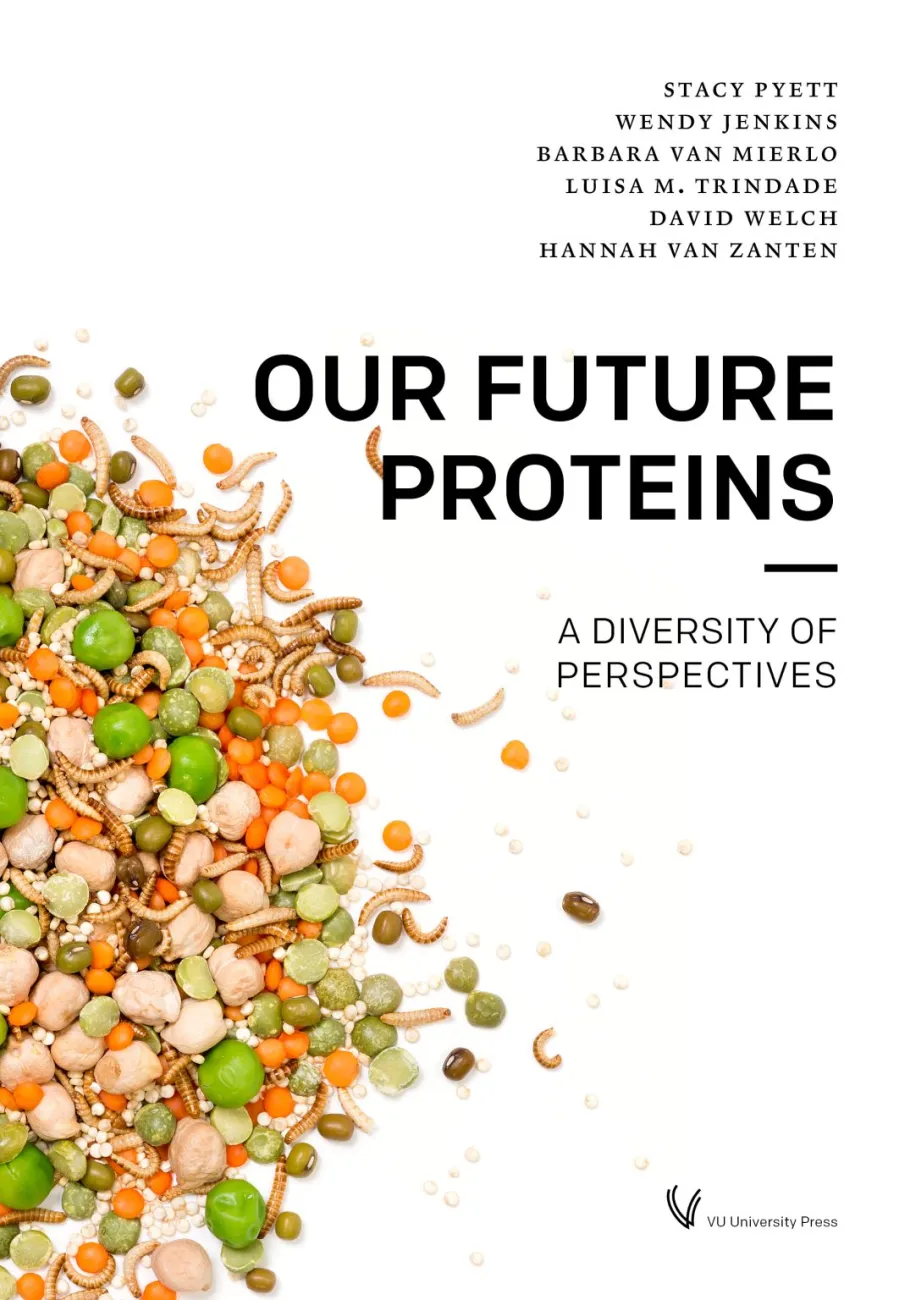
Image Books Our Future Proteins: A Diversity of Perspectives Former TABLE intern Wendy Jenkins has recently contributed to an open-access book looking at the many visions on the protein transition, in which over 100 experts present their views on the transition to sustainable protein production and consumption. Their visions cover a wide range of transition directions, from radically rethinking protein production systems to levers of change in shifting protein consumption. Read
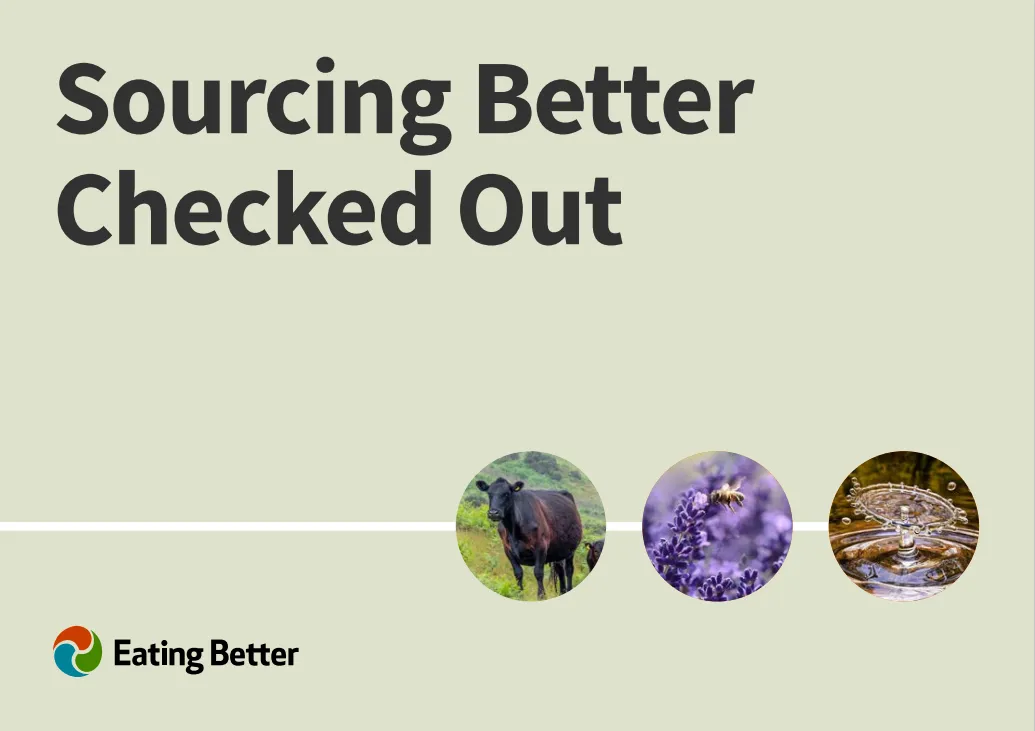
Image Reports Assessing “less and better” sourcing in UK supermarkets This report from Eating Better assesses the meat and dairy sourcing policies of 10 supermarkets in the UK against the “Sourcing Better” framework. It finds that progress is uneven across different impact categories, and that there are no commitments to raise fewer animals or reduce the amount of meat and dairy sold. Broadly, the report finds that retailers are more active in aiming for responsible antibiotic use, good animal welfare and no deforestation, and less active in areas including local pollution, water use, soil health and using less land for feed. Read
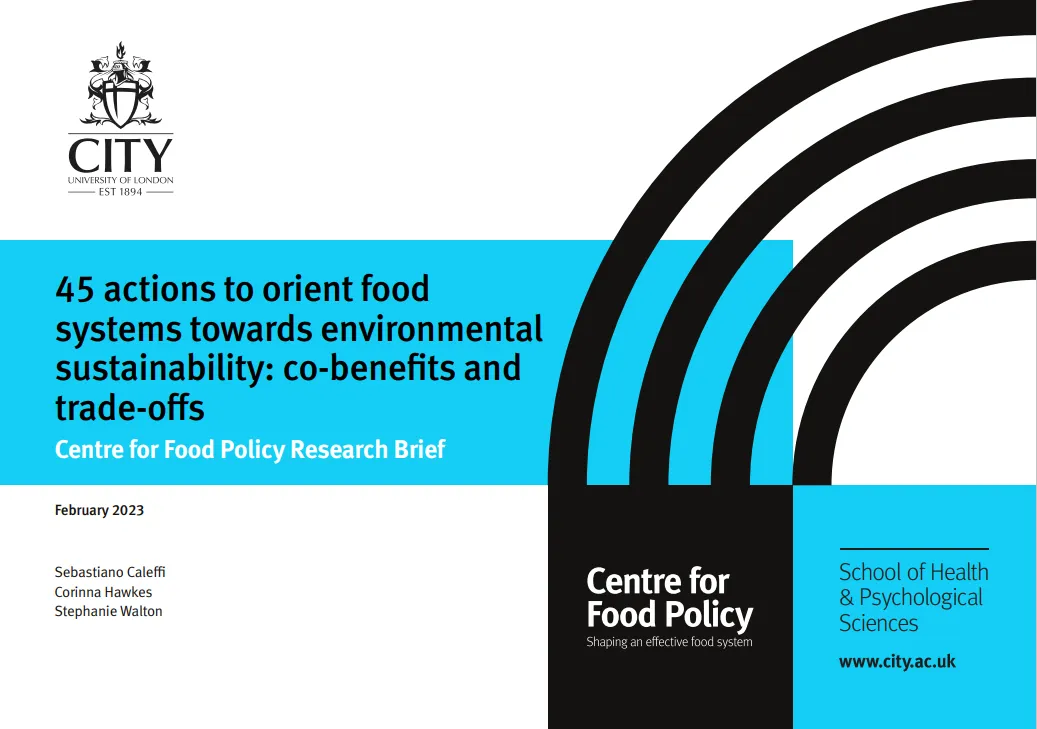
Image Reports 45 actions for environmental sustainability in food systems This Research Brief from the Centre for Food Policy, aimed primarily at policymakers, lists 45 actions that have a direct pathway to impact across five environmental sustainability dimensions (greenhouse gas emissions, chemical pollution, freshwater resources, biodiversity and soil health). It groups the actions into five domains: land use in agriculture; the environmental impacts of agriculture; wild fishery and aquaculture sustainability; food loss and waste; and dietary change. Read
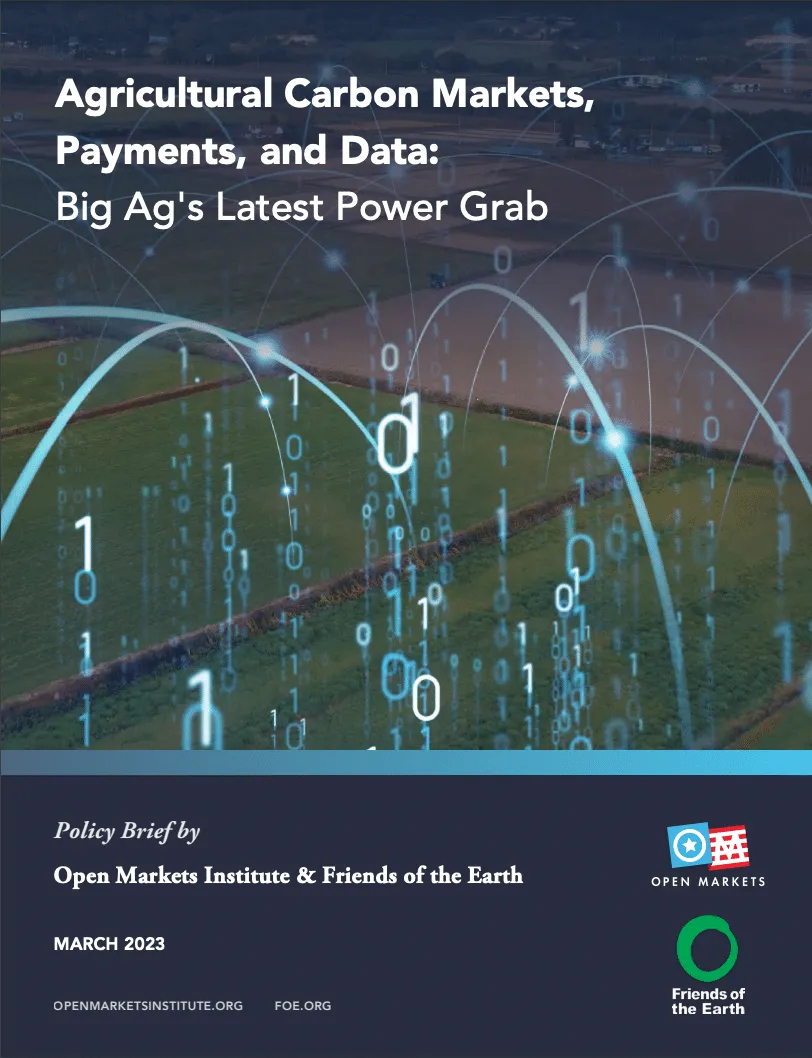
Image Reports Agricultural carbon markets in the US This report by Friends of the Earth United States and the Open Markets Institute criticises US policies aimed at creating agricultural carbon markets where farmers can be paid for carbon sequestration. It argues that the scheme is unlikely to generate genuine emissions reductions because there is no cap on the emissions allowed, unlike in cap-and-trade schemes, and because the science around soil carbon sequestration is not yet fully settled. Furthermore, it notes that in some cases, farmers are paid by large companies to adopt farming practices that rely on data platforms or proprietary technology owned by those companies, potentially entrenching both their market power and “chemical-dependent” farming methods. Read
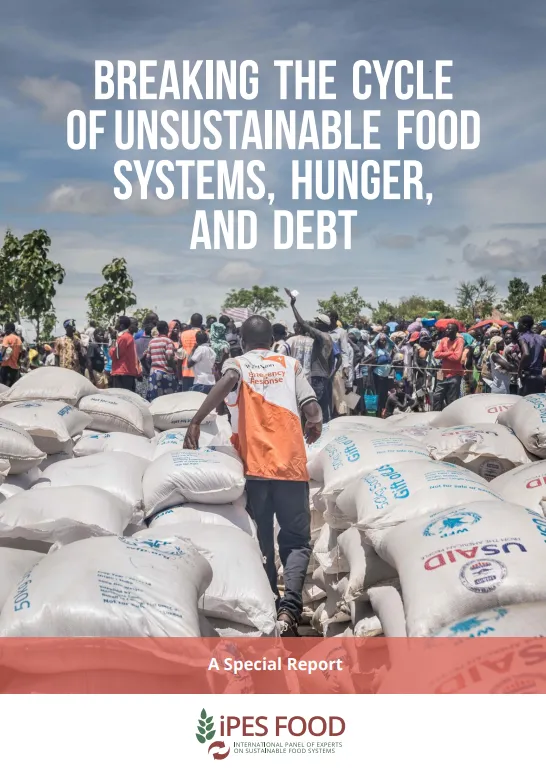
Image Reports Special report on the debt and food crisis This report from IPES-Food finds that 60% of low-income countries and 30% of middle-income countries are in or are at risk of debt distress, with 21 countries facing both debt distress and food insecurity. The report identifies four ways in which food systems are contributing to pressure on public finances: dependencies on imports and the dollar; extractive financial flows; boom-bust commodity cycles; and climate change. It calls for policymakers to provide debt relief as well as support for food system reform. Read
Image Journal articles Microbial foods for improving human and planetary health This paper reviews the potential contribution of microbial foods to a healthy, resilient and sustainable food system. It covers three main categories: traditional fermented foods such as wine, yoghurt and kimchi; microbial biomass, where the microbes themselves are directly consumed, for example the mycoprotein used in Quorn products; and “cell factories”, otherwise known as precision fermentation, where microbes are genetically modified to produce certain molecules. Read
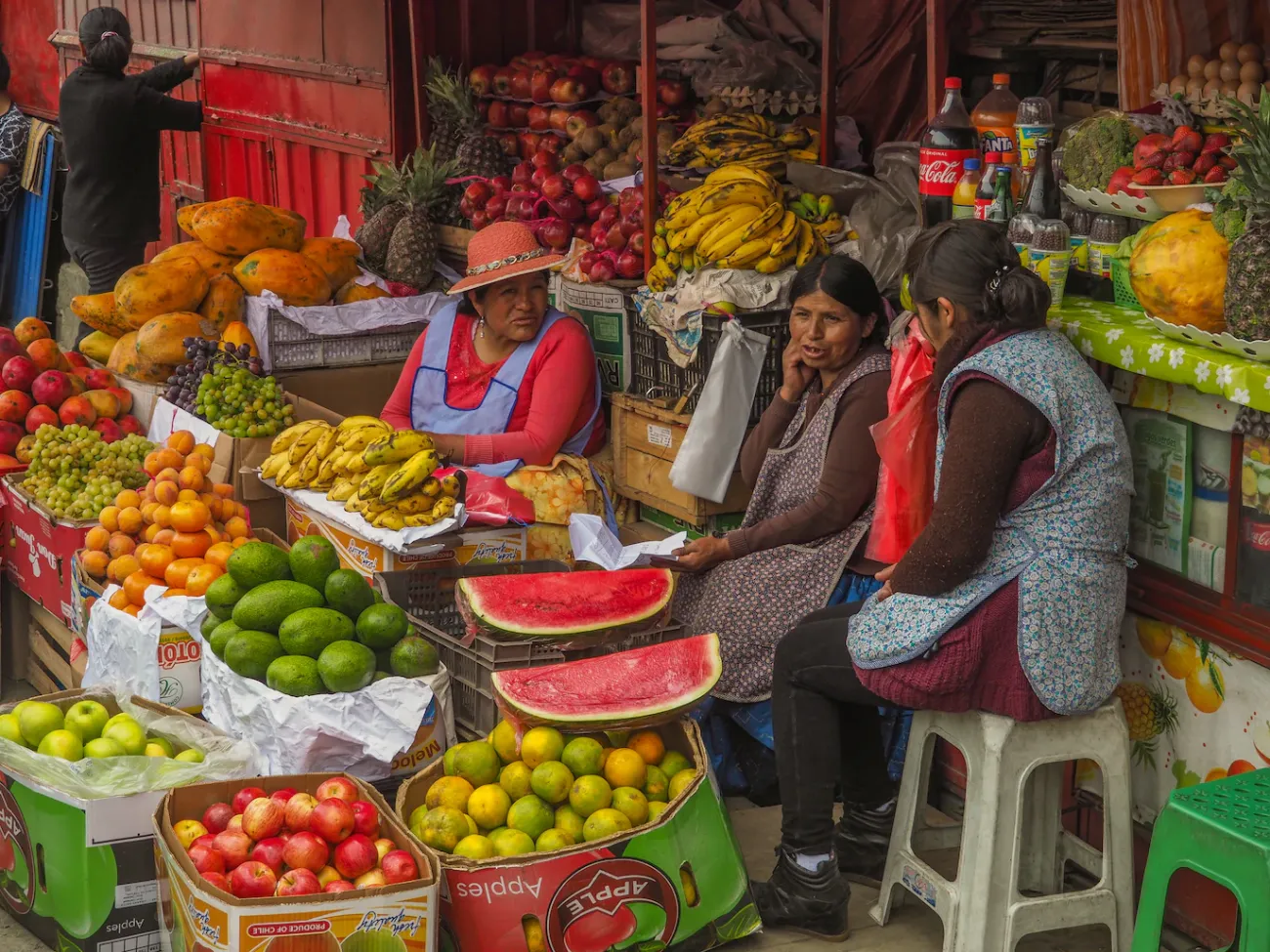
Image Journal articles Explaining a failed food sovereignty policy in Bolivia This paper studies how a top-down (i.e. state-led) food sovereignty policy in Bolivia was negatively impacted by the “corporate food regime”. Food sovereignty was included as a central element of Bolivia’s new constitution in 2009, and regulations were introduced to prioritise food from small-scale farmers in school feeding programmes. Read
Image Journal articles Wide variation in carbon footprint and quality of US diets This paper calculates the carbon footprints and dietary quality score of six dietary patterns based on consumption data from the United States: vegan, vegetarian, pescatarian, keto, paleo and omnivorous diets. All of these diets were loosely defined (e.g. vegetarian diets are those with less than 14 grams of meat and seafood per day) to allow some deviation from the strict conventional definitions of these diets. Pescatarian diets scored as the most healthy, and vegan diets had the lowest carbon footprint. Read
Image Journal articles Micronutrient gaps in the EAT–Lancet planetary health diet This paper estimates that the EAT-Lancet planetary health diet, which is low in animal products, does not provide sufficient levels of vitamin B12, calcium, iron and zinc. The calculations assume no supplementation or fortification. The authors recommend modifying the EAT-Lancet diet by increasing the levels of animal sourced foods and reducing foods high in phytate. Read