Image Resources Our extensive research library contains thousands of summaries of journal articles, reports and news stories that can be searched by keyword and category RESOURCES CATEGORY Books Briefing paper Event recording Featured articles Featured report Game Journal articles News and resources Reports Think piece Video Working paper Workshop summary Year 2026 2025 2024 2023 2022 2021 2020 2019 2018 2017 2016 2015 2014 2013 2012 2011 2010 2009 2008 2007 2002 2001 Image Resource Plantwise: helping farmers to reduce crop losses Plantwise is an initiative, led by CABI, to improve food security and the lives of the rural poor by reducing crop losses. Plantwise has been initiated to help developing countries set up and run community based plant clinics staffed by ‘plant doctors’ that deliver free plant health advice to farmers. Read Resource Invitation to join PANacea This network is coordinated by FCRN network member Helena Korjonen, at the National Heart Forum and will be particularly of interest to those involved in public health issues. Read Image Resource Paper: Mediterranean diet vs low fat diet – implications for heart disease and stroke Another study highlighting the benefits of the Mediterranean diet. This one reports on the findings of a randomised controlled trial finding that a Mediterranean diet high in fruit and vegetables, seafood, whole grains, mono-unsaturated fats and very low in meat and dairy delivers better health outcomes as regards prevention of cardiovascular heart disease and strokes than a low fat diet. Read Image Resource Paper: Reducing meat and dairy consumption: implications for land use, saturated fat and iron intakes This is an interesting paper because it considers one of the potential nutritional downsides of reducing meat consumption – the risk that iron intakes might be undesirably low. The study finds that a replacement of meat and dairy intakes with plant based substitutes has benefits in terms of reduced land requirements and delivers saturated fat reductions. Read Resource Paper exploring why people adopt lower-carbon lifestyles This is a very interesting study. It’s based on a very small set of interviews - 16 people who self-identified as deliberately trying to live a lower-carbon lifestyle because of concern about climate change – and so its findings don’t necessarily apply to other people living in lower carbon ways. Read Image Resource Behind the Brands: Food justice and the ‘Big 10’ food and beverage companies – Oxfam report Oxfam has published a report, Behind the Brands, which assesses the ethical performance of the ‘big 10’ food companies against criteria such as transparency of supply chains and operations, ensuring the rights of workers, protection of women's rights, the management of water and land use, policies to reduce the impacts of climate change and ensuring farmers’ rights. Read Resource British Biochar Foundation website The British Biochar Foundation is inviting people to sign up to its website. Details as follows. Our aim is to provide a place for developers, producers, enthusiasts and anyone else who is interested, to come together to share knowledge, experience, ideas and contacts and to act as a platform and catalyst for the emerging biochar industry. Read Resource New Land Rights Research Initiative At the University of Gothenburg in Sweden a new Land Rights Research Initiative (LARRI) was launched in late 2012. The research initiative aims at creating a platform for discussion, exchange of ideas and information as well as for promoting collaboration among researchers, students and other actors interested in land rights issues from a poverty and development perspective in a context of global change. Read Resource New Australian dietary guidelines Read VIEW MORE
Image Resource Plantwise: helping farmers to reduce crop losses Plantwise is an initiative, led by CABI, to improve food security and the lives of the rural poor by reducing crop losses. Plantwise has been initiated to help developing countries set up and run community based plant clinics staffed by ‘plant doctors’ that deliver free plant health advice to farmers. Read
Resource Invitation to join PANacea This network is coordinated by FCRN network member Helena Korjonen, at the National Heart Forum and will be particularly of interest to those involved in public health issues. Read
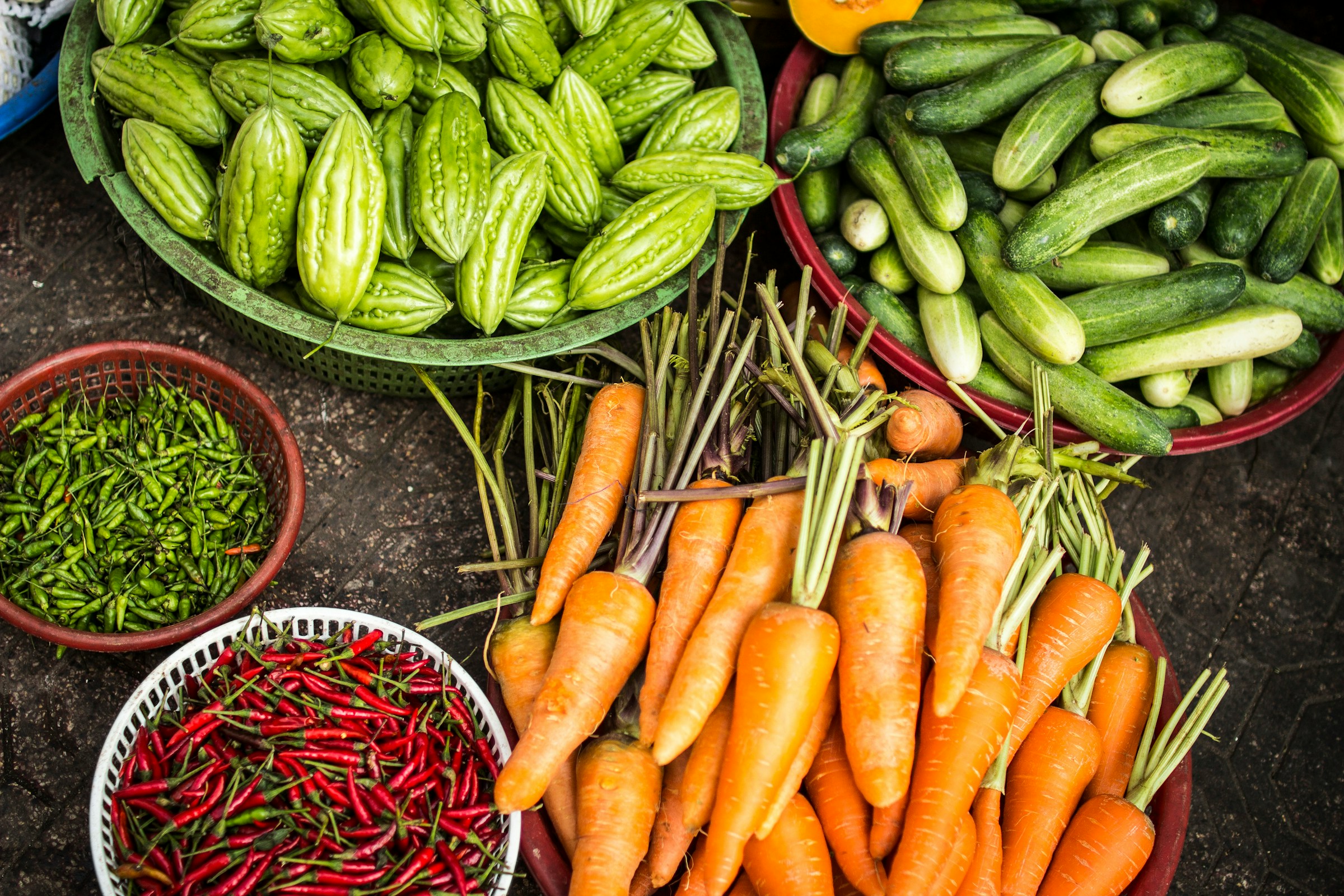
Image Resource Paper: Mediterranean diet vs low fat diet – implications for heart disease and stroke Another study highlighting the benefits of the Mediterranean diet. This one reports on the findings of a randomised controlled trial finding that a Mediterranean diet high in fruit and vegetables, seafood, whole grains, mono-unsaturated fats and very low in meat and dairy delivers better health outcomes as regards prevention of cardiovascular heart disease and strokes than a low fat diet. Read
Image Resource Paper: Reducing meat and dairy consumption: implications for land use, saturated fat and iron intakes This is an interesting paper because it considers one of the potential nutritional downsides of reducing meat consumption – the risk that iron intakes might be undesirably low. The study finds that a replacement of meat and dairy intakes with plant based substitutes has benefits in terms of reduced land requirements and delivers saturated fat reductions. Read
Resource Paper exploring why people adopt lower-carbon lifestyles This is a very interesting study. It’s based on a very small set of interviews - 16 people who self-identified as deliberately trying to live a lower-carbon lifestyle because of concern about climate change – and so its findings don’t necessarily apply to other people living in lower carbon ways. Read
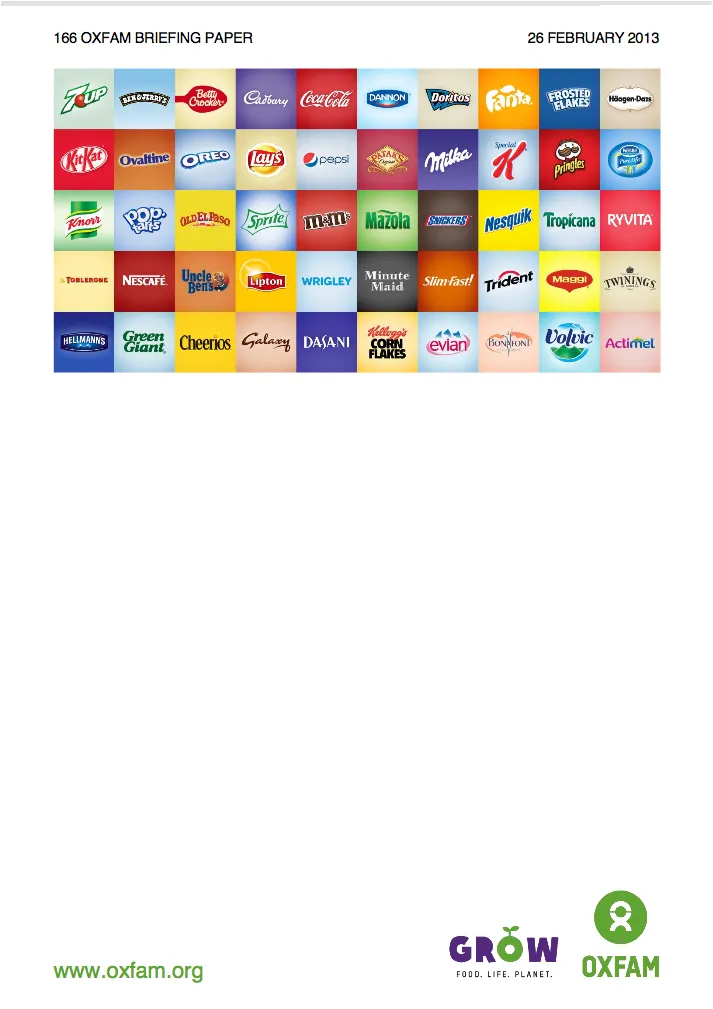
Image Resource Behind the Brands: Food justice and the ‘Big 10’ food and beverage companies – Oxfam report Oxfam has published a report, Behind the Brands, which assesses the ethical performance of the ‘big 10’ food companies against criteria such as transparency of supply chains and operations, ensuring the rights of workers, protection of women's rights, the management of water and land use, policies to reduce the impacts of climate change and ensuring farmers’ rights. Read
Resource British Biochar Foundation website The British Biochar Foundation is inviting people to sign up to its website. Details as follows. Our aim is to provide a place for developers, producers, enthusiasts and anyone else who is interested, to come together to share knowledge, experience, ideas and contacts and to act as a platform and catalyst for the emerging biochar industry. Read
Resource New Land Rights Research Initiative At the University of Gothenburg in Sweden a new Land Rights Research Initiative (LARRI) was launched in late 2012. The research initiative aims at creating a platform for discussion, exchange of ideas and information as well as for promoting collaboration among researchers, students and other actors interested in land rights issues from a poverty and development perspective in a context of global change. Read