Image Resources Our extensive research library contains thousands of summaries of journal articles, reports and news stories that can be searched by keyword and category RESOURCES CATEGORY Books Briefing paper Event recording Featured articles Featured report Game Journal articles News and resources Reports Think piece Video Working paper Workshop summary Year 2026 2025 2024 2023 2022 2021 2020 2019 2018 2017 2016 2015 2014 2013 2012 2011 2010 2009 2008 2007 2002 2001 Image Resource Success of Zero-Deforestation Agreements in Brazil – Beef industry keen on reducing deforestation in the Brazilian Amazon This paper finds that the introduction of legally binding agreements, signed by ranchers and slaughterhouses in Brazil, have been effective in halting deforestation. Read Image Resource Food and fuel: model for bioenergy feedstock/vegetable double-cropping systems One of the main concerns about bioenergy is that its production potentially competes with land needed to produce food. In this paper researchers discuss the potential of a bioenergy feedstock/vegetable double-cropping system, in which both biofuel and pumpkin are produced. Read Image Resource Gut feelings and possible tomorrows: (where) does animal farming fit? This new FCRN think piece focuses on the future of livestock production - or rather on a range of different livestock futures. Read Image Resource Japanese meat processing company builds meat plant waste system A new green energy initiative has been launched by the Japanese meat processor NH Foods. Their Global Water Engineering (GWE) Cohral plant (in Australia)will extract green energy biogas from the waste water stream of production, replacing millions of dollars’ worth of natural gas currently consumed by the company factory. It is reported that the effect of burning the methane will save the equivalent of 12,000 tonnes of CO2, equivalent to removing 2,700 cars from the road. Read Image Resource China’s president Xi Jinping: farmers must have a bigger role in China’s development Better links between urban and rural areas will ensure that farmers in China are seen as equal to city workers and that they can take a greater part in the country’s development than before, Xi said when addressing the communist party’s policy chiefs at a session of the Central Committee’s Political Bureau. Read Image Resource Biochar for Environmental Management -Science, Technology and Implementation, 2nd Edition Read Image Resource Food Sovereignty in International Context -Discourse, politics and practice of place Abstract Food sovereignty is an emerging discourse of empowerment and autonomy in the food system with the development of associated practices in rural and some urban spaces. While literature on food sovereignty has proliferated since the first usage of the term in 1996 at the Rome Food Summit, most has been descriptive rather than explanatory in nature, and often confuses food sovereignty with other movements and objectives such as alternative food networks, food justice, or food self-sufficiency. Read Image Resource Arabica coffee production at risk due to changing climate Coffee is the most widely traded agricultural commodity of the tropics, and studies have shown that as a crop it is very sensitive to rising temperatures arising from, climate change. Two new studies now look at the implications of warmer temperatures on Arabica coffee production. Read Image Resource Foods for Special Dietary Needs: Non-Dairy Plant Based Milk Substitutes and Fermented Dairy Type Products This paper provides a useful overview of the nutritional, and (very briefly) some of the environmental differences between cow’s milk and substitute milks made from plants such as soy, rice, quinoa and oats. Having described the process of transforming plants into milks it then goes on to conclude that there are important nutritional differences, with cow’s milk generally richer in protein and essential micronutrients. It notes, however, that the GHG footprint non-dairy substitutes tends to be lower. It concludes: Read VIEW MORE
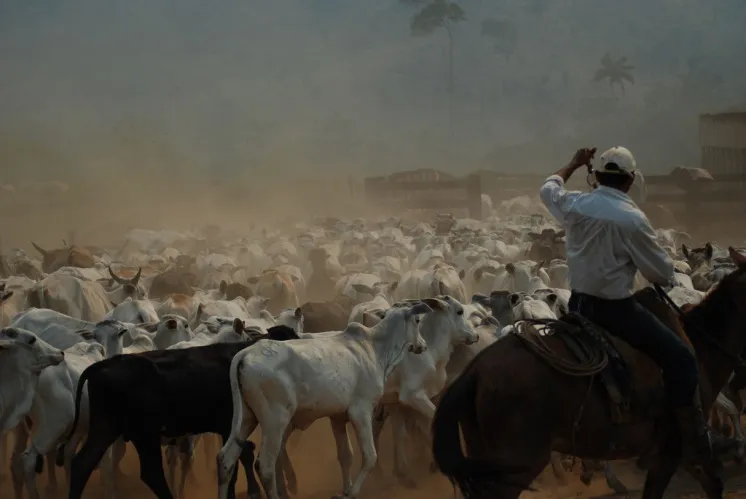
Image Resource Success of Zero-Deforestation Agreements in Brazil – Beef industry keen on reducing deforestation in the Brazilian Amazon This paper finds that the introduction of legally binding agreements, signed by ranchers and slaughterhouses in Brazil, have been effective in halting deforestation. Read
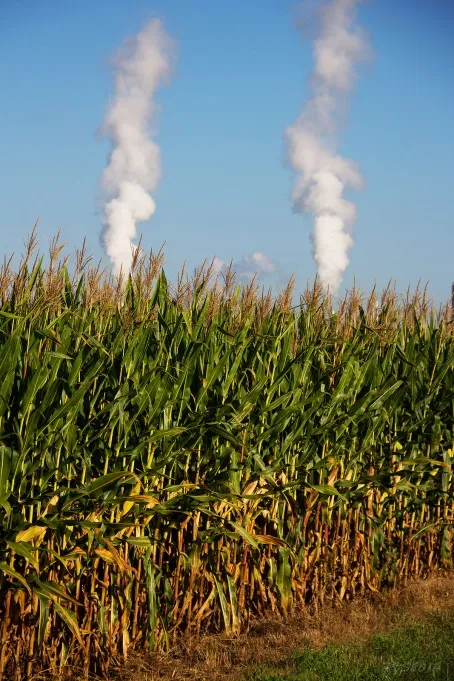
Image Resource Food and fuel: model for bioenergy feedstock/vegetable double-cropping systems One of the main concerns about bioenergy is that its production potentially competes with land needed to produce food. In this paper researchers discuss the potential of a bioenergy feedstock/vegetable double-cropping system, in which both biofuel and pumpkin are produced. Read
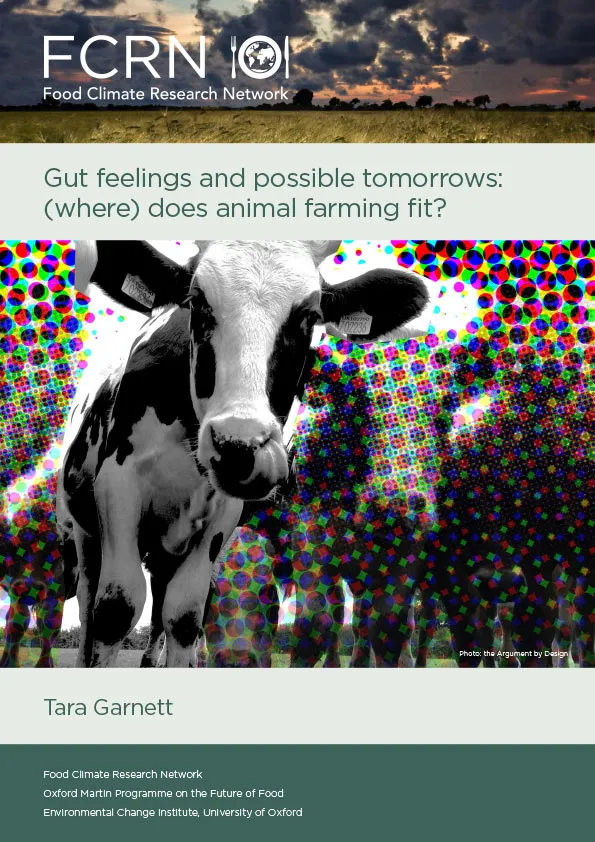
Image Resource Gut feelings and possible tomorrows: (where) does animal farming fit? This new FCRN think piece focuses on the future of livestock production - or rather on a range of different livestock futures. Read
Image Resource Japanese meat processing company builds meat plant waste system A new green energy initiative has been launched by the Japanese meat processor NH Foods. Their Global Water Engineering (GWE) Cohral plant (in Australia)will extract green energy biogas from the waste water stream of production, replacing millions of dollars’ worth of natural gas currently consumed by the company factory. It is reported that the effect of burning the methane will save the equivalent of 12,000 tonnes of CO2, equivalent to removing 2,700 cars from the road. Read
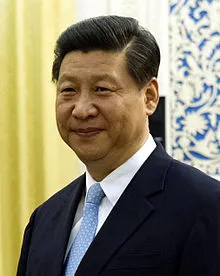
Image Resource China’s president Xi Jinping: farmers must have a bigger role in China’s development Better links between urban and rural areas will ensure that farmers in China are seen as equal to city workers and that they can take a greater part in the country’s development than before, Xi said when addressing the communist party’s policy chiefs at a session of the Central Committee’s Political Bureau. Read
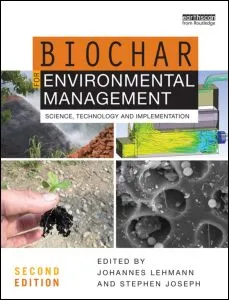
Image Resource Biochar for Environmental Management -Science, Technology and Implementation, 2nd Edition Read
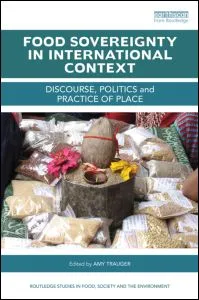
Image Resource Food Sovereignty in International Context -Discourse, politics and practice of place Abstract Food sovereignty is an emerging discourse of empowerment and autonomy in the food system with the development of associated practices in rural and some urban spaces. While literature on food sovereignty has proliferated since the first usage of the term in 1996 at the Rome Food Summit, most has been descriptive rather than explanatory in nature, and often confuses food sovereignty with other movements and objectives such as alternative food networks, food justice, or food self-sufficiency. Read
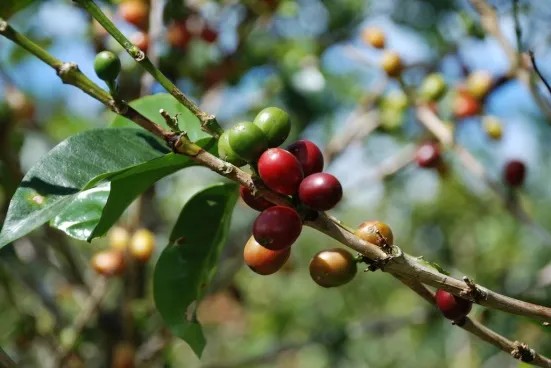
Image Resource Arabica coffee production at risk due to changing climate Coffee is the most widely traded agricultural commodity of the tropics, and studies have shown that as a crop it is very sensitive to rising temperatures arising from, climate change. Two new studies now look at the implications of warmer temperatures on Arabica coffee production. Read
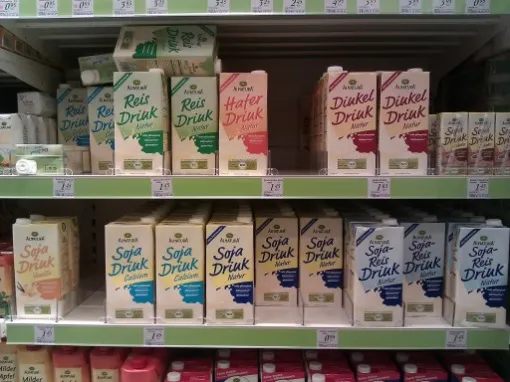
Image Resource Foods for Special Dietary Needs: Non-Dairy Plant Based Milk Substitutes and Fermented Dairy Type Products This paper provides a useful overview of the nutritional, and (very briefly) some of the environmental differences between cow’s milk and substitute milks made from plants such as soy, rice, quinoa and oats. Having described the process of transforming plants into milks it then goes on to conclude that there are important nutritional differences, with cow’s milk generally richer in protein and essential micronutrients. It notes, however, that the GHG footprint non-dairy substitutes tends to be lower. It concludes: Read