Image Resources Our extensive research library contains thousands of summaries of journal articles, reports and news stories that can be searched by keyword and category RESOURCES CATEGORY Books Briefing paper Event recording Featured articles Featured report Game Journal articles News and resources Reports Think piece Video Working paper Workshop summary Year 2026 2025 2024 2023 2022 2021 2020 2019 2018 2017 2016 2015 2014 2013 2012 2011 2010 2009 2008 2007 2002 2001 Image Resource Delivery of crop pollination services is an insufficient argument for wild pollinator conservation This paper from Nature Communications explores whether arguments that highlight and quantity biodiversity’s economic value to humanity are sufficient approaches to halting its loss; and it also discusses some of the potential trade offs between the conservation of biological diversity and the concept of ecosystem services. Read Image Resource New paper investigates how much of the labour in African agriculture is provided by women This policy research working paper by the world-bank has revisited numbers on women’s contribution to agriculture in sub-Saharan Africa. Its findings have challenged the development profession to revisit a number of claims about African economies, including those about the role of women in African agriculture. Read Image Resource 4 out of 10 Swedish schools now have a meat-free day The Swedish environment and sustainability magazine Miljöaktuellt has carried out a survey of municipalities in Sweden which show that 4 out of 10 schools have implemented either a meat-free day a week or undertaken other activities that reduce meat consumption to an equivalent degree. This number of participating schools represents an increase of 35% from the previous year. Read Image Resource Political Ecologies of Meat Abstract Livestock production worldwide is increasing rapidly, in part due to economic growth and demand for meat in industrializing countries. Yet there are many concerns about the sustainability of increased meat production and consumption, from perspectives including human health, animal welfare, climate change and environmental pollution. Read Image Resource Lloyd’s emerging risk report 2015: Food system shock - the insurance impacts of acute disruption to global food supply This report, commissioned by Lloyd’s, describes how our food system is becoming increasingly vulnerable to acute shocks and underlines the pressing need to reduce the uncertainty surrounding the impacts of an extreme shock to the food supply. Read Image Resource Climate and health report launched by the Lancet Read Image Resource FAO report - Climate Change and Food Systems: Global assessments and implications for food security and trade This report synthesises the findings of a group of scientists and economists who analysed the impacts of climate change on food and agriculture at global and regional levels over the past two decades. Read Image Resource Mediterranean dietary shift threatens health and the environment The Mediterranean diet is seeing a shift away from traditional diets, threatening health and the environment, say the FAO and the International Centre for Advanced Mediterranean Agronomic Studies (CIHEAM) in a new report. Read Image Resource The Next Pig Idea – interview with Tristram Stuart In this interview in Policy Innovations, Tristram Stuart describes the rationale behind the organization he has founded called FeedBack, which tackles food waste across the supply chain, globally, "from plant to plate." In particular he discusses the campaign The Pig Idea and the idea of recycling food waste as feed for pigs. Read VIEW MORE
Image Resource Delivery of crop pollination services is an insufficient argument for wild pollinator conservation This paper from Nature Communications explores whether arguments that highlight and quantity biodiversity’s economic value to humanity are sufficient approaches to halting its loss; and it also discusses some of the potential trade offs between the conservation of biological diversity and the concept of ecosystem services. Read
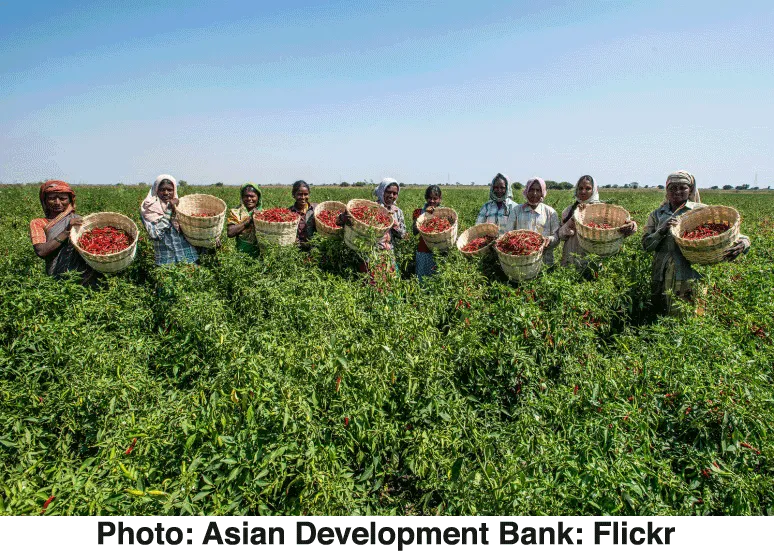
Image Resource New paper investigates how much of the labour in African agriculture is provided by women This policy research working paper by the world-bank has revisited numbers on women’s contribution to agriculture in sub-Saharan Africa. Its findings have challenged the development profession to revisit a number of claims about African economies, including those about the role of women in African agriculture. Read
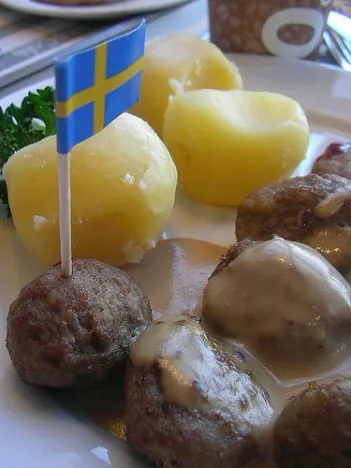
Image Resource 4 out of 10 Swedish schools now have a meat-free day The Swedish environment and sustainability magazine Miljöaktuellt has carried out a survey of municipalities in Sweden which show that 4 out of 10 schools have implemented either a meat-free day a week or undertaken other activities that reduce meat consumption to an equivalent degree. This number of participating schools represents an increase of 35% from the previous year. Read
Image Resource Political Ecologies of Meat Abstract Livestock production worldwide is increasing rapidly, in part due to economic growth and demand for meat in industrializing countries. Yet there are many concerns about the sustainability of increased meat production and consumption, from perspectives including human health, animal welfare, climate change and environmental pollution. Read
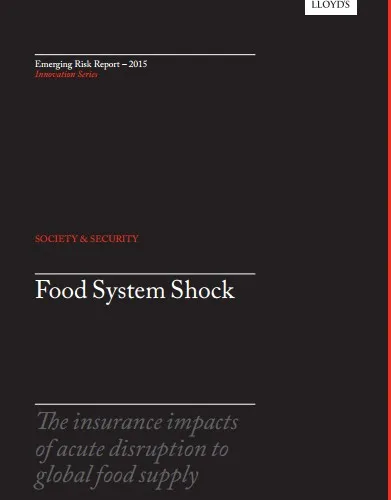
Image Resource Lloyd’s emerging risk report 2015: Food system shock - the insurance impacts of acute disruption to global food supply This report, commissioned by Lloyd’s, describes how our food system is becoming increasingly vulnerable to acute shocks and underlines the pressing need to reduce the uncertainty surrounding the impacts of an extreme shock to the food supply. Read
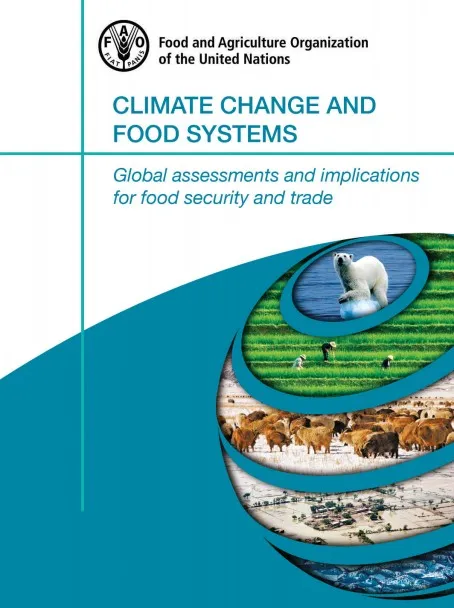
Image Resource FAO report - Climate Change and Food Systems: Global assessments and implications for food security and trade This report synthesises the findings of a group of scientists and economists who analysed the impacts of climate change on food and agriculture at global and regional levels over the past two decades. Read
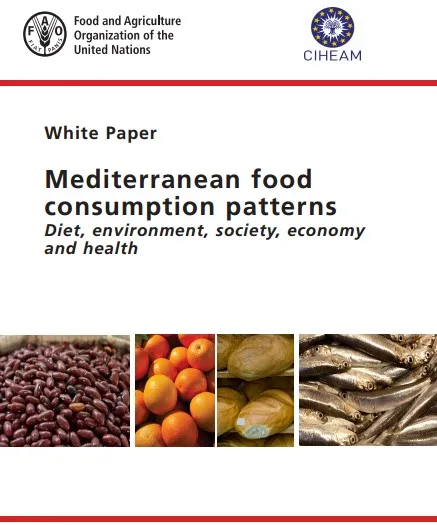
Image Resource Mediterranean dietary shift threatens health and the environment The Mediterranean diet is seeing a shift away from traditional diets, threatening health and the environment, say the FAO and the International Centre for Advanced Mediterranean Agronomic Studies (CIHEAM) in a new report. Read
Image Resource The Next Pig Idea – interview with Tristram Stuart In this interview in Policy Innovations, Tristram Stuart describes the rationale behind the organization he has founded called FeedBack, which tackles food waste across the supply chain, globally, "from plant to plate." In particular he discusses the campaign The Pig Idea and the idea of recycling food waste as feed for pigs. Read