Image Resources Our extensive research library contains thousands of summaries of journal articles, reports and news stories that can be searched by keyword and category RESOURCES CATEGORY Books Briefing paper Event recording Featured articles Featured report Game Journal articles News and resources Reports Think piece Video Working paper Workshop summary Year 2026 2025 2024 2023 2022 2021 2020 2019 2018 2017 2016 2015 2014 2013 2012 2011 2010 2009 2008 2007 2002 2001 Image Resource Environmental Justice and Farm Labor Utilizing a model derived from literature on environmental justice overlaid with multiple scales of agriculture, Environmental Justice and Farm Labor provides key insights about laborers in agriculture in the United States. It addresses three main topics: (1) justice-related issues facing farmers and laborers on farms; (2) how history and policy have impacted them; and (3) the opportunities and leverage points for change in improving justice outcomes. Read Image Resource IEA Discussion Paper No.82 CHEAP AS CHIPS: Is a healthy diet affordable? This report from the UK free market think tank Institute of Economic Affairs claims that healthy food is actually cheaper than ‘junk food’. In drawing this conclusion the IEA also states that taxes on unhealthy foods (consumed as they say disproportionately by people with low incomes) is unlikely to be enough to change consumer behaviour and will be regressive - it will hit poorer people the hardest. Read Image Resource A healthier US diet could reduce greenhouse gas emissions from both the food and health care systems This paper looks at link between diets, health and climate and particularly the effects of adopting healthier diets in the US on the risk of disease, health care costs and greenhouse gas emissions. Read Image Resource Reducing pesticide use while preserving crop utility and profitability on arable farms This Nature Plants paper by researchers from agroecological and agronomical research institutions in France used a statistical modelling approach to predict the effects of reducing pesticide use on the productivity and profitability of French arable farms. Read Image Resource Agriculture in 2050: Recalibrating Targets for Sustainable Intensification A recent paper published in BioScience articulates the need for a new vision and new goals for the sustainable intensification of agriculture, moving away from the often cited statement that food production must double by 2050 to feed the world's growing population. Read Image Resource IEEP’s report: Towards an integrated approach to livestock farming, sustainable diets and the environment: challenges for the Common Agricultural Policy and the UK This report by the Institute for European Environmental Policy (IEEP) and commissioned by UK’s Eating Better Alliance looks at future policies towards livestock farming and trade in the UK and EU. Read Image Resource FAO report: The future of food and agriculture – Trends and challenges This FAO report identifies global trends and major drivers of change shaping the future of food and agriculture in the 21st century. It points to the advances that have been made within food and agriculture in the past years, analysing the current state of play and identifies a number of challenges that remain if we are to achieve FAO’s vision of a world free from hunger and malnutrition. Read Image Resource Historical carbon dioxide emissions caused by land-use changes are possibly larger than assumed This perspective article exposes and explains uncertainties in our historical calculations of carbon fluxes associated with land use and land cover change, and uses comparisons between dynamic global vegetation models (DGVMs) to estimate the effects of these uncertainties on historical, current and future assessments of carbon fluxes between the land and air. Read Image Resource Updated version of WCRF’s policy framework to promote healthy diets & reduce obesity The World Cancer Research Fund International has created the NOURISHING policy database which has now been updated and holds 390 policy actions from 125 countries, and 70 evaluations. Read VIEW MORE
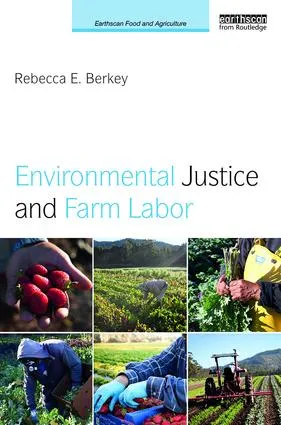
Image Resource Environmental Justice and Farm Labor Utilizing a model derived from literature on environmental justice overlaid with multiple scales of agriculture, Environmental Justice and Farm Labor provides key insights about laborers in agriculture in the United States. It addresses three main topics: (1) justice-related issues facing farmers and laborers on farms; (2) how history and policy have impacted them; and (3) the opportunities and leverage points for change in improving justice outcomes. Read
Image Resource IEA Discussion Paper No.82 CHEAP AS CHIPS: Is a healthy diet affordable? This report from the UK free market think tank Institute of Economic Affairs claims that healthy food is actually cheaper than ‘junk food’. In drawing this conclusion the IEA also states that taxes on unhealthy foods (consumed as they say disproportionately by people with low incomes) is unlikely to be enough to change consumer behaviour and will be regressive - it will hit poorer people the hardest. Read
Image Resource A healthier US diet could reduce greenhouse gas emissions from both the food and health care systems This paper looks at link between diets, health and climate and particularly the effects of adopting healthier diets in the US on the risk of disease, health care costs and greenhouse gas emissions. Read
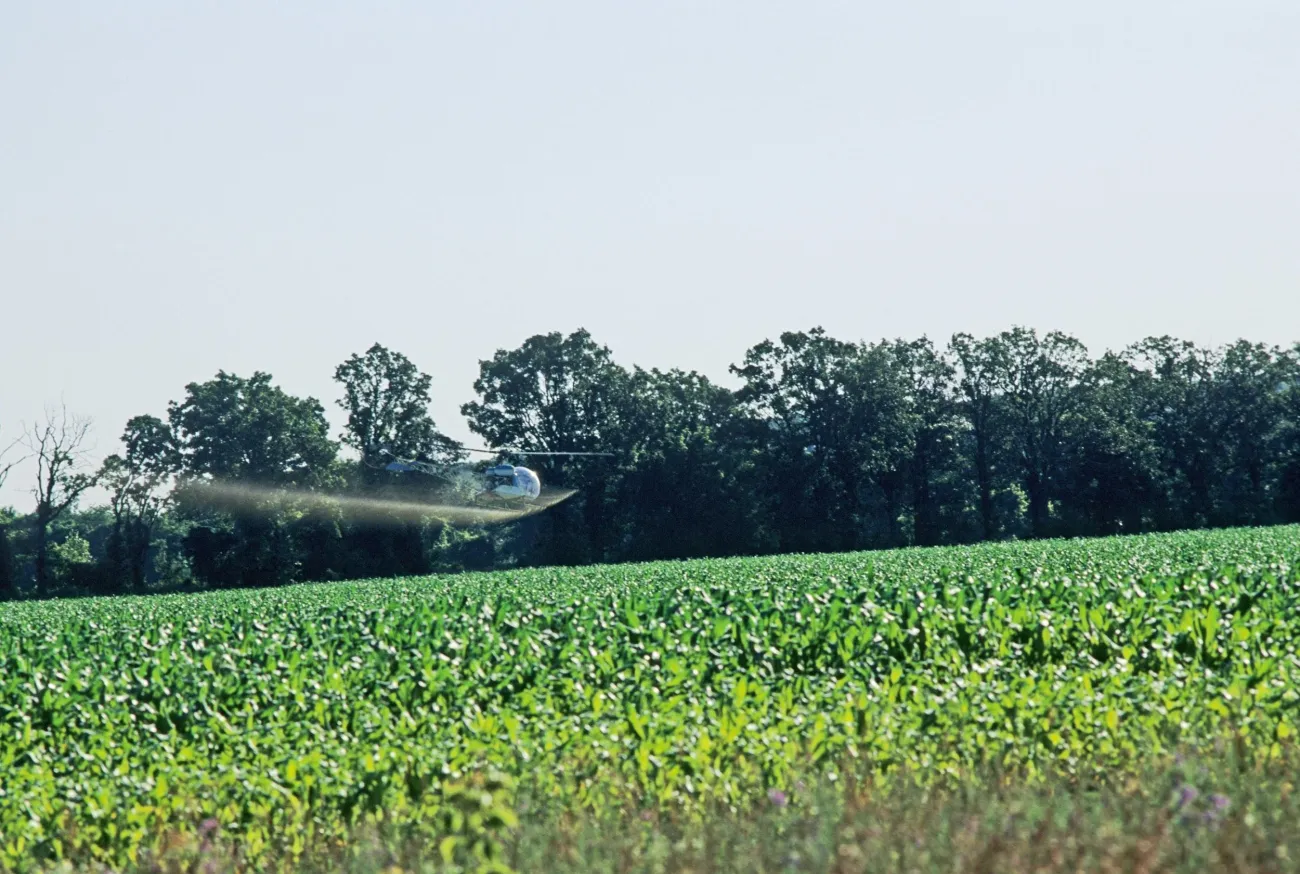
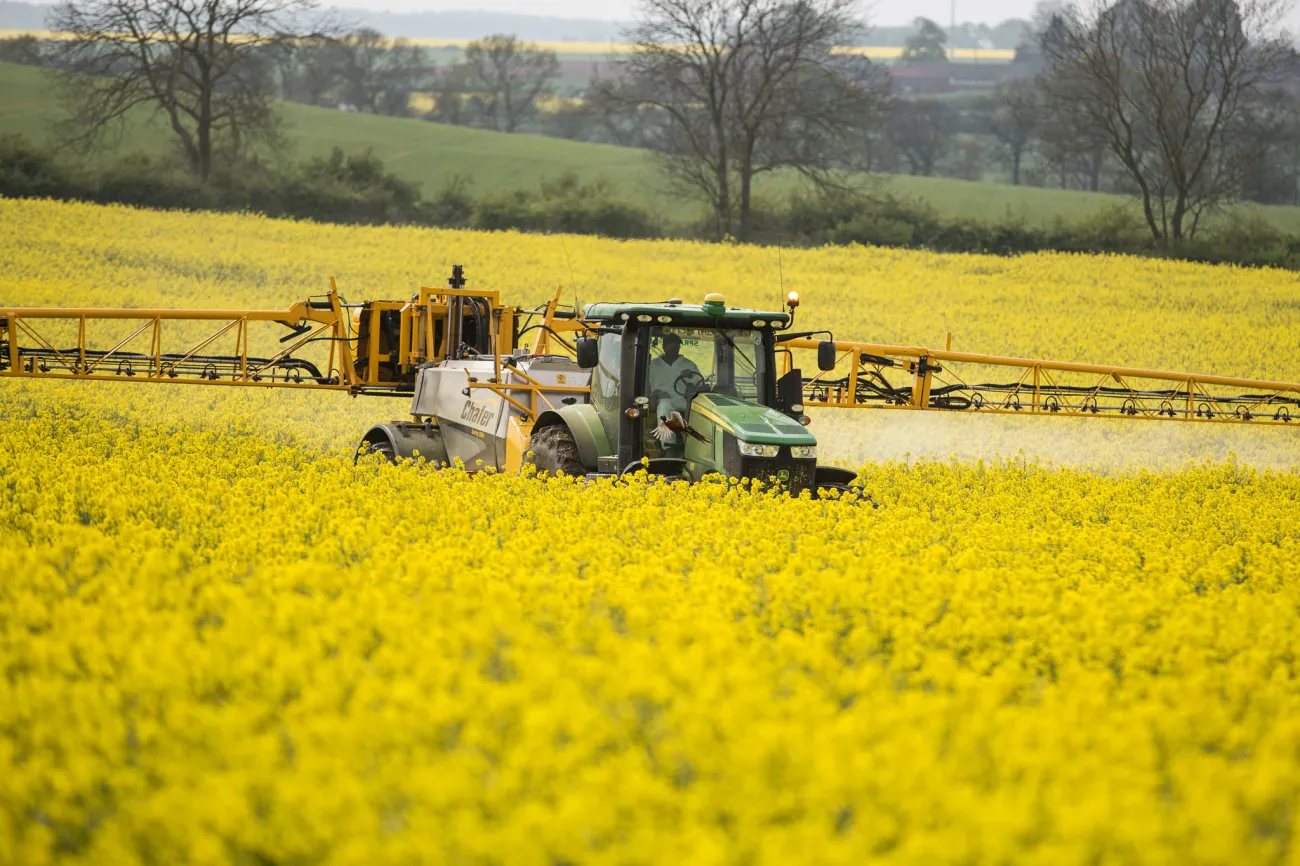
Image Resource Reducing pesticide use while preserving crop utility and profitability on arable farms This Nature Plants paper by researchers from agroecological and agronomical research institutions in France used a statistical modelling approach to predict the effects of reducing pesticide use on the productivity and profitability of French arable farms. Read
Image Resource Agriculture in 2050: Recalibrating Targets for Sustainable Intensification A recent paper published in BioScience articulates the need for a new vision and new goals for the sustainable intensification of agriculture, moving away from the often cited statement that food production must double by 2050 to feed the world's growing population. Read
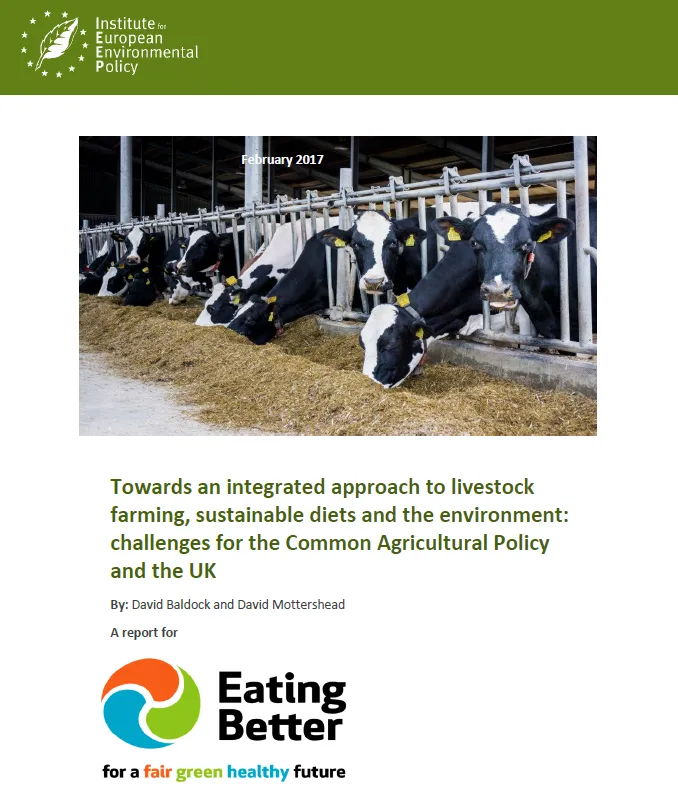
Image Resource IEEP’s report: Towards an integrated approach to livestock farming, sustainable diets and the environment: challenges for the Common Agricultural Policy and the UK This report by the Institute for European Environmental Policy (IEEP) and commissioned by UK’s Eating Better Alliance looks at future policies towards livestock farming and trade in the UK and EU. Read
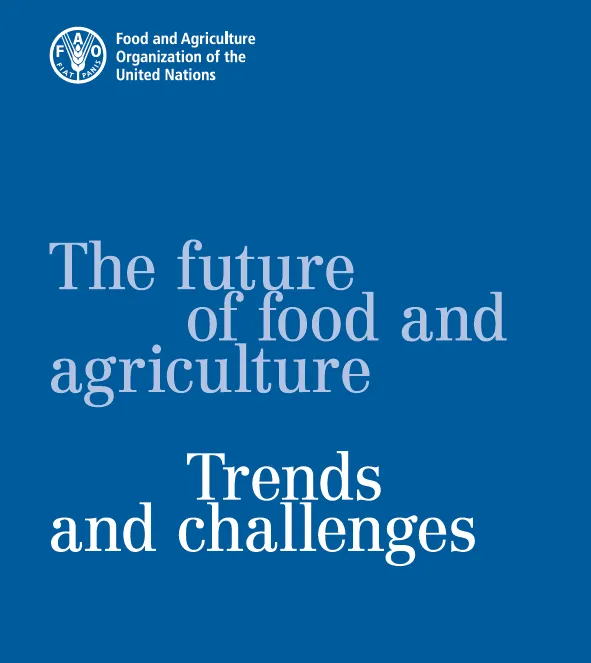
Image Resource FAO report: The future of food and agriculture – Trends and challenges This FAO report identifies global trends and major drivers of change shaping the future of food and agriculture in the 21st century. It points to the advances that have been made within food and agriculture in the past years, analysing the current state of play and identifies a number of challenges that remain if we are to achieve FAO’s vision of a world free from hunger and malnutrition. Read
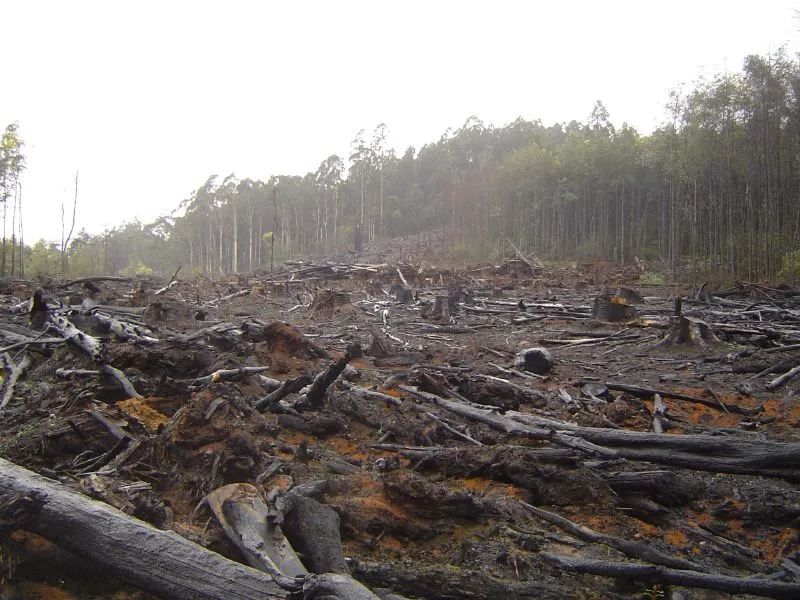
Image Resource Historical carbon dioxide emissions caused by land-use changes are possibly larger than assumed This perspective article exposes and explains uncertainties in our historical calculations of carbon fluxes associated with land use and land cover change, and uses comparisons between dynamic global vegetation models (DGVMs) to estimate the effects of these uncertainties on historical, current and future assessments of carbon fluxes between the land and air. Read
Image Resource Updated version of WCRF’s policy framework to promote healthy diets & reduce obesity The World Cancer Research Fund International has created the NOURISHING policy database which has now been updated and holds 390 policy actions from 125 countries, and 70 evaluations. Read