Image Resources Our extensive research library contains thousands of summaries of journal articles, reports and news stories that can be searched by keyword and category RESOURCES CATEGORY Books Briefing paper Event recording Featured articles Featured report Game Journal articles News and resources Reports Think piece Video Working paper Workshop summary Year 2026 2025 2024 2023 2022 2021 2020 2019 2018 2017 2016 2015 2014 2013 2012 2011 2010 2009 2008 2007 2002 2001 Image Resource Featured Reports FAO report on ‘Nutrition-sensitive agriculture and food systems in practice: options for intervention’ This report by the FAO aims to equip policymakers in ministries of agriculture and rural development, development partners and others with the tools they need to design nutrition-sensitive food and agriculture policies and programmes. Read Image Resource How should conservationists respond to pesticides as a driver of biodiversity loss in agroecosystems? This paper in Biological Conservation argues that the role of pesticides in driving biodiversity loss deserves renewed emphasis, quantification and amelioration. The authors present their views on how conservationists should support integrated approaches, for sustainable agriculture and rural development planning, that simultaneously address food security, pesticide use and biodiversity conservation. Read Image Resource How Do Dietary Choices Influence the Energy-System Cost of Stabilizing the Climate? In this paper, using three scenarios for food demand, the researchers model and highlight the indirect relationship between greenhouse gas (GHG) emission abatement within the food supply system and the energy system, globally. Read Image Resource Farming and the geography of nutrient production for human use: a transdisciplinary analysis This paper, taken from an inaugural edition on planetary health in the Lancet, analyses global food and nutrient production and diversity by farm size, providing evidence on how smallholder farmers contribute to the quantity and quality of our global food supply and discussing the structural impacts of agriculture on nutrient availability. Read Image Resource The Lancet Planetary Health inaugural edition editorial Planetary health is a new approach that broadens health research to include the health of human civilisations and the natural (external) systems on which they depend. In a new journal, alongside The Lancet Public Health and The Lancet Global Health, The Lancet Planetary Health will explore the links between planetary and human health and how we can protect the environment on which we depend and develop sustainable systems that support human health. Read Image Resource From flask to field: How tiny microbes are revolutionizing big agriculture In this post in the Conversation, crop scientist Matthew Wallenstein, Associate Professor and Director at the Innovation Center for Sustainable Agriculture, Colorado State University, discusses the potential of natural microbes to improve agriculture and make it more sustainable. Read Image Resource A food dystopia: Is Britain sleepwalking into a crisis? This blog-post/commentary on food policy and Brexit is written by Terry Marsden, Director of the Sustainable Places Research Institute and Kevin Morgan, Professor of Government and Development, both at Cardiff University. Read Image Resource IIED report: Social learning as a tool to tackle ‘wicked’ problems such as climate change and food security This report from IIED looks at when and how social learning-oriented approaches contribute to better and more sustainable development outcomes, focusing specifically on food security and climate change. Read Image Resource New guidelines published for industry to reduce sugar in everyday food eaten by children Public Health England(PHE) has published new guidelines setting out the approaches the food industry should take to reduce the net amount of sugar children consume through everyday food. Read VIEW MORE
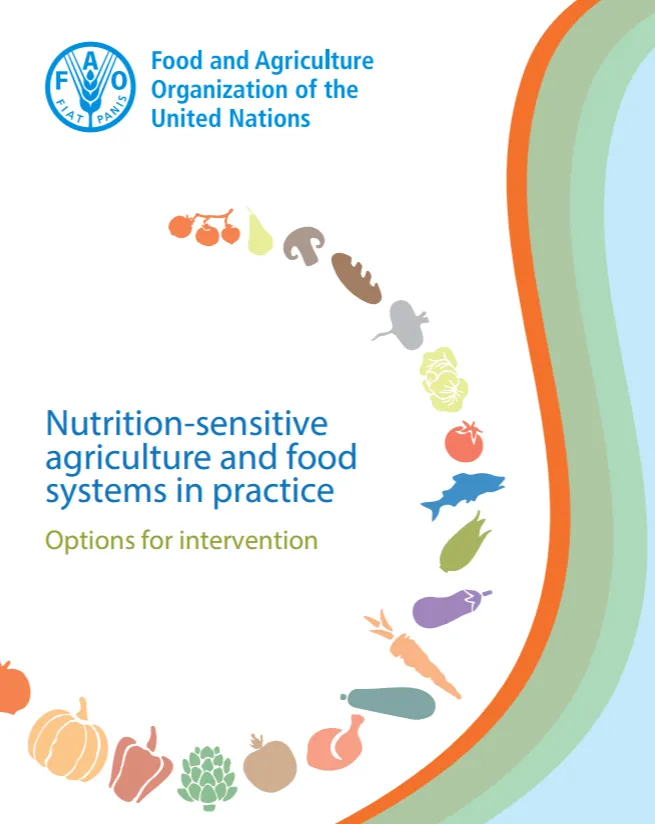
Image Resource Featured Reports FAO report on ‘Nutrition-sensitive agriculture and food systems in practice: options for intervention’ This report by the FAO aims to equip policymakers in ministries of agriculture and rural development, development partners and others with the tools they need to design nutrition-sensitive food and agriculture policies and programmes. Read
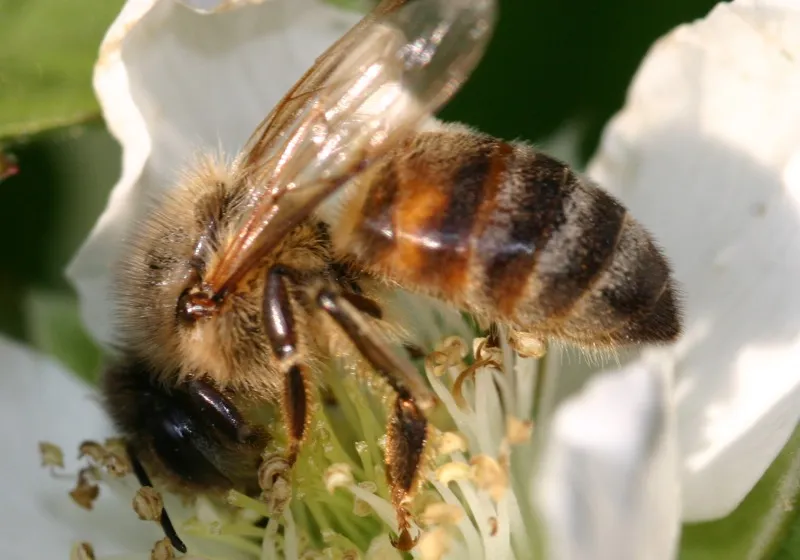
Image Resource How should conservationists respond to pesticides as a driver of biodiversity loss in agroecosystems? This paper in Biological Conservation argues that the role of pesticides in driving biodiversity loss deserves renewed emphasis, quantification and amelioration. The authors present their views on how conservationists should support integrated approaches, for sustainable agriculture and rural development planning, that simultaneously address food security, pesticide use and biodiversity conservation. Read
Image Resource How Do Dietary Choices Influence the Energy-System Cost of Stabilizing the Climate? In this paper, using three scenarios for food demand, the researchers model and highlight the indirect relationship between greenhouse gas (GHG) emission abatement within the food supply system and the energy system, globally. Read
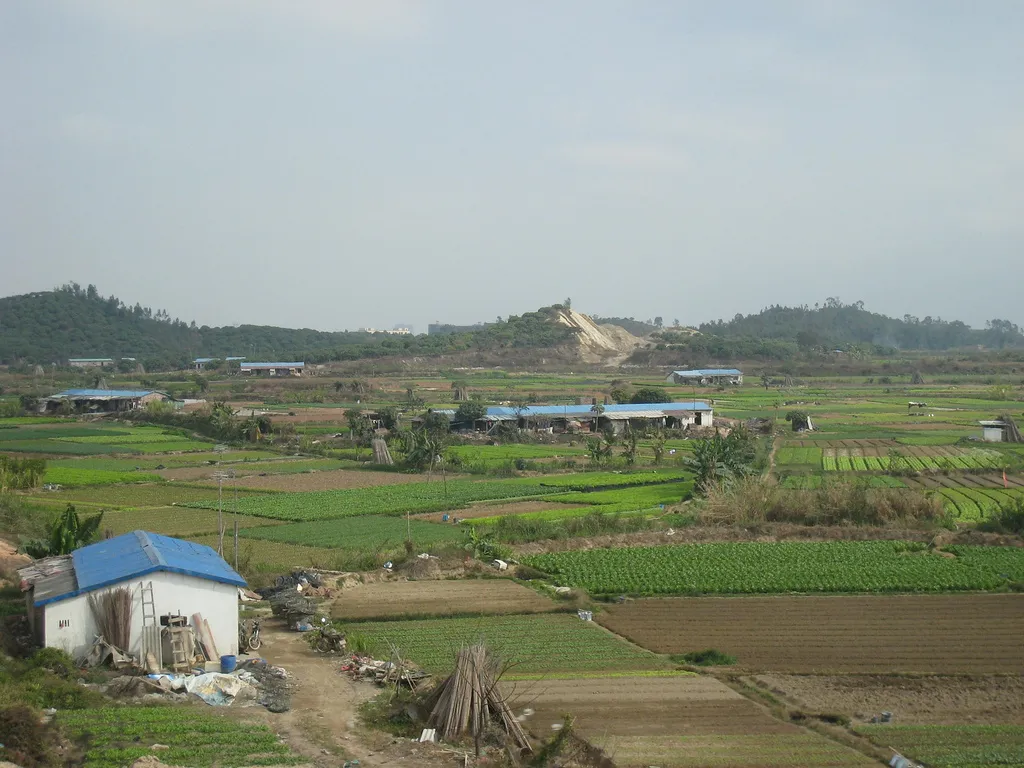
Image Resource Farming and the geography of nutrient production for human use: a transdisciplinary analysis This paper, taken from an inaugural edition on planetary health in the Lancet, analyses global food and nutrient production and diversity by farm size, providing evidence on how smallholder farmers contribute to the quantity and quality of our global food supply and discussing the structural impacts of agriculture on nutrient availability. Read
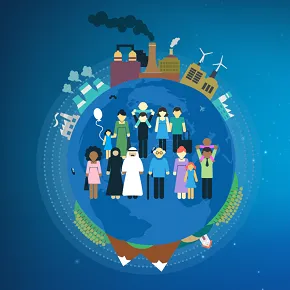
Image Resource The Lancet Planetary Health inaugural edition editorial Planetary health is a new approach that broadens health research to include the health of human civilisations and the natural (external) systems on which they depend. In a new journal, alongside The Lancet Public Health and The Lancet Global Health, The Lancet Planetary Health will explore the links between planetary and human health and how we can protect the environment on which we depend and develop sustainable systems that support human health. Read
Image Resource From flask to field: How tiny microbes are revolutionizing big agriculture In this post in the Conversation, crop scientist Matthew Wallenstein, Associate Professor and Director at the Innovation Center for Sustainable Agriculture, Colorado State University, discusses the potential of natural microbes to improve agriculture and make it more sustainable. Read
Image Resource A food dystopia: Is Britain sleepwalking into a crisis? This blog-post/commentary on food policy and Brexit is written by Terry Marsden, Director of the Sustainable Places Research Institute and Kevin Morgan, Professor of Government and Development, both at Cardiff University. Read
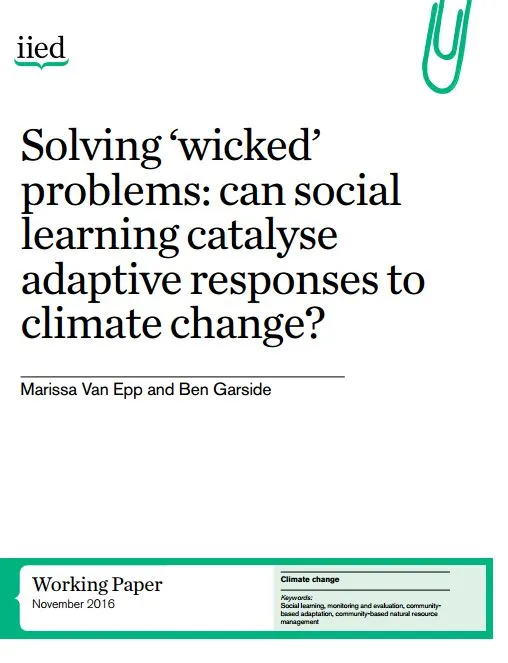
Image Resource IIED report: Social learning as a tool to tackle ‘wicked’ problems such as climate change and food security This report from IIED looks at when and how social learning-oriented approaches contribute to better and more sustainable development outcomes, focusing specifically on food security and climate change. Read
Image Resource New guidelines published for industry to reduce sugar in everyday food eaten by children Public Health England(PHE) has published new guidelines setting out the approaches the food industry should take to reduce the net amount of sugar children consume through everyday food. Read