Image Resources Our extensive research library contains thousands of summaries of journal articles, reports and news stories that can be searched by keyword and category RESOURCES CATEGORY Books Briefing paper Event recording Featured articles Featured report Game Journal articles News and resources Reports Think piece Video Working paper Workshop summary Year 2026 2025 2024 2023 2022 2021 2020 2019 2018 2017 2016 2015 2014 2013 2012 2011 2010 2009 2008 2007 2002 2001 Image Resource Opinion: Climate policymakers and assessments must get serious about climate engineering In this opinion piece, Edward Parson of the Emmett Institute on Climate Change and the Environment, UCLA, argues that Climate Engineering (CE) must urgently be given greater and more serious consideration within climate change research and policy, and calls upon the IPCC to take responsibility for this. Read Image Resource Finnish scientists produce edible protein with electricity A small amount of single-cell protein has been produced using electricity and carbon dioxide alone. The researchers working on this believe the protein produced in this way could be further developed for use as food and animal feed. The protein can be produced anywhere that renewable energy, such as solar energy, is available. Read Image Resource Special issue of Agriculture for Development on climate-smart agriculture The journal Agriculture for Development invited the CGIAR Research Program on Climate Change, Agriculture and Food Security (CCAFS) to produce a special issue which provides a broad-ranging selection of articles, news from the field, and book reviews in the area of climate smart agriculture. Read Image Resource Researchers propose expanding the UK traffic light food labelling to till receipts Birmingham researchers propose that the UK food labelling which currently is used on individual products should be expanded to the level of an entire supermarket receipt. The ‘traffic light system’ shows the total data for calories, sugar, fat and salt in a person’s shop and highlights the total in a green, amber or red colour. Read Image Resource Record profits for Cargill based on increasing meat demand The world’s largest agricultural commodities supplier, Cargill, obtained its highest profit in six years based on an increasing demand for meat. Animal nutrition and protein were the largest contributor to quarterly earnings for the company. Read Image Resource Special issue of ‘Future of Food: Journal on Food, Agriculture and Society’ The research papers presented in this issue on urban food policies provide a selection of the articles that were presented at the 7th Aesop Sustainable Food Planning Conference in 2015. Read Image Resource Interactive online investor guide on agricultural supply chain risk including climate change and deforestation Ceres, a sustainability nonprofit organization working with influential investors and companies, has released a new website to help investors when they make decisions to invest in food or agriculture companies. They argue that agricultural commodity trade is highly affected by issues such as climate change, deforestation, water use and pollution, and that companies need to take these into account in order to improve supply chain security and ensure consumer acceptability. Read Image Resource Report by Institute of Food Science & Technology (IFST): ‘Sustainable Food System Framework: A Focus on Food Sustainability’ The IFST, a UK-based body for food professionals in Europe, has commissioned a report aimed at identifying areas of future work which they feel would be of most use to their members. The report focuses on food sustainability, technology and evidence-based practice. Read Image Resource Chatham House report on chokepoints and vulnerabilities in global food trade International trade in critical commodities is growing, which, this report poses, is increasing pressure on a small number of ‘chokepoints’ – critical junctures on transport routes through which exceptional volumes of trade pass. Were a serious interruption at one or more of these chokepoints to occur, this could potentially lead to supply shortfalls and price spikes, both within and outside of the food system. Smaller disruptions might add to delays, spoilage and transport costs, constraining market responsiveness and contributing to higher prices and increased volatility. Read VIEW MORE
Image Resource Opinion: Climate policymakers and assessments must get serious about climate engineering In this opinion piece, Edward Parson of the Emmett Institute on Climate Change and the Environment, UCLA, argues that Climate Engineering (CE) must urgently be given greater and more serious consideration within climate change research and policy, and calls upon the IPCC to take responsibility for this. Read
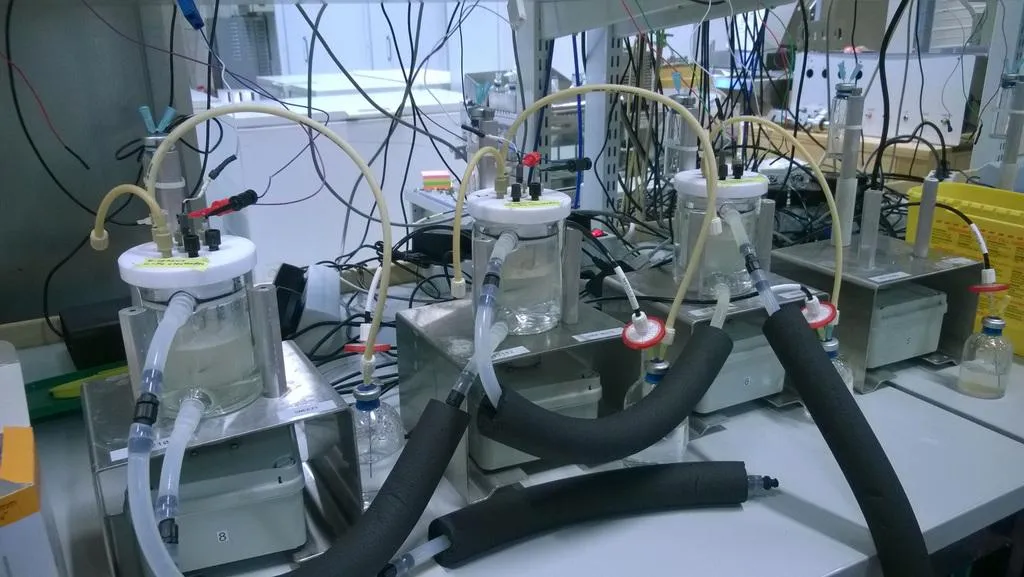
Image Resource Finnish scientists produce edible protein with electricity A small amount of single-cell protein has been produced using electricity and carbon dioxide alone. The researchers working on this believe the protein produced in this way could be further developed for use as food and animal feed. The protein can be produced anywhere that renewable energy, such as solar energy, is available. Read
Image Resource Special issue of Agriculture for Development on climate-smart agriculture The journal Agriculture for Development invited the CGIAR Research Program on Climate Change, Agriculture and Food Security (CCAFS) to produce a special issue which provides a broad-ranging selection of articles, news from the field, and book reviews in the area of climate smart agriculture. Read
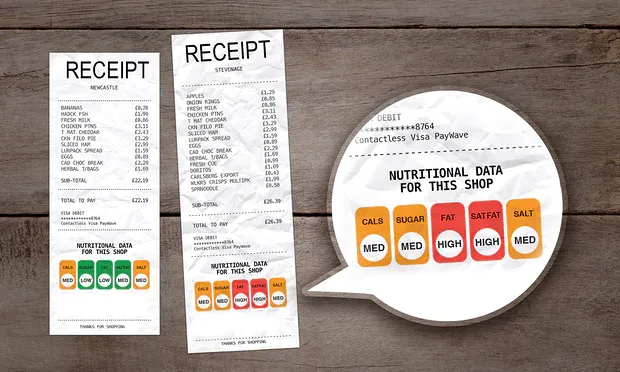
Image Resource Researchers propose expanding the UK traffic light food labelling to till receipts Birmingham researchers propose that the UK food labelling which currently is used on individual products should be expanded to the level of an entire supermarket receipt. The ‘traffic light system’ shows the total data for calories, sugar, fat and salt in a person’s shop and highlights the total in a green, amber or red colour. Read
Image Resource Record profits for Cargill based on increasing meat demand The world’s largest agricultural commodities supplier, Cargill, obtained its highest profit in six years based on an increasing demand for meat. Animal nutrition and protein were the largest contributor to quarterly earnings for the company. Read
Image Resource Special issue of ‘Future of Food: Journal on Food, Agriculture and Society’ The research papers presented in this issue on urban food policies provide a selection of the articles that were presented at the 7th Aesop Sustainable Food Planning Conference in 2015. Read
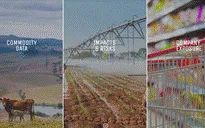
Image Resource Interactive online investor guide on agricultural supply chain risk including climate change and deforestation Ceres, a sustainability nonprofit organization working with influential investors and companies, has released a new website to help investors when they make decisions to invest in food or agriculture companies. They argue that agricultural commodity trade is highly affected by issues such as climate change, deforestation, water use and pollution, and that companies need to take these into account in order to improve supply chain security and ensure consumer acceptability. Read
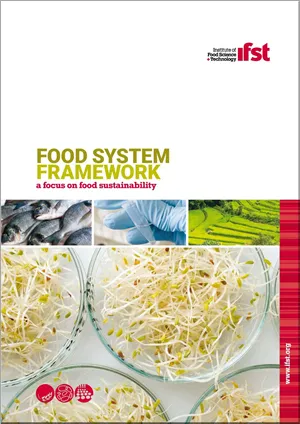
Image Resource Report by Institute of Food Science & Technology (IFST): ‘Sustainable Food System Framework: A Focus on Food Sustainability’ The IFST, a UK-based body for food professionals in Europe, has commissioned a report aimed at identifying areas of future work which they feel would be of most use to their members. The report focuses on food sustainability, technology and evidence-based practice. Read
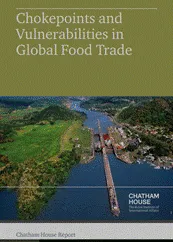
Image Resource Chatham House report on chokepoints and vulnerabilities in global food trade International trade in critical commodities is growing, which, this report poses, is increasing pressure on a small number of ‘chokepoints’ – critical junctures on transport routes through which exceptional volumes of trade pass. Were a serious interruption at one or more of these chokepoints to occur, this could potentially lead to supply shortfalls and price spikes, both within and outside of the food system. Smaller disruptions might add to delays, spoilage and transport costs, constraining market responsiveness and contributing to higher prices and increased volatility. Read