Image Resources Our extensive research library contains thousands of summaries of journal articles, reports and news stories that can be searched by keyword and category RESOURCES CATEGORY Books Briefing paper Event recording Featured articles Featured report Game Journal articles News and resources Reports Think piece Video Working paper Workshop summary Year 2026 2025 2024 2023 2022 2021 2020 2019 2018 2017 2016 2015 2014 2013 2012 2011 2010 2009 2008 2007 2002 2001 Image News and resources Chilean avocado farms leave locals without water Some avocado plantation owners in Chile are illegally diverting water from rivers and leaving local villagers without enough water, according to a feature in the Guardian. Demand for avocados has increased by 27% in the UK in the last year. Activist Veronica Vilches claimed that local people are getting sick because of the lack of water, while activist Rodrigo Mundaca says that the water provided to resident by trucks is of poor quality. Read Image News and resources Why France banned “meat names” for vegetarian alternatives France recently amended its agriculture bill to ban non-animal foods from being labelled similarly to animal products, e.g. “soy sausage”, on the basis that such labelling could be misleading to consumers. Read Image News and resources Resource: BEEHAVE bee simulation tool The BEEHAVE model is a freely available simulation tool that can be used to understand how different stressors affect the development and survival of honeybee colonies. A newly launched update, Bumble-BEEHAVE, models the behaviour of six UK bumblebee species. Read Image Books Edible insects in sustainable food systems FCRN member Afton Halloran has edited this book, which outlines the role of edible insects in food systems around the world. Topics include nutrition, consumer acceptance, environmental impacts, using insects as animal feed and legal regulation. Read Image Books Agro-ecological innovation in developing countries The book “Innovation Processes in Agro-Ecological Transitions in Developing Countries”, edited by Ludovic Temple and Eveline M. F. W. Compaore Sawadogo, examines different ways in which innovation can happen in agricultural systems. Topics include financial support for biofuels research, adoption of new technology from large farms and biotechnological cotton. Read Image Books A handbook of food crime The book “A handbook of food crime: Immoral and illegal practices in the food industry and what to do about them”, edited by Allison Gray and Ronald Hinch, discusses some of the problems in current food systems that lead to food crime. Topics discussed include food adulteration, forced labour in the chocolate industry, animal transportation and regulation of food waste. Read Image Reports Workshop summary: Supporting healthy and sustainable diets The FCRN was a collaborator in the workshop “Supporting Healthy and Sustainable Diets: how do we get there?”, held in September 2017 as part of Land Economy for Sustainability Strategic Dialogue Series hosted by the Hoffmann Centre for Sustainable Resource Economy at Chatham House and the Children’s Investment Fund Foundation. This summary of the workshop outlines the actions that governments, businesses and civil society can take to make diets more sustainable and healthy. Read Image Reports The importance of agricultural biodiversity FCRN member Seth Cook of the International Institute for Environment and Development has written a discussion paper on the importance of agricultural biodiversity. The report notes that crop diversity is declining: today, just 30 crops supply 95% of food calories, with maize, rice, wheat and potatoes providing over 60%. For comparison, humans have domesticated or collected around 7000 species of food plants. Read Image Journal articles Restaurant menu design affects vegetarian food choice Redesigning restaurant menus to promote vegetarian dishes can change behaviour, but the effect depends on how frequently customers have eaten vegetarian food in the last week, according to an online survey. Presenting vegetarian dishes as the chef’s recommendation or using more appealing menu descriptions both make infrequent eaters of vegetarian foods more likely to choose the vegetarian option (compared to a control case), and frequent eaters of vegetarian foods less likely to do so. Putting vegetarian options in a separate menu section didn’t affect the choices made by infrequent eaters of vegetarian foods, but made those who eat them frequently less likely to choose a vegetarian dish. Read VIEW MORE
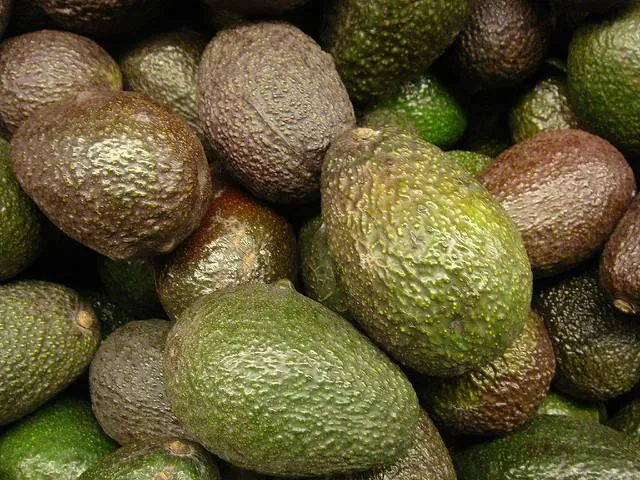
Image News and resources Chilean avocado farms leave locals without water Some avocado plantation owners in Chile are illegally diverting water from rivers and leaving local villagers without enough water, according to a feature in the Guardian. Demand for avocados has increased by 27% in the UK in the last year. Activist Veronica Vilches claimed that local people are getting sick because of the lack of water, while activist Rodrigo Mundaca says that the water provided to resident by trucks is of poor quality. Read
Image News and resources Why France banned “meat names” for vegetarian alternatives France recently amended its agriculture bill to ban non-animal foods from being labelled similarly to animal products, e.g. “soy sausage”, on the basis that such labelling could be misleading to consumers. Read
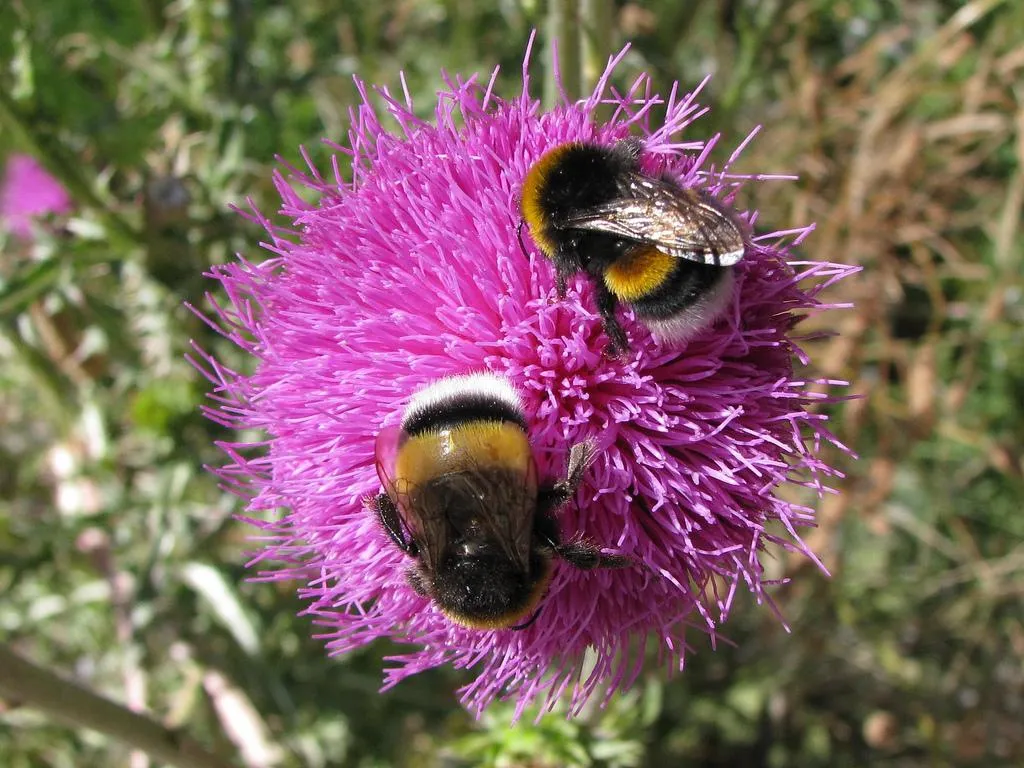
Image News and resources Resource: BEEHAVE bee simulation tool The BEEHAVE model is a freely available simulation tool that can be used to understand how different stressors affect the development and survival of honeybee colonies. A newly launched update, Bumble-BEEHAVE, models the behaviour of six UK bumblebee species. Read
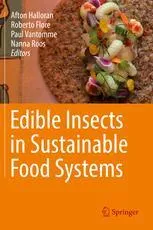
Image Books Edible insects in sustainable food systems FCRN member Afton Halloran has edited this book, which outlines the role of edible insects in food systems around the world. Topics include nutrition, consumer acceptance, environmental impacts, using insects as animal feed and legal regulation. Read
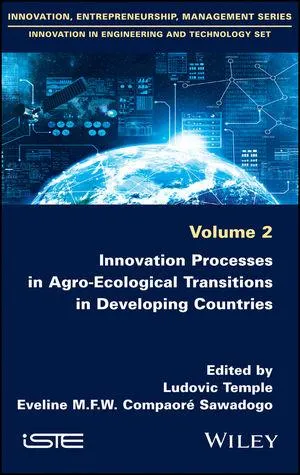
Image Books Agro-ecological innovation in developing countries The book “Innovation Processes in Agro-Ecological Transitions in Developing Countries”, edited by Ludovic Temple and Eveline M. F. W. Compaore Sawadogo, examines different ways in which innovation can happen in agricultural systems. Topics include financial support for biofuels research, adoption of new technology from large farms and biotechnological cotton. Read
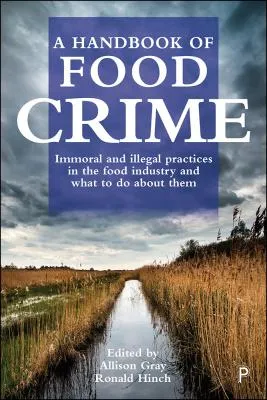
Image Books A handbook of food crime The book “A handbook of food crime: Immoral and illegal practices in the food industry and what to do about them”, edited by Allison Gray and Ronald Hinch, discusses some of the problems in current food systems that lead to food crime. Topics discussed include food adulteration, forced labour in the chocolate industry, animal transportation and regulation of food waste. Read
Image Reports Workshop summary: Supporting healthy and sustainable diets The FCRN was a collaborator in the workshop “Supporting Healthy and Sustainable Diets: how do we get there?”, held in September 2017 as part of Land Economy for Sustainability Strategic Dialogue Series hosted by the Hoffmann Centre for Sustainable Resource Economy at Chatham House and the Children’s Investment Fund Foundation. This summary of the workshop outlines the actions that governments, businesses and civil society can take to make diets more sustainable and healthy. Read
Image Reports The importance of agricultural biodiversity FCRN member Seth Cook of the International Institute for Environment and Development has written a discussion paper on the importance of agricultural biodiversity. The report notes that crop diversity is declining: today, just 30 crops supply 95% of food calories, with maize, rice, wheat and potatoes providing over 60%. For comparison, humans have domesticated or collected around 7000 species of food plants. Read
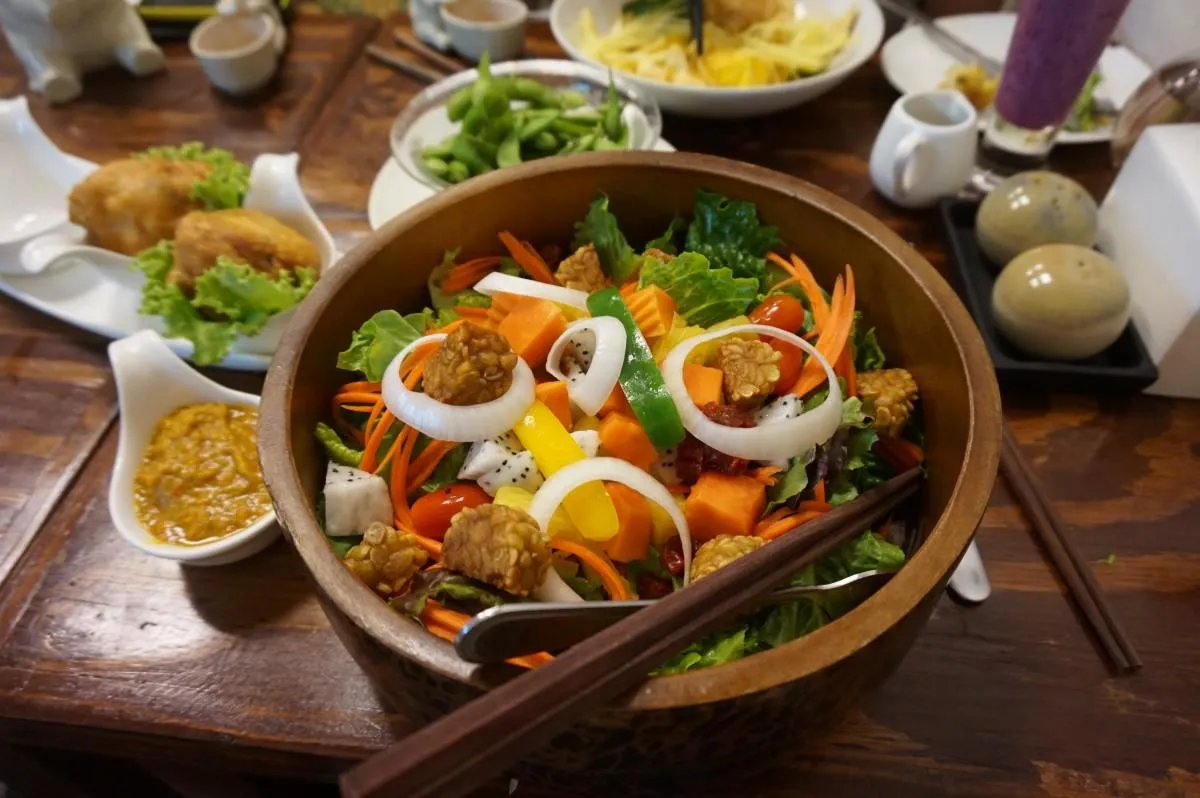
Image Journal articles Restaurant menu design affects vegetarian food choice Redesigning restaurant menus to promote vegetarian dishes can change behaviour, but the effect depends on how frequently customers have eaten vegetarian food in the last week, according to an online survey. Presenting vegetarian dishes as the chef’s recommendation or using more appealing menu descriptions both make infrequent eaters of vegetarian foods more likely to choose the vegetarian option (compared to a control case), and frequent eaters of vegetarian foods less likely to do so. Putting vegetarian options in a separate menu section didn’t affect the choices made by infrequent eaters of vegetarian foods, but made those who eat them frequently less likely to choose a vegetarian dish. Read