Image Resources Our extensive research library contains thousands of summaries of journal articles, reports and news stories that can be searched by keyword and category RESOURCES CATEGORY Books Briefing paper Event recording Featured articles Featured report Game Journal articles News and resources Reports Think piece Video Working paper Workshop summary Year 2026 2025 2024 2023 2022 2021 2020 2019 2018 2017 2016 2015 2014 2013 2012 2011 2010 2009 2008 2007 2002 2001 Image Books Using energy crops for biofuels or food: the choice This book, by Annoula Paschalidou, Michael Tsatiris, Kyriaki Kitikidou and Christina Papadopoulou, identifies the challenges and opportunities surrounding the conflict between food production and energy crop production. Read Image Reports New metrics needed to manage food system TEEBAgriFood, part of the UN Environment initiative The Economics of Ecosystems and Biodiversity, has released a report on the environmental, health and social costs and benefits of the agriculture and food system. It finds that the food system does not keep everyone healthy or protect the environment. It calls for a reform in how we measure food system performance, because relying on yield per hectare and market prices neglects other costs such as food-borne disease and environmental degradation. Read Image Reports Coller FAIRR protein producer index Sixty suppliers of meat and fish have been ranked according to their management of nine sustainability categories, in an index prepared by Farm Animal Investment Risk and Return (FAIRR), a London-based investor initiative focused on the environmental, social and ethical issues of factory farming. 60% of the companies assessed are deemed “high-risk” on their overall sustainability strategy (or lack of it). Antibiotics are the most poorly managed risk, while waste and pollution are the best-managed risks. Read Image Journal articles Lessons from the land sparing-sharing model FCRN member Ben Phalan of the Universidade Federal da Bahia has written a paper discussing the strengths and limitations of the land sparing-sharing framework, which aims to allocate land use and production intensity so as to maximise the value of land for wildlife while still producing enough food for people. He notes that most studies show that wildlife would be favoured by producing food intensely on as little land as possible, and addresses some common criticisms of the model. Read Image Journal articles Research transforms food systems in developing regions This paper examines the role that agricultural research and innovation has in changing the food systems of developing regions, including urbanisation, decline in the importance of cereals in the diet, rise in processed foods, and shift in types of grains produced. Ways in which research affects the food system include: new breeds and varieties that are suited to small farms and/or ease of processing; cheaper inputs such as irrigation, fertilisers, herbicides and tractors; and introduction of motorised transport and temperature controlled storage. The authors call for more investment in the post-farm stages of the food system, such as processing, logistics, and wholesale, because these stages add significant value to food products. Read Image Journal articles Climate change could make rice less nutritious 600 million people could be affected as climate change decreases the levels of several nutrients in rice, according to a new paper. The paper estimated changes in rice nutrient content using experiments where rice (of several different cultivars) was grown under conditions of enriched CO2. At the higher CO2 levels, the following average decreases in nutrient levels were found compared to rice grown under ambient CO2: 10% for protein; 8% for iron; 5% for zinc; 17% for vitamin B1; 17% for vitamin B2; 13% for vitamin B5; 30% for vitamin B9. In contrast, vitamin E levels were 14% higher under elevated CO2 levels. Read Image Journal articles Dietary change can significantly reduce environmental impacts A new study published in Science has consolidated data on five environmental impact categories (land use, freshwater withdrawals weighted by local water scarcity, climate change, acidification and eutrophication) for 40 agricultural goods from over 38,000 farms. It finds that the environmental impacts of producing the same food are highly variable between different farms. It also finds that the environmental impacts of animal products are generally higher than plant-based products. Read Image News and resources Edible coating preserves produce, helping farmers A new edible and almost invisible coating could extend the shelf life of fruit and vegetables and help farmers sell more of their crops, reports Civil Eats. The maker of the coating, Apeel Sciences, says that the coating is made from fats that can be derived from the peel, seeds and pulp of “any kind of fruit or vegetable”. Apeel Sciences claims that the coating can double the lifespan of produce, even without refrigeration. Read Image News and resources Podcast: Planet Money, Episode 840, Fixing Chicken A podcast by Planet Money discusses price fixing in the US chicken industry. Read VIEW MORE
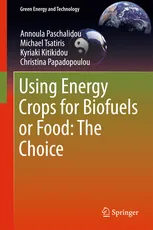
Image Books Using energy crops for biofuels or food: the choice This book, by Annoula Paschalidou, Michael Tsatiris, Kyriaki Kitikidou and Christina Papadopoulou, identifies the challenges and opportunities surrounding the conflict between food production and energy crop production. Read
Image Reports New metrics needed to manage food system TEEBAgriFood, part of the UN Environment initiative The Economics of Ecosystems and Biodiversity, has released a report on the environmental, health and social costs and benefits of the agriculture and food system. It finds that the food system does not keep everyone healthy or protect the environment. It calls for a reform in how we measure food system performance, because relying on yield per hectare and market prices neglects other costs such as food-borne disease and environmental degradation. Read
Image Reports Coller FAIRR protein producer index Sixty suppliers of meat and fish have been ranked according to their management of nine sustainability categories, in an index prepared by Farm Animal Investment Risk and Return (FAIRR), a London-based investor initiative focused on the environmental, social and ethical issues of factory farming. 60% of the companies assessed are deemed “high-risk” on their overall sustainability strategy (or lack of it). Antibiotics are the most poorly managed risk, while waste and pollution are the best-managed risks. Read
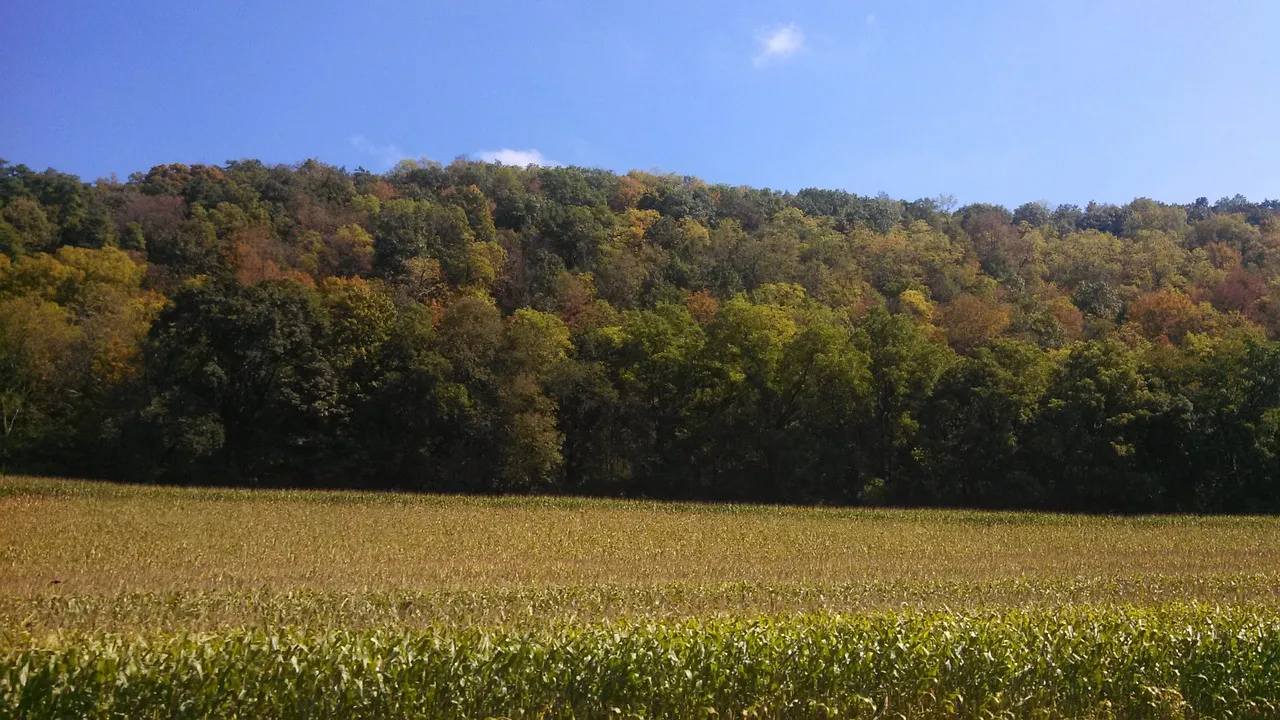
Image Journal articles Lessons from the land sparing-sharing model FCRN member Ben Phalan of the Universidade Federal da Bahia has written a paper discussing the strengths and limitations of the land sparing-sharing framework, which aims to allocate land use and production intensity so as to maximise the value of land for wildlife while still producing enough food for people. He notes that most studies show that wildlife would be favoured by producing food intensely on as little land as possible, and addresses some common criticisms of the model. Read
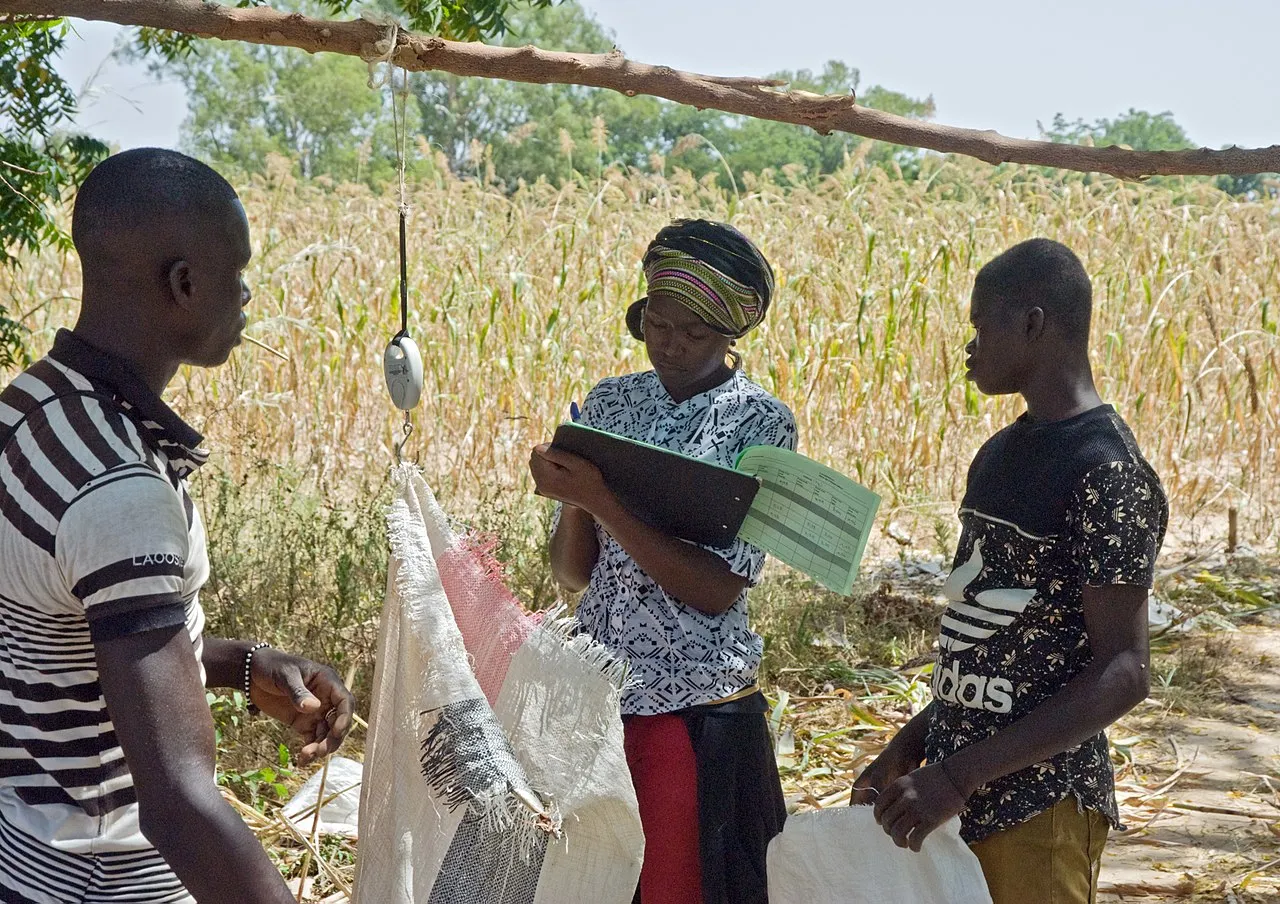
Image Journal articles Research transforms food systems in developing regions This paper examines the role that agricultural research and innovation has in changing the food systems of developing regions, including urbanisation, decline in the importance of cereals in the diet, rise in processed foods, and shift in types of grains produced. Ways in which research affects the food system include: new breeds and varieties that are suited to small farms and/or ease of processing; cheaper inputs such as irrigation, fertilisers, herbicides and tractors; and introduction of motorised transport and temperature controlled storage. The authors call for more investment in the post-farm stages of the food system, such as processing, logistics, and wholesale, because these stages add significant value to food products. Read
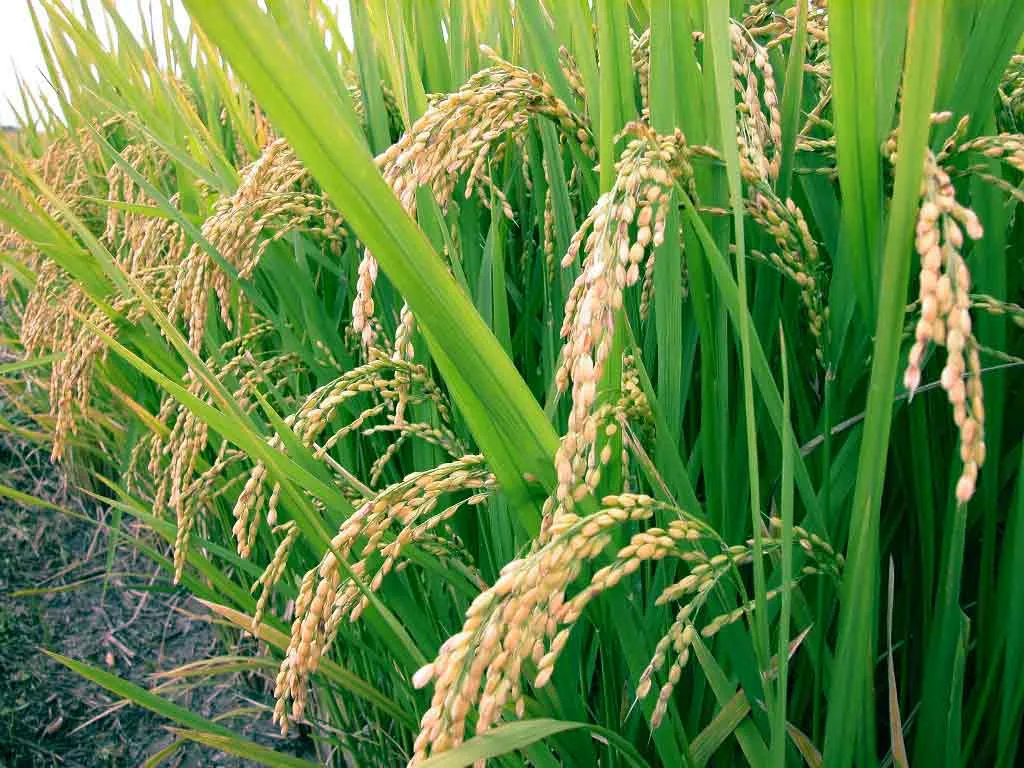
Image Journal articles Climate change could make rice less nutritious 600 million people could be affected as climate change decreases the levels of several nutrients in rice, according to a new paper. The paper estimated changes in rice nutrient content using experiments where rice (of several different cultivars) was grown under conditions of enriched CO2. At the higher CO2 levels, the following average decreases in nutrient levels were found compared to rice grown under ambient CO2: 10% for protein; 8% for iron; 5% for zinc; 17% for vitamin B1; 17% for vitamin B2; 13% for vitamin B5; 30% for vitamin B9. In contrast, vitamin E levels were 14% higher under elevated CO2 levels. Read
Image Journal articles Dietary change can significantly reduce environmental impacts A new study published in Science has consolidated data on five environmental impact categories (land use, freshwater withdrawals weighted by local water scarcity, climate change, acidification and eutrophication) for 40 agricultural goods from over 38,000 farms. It finds that the environmental impacts of producing the same food are highly variable between different farms. It also finds that the environmental impacts of animal products are generally higher than plant-based products. Read
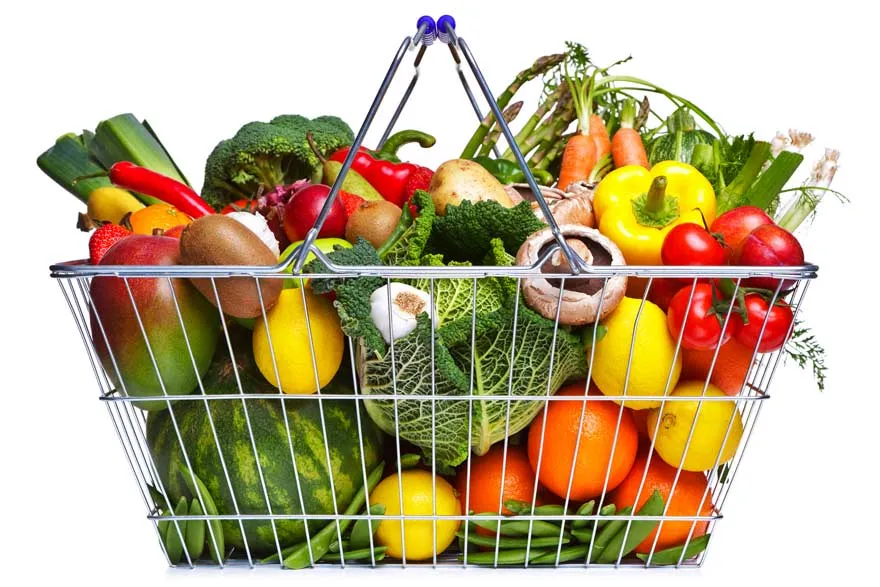
Image News and resources Edible coating preserves produce, helping farmers A new edible and almost invisible coating could extend the shelf life of fruit and vegetables and help farmers sell more of their crops, reports Civil Eats. The maker of the coating, Apeel Sciences, says that the coating is made from fats that can be derived from the peel, seeds and pulp of “any kind of fruit or vegetable”. Apeel Sciences claims that the coating can double the lifespan of produce, even without refrigeration. Read
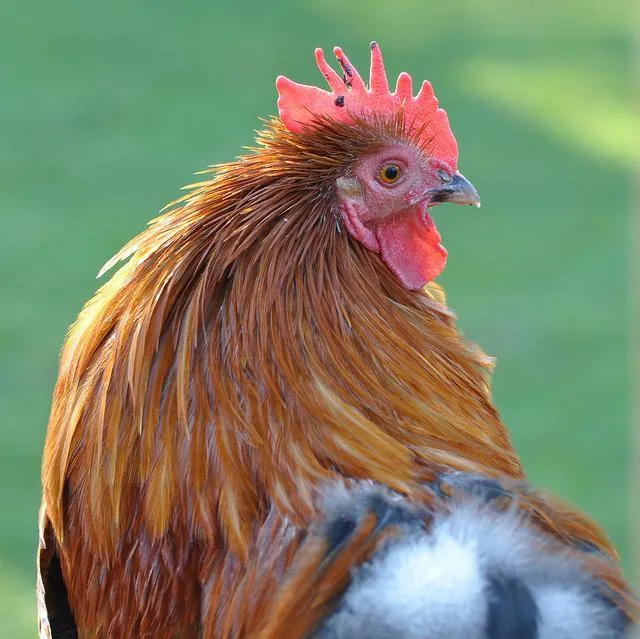
Image News and resources Podcast: Planet Money, Episode 840, Fixing Chicken A podcast by Planet Money discusses price fixing in the US chicken industry. Read