Image Resources Our extensive research library contains thousands of summaries of journal articles, reports and news stories that can be searched by keyword and category RESOURCES CATEGORY Books Briefing paper Event recording Featured articles Featured report Game Journal articles News and resources Reports Think piece Video Working paper Workshop summary Year 2026 2025 2024 2023 2022 2021 2020 2019 2018 2017 2016 2015 2014 2013 2012 2011 2010 2009 2008 2007 2002 2001 Image Journal articles Not enough land for everyone to eat USDA recommended diet If everyone in the world ate a diet consistent with the United States Department of Agriculture’s dietary guidelines, we would need more additional farmland than the amount of fertile land available, claims a recent paper. Read Image Journal articles Climate impact of alcohol consumption in Sweden Alcohol production, packaging and transport in Sweden has a carbon footprint of 52 kg CO2 eq. per person and accounts for around 3% of dietary emissions, according to a new paper by FCRN member Elinor Hallström. Per litre of beverage, wine, strong wine and liquor have higher carbon footprints than beer. This study does not include emissions from retail or consumer activities. Read Image Journal articles Avoiding the ecological limits of forage fish for fed aquaculture Farmed fish are often fed on forage fish (such as anchovies and sardines) caught from the wild. A new paper points out that demand for forage fish to support aquaculture production is forecast to grow beyond the maximum sustainable supply level. The authors calculate that demand for forage fish could be reduced to below the maximum supply limit by combining a number of measures: reducing use of forage fish in land-based agriculture, replacing some forage fish with fish trimmings from processing, and reducing the proportion of forage fish in the diets of non-carnivorous farmed fish. Read Image Journal articles Overcoming undesirable resilience in the global food system A recent paper argues that the global food system needs to become both more sustainable and more resilient to environmental and economic shocks. Defining resilience as “the resistance or rapid recovery of system interrelationships and functions after perturbation”, the paper points to existing examples of “undesirable” resilience, which inhibit the transformation of the food system to a more sustainable state. Read Image News and resources Heme in Impossible Burger approved by US FDA The US Food and Drug Administration (FDA) has approved the key ingredient in the plant-based burger created by Impossible Foods. Soy leghemoglobin, which releases a protein called heme that gives the burger its red colour and meat-like flavour, is made by Impossible Foods using genetically modified yeast. The FDA’s approval is based on the conclusions drawn by a panel of food safety experts and experimental data submitted by Impossible Foods. Read Image News and resources Trump administration allows pesticides and GM crops in wildlife refuges The Trump administration has reversed a ban on using neonicotinoid pesticides (linked to declining bee populations) and genetically modified crops in over 50 national wildlife refuges (out of 560 total). Limited farming activity is permitted in some of the wildlife refuges. Previously, a blanket ban had prohibited the use of neonicotinoids and genetically modified crops in the wildlife refuges, but now decisions will be made on a case-by-case basis. Read Image News and resources UK councils call for more recyclable food packaging The UK’s Local Government Association (LGA) has called for industry to stop creating non-recyclable food packaging, saying that “Councils have done all they can,” to tackle the issue of plastic recycling. The LGA has found that only one-third of plastic packaging used by households can be recycled. Read Image Books Sustainable horticulture, Volumes 1 and 2 These two books, edited by Debashis Mandal, Amritesh C. Shukla and Mohammed Wasim Siddiqui, outline current trends in research on sustainable horticulture. Volume 1 covers diversity, production, and crop improvement while Volume 2 covers food, health, and nutrition. Read Image Books The new peasantries (second edition) This book, by Jan Douwe van der Ploeg, examines peasants and peasant farming, particularly how globalisation creates new forms of peasantry. Read VIEW MORE
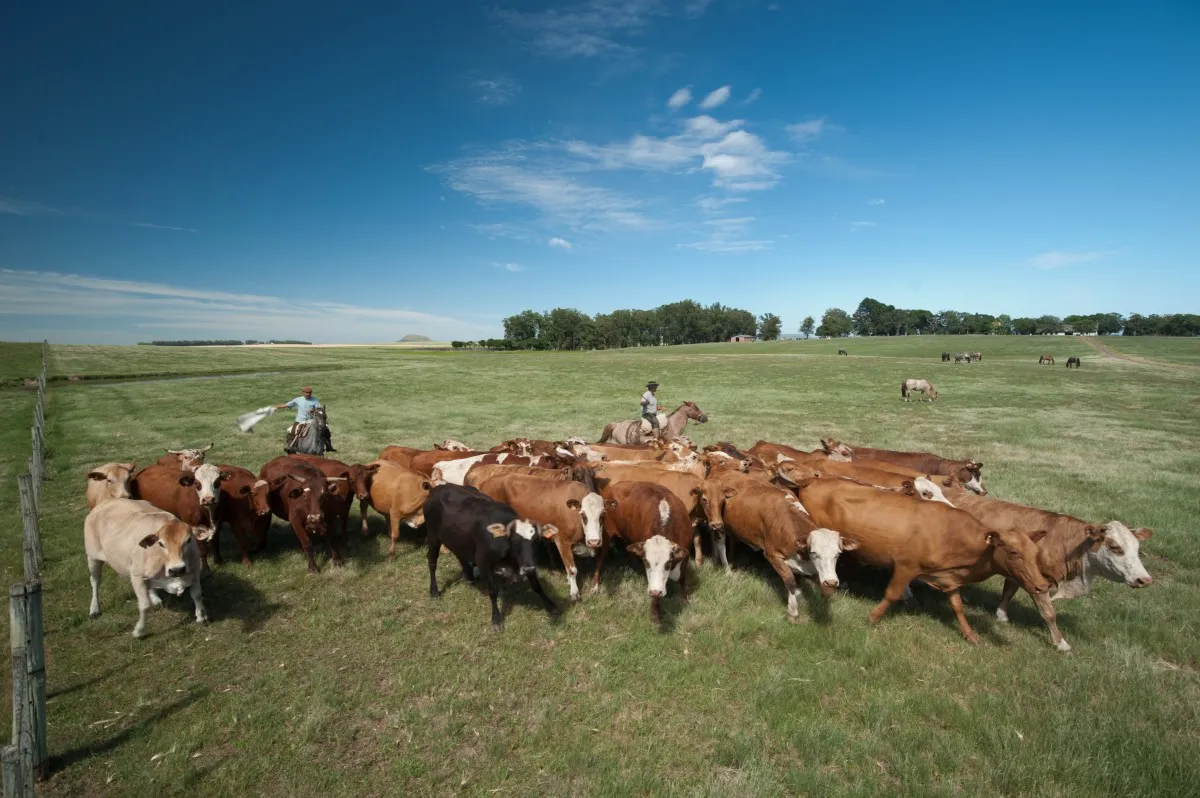
Image Journal articles Not enough land for everyone to eat USDA recommended diet If everyone in the world ate a diet consistent with the United States Department of Agriculture’s dietary guidelines, we would need more additional farmland than the amount of fertile land available, claims a recent paper. Read
Image Journal articles Climate impact of alcohol consumption in Sweden Alcohol production, packaging and transport in Sweden has a carbon footprint of 52 kg CO2 eq. per person and accounts for around 3% of dietary emissions, according to a new paper by FCRN member Elinor Hallström. Per litre of beverage, wine, strong wine and liquor have higher carbon footprints than beer. This study does not include emissions from retail or consumer activities. Read
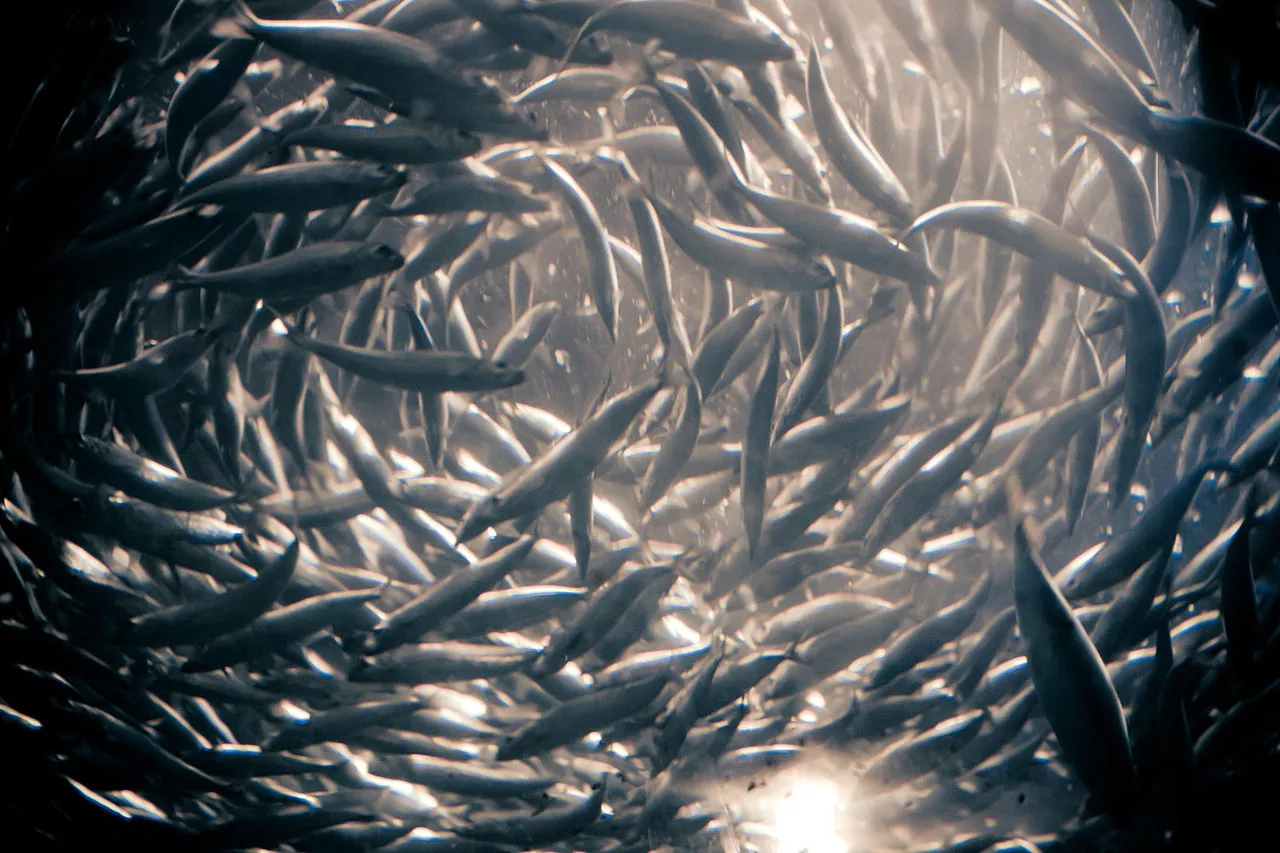
Image Journal articles Avoiding the ecological limits of forage fish for fed aquaculture Farmed fish are often fed on forage fish (such as anchovies and sardines) caught from the wild. A new paper points out that demand for forage fish to support aquaculture production is forecast to grow beyond the maximum sustainable supply level. The authors calculate that demand for forage fish could be reduced to below the maximum supply limit by combining a number of measures: reducing use of forage fish in land-based agriculture, replacing some forage fish with fish trimmings from processing, and reducing the proportion of forage fish in the diets of non-carnivorous farmed fish. Read
Image Journal articles Overcoming undesirable resilience in the global food system A recent paper argues that the global food system needs to become both more sustainable and more resilient to environmental and economic shocks. Defining resilience as “the resistance or rapid recovery of system interrelationships and functions after perturbation”, the paper points to existing examples of “undesirable” resilience, which inhibit the transformation of the food system to a more sustainable state. Read
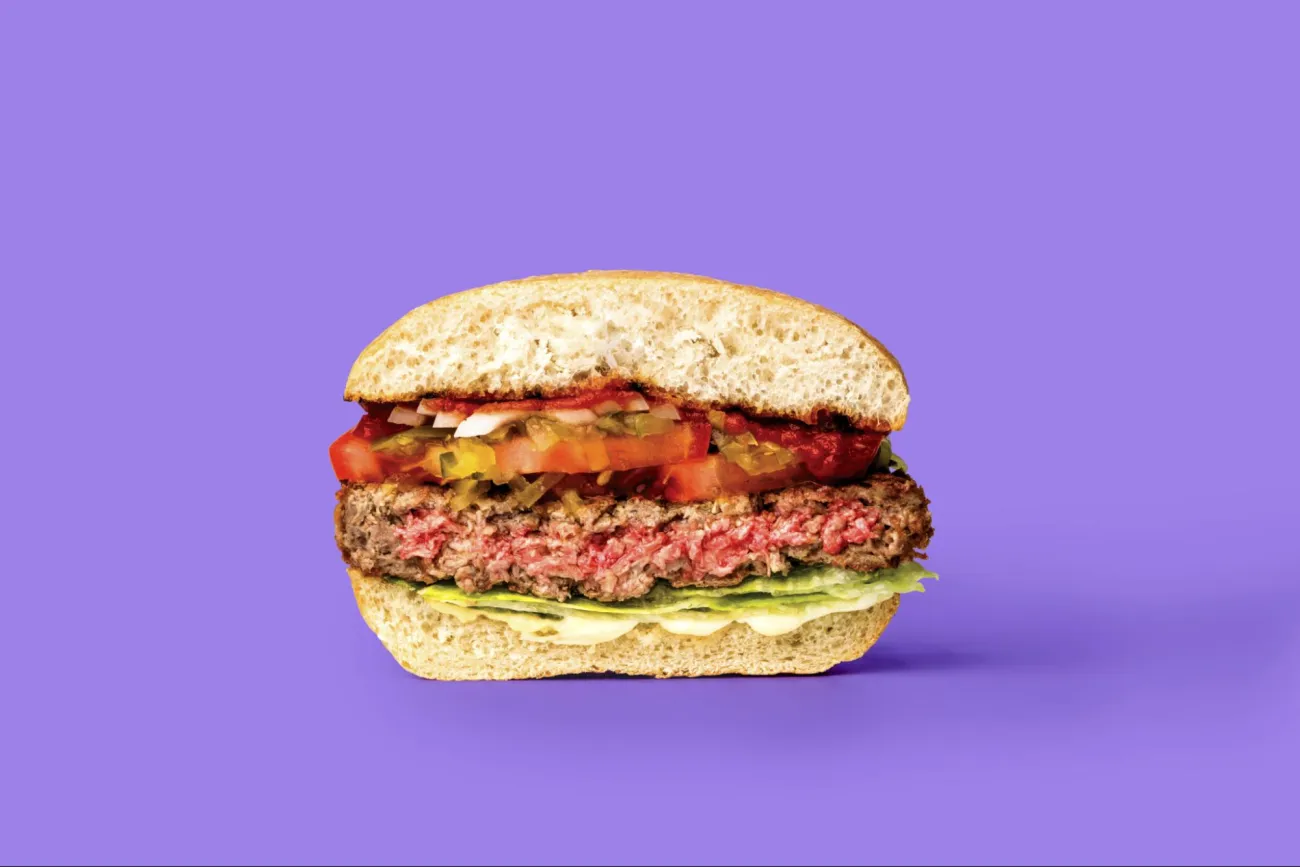
Image News and resources Heme in Impossible Burger approved by US FDA The US Food and Drug Administration (FDA) has approved the key ingredient in the plant-based burger created by Impossible Foods. Soy leghemoglobin, which releases a protein called heme that gives the burger its red colour and meat-like flavour, is made by Impossible Foods using genetically modified yeast. The FDA’s approval is based on the conclusions drawn by a panel of food safety experts and experimental data submitted by Impossible Foods. Read
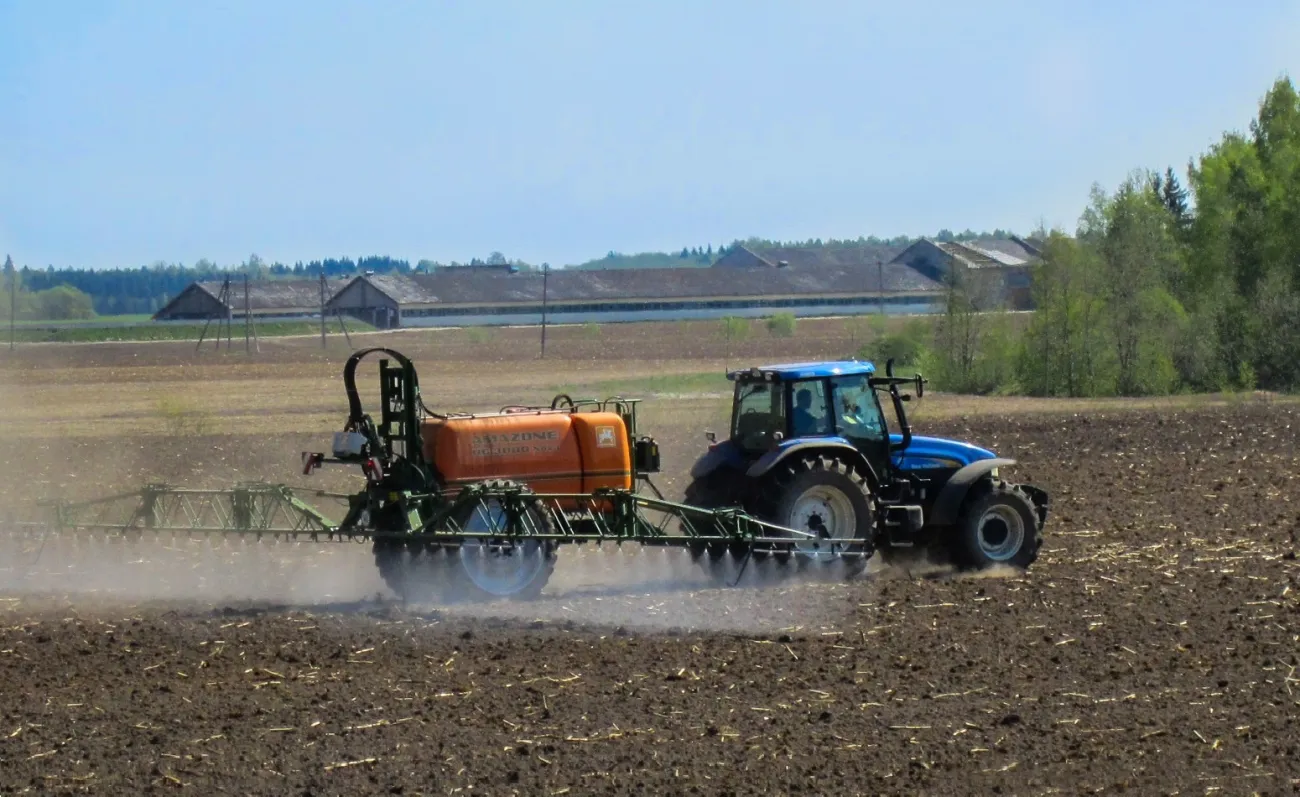
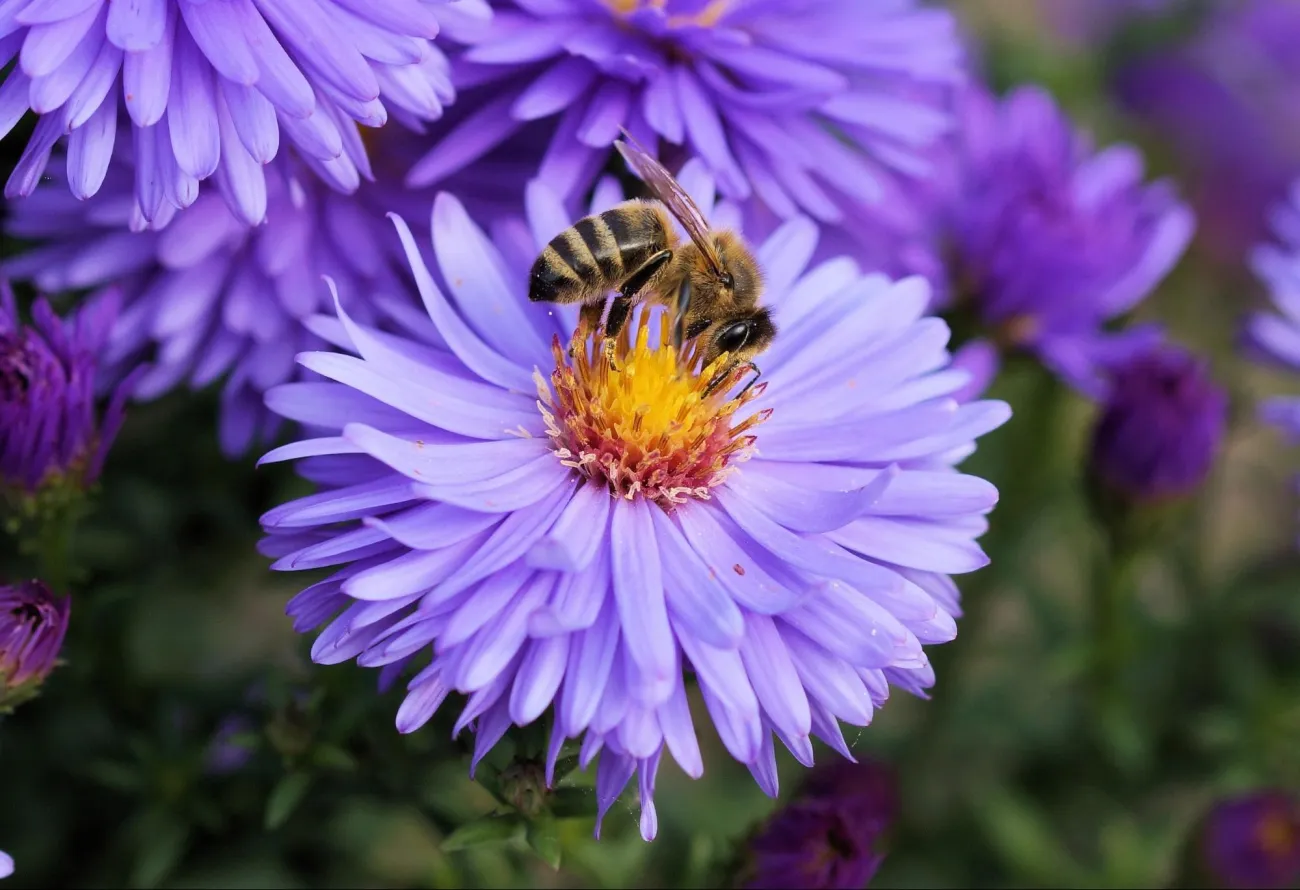
Image News and resources Trump administration allows pesticides and GM crops in wildlife refuges The Trump administration has reversed a ban on using neonicotinoid pesticides (linked to declining bee populations) and genetically modified crops in over 50 national wildlife refuges (out of 560 total). Limited farming activity is permitted in some of the wildlife refuges. Previously, a blanket ban had prohibited the use of neonicotinoids and genetically modified crops in the wildlife refuges, but now decisions will be made on a case-by-case basis. Read
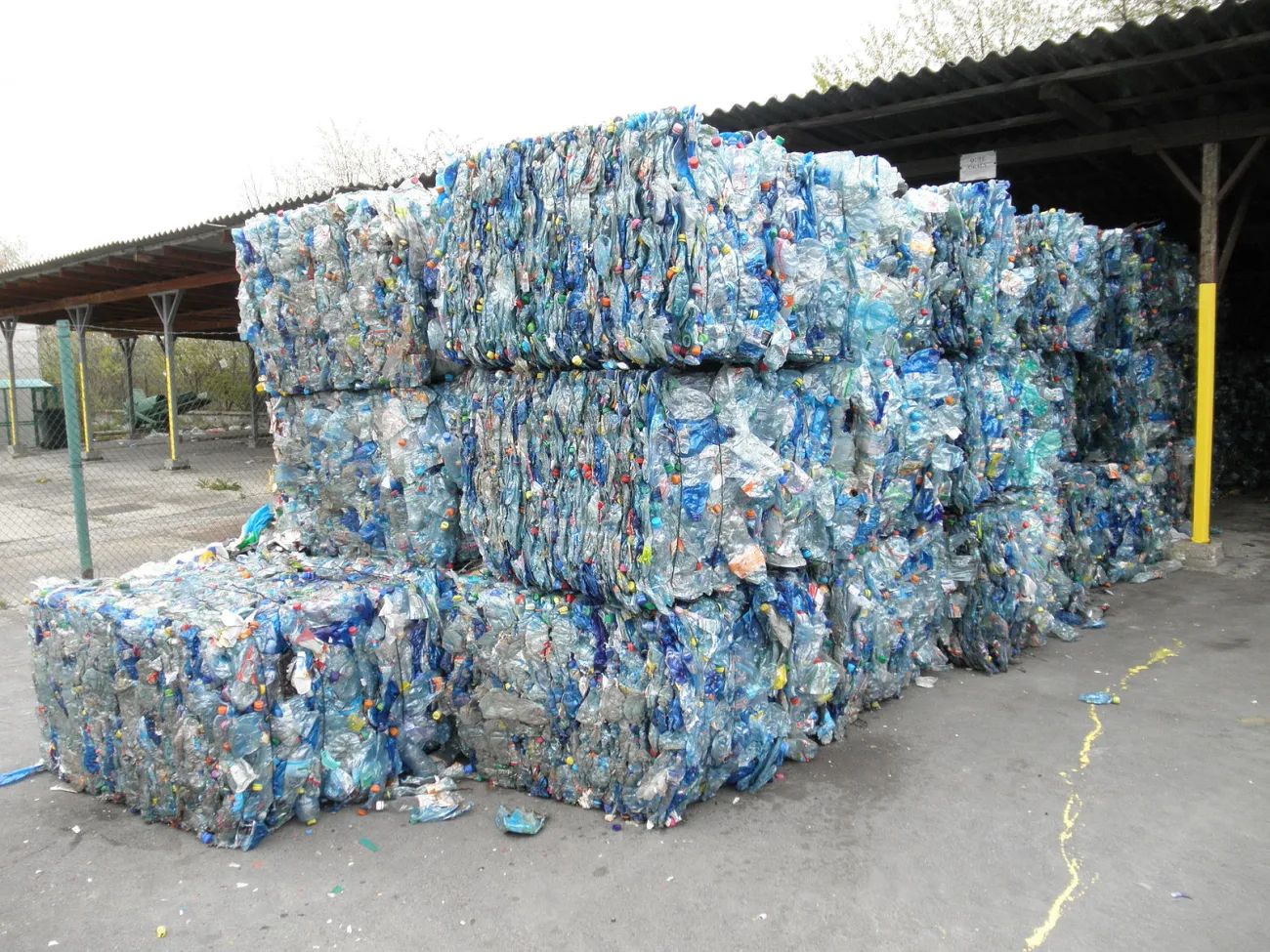
Image News and resources UK councils call for more recyclable food packaging The UK’s Local Government Association (LGA) has called for industry to stop creating non-recyclable food packaging, saying that “Councils have done all they can,” to tackle the issue of plastic recycling. The LGA has found that only one-third of plastic packaging used by households can be recycled. Read
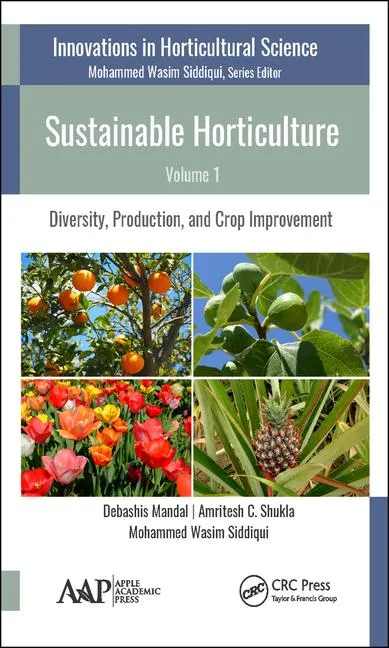
Image Books Sustainable horticulture, Volumes 1 and 2 These two books, edited by Debashis Mandal, Amritesh C. Shukla and Mohammed Wasim Siddiqui, outline current trends in research on sustainable horticulture. Volume 1 covers diversity, production, and crop improvement while Volume 2 covers food, health, and nutrition. Read
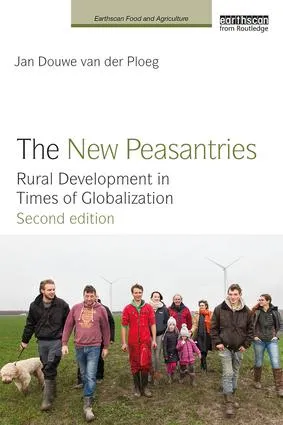
Image Books The new peasantries (second edition) This book, by Jan Douwe van der Ploeg, examines peasants and peasant farming, particularly how globalisation creates new forms of peasantry. Read