Image Resources Our extensive research library contains thousands of summaries of journal articles, reports and news stories that can be searched by keyword and category RESOURCES CATEGORY Books Briefing paper Event recording Featured articles Featured report Game Journal articles News and resources Reports Think piece Video Working paper Workshop summary Year 2026 2025 2024 2023 2022 2021 2020 2019 2018 2017 2016 2015 2014 2013 2012 2011 2010 2009 2008 2007 2002 2001 Image Books Food safety economics The book “Food Safety Economics - Incentives for a Safer Food Supply”, edited by Tanya Roberts, explores how regulations have affected the economic incentives influencing food safety. Read Image Books Sustainable solutions for food security This upcoming book, edited by Atanu Sarkar, Suman Ranjan Sensharma and Gary W. vanLoon, brings together examples of technological solutions and governance frameworks for sustainable food security. Read Image Reports Hormone-treated beef: Should Britain accept it after Brexit? In the latest of its Food Brexit Briefings, the Food Research Collaboration examines how UK food standards may be affected by post-Brexit trade deals - specifically, the case of hormone-treated beef, which is currently permitted in the United States but not in the European Union. The report points out that at least one of the hormones routinely used in US beef production is a cancer risk, and that there is not enough evidence to show that five other hormones are safe to use. Read Image Reports Ethical consumerism: an oxymoron? In a write-up of a meeting of its Business Forum, the Food Ethics Council asks whether the concept of “ethical consumerism” is adequate for addressing food system sustainability issues. The report points out that “ethical” can have many different meanings, that businesses can lack a cohesive sustainability strategy if they are too responsive to current trends on consumer concern, that focusing on consumers can neglect systemic problem, and that not all people can afford to prioritise ethical concerns when buying food. The report also offers some recommendations to businesses. Read Image Journal articles Bees develop a taste for pesticides When given a choice between food with or without an added neonicotinoid pesticide (thought to be harmful to bees), bees initially show no preference for the pesticide, but over time choose to feed on the pesticide-laced food. This means that pesticide-treated crops may become disproportionately attractive to bees, increasing the bees’ exposure to harmful compounds. The study did not identify the mechanism by which bees develop a preference for the pesticide. Read Image Journal articles Linking sustainability to the US dietary guidelines FCRN member Nicole Tichenor Blackstone of Tufts University has recently authored a paper that compares the environmental impacts of three healthy eating patterns recommended in the Dietary Guidelines for Americans. The vegetarian eating pattern had lower impacts than the US-style and Mediterranean-style eating patterns in all six impact categories considered. Read Image Journal articles US shift to grass-fed beef requires more cattle If the US were to shift to entirely grass-finished beef (vs. grain-finished), then the US cattle population would have to increase by 30% relative to today, because grass-fed cattle gain weight more slowly than those fattened in feedlots. Furthermore, existing pastures would have to become 40%-370% more productive to avoid converting more natural habitat to farmland or competition with human food supply. Methane emissions from the cattle’s digestive systems might increase by 43%, again because of slower growth rates. Read Image Journal articles Wealthy countries dominate industrial fishing The vast majority of industrial fishing (defined as fishing vessels of over 24 metres) is done by vessels that are registered to relatively wealthy countries, according to a recent paper. Vessels registered to high income and upper middle income countries (according to World Bank classifications) accounted for 97% of industrial fishing effort in international waters and 78% of industrial fishing effort in the national waters of poorer countries. China, Taiwan, Japan, South Korea, and Spain together account for most of the fishing effort. Read Image News and resources High tech scarecrow: Lasers deter birds from taking crops Lasers might replace poison or shotguns to stop birds from eating fruit crops, according to some farmers who have used automated laser systems to successfully defend their crops. The systems are also quieter than propane cannons and more reliable than trained falcons. However, it isn’t clear whether the lasers can harm birds’ eyes. Read VIEW MORE
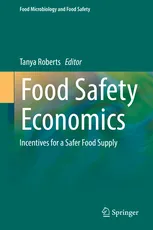
Image Books Food safety economics The book “Food Safety Economics - Incentives for a Safer Food Supply”, edited by Tanya Roberts, explores how regulations have affected the economic incentives influencing food safety. Read
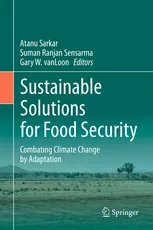
Image Books Sustainable solutions for food security This upcoming book, edited by Atanu Sarkar, Suman Ranjan Sensharma and Gary W. vanLoon, brings together examples of technological solutions and governance frameworks for sustainable food security. Read
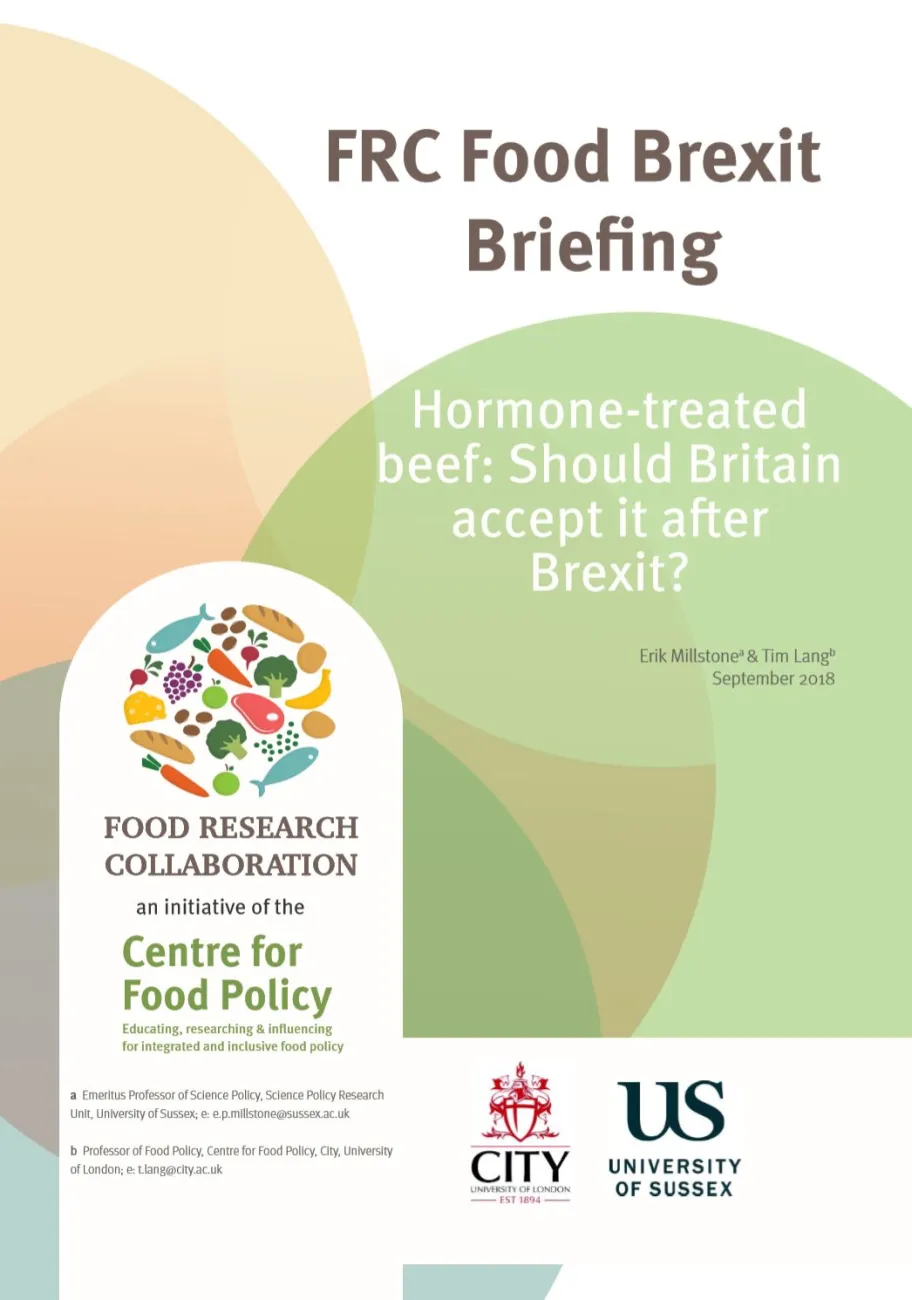
Image Reports Hormone-treated beef: Should Britain accept it after Brexit? In the latest of its Food Brexit Briefings, the Food Research Collaboration examines how UK food standards may be affected by post-Brexit trade deals - specifically, the case of hormone-treated beef, which is currently permitted in the United States but not in the European Union. The report points out that at least one of the hormones routinely used in US beef production is a cancer risk, and that there is not enough evidence to show that five other hormones are safe to use. Read
Image Reports Ethical consumerism: an oxymoron? In a write-up of a meeting of its Business Forum, the Food Ethics Council asks whether the concept of “ethical consumerism” is adequate for addressing food system sustainability issues. The report points out that “ethical” can have many different meanings, that businesses can lack a cohesive sustainability strategy if they are too responsive to current trends on consumer concern, that focusing on consumers can neglect systemic problem, and that not all people can afford to prioritise ethical concerns when buying food. The report also offers some recommendations to businesses. Read
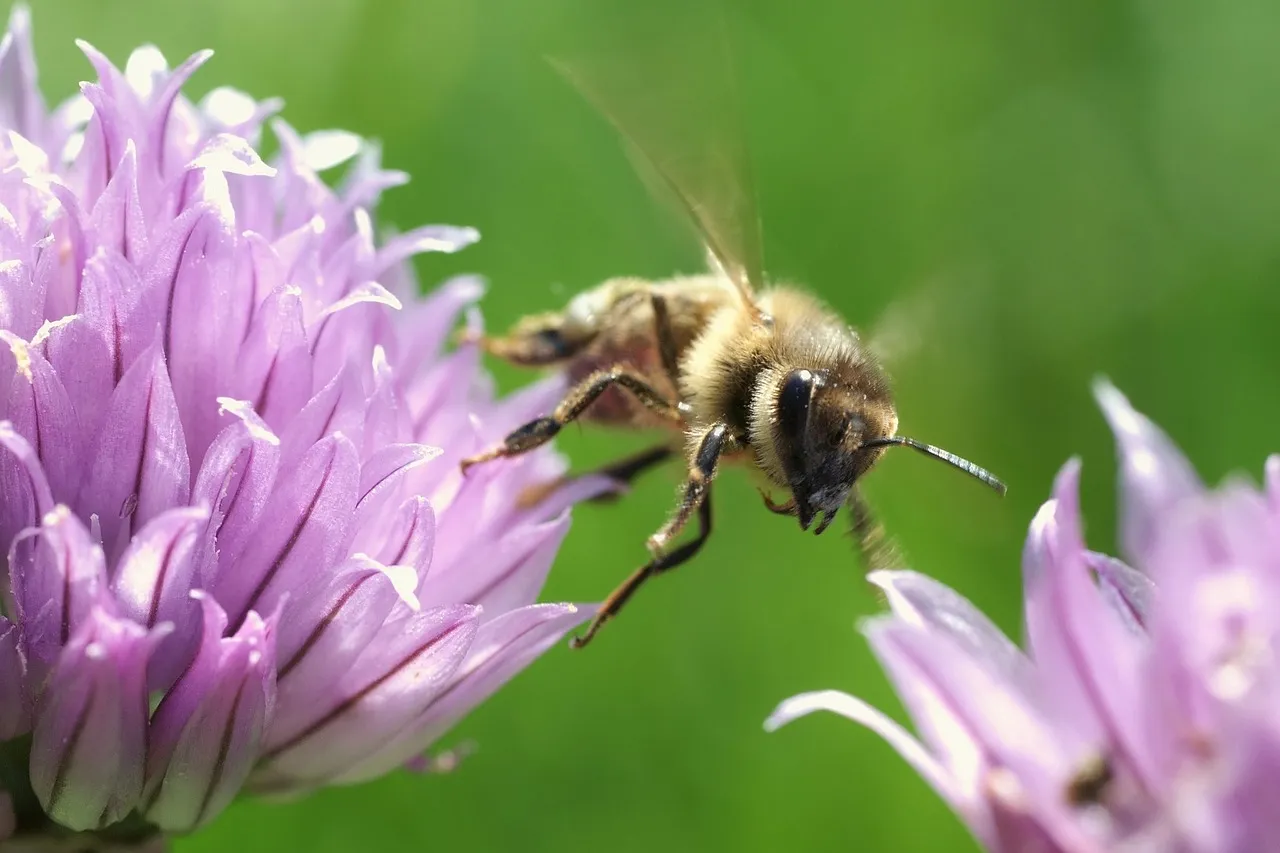
Image Journal articles Bees develop a taste for pesticides When given a choice between food with or without an added neonicotinoid pesticide (thought to be harmful to bees), bees initially show no preference for the pesticide, but over time choose to feed on the pesticide-laced food. This means that pesticide-treated crops may become disproportionately attractive to bees, increasing the bees’ exposure to harmful compounds. The study did not identify the mechanism by which bees develop a preference for the pesticide. Read
Image Journal articles Linking sustainability to the US dietary guidelines FCRN member Nicole Tichenor Blackstone of Tufts University has recently authored a paper that compares the environmental impacts of three healthy eating patterns recommended in the Dietary Guidelines for Americans. The vegetarian eating pattern had lower impacts than the US-style and Mediterranean-style eating patterns in all six impact categories considered. Read
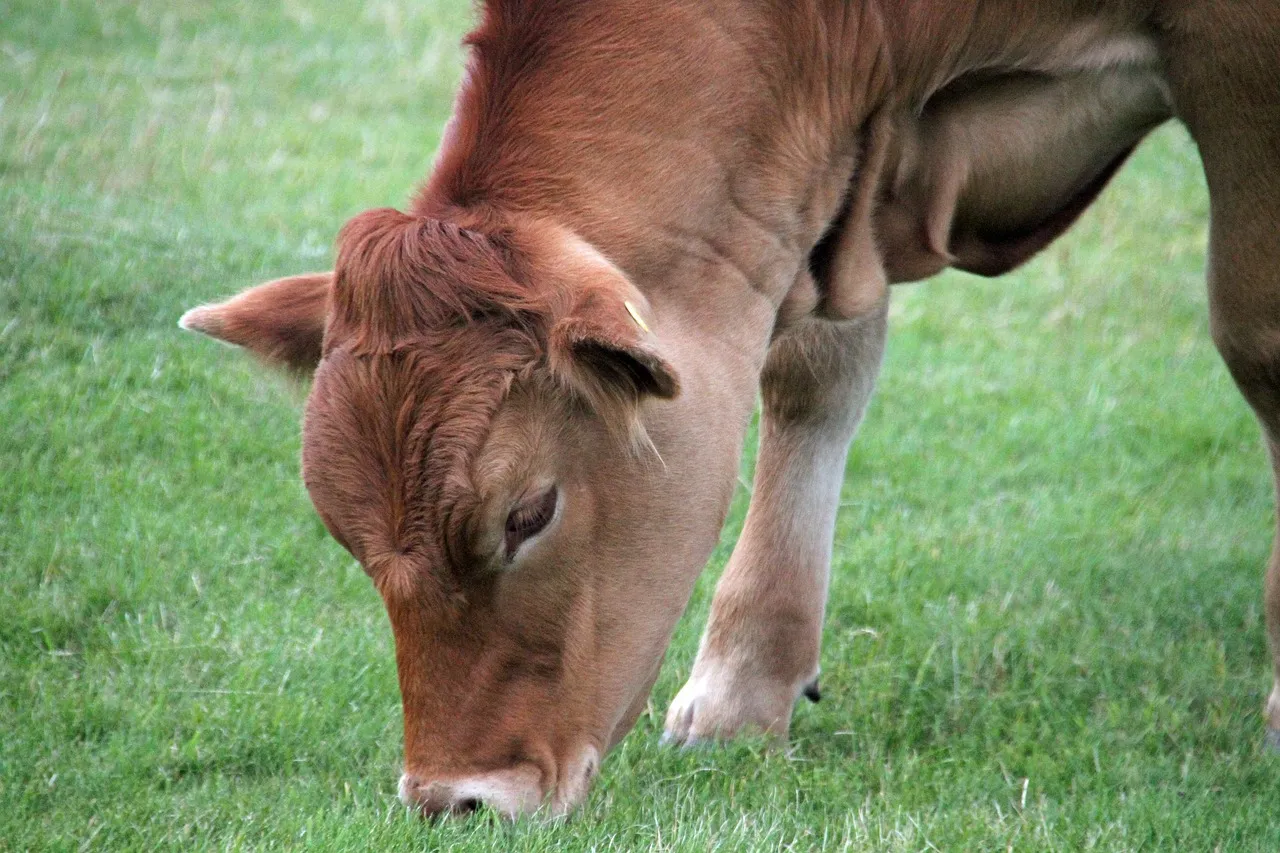
Image Journal articles US shift to grass-fed beef requires more cattle If the US were to shift to entirely grass-finished beef (vs. grain-finished), then the US cattle population would have to increase by 30% relative to today, because grass-fed cattle gain weight more slowly than those fattened in feedlots. Furthermore, existing pastures would have to become 40%-370% more productive to avoid converting more natural habitat to farmland or competition with human food supply. Methane emissions from the cattle’s digestive systems might increase by 43%, again because of slower growth rates. Read
Image Journal articles Wealthy countries dominate industrial fishing The vast majority of industrial fishing (defined as fishing vessels of over 24 metres) is done by vessels that are registered to relatively wealthy countries, according to a recent paper. Vessels registered to high income and upper middle income countries (according to World Bank classifications) accounted for 97% of industrial fishing effort in international waters and 78% of industrial fishing effort in the national waters of poorer countries. China, Taiwan, Japan, South Korea, and Spain together account for most of the fishing effort. Read
Image News and resources High tech scarecrow: Lasers deter birds from taking crops Lasers might replace poison or shotguns to stop birds from eating fruit crops, according to some farmers who have used automated laser systems to successfully defend their crops. The systems are also quieter than propane cannons and more reliable than trained falcons. However, it isn’t clear whether the lasers can harm birds’ eyes. Read