Image Resources Our extensive research library contains thousands of summaries of journal articles, reports and news stories that can be searched by keyword and category RESOURCES CATEGORY Books Briefing paper Event recording Featured articles Featured report Game Journal articles News and resources Reports Think piece Video Working paper Workshop summary Year 2026 2025 2024 2023 2022 2021 2020 2019 2018 2017 2016 2015 2014 2013 2012 2011 2010 2009 2008 2007 2002 2001 Image Journal articles A global agenda for collective action on soil carbon This commentary in Nature Sustainability discusses governance and initiatives for conserving and increasing soil organic carbon. Through a multi-stakeholder discussion group, the authors developed a global agenda for action on soil organic carbon. Read Image Journal articles Intensive agriculture driving worldwide decline of insects Over 40% of insect species are at risk of extinction over the next few decades and 75% to 98% of insect biomass has already been lost, according to this review of the current state of knowledge about insect declines, with habitat loss through conversion to intensive agriculture being the main driver. Agro-chemical pollutants, invasive species and climate change are also driving insect declines. Read Image News and resources Comment: Feed for thought This article on the environmental impacts of different types of animal feed (including fishmeal, soy, fava beans, algae and various forage crops) features commentary from FCRN member Sam Smith, who has contributed to the Feed Compass work by Forum for the Future. Read Image News and resources Machine learning to keep bee hives healthy Students at École Polytechnique Fédérale de Lausanne have created a machine learning algorithm to automatically count Varroa mites in beehives. The algorithm could help beekeepers monitor bee health more quickly and accurately. Read Image Books Weed control: sustainability, hazards, and risks This book discusses options for sustainable weed control for a variety of crops. Topics covered include the impacts of herbicides on people, soils and ecosystems, integrated weed management, and herbicide resistance. Read Image Books Food as a human right This book, by William D. Schanbacher, addresses ethical issues around access to food, outlines how the global food system works, and offers suggestions on how people can engage their communities and learn more about the foods they eat. Read Image Reports How climate change is impacting British fruit and vegetables This report from The Climate Coalition (a UK-based association of organisations with an interest in climate change) outlines how production of fruit and vegetables in the UK is threatened by extreme weather events made more likely by climate change. Read Image Reports Towards a common food policy for the EU This report from IPES Food argues for a new approach to governing food systems in Europe, where sustainability goals are integrated across policies for different sectors, including agriculture, trade, food safety, environment and research. Read Image Reports Intensification of animal farming in Europe 71% of European Union farmland is used to feed livestock and 18% to 20% of the EU’s total budget goes to livestock farms, according to this report by NGO Greenpeace. Read VIEW MORE
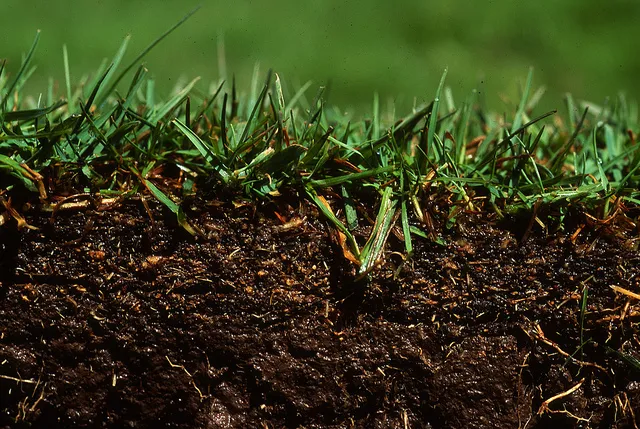
Image Journal articles A global agenda for collective action on soil carbon This commentary in Nature Sustainability discusses governance and initiatives for conserving and increasing soil organic carbon. Through a multi-stakeholder discussion group, the authors developed a global agenda for action on soil organic carbon. Read
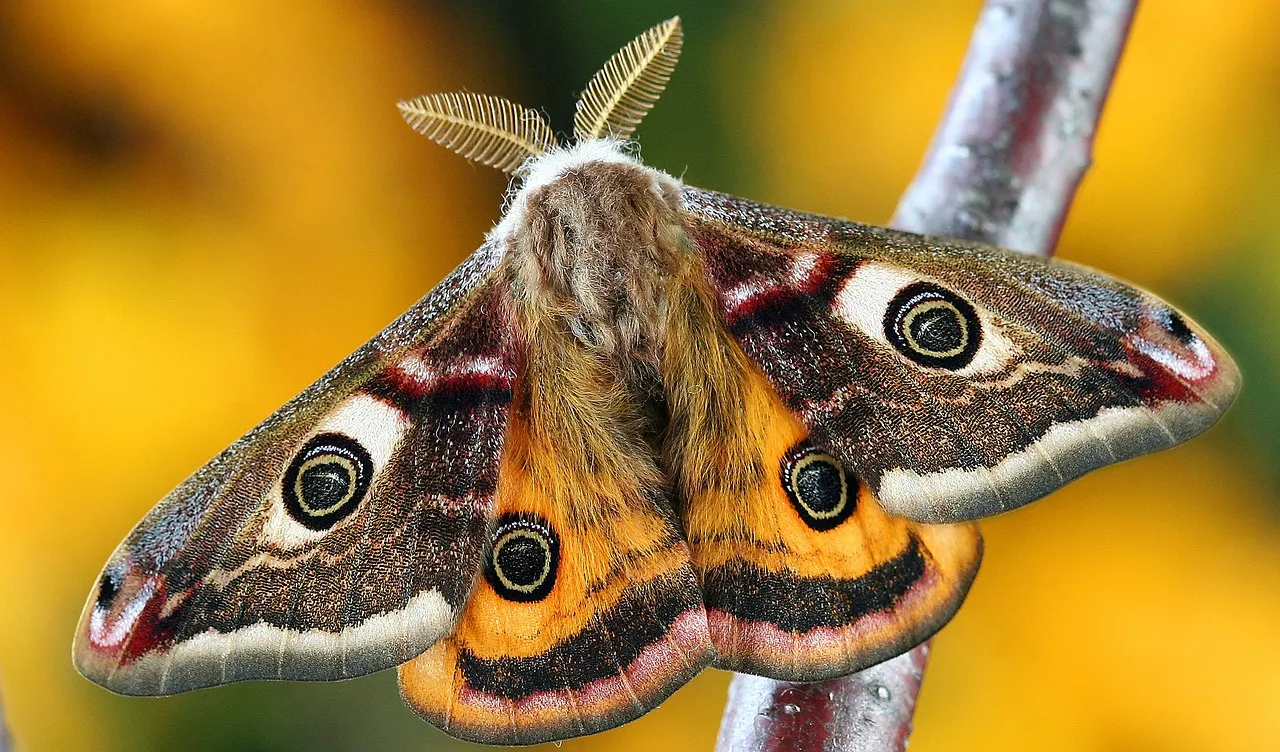
Image Journal articles Intensive agriculture driving worldwide decline of insects Over 40% of insect species are at risk of extinction over the next few decades and 75% to 98% of insect biomass has already been lost, according to this review of the current state of knowledge about insect declines, with habitat loss through conversion to intensive agriculture being the main driver. Agro-chemical pollutants, invasive species and climate change are also driving insect declines. Read
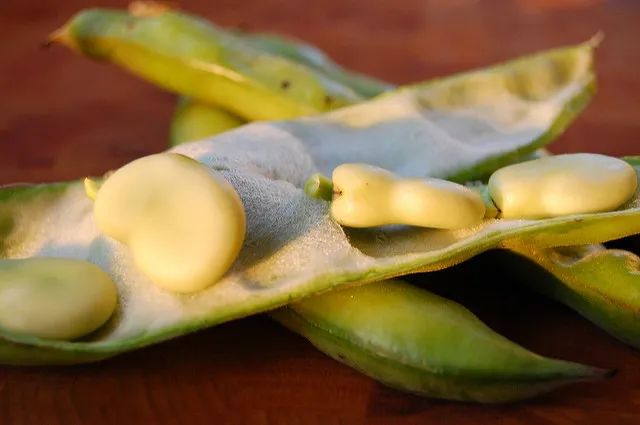
Image News and resources Comment: Feed for thought This article on the environmental impacts of different types of animal feed (including fishmeal, soy, fava beans, algae and various forage crops) features commentary from FCRN member Sam Smith, who has contributed to the Feed Compass work by Forum for the Future. Read
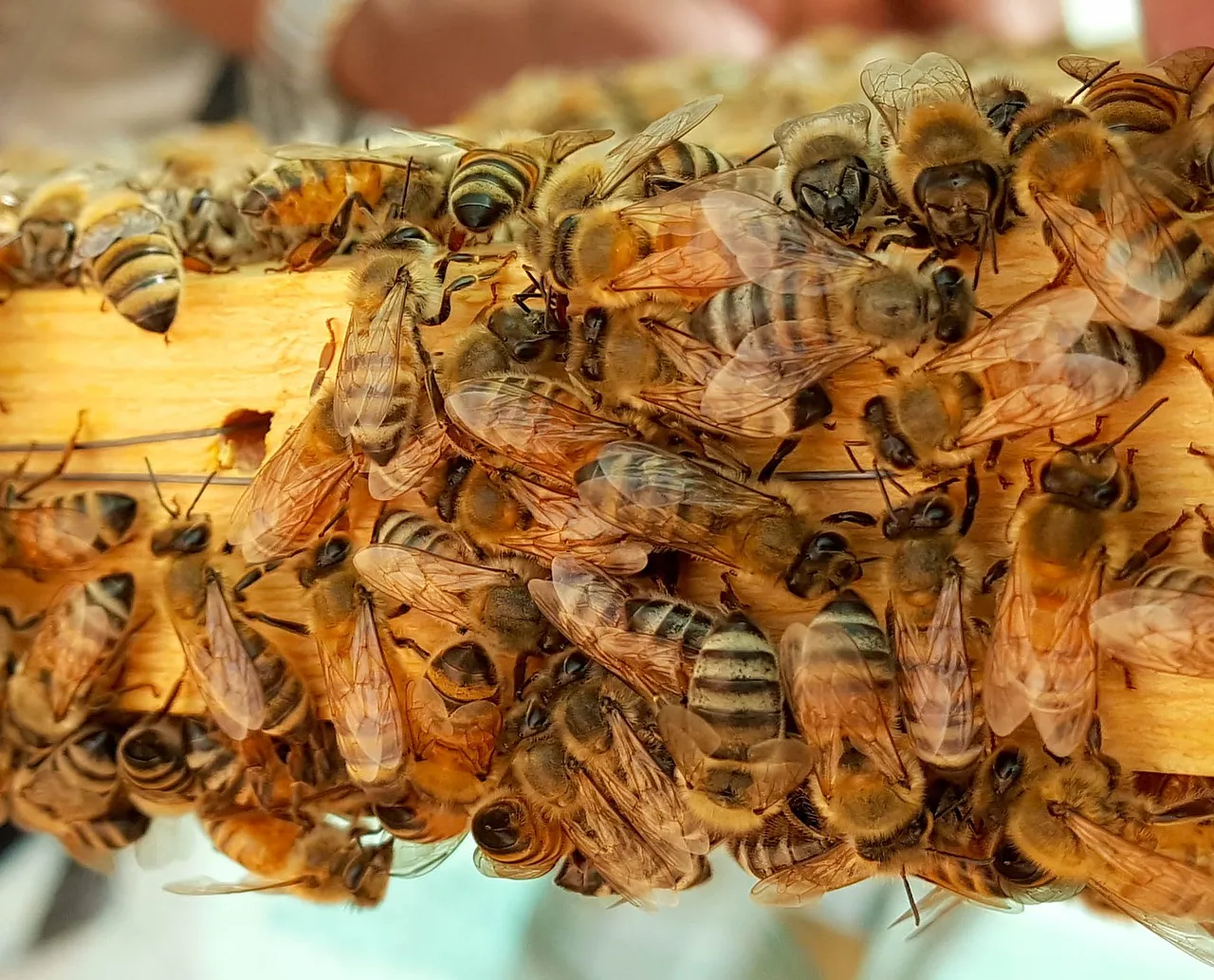
Image News and resources Machine learning to keep bee hives healthy Students at École Polytechnique Fédérale de Lausanne have created a machine learning algorithm to automatically count Varroa mites in beehives. The algorithm could help beekeepers monitor bee health more quickly and accurately. Read
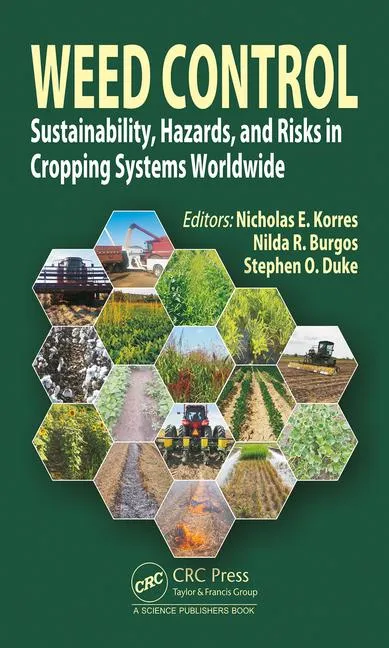
Image Books Weed control: sustainability, hazards, and risks This book discusses options for sustainable weed control for a variety of crops. Topics covered include the impacts of herbicides on people, soils and ecosystems, integrated weed management, and herbicide resistance. Read
Image Books Food as a human right This book, by William D. Schanbacher, addresses ethical issues around access to food, outlines how the global food system works, and offers suggestions on how people can engage their communities and learn more about the foods they eat. Read
Image Reports How climate change is impacting British fruit and vegetables This report from The Climate Coalition (a UK-based association of organisations with an interest in climate change) outlines how production of fruit and vegetables in the UK is threatened by extreme weather events made more likely by climate change. Read
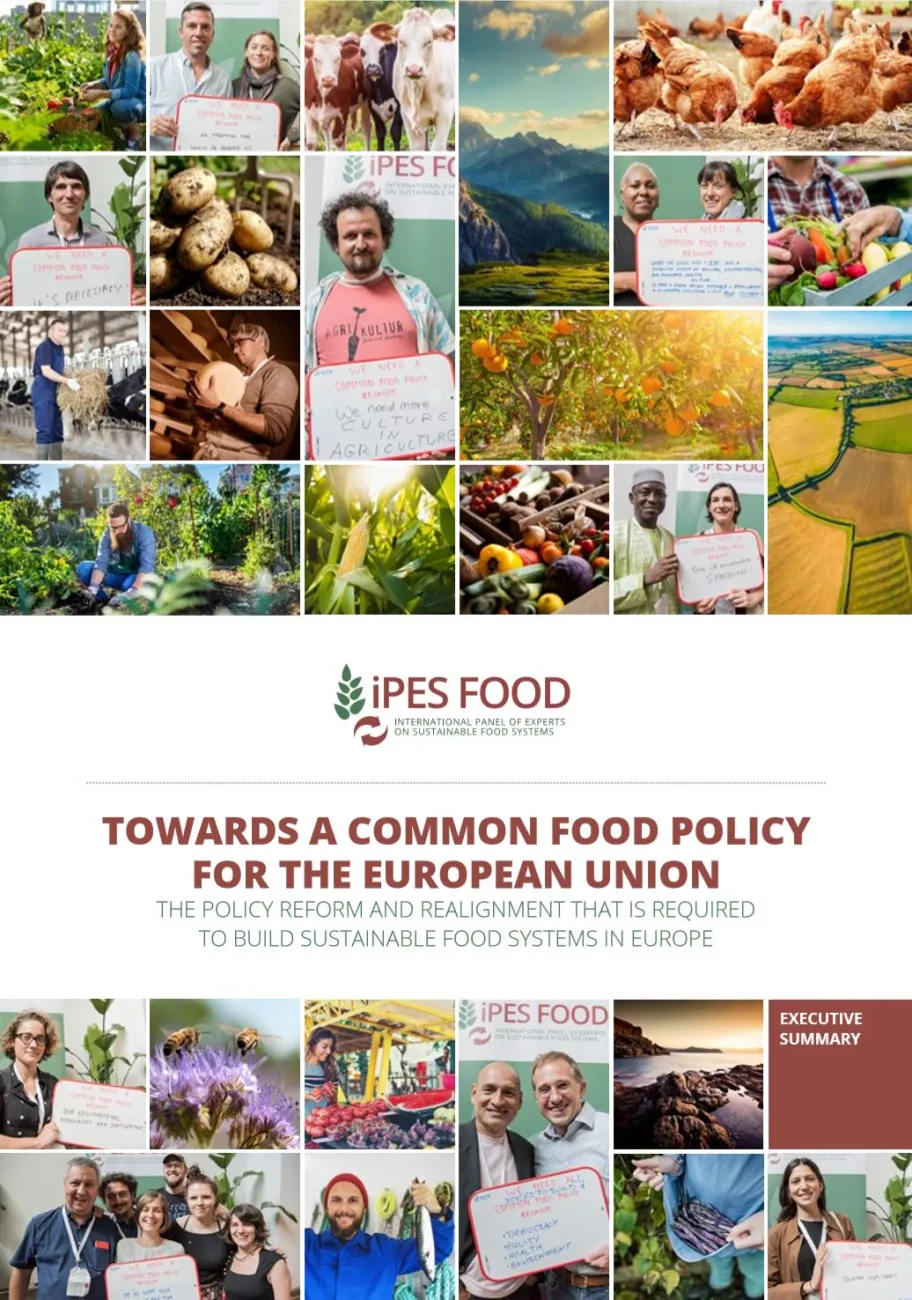
Image Reports Towards a common food policy for the EU This report from IPES Food argues for a new approach to governing food systems in Europe, where sustainability goals are integrated across policies for different sectors, including agriculture, trade, food safety, environment and research. Read
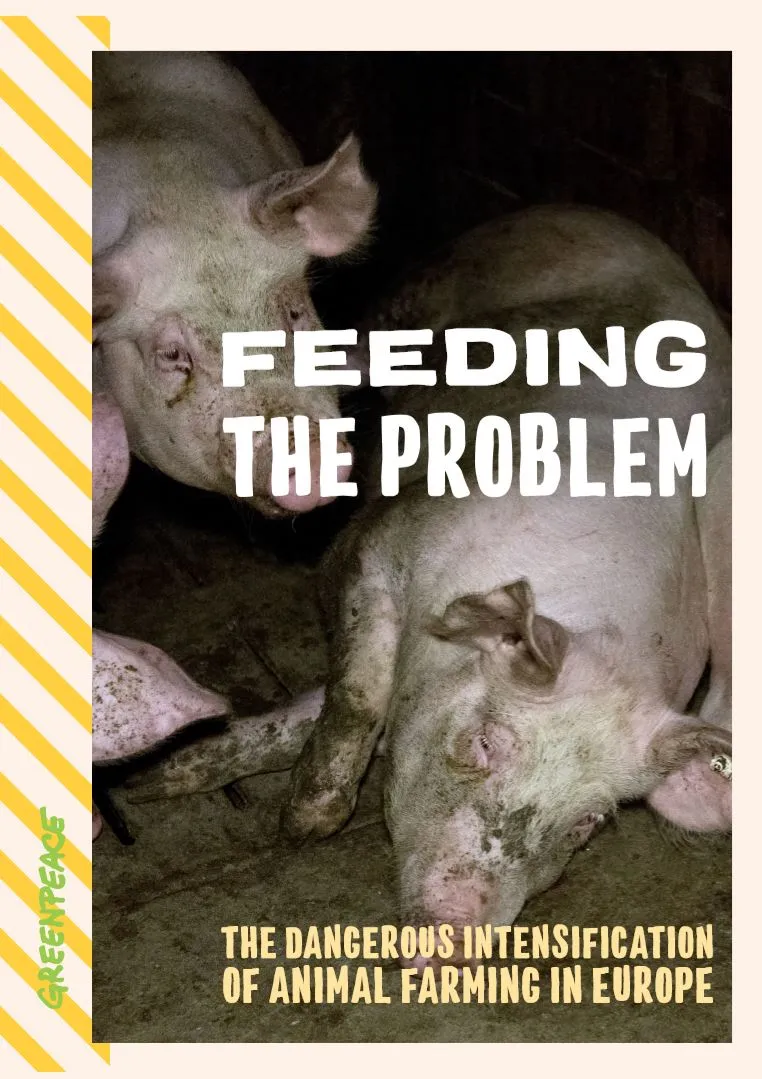
Image Reports Intensification of animal farming in Europe 71% of European Union farmland is used to feed livestock and 18% to 20% of the EU’s total budget goes to livestock farms, according to this report by NGO Greenpeace. Read