Image Resources Our extensive research library contains thousands of summaries of journal articles, reports and news stories that can be searched by keyword and category RESOURCES CATEGORY Books Briefing paper Event recording Featured articles Featured report Game Journal articles News and resources Reports Think piece Video Working paper Workshop summary Year 2026 2025 2024 2023 2022 2021 2020 2019 2018 2017 2016 2015 2014 2013 2012 2011 2010 2009 2008 2007 2002 2001 Image Reports Catalysing investment in sustainable aquaculture This report from US charity The Nature Conservancy explores how private investors can help to meet the demand for sustainable seafood by investing in new forms of aquaculture that have lower negative environmental impacts than conventional aquaculture. Read Image Reports E-agriculture in action: Blockchain for agriculture This publication from the Food and Agriculture Organisation of the United Nations explains what blockchain technology is and explores how it could be used in agriculture, for example in insurance, land registration or tracking supply chains. Read Image Reports Subsidy reform and distributive justice in fisheries This working paper from the UK-based policy research organisation International Institute for Environment and Development explores how fishing subsidies could be reformed to promote social equity and better environmental outcomes. Read Image Reports Future scenarios for fisheries under climate change This working paper from the UK-based policy research organisation International Institute for Environment and Development explores the costs and benefits of different scenarios for future governance of high seas fisheries (i.e. those in international waters) under a changing climate. Read Image Journal articles Nudging out support for a carbon tax According to this paper, survey participants were less likely to support implementing carbon taxes if they were also given the option of implementing a “green nudge” policy (making renewable energy plans the default option for residential consumers, but not compulsory). Read Image Journal articles Food security implications of climate change mitigation This modelling paper finds that strategies to mitigate climate change could put an additional 160 million people at risk of hunger by 2050, if they are not designed carefully. However, these trade-offs could be avoided at a cost of around 0.2% of GDP in 2050. Read Image Featured articles Geothermal photobioreactor could produce animal feed This paper, produced by the Centre for the Study of Existential Risk at the University of Cambridge, outlines a system that could produce animal feed with lower environmental impacts than conventional soybean production. The system combines LED lighting, indoor photobioreactors, atmospheric carbon capture and geothermal energy to produce an algae-based feed product. Read Image News and resources NZ’s zero carbon bill includes targets for agricultural methane New Zealand has introduced a new bill that aims to bring emissions of long-lived greenhouse gases to net zero by 2050. A separate target has been set for methane emissions from agriculture, with planned cuts of 10% by 2030 and 24% to 47% by 2050. Read Image News and resources New blog series: Brexit Briefings Update The UK’s Food Research Collaboration (FRC) has launched a new blog series, “Brexit Briefings Update”. The series aims to revisit policy areas already covered by the FRC’s Food Brexit Briefings series of papers (on food policy issues linked to the UK’s upcoming departure from the European Union), covering any updates that have occurred since publication. The first post in the series is “Farm animal welfare in the UK: setting the bar higher”. Read VIEW MORE
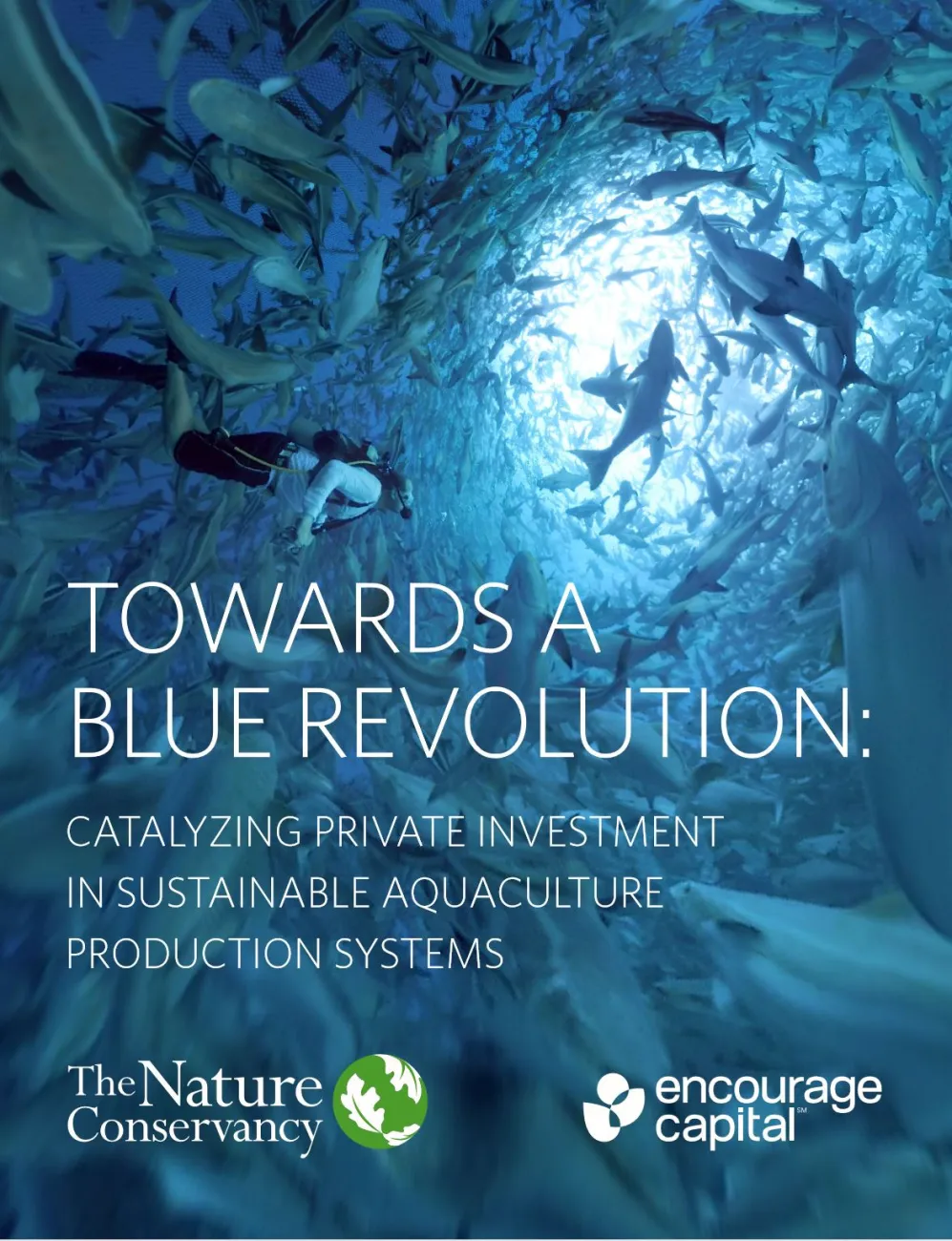
Image Reports Catalysing investment in sustainable aquaculture This report from US charity The Nature Conservancy explores how private investors can help to meet the demand for sustainable seafood by investing in new forms of aquaculture that have lower negative environmental impacts than conventional aquaculture. Read
Image Reports E-agriculture in action: Blockchain for agriculture This publication from the Food and Agriculture Organisation of the United Nations explains what blockchain technology is and explores how it could be used in agriculture, for example in insurance, land registration or tracking supply chains. Read
Image Reports Subsidy reform and distributive justice in fisheries This working paper from the UK-based policy research organisation International Institute for Environment and Development explores how fishing subsidies could be reformed to promote social equity and better environmental outcomes. Read
Image Reports Future scenarios for fisheries under climate change This working paper from the UK-based policy research organisation International Institute for Environment and Development explores the costs and benefits of different scenarios for future governance of high seas fisheries (i.e. those in international waters) under a changing climate. Read
Image Journal articles Nudging out support for a carbon tax According to this paper, survey participants were less likely to support implementing carbon taxes if they were also given the option of implementing a “green nudge” policy (making renewable energy plans the default option for residential consumers, but not compulsory). Read
Image Journal articles Food security implications of climate change mitigation This modelling paper finds that strategies to mitigate climate change could put an additional 160 million people at risk of hunger by 2050, if they are not designed carefully. However, these trade-offs could be avoided at a cost of around 0.2% of GDP in 2050. Read
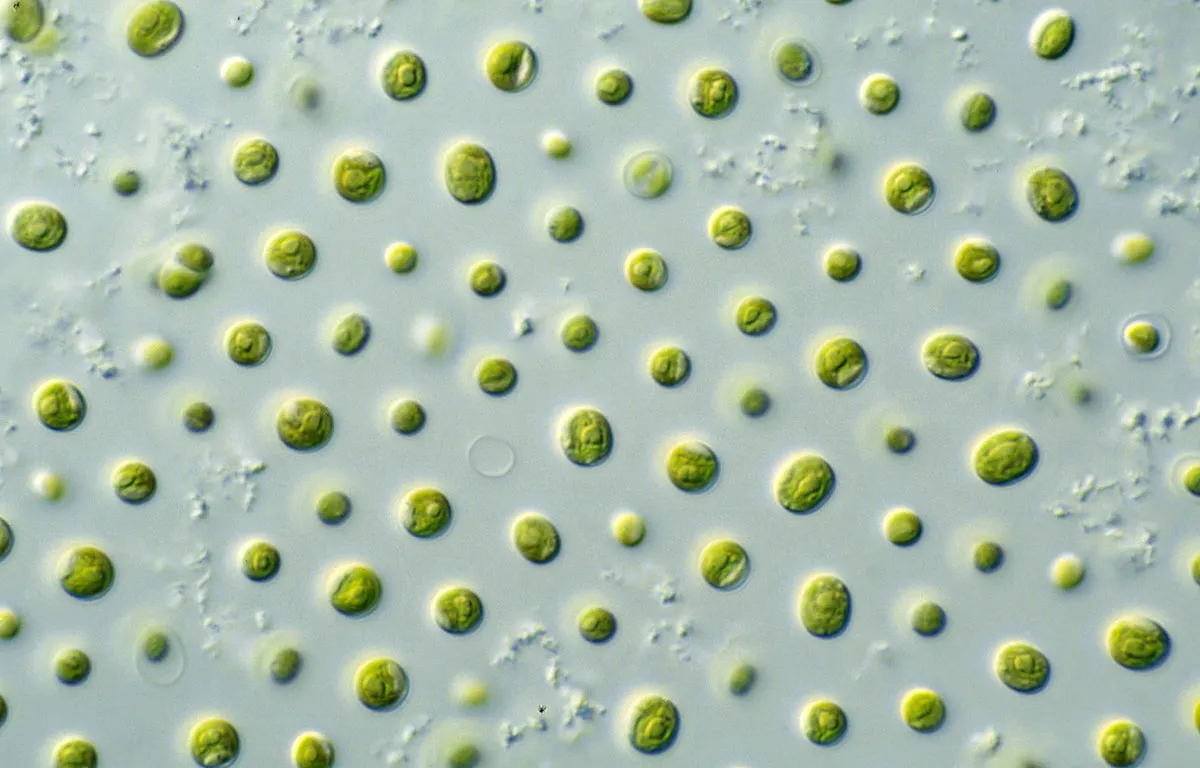
Image Featured articles Geothermal photobioreactor could produce animal feed This paper, produced by the Centre for the Study of Existential Risk at the University of Cambridge, outlines a system that could produce animal feed with lower environmental impacts than conventional soybean production. The system combines LED lighting, indoor photobioreactors, atmospheric carbon capture and geothermal energy to produce an algae-based feed product. Read
Image News and resources NZ’s zero carbon bill includes targets for agricultural methane New Zealand has introduced a new bill that aims to bring emissions of long-lived greenhouse gases to net zero by 2050. A separate target has been set for methane emissions from agriculture, with planned cuts of 10% by 2030 and 24% to 47% by 2050. Read
Image News and resources New blog series: Brexit Briefings Update The UK’s Food Research Collaboration (FRC) has launched a new blog series, “Brexit Briefings Update”. The series aims to revisit policy areas already covered by the FRC’s Food Brexit Briefings series of papers (on food policy issues linked to the UK’s upcoming departure from the European Union), covering any updates that have occurred since publication. The first post in the series is “Farm animal welfare in the UK: setting the bar higher”. Read