Image Resources Our extensive research library contains thousands of summaries of journal articles, reports and news stories that can be searched by keyword and category RESOURCES CATEGORY Books Briefing paper Event recording Featured articles Featured report Game Journal articles News and resources Reports Think piece Video Working paper Workshop summary Year 2026 2025 2024 2023 2022 2021 2020 2019 2018 2017 2016 2015 2014 2013 2012 2011 2010 2009 2008 2007 2002 2001 Image Journal articles Organic animal farms linked to farmland bird abundance According to this study of farmland birds in Finland, bird abundance is positively correlated with the nearby presence of organic animal farms, as well as the percentage of nearby field cover and the presence of natural grasslands. Read Image Featured articles Methane emissions from the US ammonia fertiliser industry Methane emissions from ammonia fertiliser manufacturing plants (which use natural gas as a feedstock and energy source) in the United States are around one hundred times higher than currently reported levels, according to this study. Researchers used a Google Street View car equipped with methane analysers to take measurements downwind of six ammonia fertiliser plants (there are only 23 such plants in the US). Read Image News and resources New Marine Conservation Zones created around England Following consultation with fishers and marine conservation experts, the UK government has created new Marine Conservation Zones around the English coast, taking the UK’s total protected areas of ocean to over twice the size of England. However, some critics question whether the protected areas are actually beneficial to wildlife. Read Image Books Food and sustainability in the twenty-first century This book offers a cross-disciplinary collection of perspectives on the many sustainability issues facing the global food system today. Topics include food insecurity, healthy diets, organic food, food among refugees and food waste management strategies. Read Image Books Designing urban food policies This open access book offers an analysis of urban food policies with reference to policy levers and food system sustainability issues. Read Image Reports Rewilding in the UK and climate breakdown This report from UK charity Rewilding Britain argues that rewilding peatlands, heathland, native woodlands, saltmarshes, wetlands and coastal waters in the UK could sequester carbon and also produce other benefits such as flood mitigation, enhanced biodiversity and water quality improvement. Read Image Reports Tackling food systems challenges: the role of food policy This briefing from the Centre for Food Policy at City, University of London outlines the history and importance of food policies (such as mandatory health warning labels, dietary guidelines, or bans on destroying food waste) in influencing the food system. Read Image Reports Fork in the road This report details the findings of a seven-month bike tour of rural communities in the UK carried out by the RSA Food Farming & Countryside Commission. It gives an account of rural life in the UK, covering topics such as extreme weather (and its impact on farming), housing prices, flood risk, sheep farming, closure of rural businesses and the potential impact of Brexit on trading across the Northern Irish border with the Republic of Ireland. Read Image Reports Land for the many This report, commissioned by the UK’s Labour Party, proposes major reforms in land governance in the UK including the establishment of a Common Ground Trust (see below). FCRN readers may be particularly interested in the report’s recommendations surrounding agriculture and farmland. Read VIEW MORE
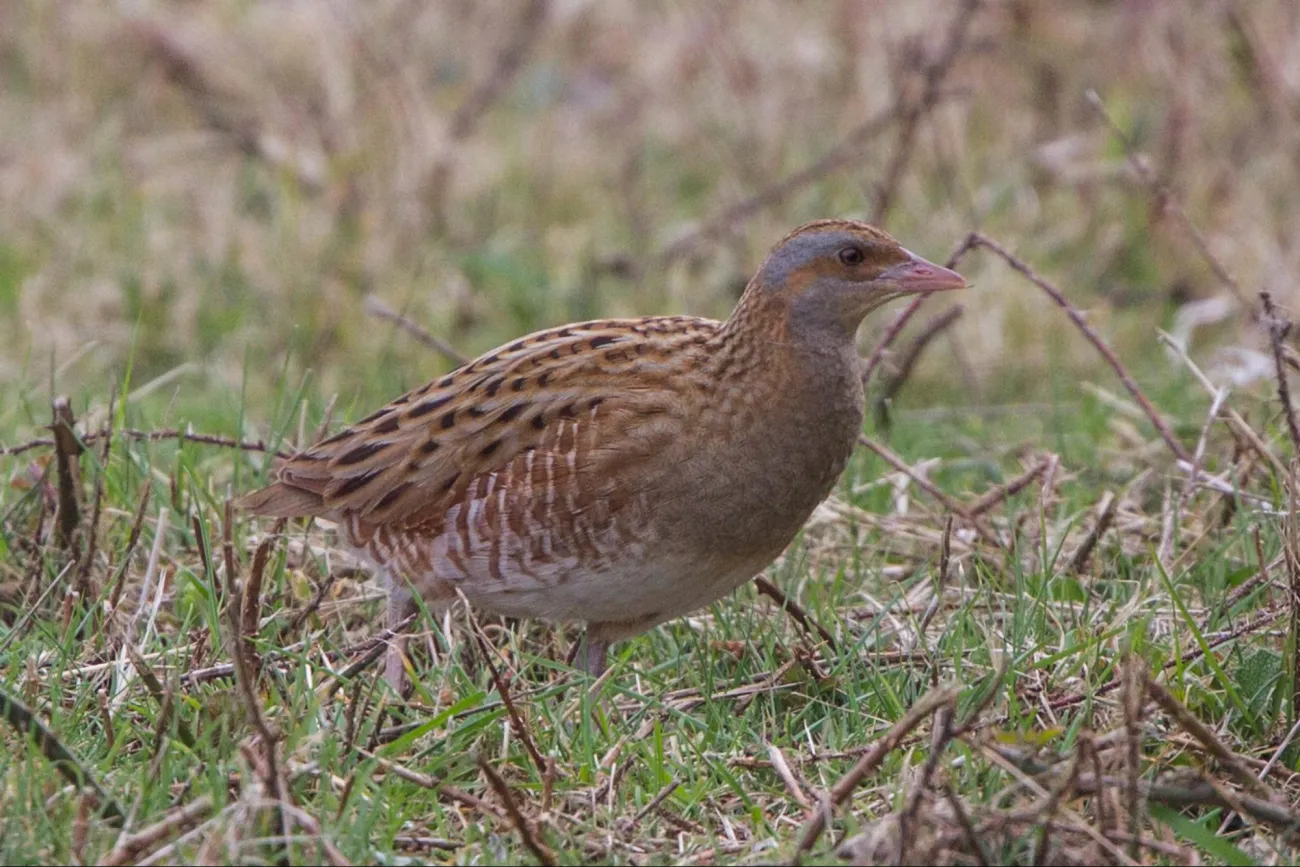
Image Journal articles Organic animal farms linked to farmland bird abundance According to this study of farmland birds in Finland, bird abundance is positively correlated with the nearby presence of organic animal farms, as well as the percentage of nearby field cover and the presence of natural grasslands. Read
Image Featured articles Methane emissions from the US ammonia fertiliser industry Methane emissions from ammonia fertiliser manufacturing plants (which use natural gas as a feedstock and energy source) in the United States are around one hundred times higher than currently reported levels, according to this study. Researchers used a Google Street View car equipped with methane analysers to take measurements downwind of six ammonia fertiliser plants (there are only 23 such plants in the US). Read
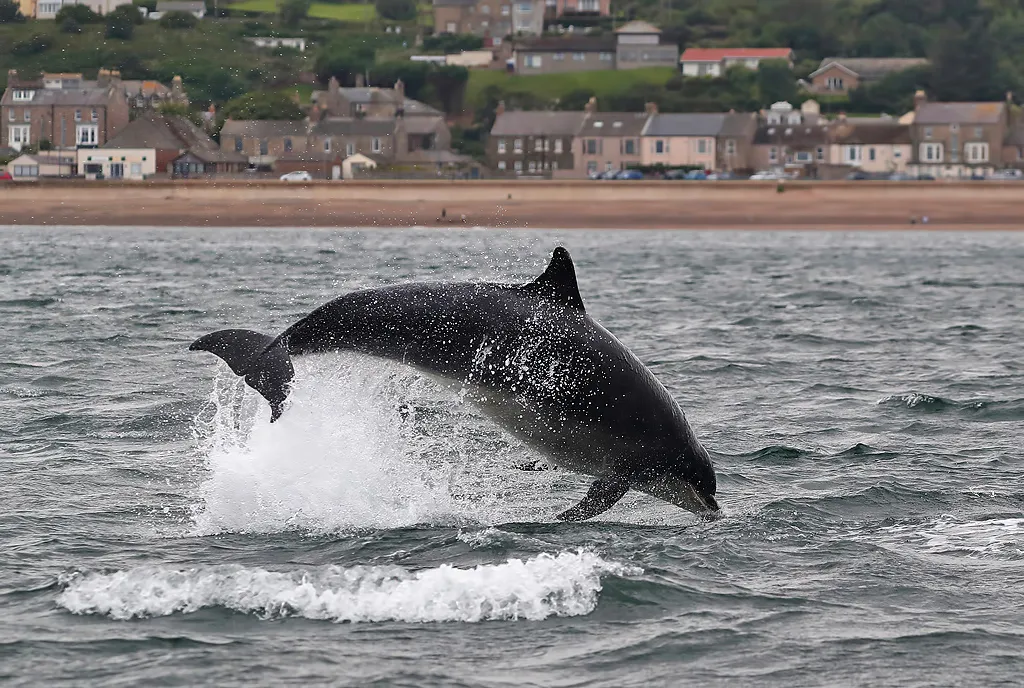
Image News and resources New Marine Conservation Zones created around England Following consultation with fishers and marine conservation experts, the UK government has created new Marine Conservation Zones around the English coast, taking the UK’s total protected areas of ocean to over twice the size of England. However, some critics question whether the protected areas are actually beneficial to wildlife. Read
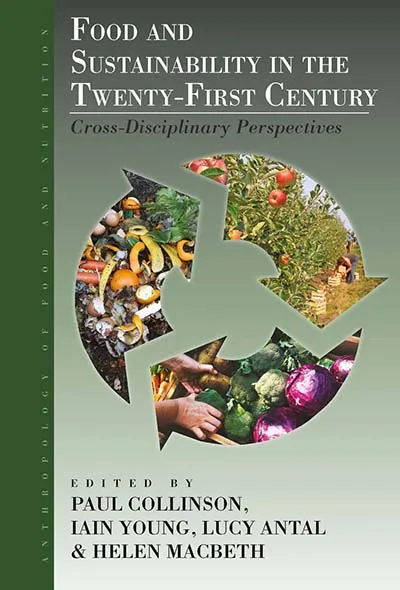
Image Books Food and sustainability in the twenty-first century This book offers a cross-disciplinary collection of perspectives on the many sustainability issues facing the global food system today. Topics include food insecurity, healthy diets, organic food, food among refugees and food waste management strategies. Read
Image Books Designing urban food policies This open access book offers an analysis of urban food policies with reference to policy levers and food system sustainability issues. Read
Image Reports Rewilding in the UK and climate breakdown This report from UK charity Rewilding Britain argues that rewilding peatlands, heathland, native woodlands, saltmarshes, wetlands and coastal waters in the UK could sequester carbon and also produce other benefits such as flood mitigation, enhanced biodiversity and water quality improvement. Read
Image Reports Tackling food systems challenges: the role of food policy This briefing from the Centre for Food Policy at City, University of London outlines the history and importance of food policies (such as mandatory health warning labels, dietary guidelines, or bans on destroying food waste) in influencing the food system. Read
Image Reports Fork in the road This report details the findings of a seven-month bike tour of rural communities in the UK carried out by the RSA Food Farming & Countryside Commission. It gives an account of rural life in the UK, covering topics such as extreme weather (and its impact on farming), housing prices, flood risk, sheep farming, closure of rural businesses and the potential impact of Brexit on trading across the Northern Irish border with the Republic of Ireland. Read
Image Reports Land for the many This report, commissioned by the UK’s Labour Party, proposes major reforms in land governance in the UK including the establishment of a Common Ground Trust (see below). FCRN readers may be particularly interested in the report’s recommendations surrounding agriculture and farmland. Read