Image Resources Our extensive research library contains thousands of summaries of journal articles, reports and news stories that can be searched by keyword and category RESOURCES CATEGORY Books Briefing paper Event recording Featured articles Featured report Game Journal articles News and resources Reports Think piece Video Working paper Workshop summary Year 2026 2025 2024 2023 2022 2021 2020 2019 2018 2017 2016 2015 2014 2013 2012 2011 2010 2009 2008 2007 2002 2001 Image News and resources Interactive feature: Fishmeal This interactive feature from the Global Reporting Program, an investigative journalism organisation, uses text, images and video to explore the fishmeal supply chain, including its sources, its uses in aquaculture, overfishing, waste sludge from fishmeal factories and competition between industrial fishmeal producers and small-scale fish processors. Read Image News and resources Open letter: UK trade deals must consider environment In an open letter, the RSA Food, Farming and Countryside Commission urges the Secretaries of State in several UK government departments (including Defra, International Trade, Health, Business, and International Development) to consider the environmental implications of any future trade deals, in particular to avoid “offshoring” impacts to countries with weaker environmental standards. Read Image Books Green extraction of by-products from food processing This book presents case studies and guidance on extracting high-value compounds from waste and by-products from foods such as dairy, meat, sweet potato, cereals and olive oil. Read Image Books Arsenic in drinking water and food This book examines how people can be exposed to arsenic through drinking water and different types of food in several areas of the world, and sets out some strategies to reduce arsenic accumulation in rice. Read Image Reports Food companies and the alternative protein boom This report from Farm Animal Investment Risk and Return (FAIRR) (a London-based investor initiative focused on the environmental, social and ethical issues of factory farming) estimates that the global meat substitute market is worth almost $20 billion and is predicted to grow by 7-9% annually. Read Image Reports Genetically engineered animals: From lab to factory farm This report from environmental NGO Friends of the Earth US outlines the health, environmental, ethical and consumer concerns associated with research into genetically engineered livestock. It notes that gene editing can lead to unintended effects, such as unintended modification of portions of DNA, enlarged tongues in rabbits, extra vertebrae in pigs, and novel proteins produced in error (which could result in allergic reactions). Read Image Reports Food Hubs in the UK: Where are we and what next? This discussion paper from the Food Research Collaboration examines “food hubs”, which it defines as “entities that sit between people who produce food and people who use it”, and asks what they are, what they are for and why we need them. Read Image Reports Harnessing the power of food citizenship The Food Ethics Council has published a report on food citizenship, which it defines as a growing movement of people acting as interdependent participants in our food systems, not just as producers or consumers in linear supply chains. Read Image Journal articles Impacts of offering more vegetarian meals in cafeterias This paper by FCRN member Emma Garnett finds that doubling the availability of vegetarian lunchtime meal options (from one-in-four to two-in-four) in university cafeterias increases vegetarian sales by 40-80%, with little change to overall sales and no detectable rebound effects (such as lower vegetarian meal sales at other meal times such as evening meals). Read VIEW MORE
Image News and resources Interactive feature: Fishmeal This interactive feature from the Global Reporting Program, an investigative journalism organisation, uses text, images and video to explore the fishmeal supply chain, including its sources, its uses in aquaculture, overfishing, waste sludge from fishmeal factories and competition between industrial fishmeal producers and small-scale fish processors. Read
Image News and resources Open letter: UK trade deals must consider environment In an open letter, the RSA Food, Farming and Countryside Commission urges the Secretaries of State in several UK government departments (including Defra, International Trade, Health, Business, and International Development) to consider the environmental implications of any future trade deals, in particular to avoid “offshoring” impacts to countries with weaker environmental standards. Read
Image Books Green extraction of by-products from food processing This book presents case studies and guidance on extracting high-value compounds from waste and by-products from foods such as dairy, meat, sweet potato, cereals and olive oil. Read
Image Books Arsenic in drinking water and food This book examines how people can be exposed to arsenic through drinking water and different types of food in several areas of the world, and sets out some strategies to reduce arsenic accumulation in rice. Read
Image Reports Food companies and the alternative protein boom This report from Farm Animal Investment Risk and Return (FAIRR) (a London-based investor initiative focused on the environmental, social and ethical issues of factory farming) estimates that the global meat substitute market is worth almost $20 billion and is predicted to grow by 7-9% annually. Read
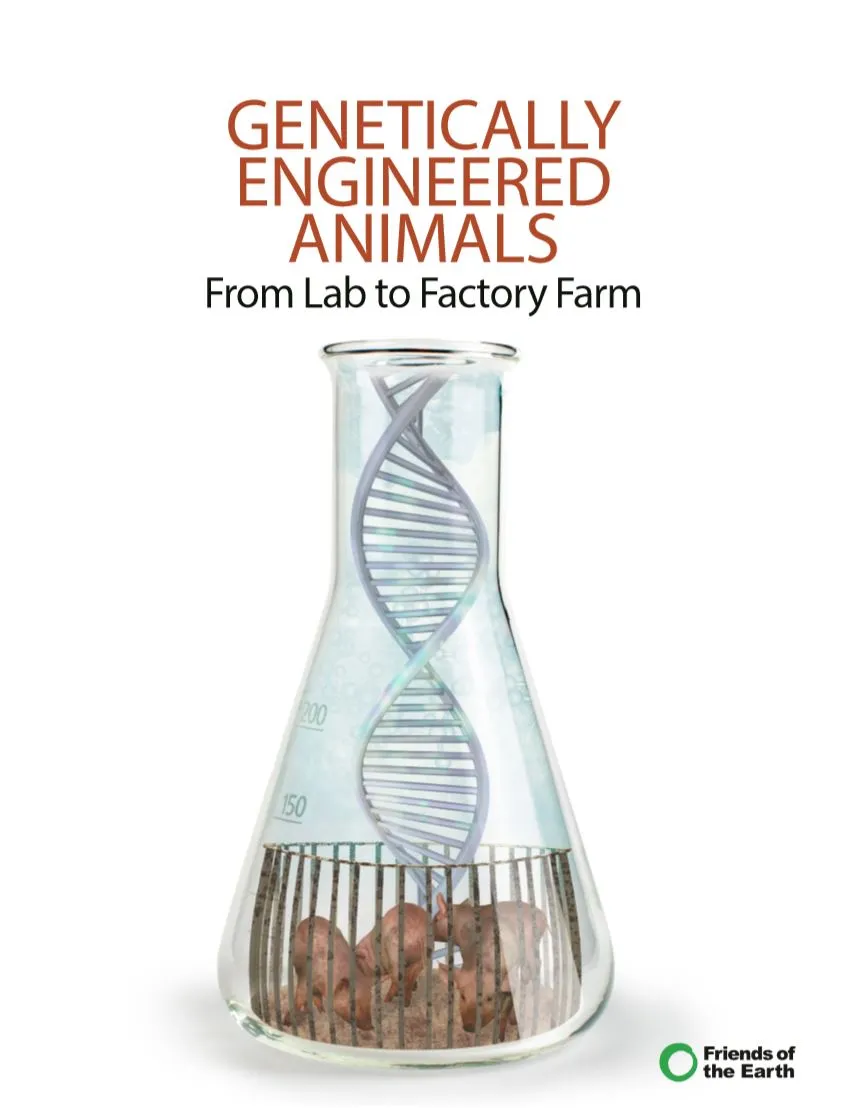
Image Reports Genetically engineered animals: From lab to factory farm This report from environmental NGO Friends of the Earth US outlines the health, environmental, ethical and consumer concerns associated with research into genetically engineered livestock. It notes that gene editing can lead to unintended effects, such as unintended modification of portions of DNA, enlarged tongues in rabbits, extra vertebrae in pigs, and novel proteins produced in error (which could result in allergic reactions). Read
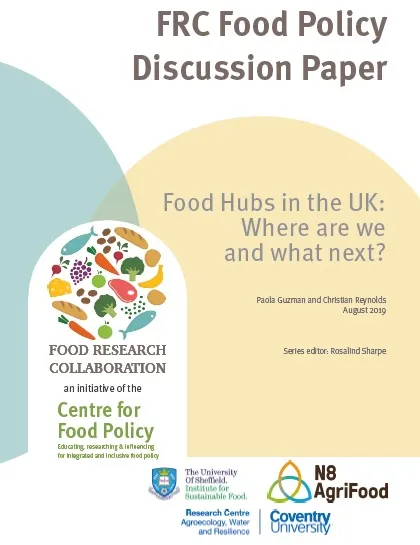
Image Reports Food Hubs in the UK: Where are we and what next? This discussion paper from the Food Research Collaboration examines “food hubs”, which it defines as “entities that sit between people who produce food and people who use it”, and asks what they are, what they are for and why we need them. Read
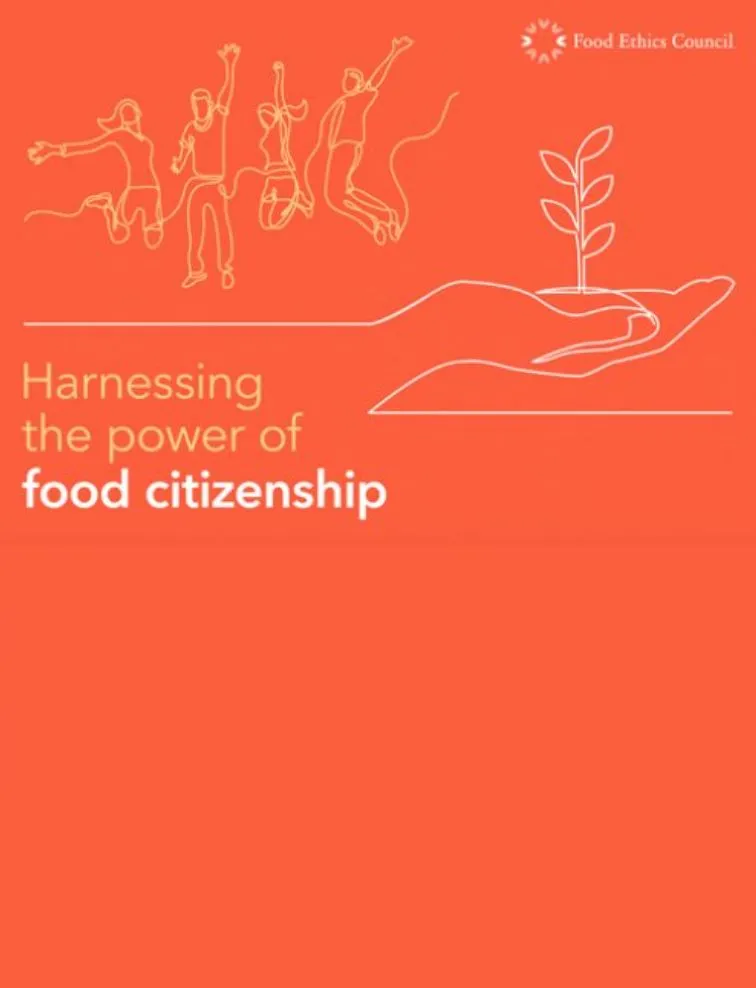
Image Reports Harnessing the power of food citizenship The Food Ethics Council has published a report on food citizenship, which it defines as a growing movement of people acting as interdependent participants in our food systems, not just as producers or consumers in linear supply chains. Read
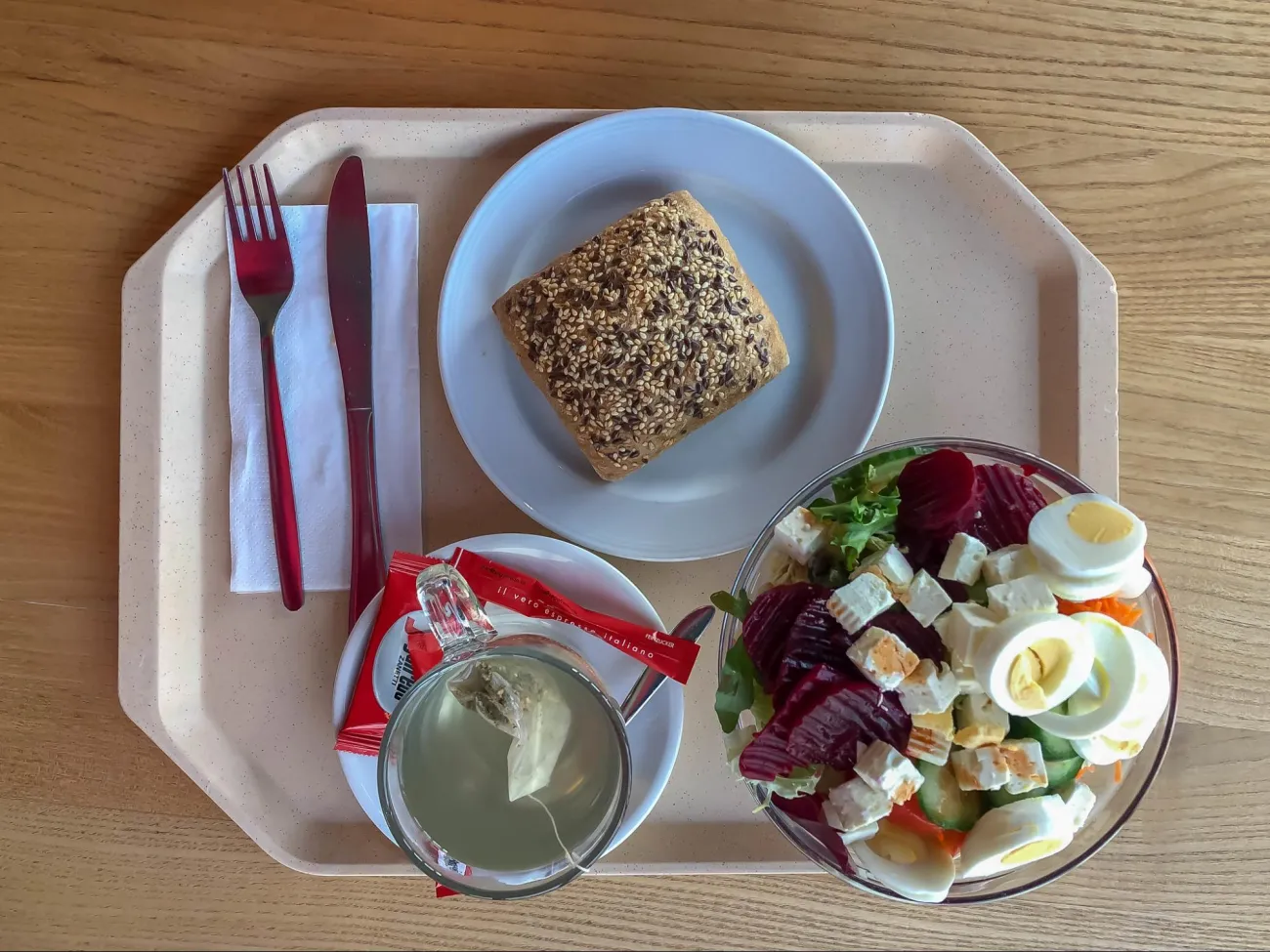
Image Journal articles Impacts of offering more vegetarian meals in cafeterias This paper by FCRN member Emma Garnett finds that doubling the availability of vegetarian lunchtime meal options (from one-in-four to two-in-four) in university cafeterias increases vegetarian sales by 40-80%, with little change to overall sales and no detectable rebound effects (such as lower vegetarian meal sales at other meal times such as evening meals). Read