Image Resources Our extensive research library contains thousands of summaries of journal articles, reports and news stories that can be searched by keyword and category RESOURCES CATEGORY Books Briefing paper Event recording Featured articles Featured report Game Journal articles News and resources Reports Think piece Video Working paper Workshop summary Year 2026 2025 2024 2023 2022 2021 2020 2019 2018 2017 2016 2015 2014 2013 2012 2011 2010 2009 2008 2007 2002 2001 Image Reports Productivity growth for sustainable diets The 2019 edition of the Global Agricultural Productivity Report from Virginia Tech University emphasises the systemic nature of the many challenges facing food, health and environment and calls for increased agricultural productivity as a way of meeting future food demand sustainably. Read Image Reports How to avoid detonating the Amazon carbon bomb This policy brief from the US non-profit think tank Peterson Institute for International Economics argues that the Amazon rainforest could reach a “tipping point” as soon as 2021, where deforestation means that the forest no longer generates enough rain to support itself and the forest begins to release large amounts of carbon instead of storing it. Read Image Reports The Cocktail Effect: Pesticide mixtures According to this report from UK charity the Pesticide Action Network and the Soil Association, mixtures of pesticides can be more harmful to human health than the sum of the toxicity of the individual pesticides would suggest. Read Image Reports Fixing the business of food This report explains how the Barilla Centre for Food & Nutrition, the UN Sustainable Development Solutions Network, the Columbia Centre on Sustainable Investment, and the Santa Chiara Lab of the University of Siena have helped the food industry move towards alignment with the Sustainable Development Goals and the Paris Climate Agreement. Read Image Journal articles Contribution of the land sector to a 1.5°C world This review article finds that transforming the land sector (including agriculture, forestry, wetlands and bioenergy) could “feasibly and sustainably” contribute around one third of the emissions reductions needed to stay under 1.5°C of climate change. Read Image Featured articles Organic UK farming could increase overseas emissions FCRN members Laurence Smith and Adrian Williams co-authored this paper, which finds that converting all food production in England and Wales to organic farming would reduce direct agricultural emissions in the UK, but would cause higher emissions from overseas farming due to lower yields in England and Wales. Read Image News and resources Taylor & Francis Zero Hunger online collection Taylor & Francis have launched Sustainable Development Goals Online (SDGO), a curated library to support the United Nations' call to action to end poverty, fight inequality and injustice, and protect the planet. This interdisciplinary collection of digital content includes more than 12,000 selected articles and chapters, including the Zero Hunger collection with nearly 1000 items relating to SDG 2 to end hunger, achieve food security and improved nutrition, and promote sustainable agriculture. Read Image News and resources Opinion: Tackling climate crisis requires reshaping food system In this opinion piece in the Guardian newspaper, Jess Fanzo and Mario Herrero argue that food producers, consumers and governments all need to make changes to help reduce the climate impact of the food system. Read Image Books Assessing the environmental impact of agriculture This book summarises current best practice in using life cycle assessment to quantify and improve the environmental impacts of different agricultural systems. Read VIEW MORE
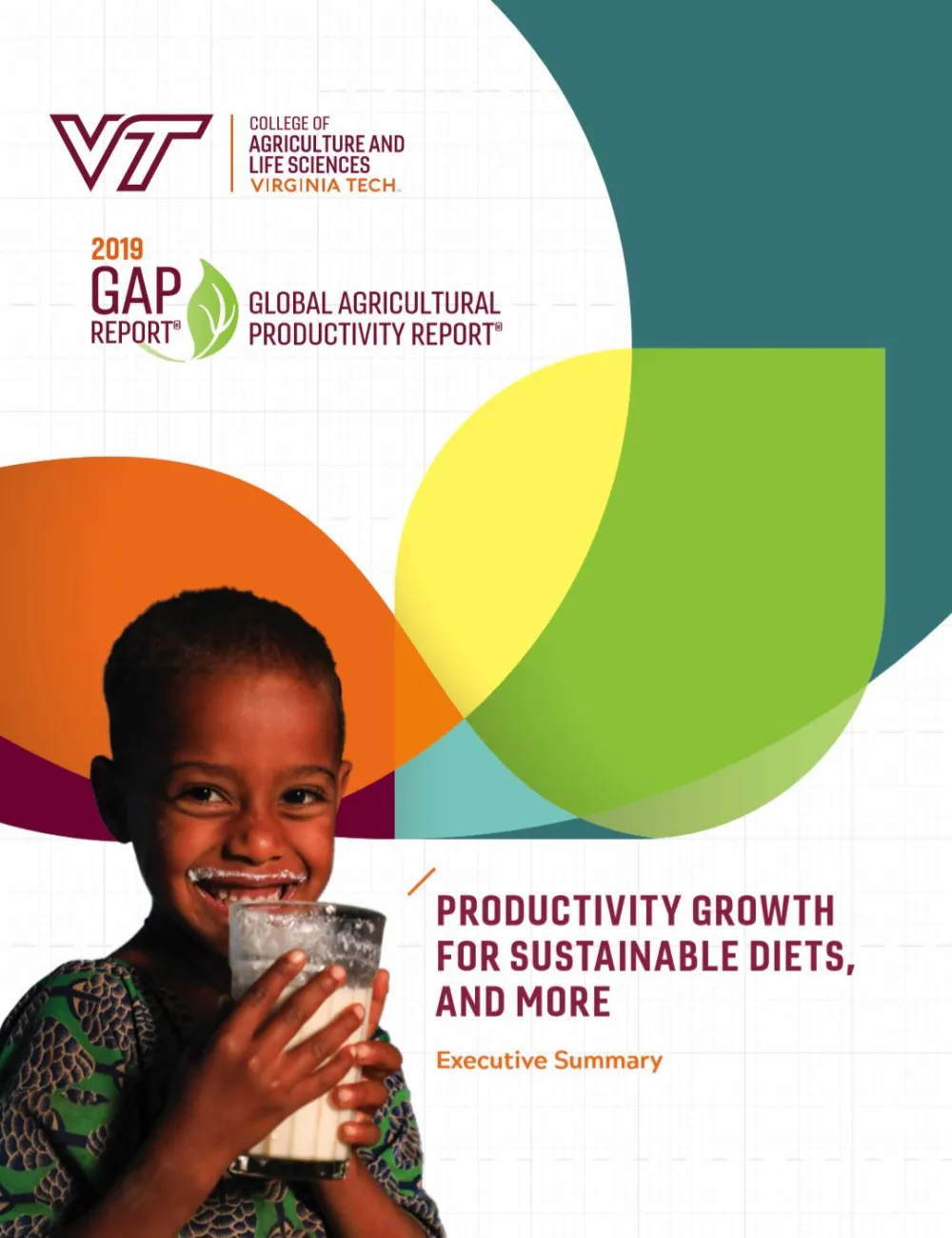
Image Reports Productivity growth for sustainable diets The 2019 edition of the Global Agricultural Productivity Report from Virginia Tech University emphasises the systemic nature of the many challenges facing food, health and environment and calls for increased agricultural productivity as a way of meeting future food demand sustainably. Read
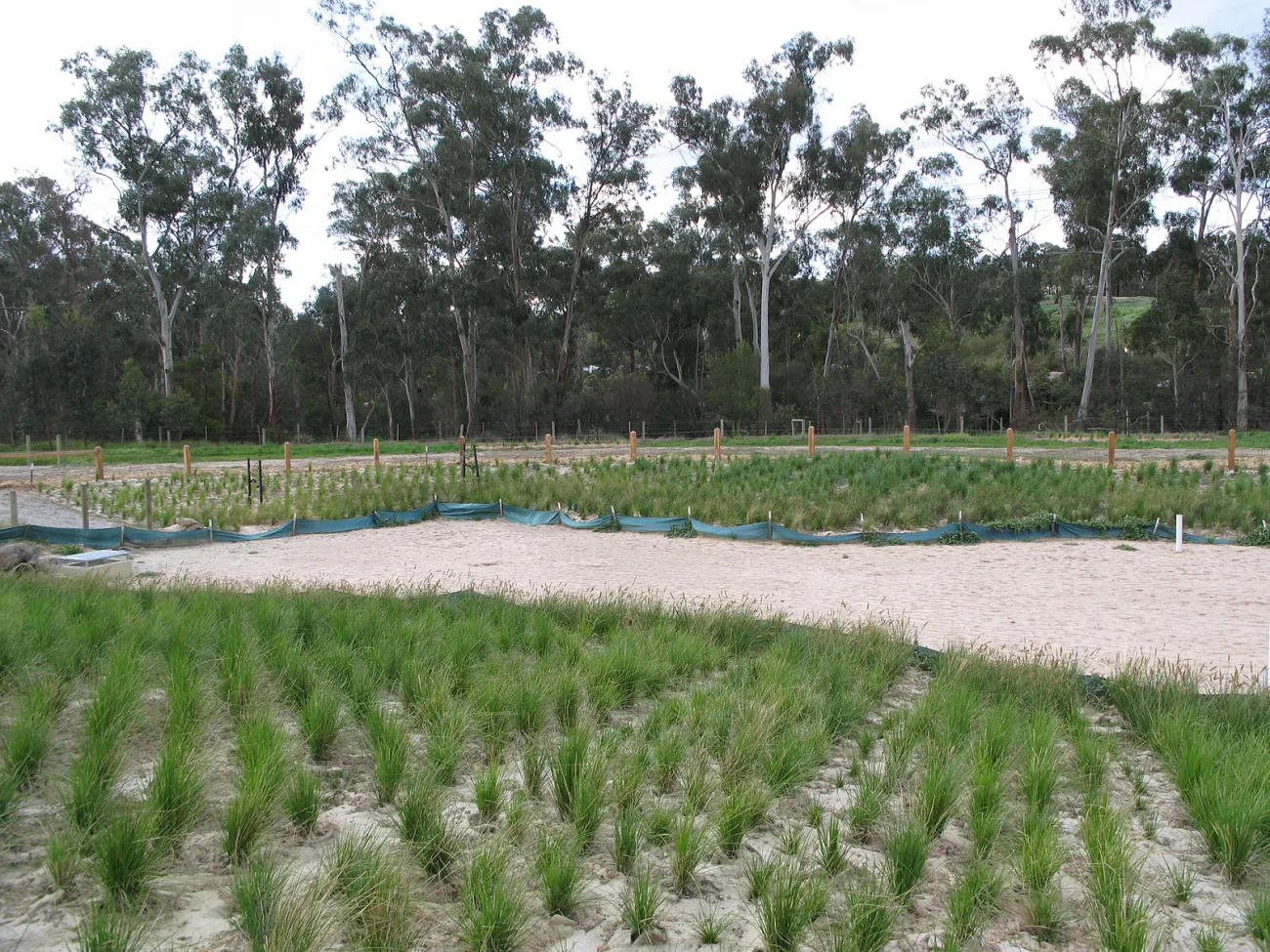
Image Reports How to avoid detonating the Amazon carbon bomb This policy brief from the US non-profit think tank Peterson Institute for International Economics argues that the Amazon rainforest could reach a “tipping point” as soon as 2021, where deforestation means that the forest no longer generates enough rain to support itself and the forest begins to release large amounts of carbon instead of storing it. Read
Image Reports The Cocktail Effect: Pesticide mixtures According to this report from UK charity the Pesticide Action Network and the Soil Association, mixtures of pesticides can be more harmful to human health than the sum of the toxicity of the individual pesticides would suggest. Read
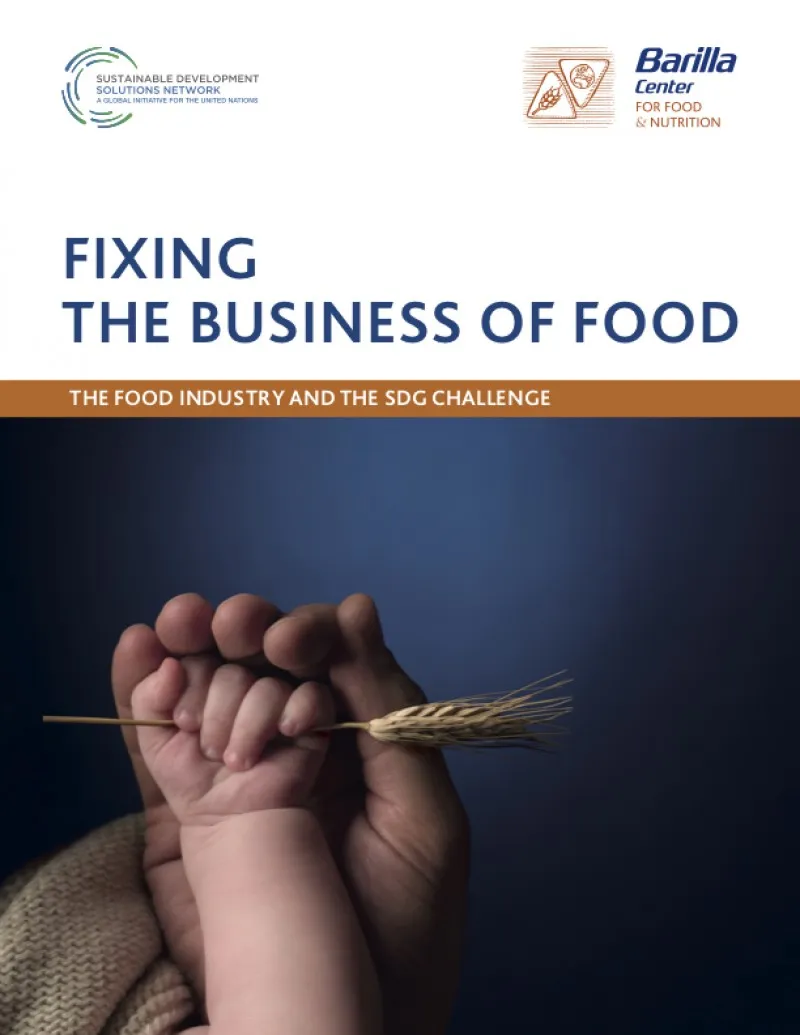
Image Reports Fixing the business of food This report explains how the Barilla Centre for Food & Nutrition, the UN Sustainable Development Solutions Network, the Columbia Centre on Sustainable Investment, and the Santa Chiara Lab of the University of Siena have helped the food industry move towards alignment with the Sustainable Development Goals and the Paris Climate Agreement. Read
Image Journal articles Contribution of the land sector to a 1.5°C world This review article finds that transforming the land sector (including agriculture, forestry, wetlands and bioenergy) could “feasibly and sustainably” contribute around one third of the emissions reductions needed to stay under 1.5°C of climate change. Read
Image Featured articles Organic UK farming could increase overseas emissions FCRN members Laurence Smith and Adrian Williams co-authored this paper, which finds that converting all food production in England and Wales to organic farming would reduce direct agricultural emissions in the UK, but would cause higher emissions from overseas farming due to lower yields in England and Wales. Read
Image News and resources Taylor & Francis Zero Hunger online collection Taylor & Francis have launched Sustainable Development Goals Online (SDGO), a curated library to support the United Nations' call to action to end poverty, fight inequality and injustice, and protect the planet. This interdisciplinary collection of digital content includes more than 12,000 selected articles and chapters, including the Zero Hunger collection with nearly 1000 items relating to SDG 2 to end hunger, achieve food security and improved nutrition, and promote sustainable agriculture. Read
Image News and resources Opinion: Tackling climate crisis requires reshaping food system In this opinion piece in the Guardian newspaper, Jess Fanzo and Mario Herrero argue that food producers, consumers and governments all need to make changes to help reduce the climate impact of the food system. Read
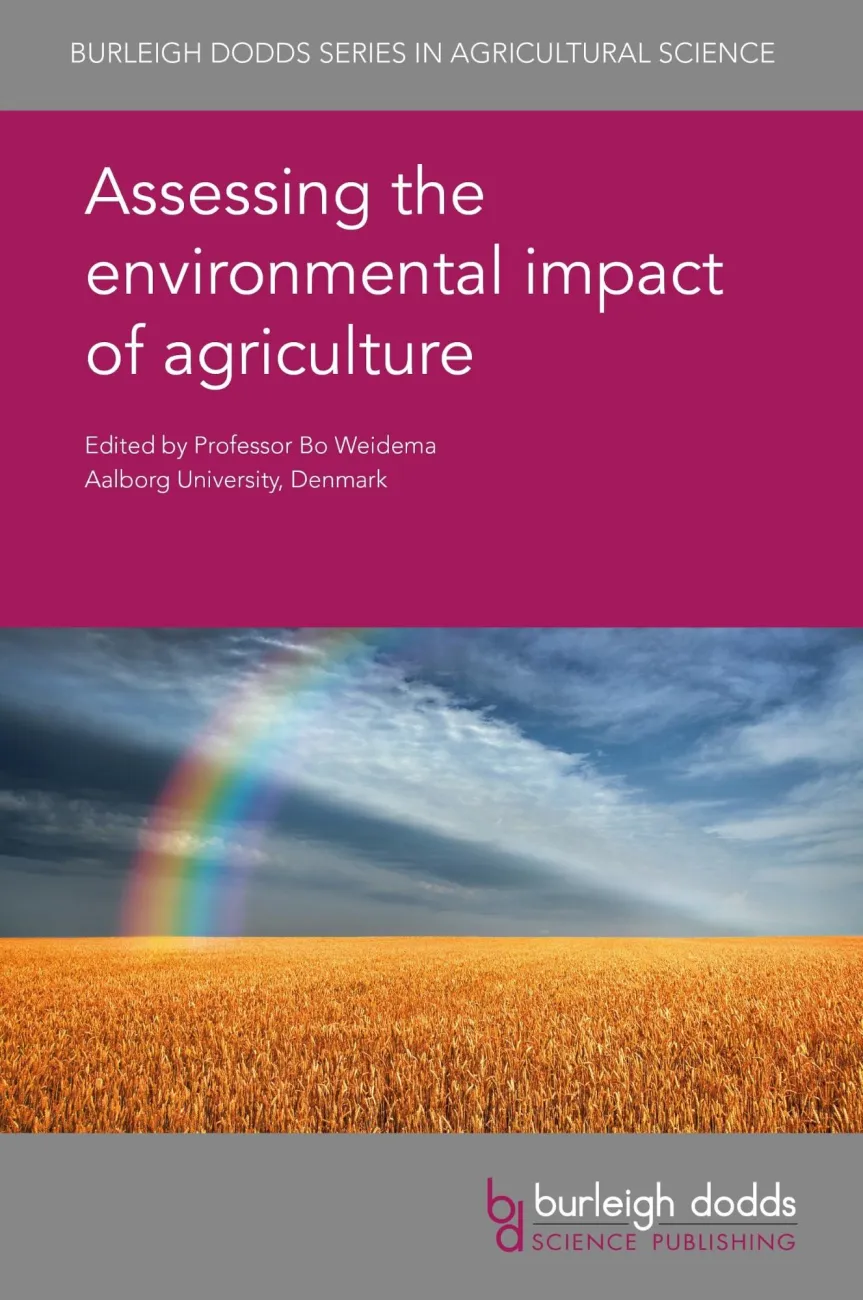
Image Books Assessing the environmental impact of agriculture This book summarises current best practice in using life cycle assessment to quantify and improve the environmental impacts of different agricultural systems. Read