Image Resources Our extensive research library contains thousands of summaries of journal articles, reports and news stories that can be searched by keyword and category RESOURCES CATEGORY Books Briefing paper Event recording Featured articles Featured report Game Journal articles News and resources Reports Think piece Video Working paper Workshop summary Year 2026 2025 2024 2023 2022 2021 2020 2019 2018 2017 2016 2015 2014 2013 2012 2011 2010 2009 2008 2007 2002 2001 Image News and resources Is high-risk romaine simply the new normal? According to this article by the New Food Economy, the United States has experienced five E. coli outbreaks in the leafy green supply chain in two years. The latest outbreak, affecting romaine lettuce, originated in Salinas, California. A task force found that a 2018 outbreak was possibly linked to the presence of concentrated animal feeding operations (CAFOs) near lettuce farms. Read Image News and resources Farmers protest against environmental measures Over 10,000 farmers blocked roads in Berlin on 26 November 2019 with a convoy of tractors in protest at regulations that will limit the use of fertiliser (to reduce groundwater pollution) and the weedkiller glyphosate (to protect insect populations). Farmers say that the measures will threaten their livelihoods and are also protesting against the perception that farmers are to blame for the climate crisis. Read Image News and resources Podcast: Can smallholder-produced palm oil be sustainable? This podcast, part of the BBC programme The Food Chain, explores initiatives that hope to change how palm oil is produced. It outlines some of the environmental and social issues associated with conventional palm oil production, and discusses a smallholder certification scheme in the Sabah region of Malaysian Borneo. Read Image News and resources Blog: Regenerative agriculture and the food system In this blog post, Samuel Smith of international sustainability non-profit Forum for the Future sets out research he intends to conduct on how regenerative agriculture is understood, the strategies that could be used to scale it up, and how the food system would be affected by widespread conversion to regenerative agriculture. Read Image News and resources Tara Garnett interviewed on BBC’s The Food Programme The FCRN’s Tara Garnett appeared on The Food Programme by BBC Radio 4 in the episode “Eating Animals Part 2: A Meat Q&A”. The programme also featured Patrick Holden of The Sustainable Food Trust and writer and environmental campaigner George Monbiot. Read Image Books Urban food democracy and governance in North and South This book offers case studies and discussions of how urban food systems are governed. It discusses both the Global North and South. Topics include cultural heritage preservation, food sovereignty, entrepreneurship and land-use conflicts. Read Image Books Virtual water: Implications for agriculture and trade This book, originally published as a special issue of Water International, explores how the concept of “virtual water” is relevant to agriculture, trade and sustainability. Read Image Books Climate change and agriculture This book gives a holistic overview of both the impacts of climate change on agriculture and the contribution of agriculture to climate change, describes how to predict these interactions, and offers strategies for “climate-smart agriculture”. Read Image Reports Meat-eating habits and climate concern in British youth According to a survey by UK NGO Eating Better, 63% of 11 to 18 year olds in the UK see the environment and climate change as the top concern for the UK at the moment. While most do not want to change their levels of meat consumption, 29% of those who do eat meat would like to reduce their consumption. Read VIEW MORE
Image News and resources Is high-risk romaine simply the new normal? According to this article by the New Food Economy, the United States has experienced five E. coli outbreaks in the leafy green supply chain in two years. The latest outbreak, affecting romaine lettuce, originated in Salinas, California. A task force found that a 2018 outbreak was possibly linked to the presence of concentrated animal feeding operations (CAFOs) near lettuce farms. Read
Image News and resources Farmers protest against environmental measures Over 10,000 farmers blocked roads in Berlin on 26 November 2019 with a convoy of tractors in protest at regulations that will limit the use of fertiliser (to reduce groundwater pollution) and the weedkiller glyphosate (to protect insect populations). Farmers say that the measures will threaten their livelihoods and are also protesting against the perception that farmers are to blame for the climate crisis. Read
Image News and resources Podcast: Can smallholder-produced palm oil be sustainable? This podcast, part of the BBC programme The Food Chain, explores initiatives that hope to change how palm oil is produced. It outlines some of the environmental and social issues associated with conventional palm oil production, and discusses a smallholder certification scheme in the Sabah region of Malaysian Borneo. Read
Image News and resources Blog: Regenerative agriculture and the food system In this blog post, Samuel Smith of international sustainability non-profit Forum for the Future sets out research he intends to conduct on how regenerative agriculture is understood, the strategies that could be used to scale it up, and how the food system would be affected by widespread conversion to regenerative agriculture. Read
Image News and resources Tara Garnett interviewed on BBC’s The Food Programme The FCRN’s Tara Garnett appeared on The Food Programme by BBC Radio 4 in the episode “Eating Animals Part 2: A Meat Q&A”. The programme also featured Patrick Holden of The Sustainable Food Trust and writer and environmental campaigner George Monbiot. Read
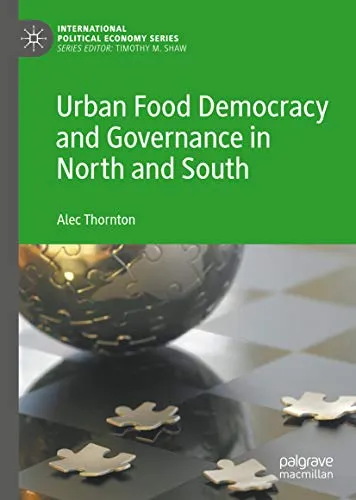
Image Books Urban food democracy and governance in North and South This book offers case studies and discussions of how urban food systems are governed. It discusses both the Global North and South. Topics include cultural heritage preservation, food sovereignty, entrepreneurship and land-use conflicts. Read
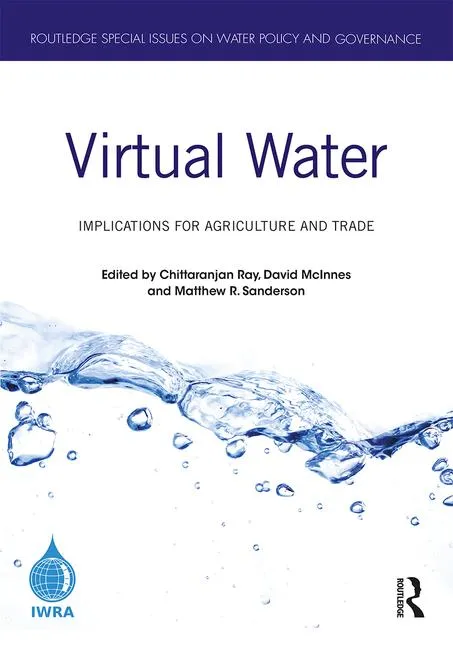
Image Books Virtual water: Implications for agriculture and trade This book, originally published as a special issue of Water International, explores how the concept of “virtual water” is relevant to agriculture, trade and sustainability. Read
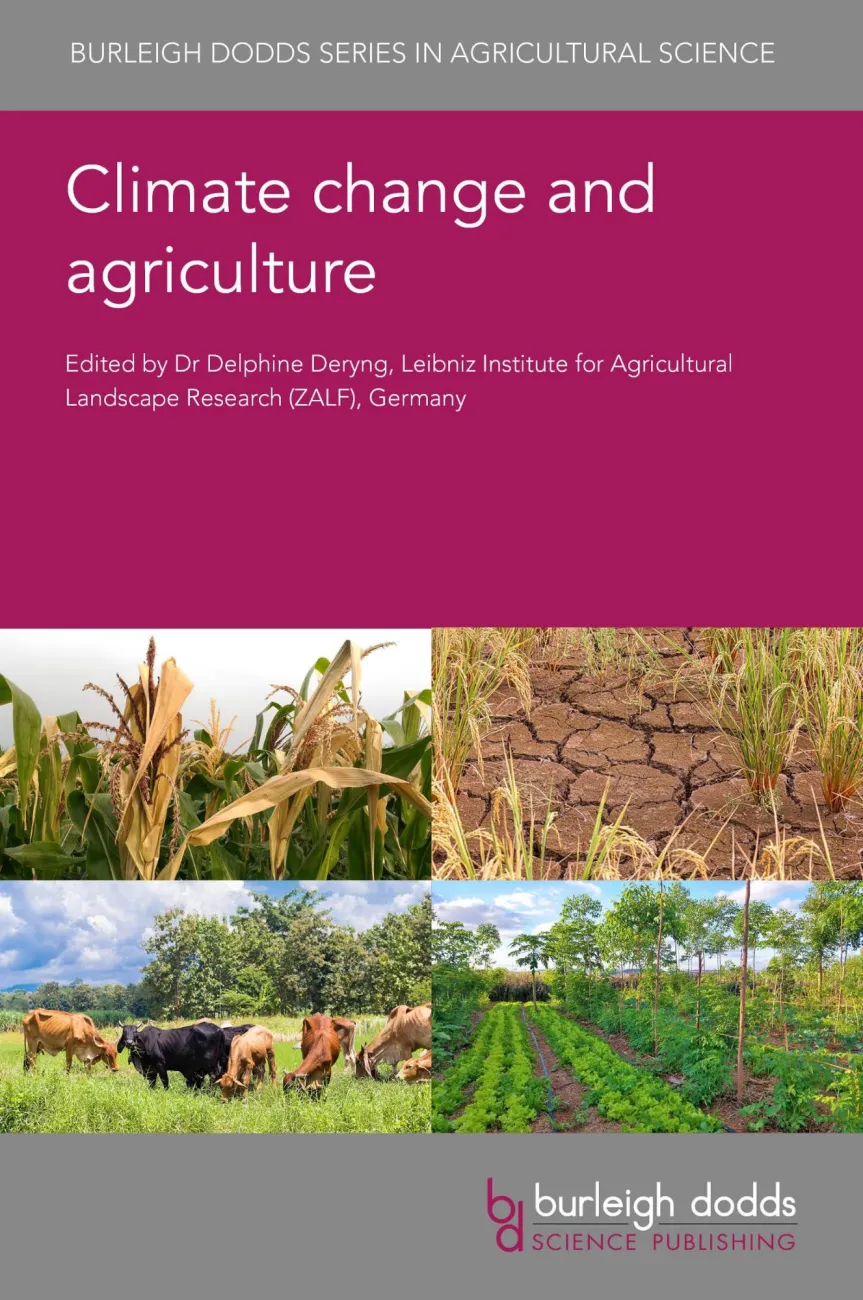
Image Books Climate change and agriculture This book gives a holistic overview of both the impacts of climate change on agriculture and the contribution of agriculture to climate change, describes how to predict these interactions, and offers strategies for “climate-smart agriculture”. Read
Image Reports Meat-eating habits and climate concern in British youth According to a survey by UK NGO Eating Better, 63% of 11 to 18 year olds in the UK see the environment and climate change as the top concern for the UK at the moment. While most do not want to change their levels of meat consumption, 29% of those who do eat meat would like to reduce their consumption. Read