Image Resources Our extensive research library contains thousands of summaries of journal articles, reports and news stories that can be searched by keyword and category RESOURCES CATEGORY Books Briefing paper Event recording Featured articles Featured report Game Journal articles News and resources Reports Think piece Video Working paper Workshop summary Year 2026 2025 2024 2023 2022 2021 2020 2019 2018 2017 2016 2015 2014 2013 2012 2011 2010 2009 2008 2007 2002 2001 Image Books Food waste to valuable resources This book presents recent developments, trends and challenges in turning food waste into products such as biofuel, enzymes, biopolymers and animal feed. Read Image Reports How nature-friendly farmers are responding to COVID-19 This report from the UK’s Nature Friendly Farming Network (NFFN) documents how NFFN farmers are changing how they supply and market food to the public in response to the COVID-19 pandemic. Read Image Reports Food promises? A UK general election manifesto review This report from the UK’s Food Ethics Council reviews the electoral manifestos of the Conservative, Labour, Green and Liberal Democrat parties in 2015 and 2019 to see how each party’s food policies have changed over time. Read Image Reports Food policy in England needs coordination The UK’s Food Research Collaboration has published a guidance note and a report on how food policy is currently made in England. It calls for more coordination between different decision-making bodies in the response to the impacts of the COVID-19 pandemic on the food system. Read Image Journal articles Research meetings must be more sustainable This opinion paper calls for organisers of scientific meetings to adhere to 12 principles to minimise the environmental impacts of the meetings, as outlined in the Cercedilla Manifesto. The principles cover food, transport and careful planning of remote meetings so that they are effective for all participants. The paper emphasises that nitrogen pollution is an often-neglected aspect of food sustainability. Read Image Journal articles Can ecological compensation achieve No Net Loss? This paper examines the effectiveness of different forms of ecological compensation schemes - i.e. offsetting biodiversity lost to developments such as oil palm plantations or mines - in achieving “No Net Loss” of biodiversity. Using simulations of four case studies, it finds that none of the 18 ecological compensation policy designs studied would achieve No Net Loss of native vegetation extent. Read Image Journal articles Ultra-processed food consumption and obesity in the UK This paper explores the association between consumption of ultra-processed foods and indicators of obesity in a sample of the UK adult population, using data from the National Diet and Nutrition Survey between 2008 and 2016. Read Image Featured articles US farm workers face growing heat risk The average number of days that US farm workers spend working in dangerously hot conditions could double by mid-century and triple by the end of the century, according to this paper. Workplace adaptations such as longer rest breaks, working more slowly, switching to single-layer clothing and having cooled rest areas could tackle this problem, but would negatively affect farm productivity, worker earnings and labour costs. Read Image News and resources Summary: FoodTalks - From emergency to recovery The UK’s Food Ethics Council has published a write-up of its event “#FoodTalks: From emergency to recovery”, which was held on 28 April 2020. The event discussed how the UK’s food system can move towards resilience and fairness during the response to the COVID-19 pandemic. Read VIEW MORE
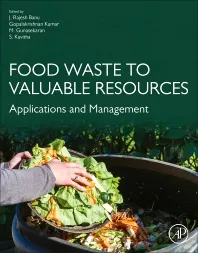
Image Books Food waste to valuable resources This book presents recent developments, trends and challenges in turning food waste into products such as biofuel, enzymes, biopolymers and animal feed. Read
Image Reports How nature-friendly farmers are responding to COVID-19 This report from the UK’s Nature Friendly Farming Network (NFFN) documents how NFFN farmers are changing how they supply and market food to the public in response to the COVID-19 pandemic. Read
Image Reports Food promises? A UK general election manifesto review This report from the UK’s Food Ethics Council reviews the electoral manifestos of the Conservative, Labour, Green and Liberal Democrat parties in 2015 and 2019 to see how each party’s food policies have changed over time. Read
Image Reports Food policy in England needs coordination The UK’s Food Research Collaboration has published a guidance note and a report on how food policy is currently made in England. It calls for more coordination between different decision-making bodies in the response to the impacts of the COVID-19 pandemic on the food system. Read
Image Journal articles Research meetings must be more sustainable This opinion paper calls for organisers of scientific meetings to adhere to 12 principles to minimise the environmental impacts of the meetings, as outlined in the Cercedilla Manifesto. The principles cover food, transport and careful planning of remote meetings so that they are effective for all participants. The paper emphasises that nitrogen pollution is an often-neglected aspect of food sustainability. Read
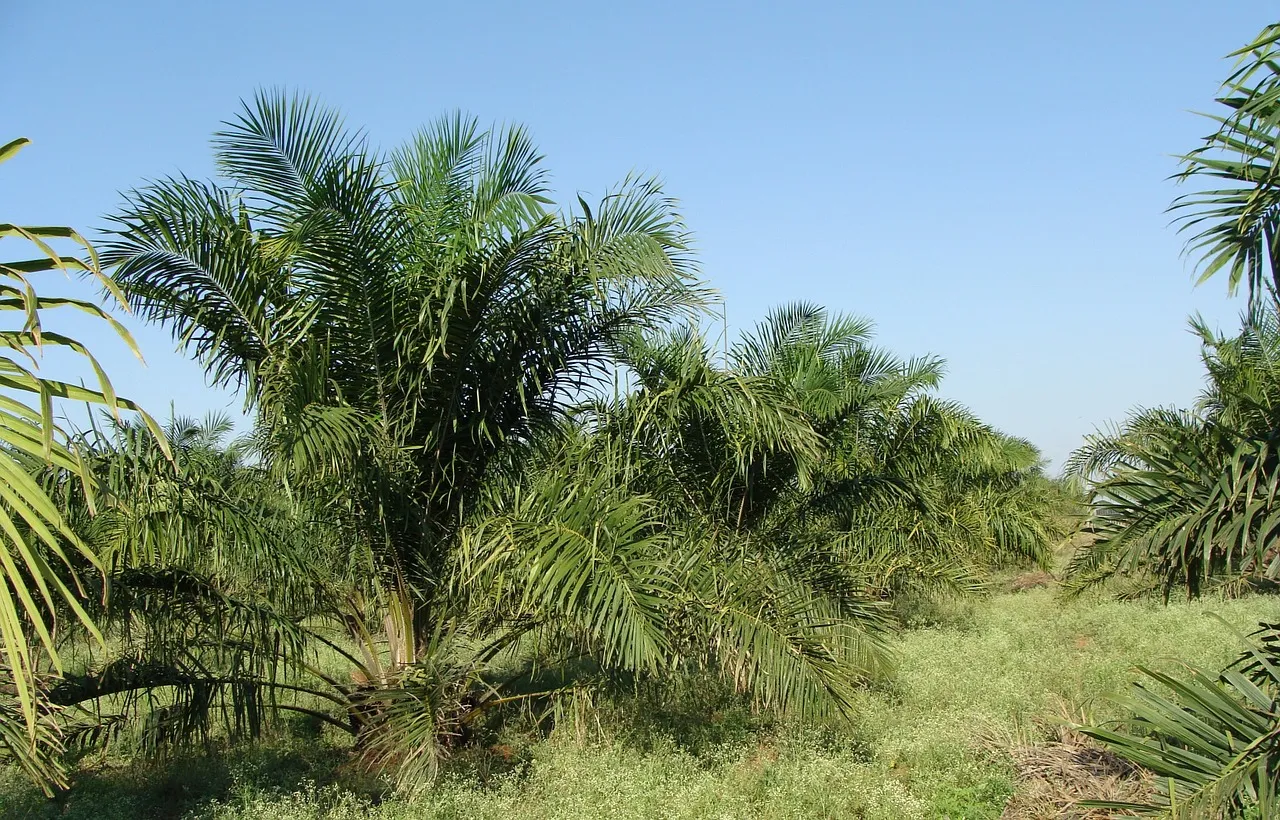
Image Journal articles Can ecological compensation achieve No Net Loss? This paper examines the effectiveness of different forms of ecological compensation schemes - i.e. offsetting biodiversity lost to developments such as oil palm plantations or mines - in achieving “No Net Loss” of biodiversity. Using simulations of four case studies, it finds that none of the 18 ecological compensation policy designs studied would achieve No Net Loss of native vegetation extent. Read
Image Journal articles Ultra-processed food consumption and obesity in the UK This paper explores the association between consumption of ultra-processed foods and indicators of obesity in a sample of the UK adult population, using data from the National Diet and Nutrition Survey between 2008 and 2016. Read
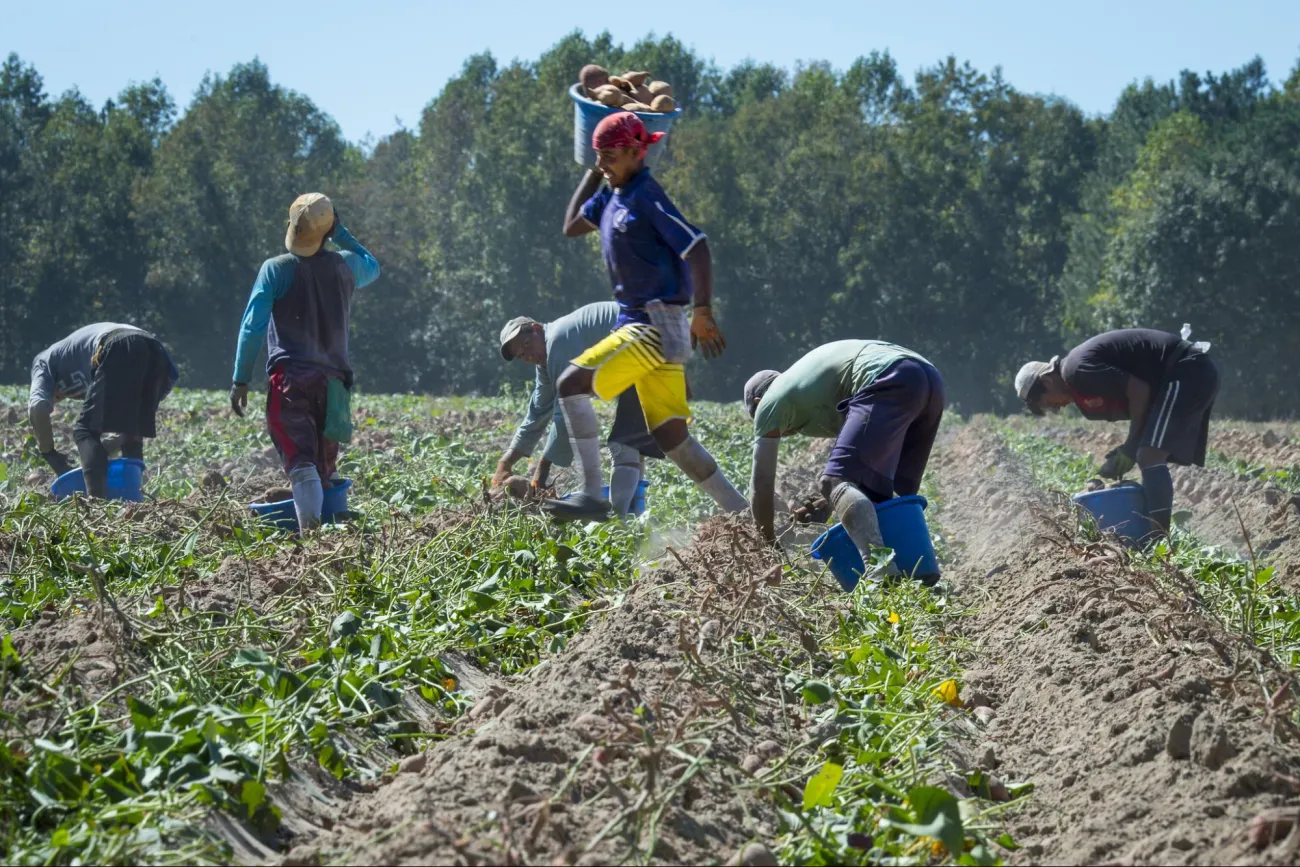
Image Featured articles US farm workers face growing heat risk The average number of days that US farm workers spend working in dangerously hot conditions could double by mid-century and triple by the end of the century, according to this paper. Workplace adaptations such as longer rest breaks, working more slowly, switching to single-layer clothing and having cooled rest areas could tackle this problem, but would negatively affect farm productivity, worker earnings and labour costs. Read
Image News and resources Summary: FoodTalks - From emergency to recovery The UK’s Food Ethics Council has published a write-up of its event “#FoodTalks: From emergency to recovery”, which was held on 28 April 2020. The event discussed how the UK’s food system can move towards resilience and fairness during the response to the COVID-19 pandemic. Read