Image Resources Our extensive research library contains thousands of summaries of journal articles, reports and news stories that can be searched by keyword and category RESOURCES CATEGORY Books Briefing paper Event recording Featured articles Featured report Game Journal articles News and resources Reports Think piece Video Working paper Workshop summary Year 2026 2025 2024 2023 2022 2021 2020 2019 2018 2017 2016 2015 2014 2013 2012 2011 2010 2009 2008 2007 2002 2001 Image Journal articles ‘Less but better’ meat: a message in need of clarity This commentary piece, co-authored by FCRN member Elin Röös, argues that the message ‘less but better meat’ needs to be defined more clearly, since there is a risk that the message could actually push livestock production towards more harmful practices. Read Image News and resources Recording of launch event of UK National Food Strategy An recording of the launch event for the UK’s National Food Strategy, held on 29 July 2020, is now available online. The National Food Strategy is a year-long review of the UK’s food system. Read more about the review here and read the FCRN’s summary of Part One of the review here. Read Image News and resources Webinar: Do we need to stop eating meat and dairy? The FCRN’s Tara Garnett took part in a webinar titled “Do we need to stop eating meat and dairy to tackle climate change?” organised by Carbon Brief. The panel also included Prof Pete Smith of the University of Aberdeen, Dr Helen Harwatt of Chatham House and Dr Modi Mwatsama of the Wellcome Trust. The webinar covered the climate impacts of different food types, carbon sequestration through restoration of native vegetation, health impacts of animal products and the cultural and economic factors influencing dietary patterns. Read Image News and resources Walmart intends to become a “regenerative company” US retailer Walmart, the world’s largest company by revenue, has announced a goal to become a “regenerative company”. Specific targets include protecting, managing or restoring at least 50 million acres of land (which is equivalent to around 2% of the United States’ land area) and one million square miles of ocean (<1% of the global ocean area) by 2030, and achieving net zero emissions by 2040. The net zero target appears to cover only Walmart’s direct emissions, not food and product supply chain emissions. Read Image Books English pastoral: An inheritance In this book, farmer and writer James Rebanks describes how the landscape and community that his family farm is part of has changed over the past few decades as farming methods have become more intensive. Read Image Books The best of times, the worst of times This book by FCRN member Paul Behrens uses paired chapters of pessimism and hope to show how much needs to be done to achieve a hopeful future, but how this would involve actively building a healthier and more fulfilling world. The book covers subjects including food, energy, climate and economics. Read Image Reports Bad energy? The promotion of energy from food In this report, UK food waste NGO Feedback critically assesses the narrative that anaerobic digestion (AD) is a viable solution for producing renewable gas from organic matter such as crops and wastes. The report argues that preventing food waste in the first place is more effective than generating biogas from waste food, particularly if trees were to be planted on the land spared. Read Image Reports Fixing nitrogen: the challenge for climate, nature and health This report from the UK charity the Soil Association examines how disruption to the nitrogen cycle can damage the climate, biodiversity and human health. It proposes replacing widespread use of synthetic fertilisers with agroecological use of nitrogen-fixing legumes and manure from grass-fed livestock. Read Image Reports Limited progress made on global biodiversity goals This report from the Convention on Biological Diversity summarises the most recent information on trends in biodiversity. It finds that none of the 20 Aichi Biodiversity Targets - the deadline for most of which is 2020 - have been fully met, although six of the targets have been partially met. It also describes the areas of the targets where progress has been made. Read VIEW MORE
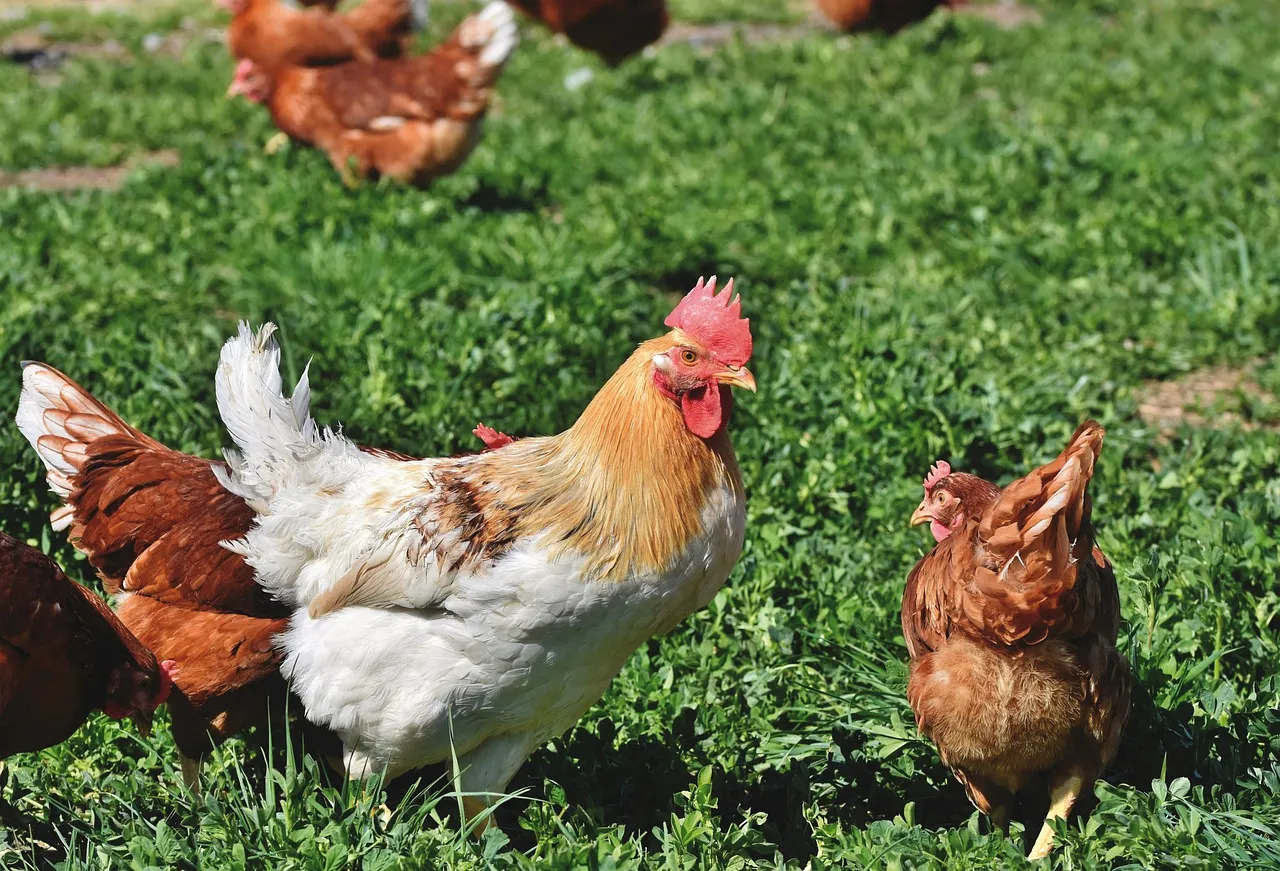
Image Journal articles ‘Less but better’ meat: a message in need of clarity This commentary piece, co-authored by FCRN member Elin Röös, argues that the message ‘less but better meat’ needs to be defined more clearly, since there is a risk that the message could actually push livestock production towards more harmful practices. Read
Image News and resources Recording of launch event of UK National Food Strategy An recording of the launch event for the UK’s National Food Strategy, held on 29 July 2020, is now available online. The National Food Strategy is a year-long review of the UK’s food system. Read more about the review here and read the FCRN’s summary of Part One of the review here. Read
Image News and resources Webinar: Do we need to stop eating meat and dairy? The FCRN’s Tara Garnett took part in a webinar titled “Do we need to stop eating meat and dairy to tackle climate change?” organised by Carbon Brief. The panel also included Prof Pete Smith of the University of Aberdeen, Dr Helen Harwatt of Chatham House and Dr Modi Mwatsama of the Wellcome Trust. The webinar covered the climate impacts of different food types, carbon sequestration through restoration of native vegetation, health impacts of animal products and the cultural and economic factors influencing dietary patterns. Read
Image News and resources Walmart intends to become a “regenerative company” US retailer Walmart, the world’s largest company by revenue, has announced a goal to become a “regenerative company”. Specific targets include protecting, managing or restoring at least 50 million acres of land (which is equivalent to around 2% of the United States’ land area) and one million square miles of ocean (<1% of the global ocean area) by 2030, and achieving net zero emissions by 2040. The net zero target appears to cover only Walmart’s direct emissions, not food and product supply chain emissions. Read
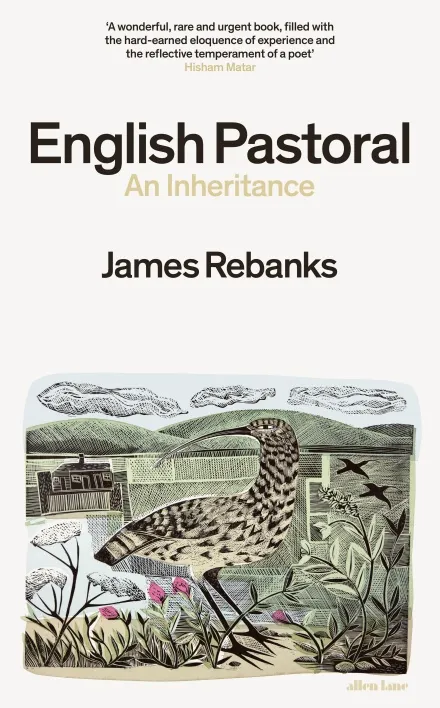
Image Books English pastoral: An inheritance In this book, farmer and writer James Rebanks describes how the landscape and community that his family farm is part of has changed over the past few decades as farming methods have become more intensive. Read
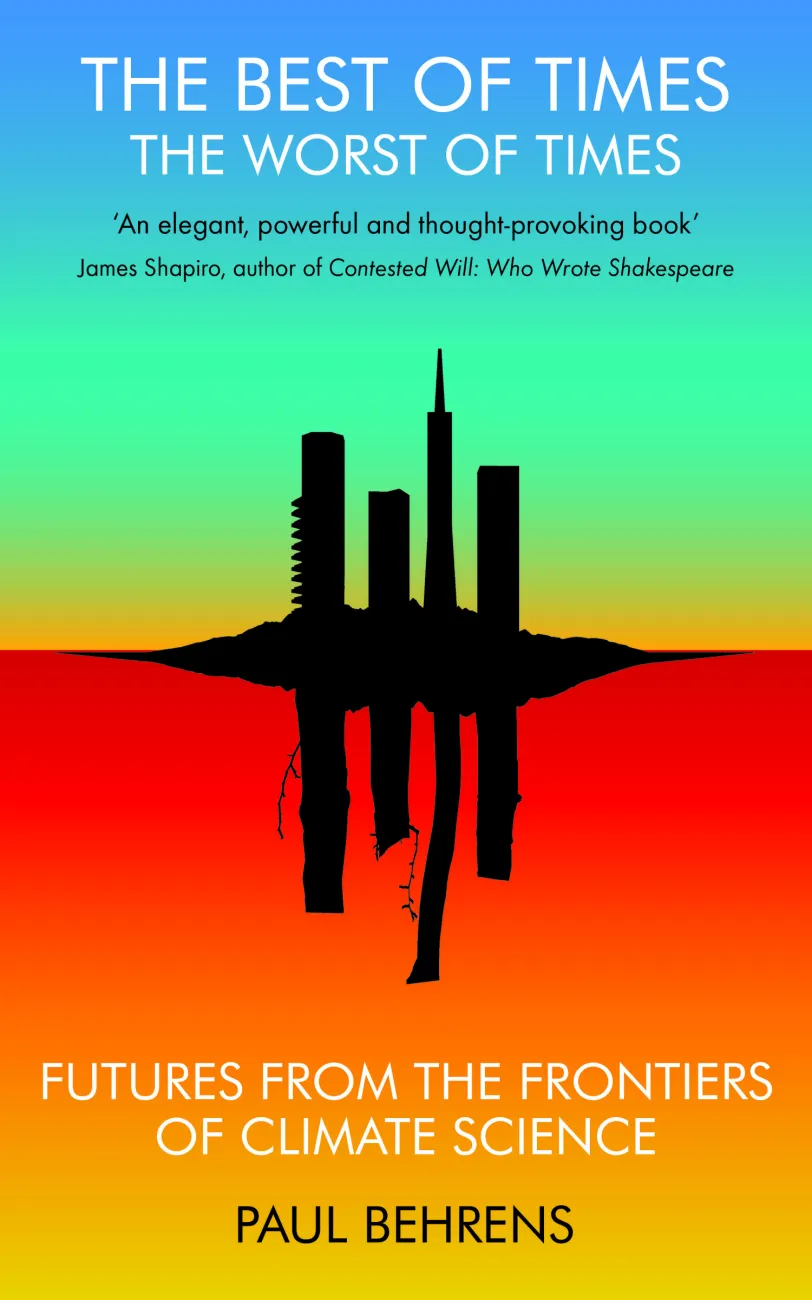
Image Books The best of times, the worst of times This book by FCRN member Paul Behrens uses paired chapters of pessimism and hope to show how much needs to be done to achieve a hopeful future, but how this would involve actively building a healthier and more fulfilling world. The book covers subjects including food, energy, climate and economics. Read
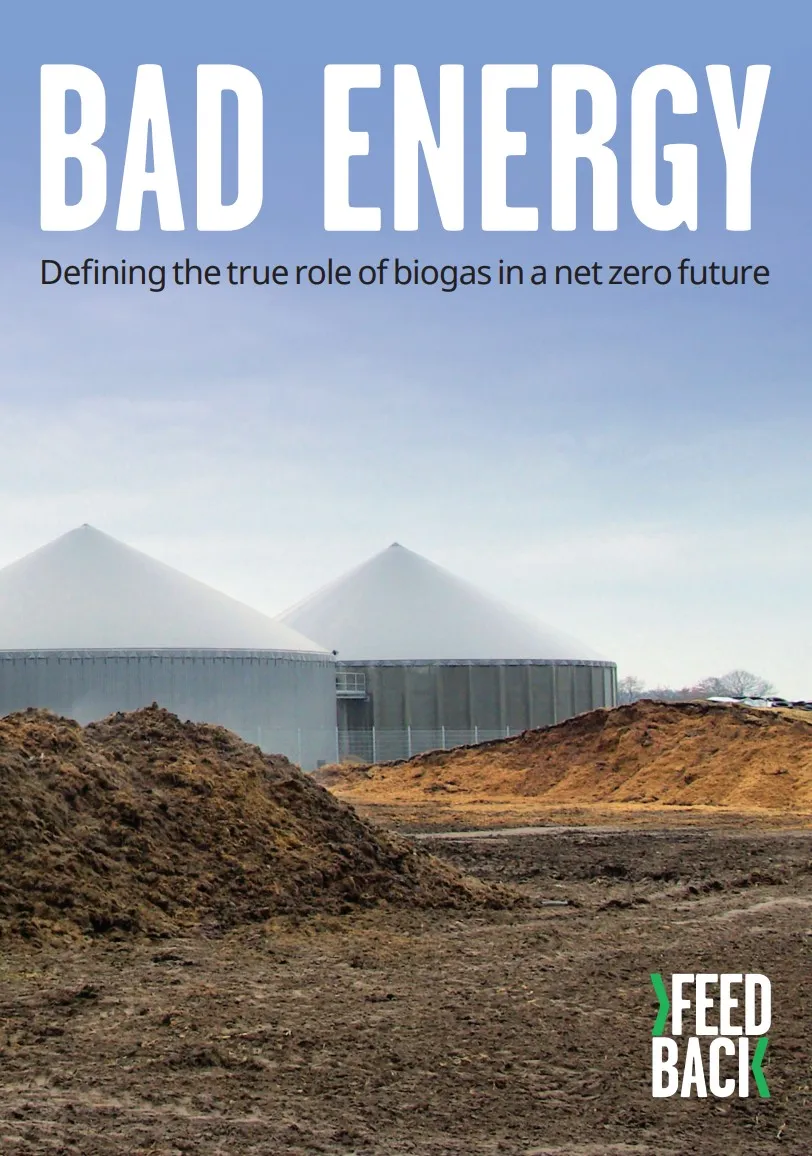
Image Reports Bad energy? The promotion of energy from food In this report, UK food waste NGO Feedback critically assesses the narrative that anaerobic digestion (AD) is a viable solution for producing renewable gas from organic matter such as crops and wastes. The report argues that preventing food waste in the first place is more effective than generating biogas from waste food, particularly if trees were to be planted on the land spared. Read
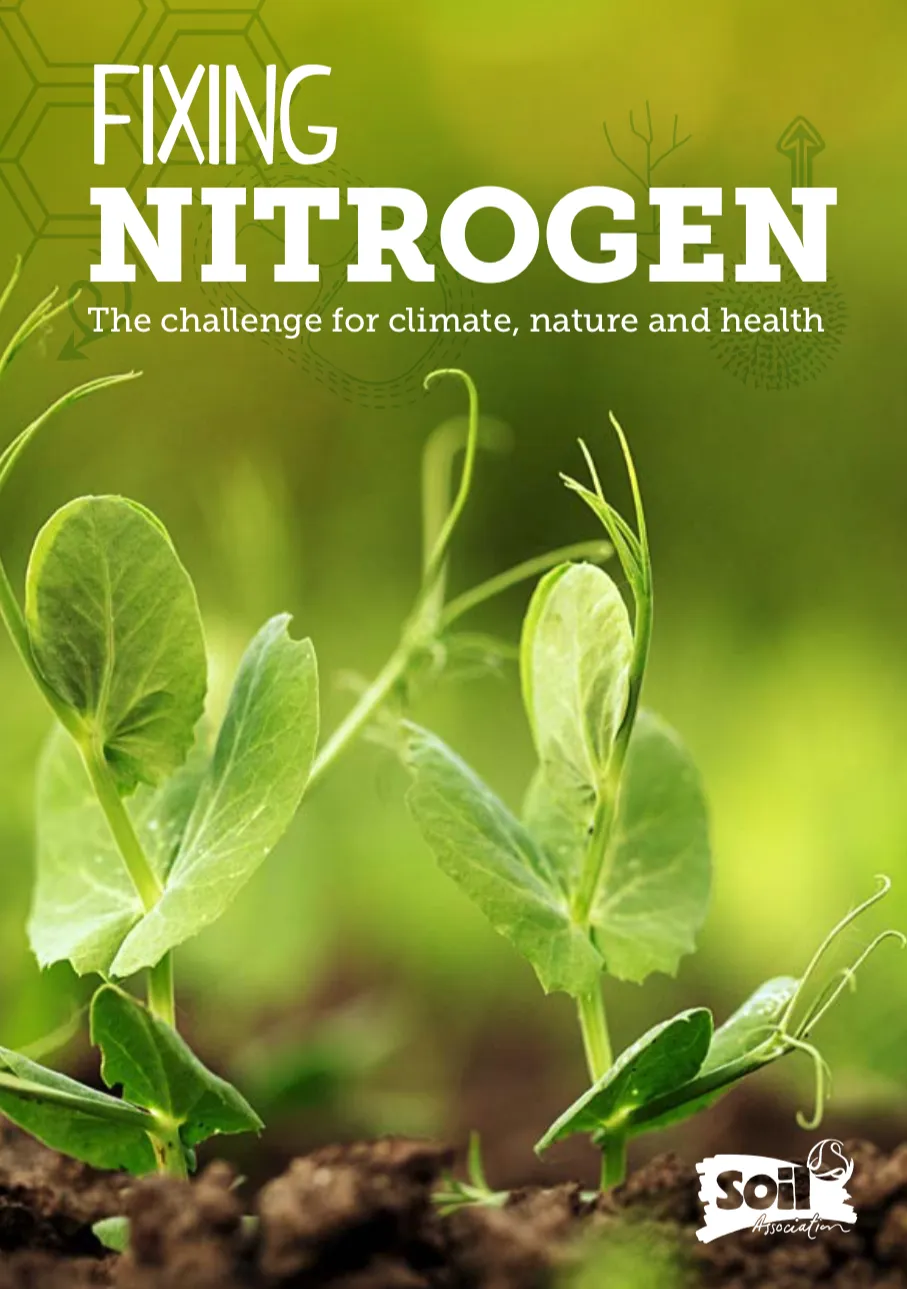
Image Reports Fixing nitrogen: the challenge for climate, nature and health This report from the UK charity the Soil Association examines how disruption to the nitrogen cycle can damage the climate, biodiversity and human health. It proposes replacing widespread use of synthetic fertilisers with agroecological use of nitrogen-fixing legumes and manure from grass-fed livestock. Read
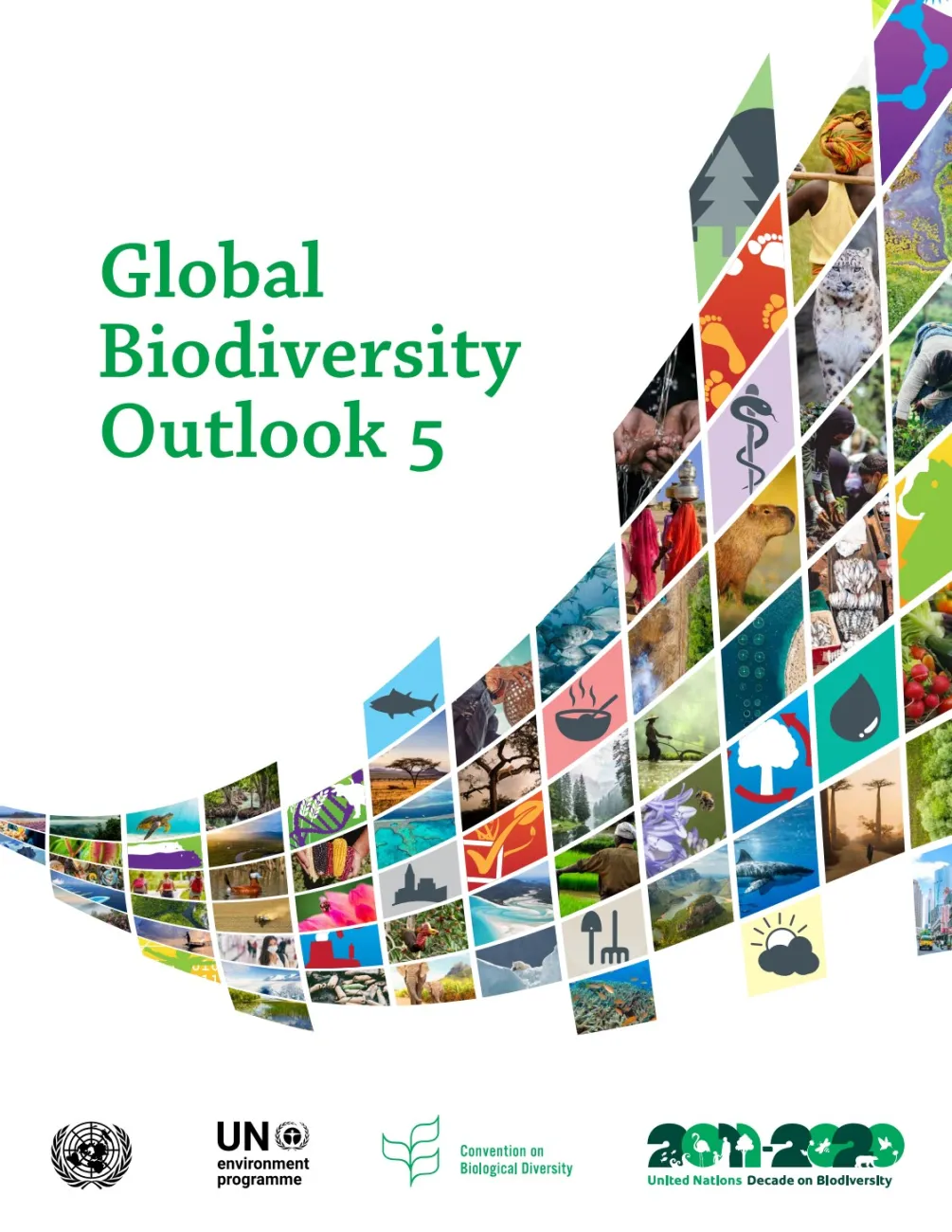
Image Reports Limited progress made on global biodiversity goals This report from the Convention on Biological Diversity summarises the most recent information on trends in biodiversity. It finds that none of the 20 Aichi Biodiversity Targets - the deadline for most of which is 2020 - have been fully met, although six of the targets have been partially met. It also describes the areas of the targets where progress has been made. Read