Image Resources Our extensive research library contains thousands of summaries of journal articles, reports and news stories that can be searched by keyword and category RESOURCES CATEGORY Books Briefing paper Event recording Featured articles Featured report Game Journal articles News and resources Reports Think piece Video Working paper Workshop summary Year 2026 2025 2024 2023 2022 2021 2020 2019 2018 2017 2016 2015 2014 2013 2012 2011 2010 2009 2008 2007 2002 2001 Image Journal articles Ecological deskilling from uptake of modern seed varieties This paper, based on research with smallholder maize farms in South Africa, argues that the introduction of modern seed varieties (including hybrid and genetically modified seeds) can contribute to “ecological deskilling” and undermine food sovereignty. Read Image Event recording Ask The Author recording: Considering plant-based meat substitutes and cell-based meats Ask The Author recording: Considering plant-based meat substitutes and cell-based meats On 12 March 2021, TABLE hosted an “Ask The Author” session with Raychel Santo, Brent Kim and Jan Dutkiewicz, co-authors of the paper Considering Plant-Based Meat Substitutes and Cell-Based Meats: A Public Health and Food Systems Perspective. Read Image Journal articles Food systems cause a third of global GHG emissions In 2015, 34% of anthropogenic greenhouse gas emissions were caused by the food system, according to this paper - a proportion that has fallen over time. Most of these emissions (71%) were from agriculture and land use or land use change, with the rest from other supply chain stages. Read Image News and resources The food potential of microbial fermentation In this article for the Institute of Food Technologists, Liz Specht of the Good Food Institute explores the role that microbial fermentation can play in the alternative protein sector. Specht groups microbial fermentation techniques into three classes: traditional fermentation such as cheese and yoghurt; biomass fermentation such as Quorn and tempeh; and precision fermentation for producing specific molecules, e.g. the heme protein used by Impossible Foods. Read Image News and resources Food insecurity crisis mounting in Africa According to this infographic from the Africa Centre for Strategic Studies (an academic institution within the US Department of Defence), acute food insecurity in Africa has increased by 60% from 2019 to 2020. The causes in various regions are conflict, road closures due to COVID-19, flooding, locusts, and hyperinflation. Read Image Books Introduction to agroecology This book, aimed at first year undergraduate students, defines agroecology and the agricultural practices associated with it. Read Image Books Phytomicrobiome interactions and sustainable agriculture This book gives an overview of the phytomicrobiome - that is, the microbes that live in and around plants - and how it affects agricultural productivity. It is aimed at students, policymakers and researchers of plant biology. Read Image Reports Why supermarkets must urgently cut their meat and dairy sales This briefing paper from UK food waste NGO Feedback argues that supermarkets’ strong influence on the food system means they must act urgently if the UK is to significantly reduce meat and dairy consumption - and associated greenhouse gas emissions - over the next decade. Read Image Reports A scientific blueprint to tackle climate, biodiversity and pollution This synthesis report by the United Nations Environment Programme examines how climate change, biodiversity loss and pollution can be tackled as part of the framework of the Sustainable Development Goals, including by transforming food, water and energy systems. Read VIEW MORE
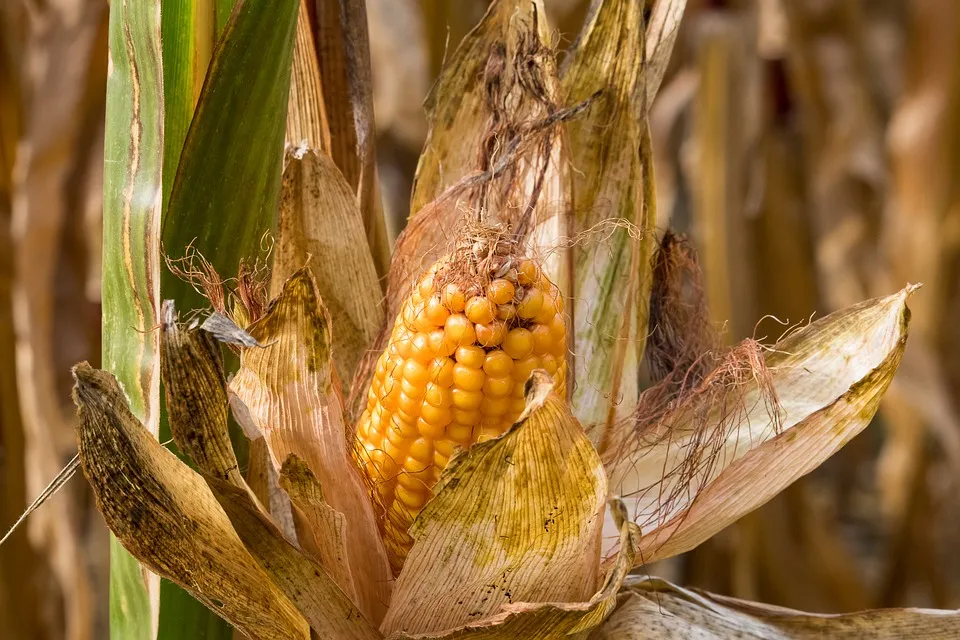
Image Journal articles Ecological deskilling from uptake of modern seed varieties This paper, based on research with smallholder maize farms in South Africa, argues that the introduction of modern seed varieties (including hybrid and genetically modified seeds) can contribute to “ecological deskilling” and undermine food sovereignty. Read
Image Event recording Ask The Author recording: Considering plant-based meat substitutes and cell-based meats Ask The Author recording: Considering plant-based meat substitutes and cell-based meats On 12 March 2021, TABLE hosted an “Ask The Author” session with Raychel Santo, Brent Kim and Jan Dutkiewicz, co-authors of the paper Considering Plant-Based Meat Substitutes and Cell-Based Meats: A Public Health and Food Systems Perspective. Read
Image Journal articles Food systems cause a third of global GHG emissions In 2015, 34% of anthropogenic greenhouse gas emissions were caused by the food system, according to this paper - a proportion that has fallen over time. Most of these emissions (71%) were from agriculture and land use or land use change, with the rest from other supply chain stages. Read
Image News and resources The food potential of microbial fermentation In this article for the Institute of Food Technologists, Liz Specht of the Good Food Institute explores the role that microbial fermentation can play in the alternative protein sector. Specht groups microbial fermentation techniques into three classes: traditional fermentation such as cheese and yoghurt; biomass fermentation such as Quorn and tempeh; and precision fermentation for producing specific molecules, e.g. the heme protein used by Impossible Foods. Read
Image News and resources Food insecurity crisis mounting in Africa According to this infographic from the Africa Centre for Strategic Studies (an academic institution within the US Department of Defence), acute food insecurity in Africa has increased by 60% from 2019 to 2020. The causes in various regions are conflict, road closures due to COVID-19, flooding, locusts, and hyperinflation. Read
Image Books Introduction to agroecology This book, aimed at first year undergraduate students, defines agroecology and the agricultural practices associated with it. Read
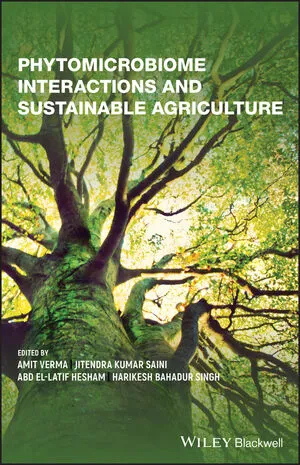
Image Books Phytomicrobiome interactions and sustainable agriculture This book gives an overview of the phytomicrobiome - that is, the microbes that live in and around plants - and how it affects agricultural productivity. It is aimed at students, policymakers and researchers of plant biology. Read
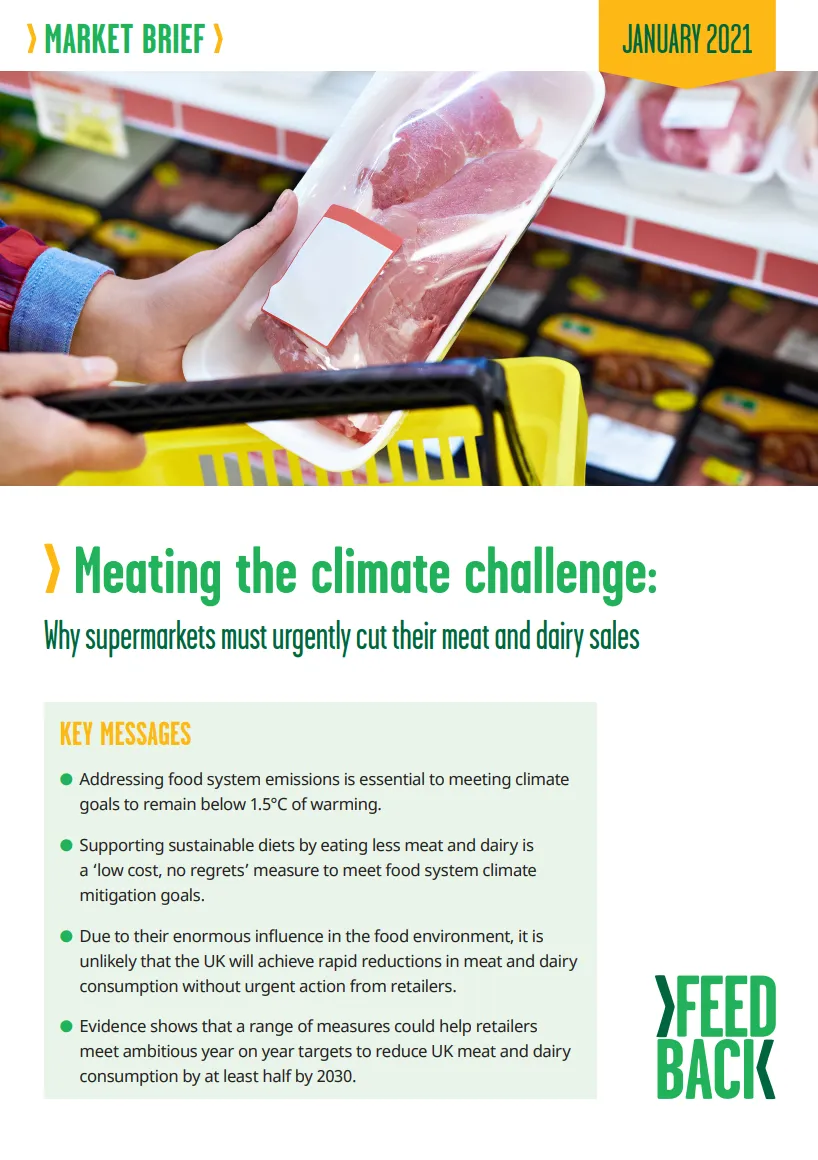
Image Reports Why supermarkets must urgently cut their meat and dairy sales This briefing paper from UK food waste NGO Feedback argues that supermarkets’ strong influence on the food system means they must act urgently if the UK is to significantly reduce meat and dairy consumption - and associated greenhouse gas emissions - over the next decade. Read
Image Reports A scientific blueprint to tackle climate, biodiversity and pollution This synthesis report by the United Nations Environment Programme examines how climate change, biodiversity loss and pollution can be tackled as part of the framework of the Sustainable Development Goals, including by transforming food, water and energy systems. Read