Image Resources Our extensive research library contains thousands of summaries of journal articles, reports and news stories that can be searched by keyword and category RESOURCES CATEGORY Books Briefing paper Event recording Featured articles Featured report Game Journal articles News and resources Reports Think piece Video Working paper Workshop summary Year 2026 2025 2024 2023 2022 2021 2020 2019 2018 2017 2016 2015 2014 2013 2012 2011 2010 2009 2008 2007 2002 2001 Image Journal articles Why do some people avoid carbon labels? This study explores why people choose to either see or avoid carbon emissions information when choosing a protein source, and the influence that seeing this information has on product choices. The study is based on an online survey where people were asked to make a hypothetical choice between a range of protein sources. Read Image Journal articles Contested intensive poultry unit developments in a policy void This paper by Table member Alison Caffyn studies how the proliferation of intensive poultry operations in Herefordshire and Shropshire in the UK has led to conflicts between the agri-industrial sector and local objectors. The paper draws on planning application data and interviews. Caffyn argues that local authorities and environmental agencies need to improve the regulatory regime around new intensive livestock developments. Read Image Journal articles Influence of farm size and structure on agroecological practices This paper, co-authored by Table member Hayo van der Werf, examines the spectrum of agroecological activity on organic vegetable farms in France. It reports that farming practices are linked to farm structure. For example, smaller farms are more likely to use agroecological practices. The paper sets out a framework that distinguishes agroecological organic farming from “conventionalised” organic farming, the latter of which involves more reliance on external inputs and supply chains that are more linked to global market prices. Read Image Journal articles 86 EU policy options for reducing imported deforestation Table members Martin Persson and Simon Bager have co-authored this paper, which offers 86 policy options through which the European Union could address deforestation associated with imported commodities such as palm oil, soybeans and beef. The paper finds trade-offs between the political feasibility of each option and the potential impact: the policy options that are most politically feasible tend to have a weaker theory of change. Read Image Journal articles Can UK retailers deliver “less and better” meat and dairy? This paper uses interviews with senior representatives of the UK food retail sector to explore how retailers view sustainable diets and the extent to which “less and better” meat and dairy plays a part in these understandings. It finds that retailers have diverse understandings of sustainable diets, and that these seldom include “less and better” meat and dairy. While retailers are implementing strategies to improve the sustainability of their meat and dairy supply chains, none of the retailers studied are actively trying to reduce the amount of meat they sell. Read Image Journal articles The climate responsibilities of industrial meat & dairy producers This paper examines the climate commitments of the world’s 35 largest meat and dairy companies - summarised in this table - which together produce around 15% of all greenhouse gas emissions from animal agriculture. It also compares the companies’ projected future emissions to the Paris climate commitments of the country in which each company is headquartered (while noting that the Paris Agreement does not view climate responsibility in these terms), and traces the political influence of the 10 largest US meat and dairy companies. Read Image News and resources Seafood mislabelling is common across the world The Guardian newspaper has analysed 44 studies on the mislabelling of seafood. 36% of thousands of samples across more than 30 countries were found to be mislabelled. Although some errors may be accidental, the writers suggest that since most of the substitutions were cheaper fish labelled as more expensive fish, fraud is likely to blame in many cases. Read Image News and resources Website: Our Changing Menu Academics and students from Cornell University have released a website, Our Changing Menu, that tells the story of climate change using food. Aimed at a general audience and accompanying the book of the same name, it explains climate change, describes how the production of foods such as avocados, olive oil and beef might change, and offers solutions. A searchable food ingredient database, which will continue to be updated, shows how selected ingredients are expected to be affected by climate change. Read Image News and resources Database: Cocoa Agroforestry Library US environmental campaign group Mighty Earth and the Smithsonian Migratory Bird Centre have jointly released the Cocoa Agroforestry Library. This is a searchable database of scientific literature on cocoa agroforestry aimed at industry, policymakers, researchers, activists, farmer groups and more. Read VIEW MORE
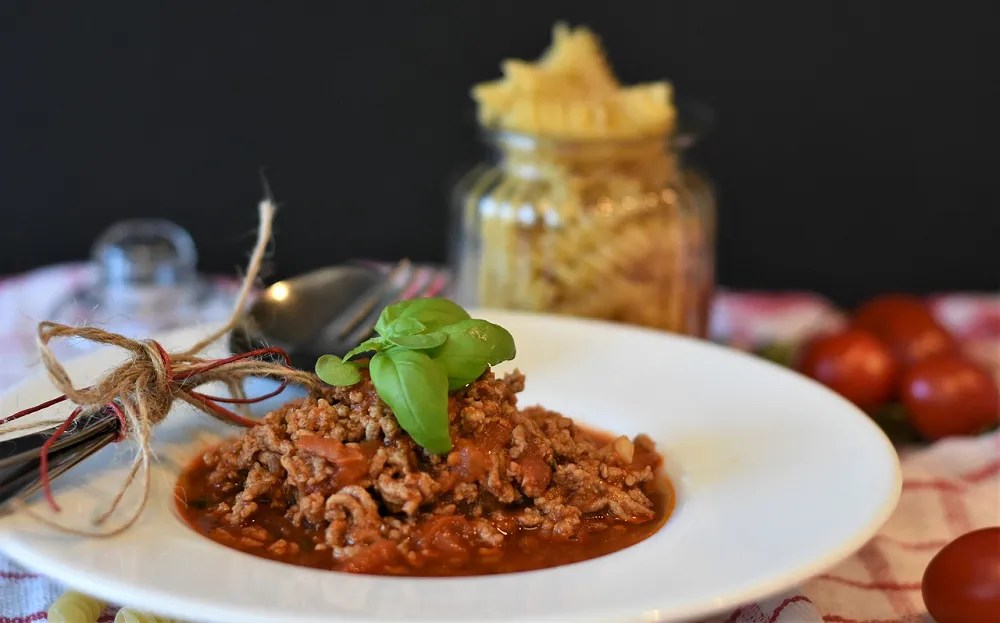
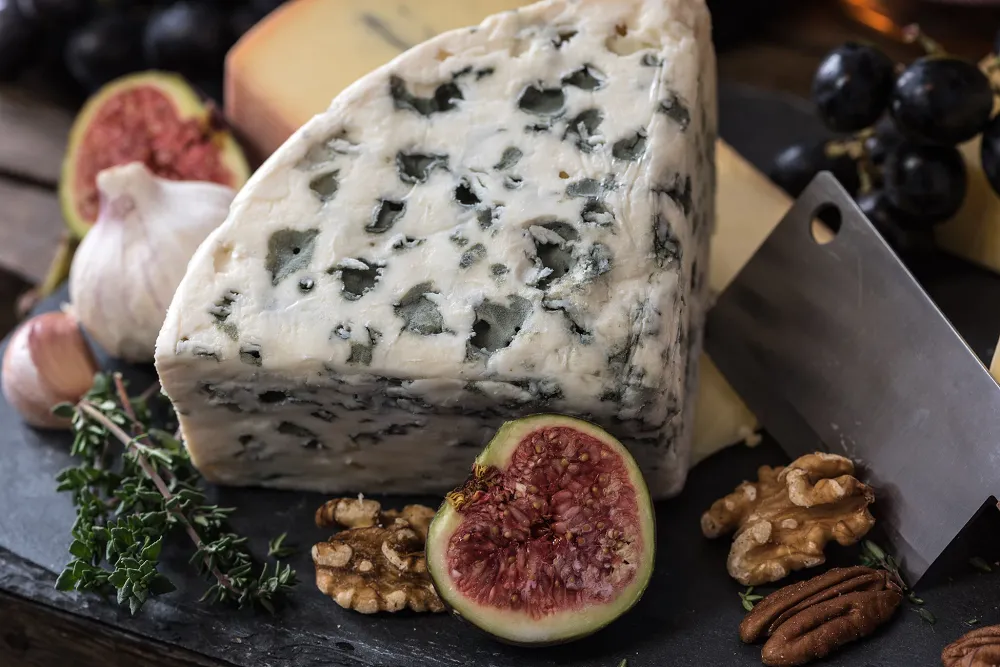
Image Journal articles Why do some people avoid carbon labels? This study explores why people choose to either see or avoid carbon emissions information when choosing a protein source, and the influence that seeing this information has on product choices. The study is based on an online survey where people were asked to make a hypothetical choice between a range of protein sources. Read
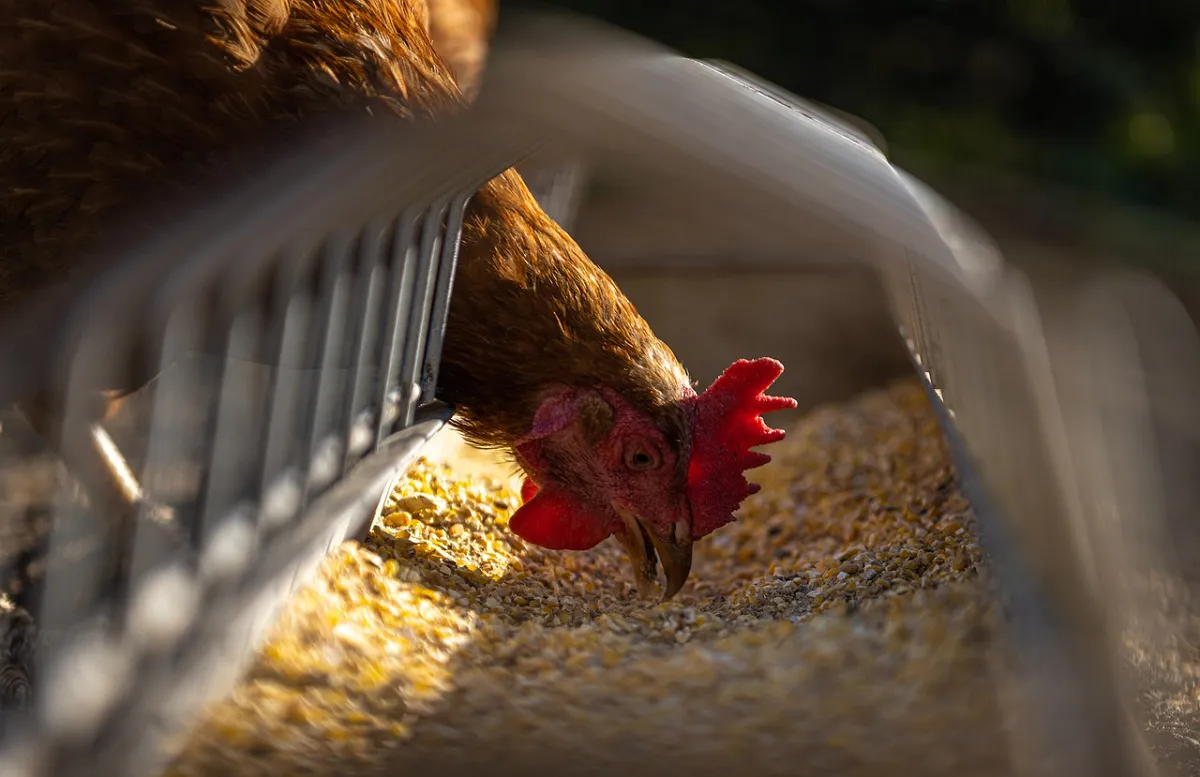
Image Journal articles Contested intensive poultry unit developments in a policy void This paper by Table member Alison Caffyn studies how the proliferation of intensive poultry operations in Herefordshire and Shropshire in the UK has led to conflicts between the agri-industrial sector and local objectors. The paper draws on planning application data and interviews. Caffyn argues that local authorities and environmental agencies need to improve the regulatory regime around new intensive livestock developments. Read
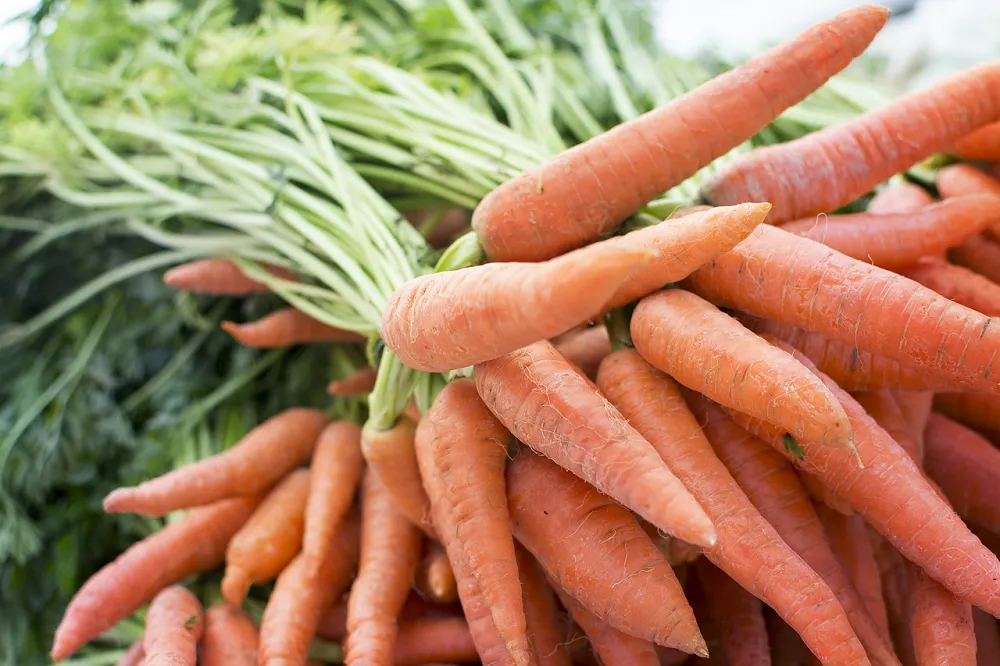
Image Journal articles Influence of farm size and structure on agroecological practices This paper, co-authored by Table member Hayo van der Werf, examines the spectrum of agroecological activity on organic vegetable farms in France. It reports that farming practices are linked to farm structure. For example, smaller farms are more likely to use agroecological practices. The paper sets out a framework that distinguishes agroecological organic farming from “conventionalised” organic farming, the latter of which involves more reliance on external inputs and supply chains that are more linked to global market prices. Read
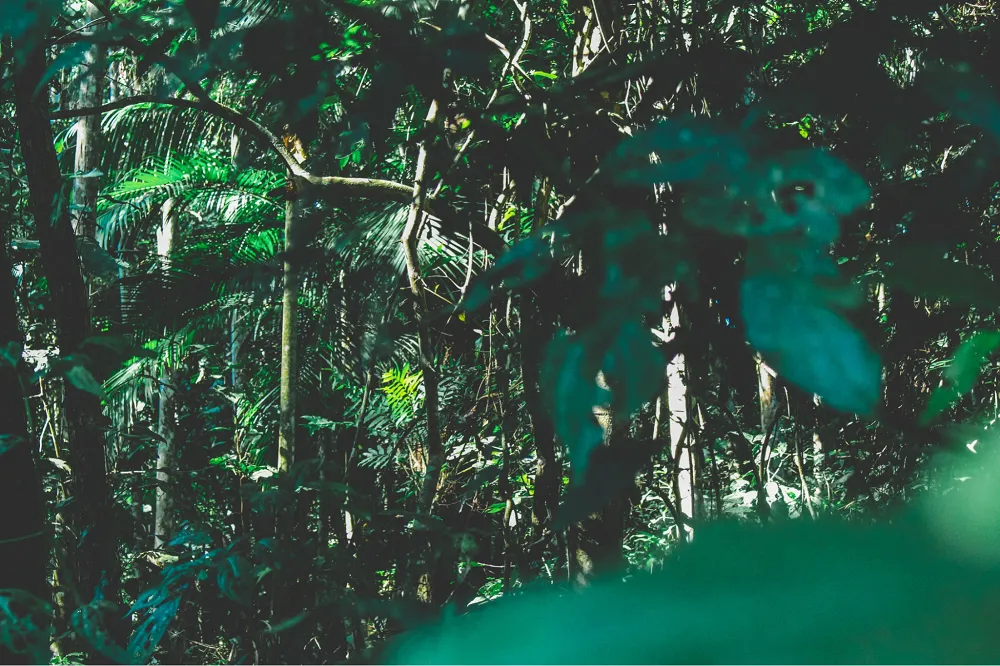
Image Journal articles 86 EU policy options for reducing imported deforestation Table members Martin Persson and Simon Bager have co-authored this paper, which offers 86 policy options through which the European Union could address deforestation associated with imported commodities such as palm oil, soybeans and beef. The paper finds trade-offs between the political feasibility of each option and the potential impact: the policy options that are most politically feasible tend to have a weaker theory of change. Read
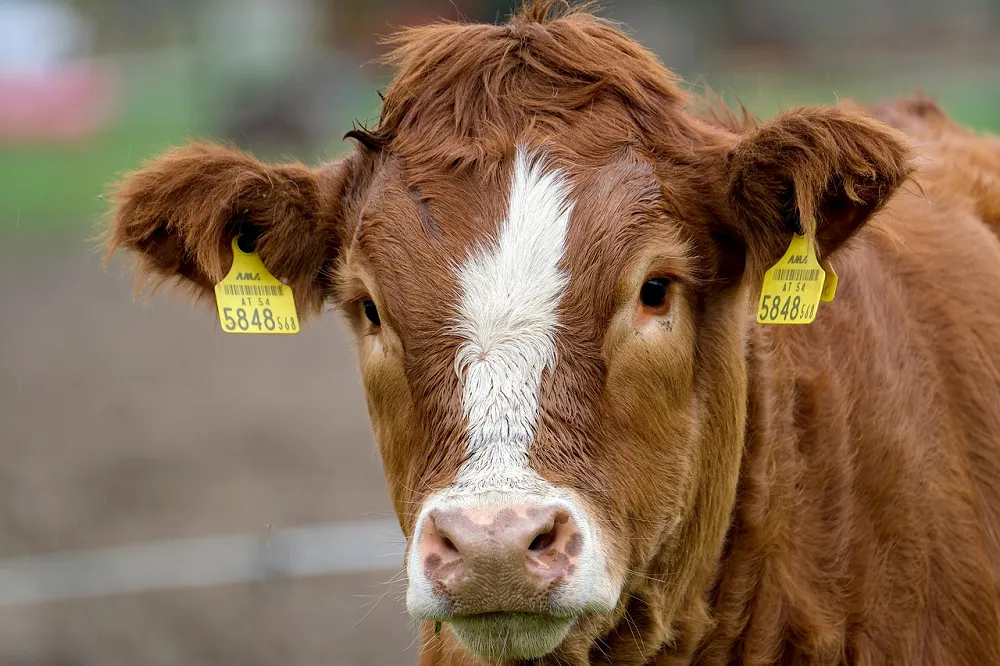
Image Journal articles Can UK retailers deliver “less and better” meat and dairy? This paper uses interviews with senior representatives of the UK food retail sector to explore how retailers view sustainable diets and the extent to which “less and better” meat and dairy plays a part in these understandings. It finds that retailers have diverse understandings of sustainable diets, and that these seldom include “less and better” meat and dairy. While retailers are implementing strategies to improve the sustainability of their meat and dairy supply chains, none of the retailers studied are actively trying to reduce the amount of meat they sell. Read
Image Journal articles The climate responsibilities of industrial meat & dairy producers This paper examines the climate commitments of the world’s 35 largest meat and dairy companies - summarised in this table - which together produce around 15% of all greenhouse gas emissions from animal agriculture. It also compares the companies’ projected future emissions to the Paris climate commitments of the country in which each company is headquartered (while noting that the Paris Agreement does not view climate responsibility in these terms), and traces the political influence of the 10 largest US meat and dairy companies. Read
Image News and resources Seafood mislabelling is common across the world The Guardian newspaper has analysed 44 studies on the mislabelling of seafood. 36% of thousands of samples across more than 30 countries were found to be mislabelled. Although some errors may be accidental, the writers suggest that since most of the substitutions were cheaper fish labelled as more expensive fish, fraud is likely to blame in many cases. Read
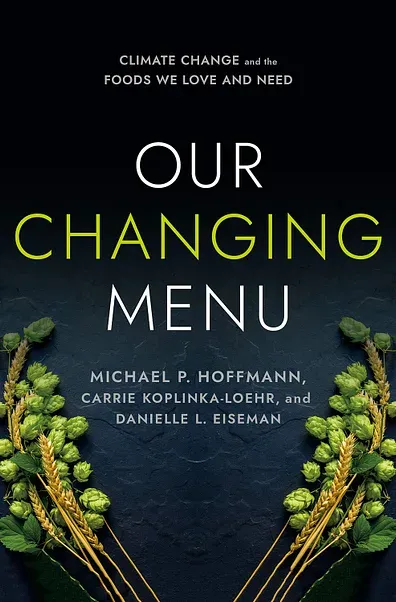
Image News and resources Website: Our Changing Menu Academics and students from Cornell University have released a website, Our Changing Menu, that tells the story of climate change using food. Aimed at a general audience and accompanying the book of the same name, it explains climate change, describes how the production of foods such as avocados, olive oil and beef might change, and offers solutions. A searchable food ingredient database, which will continue to be updated, shows how selected ingredients are expected to be affected by climate change. Read
Image News and resources Database: Cocoa Agroforestry Library US environmental campaign group Mighty Earth and the Smithsonian Migratory Bird Centre have jointly released the Cocoa Agroforestry Library. This is a searchable database of scientific literature on cocoa agroforestry aimed at industry, policymakers, researchers, activists, farmer groups and more. Read