Image Resources Our extensive research library contains thousands of summaries of journal articles, reports and news stories that can be searched by keyword and category RESOURCES CATEGORY Books Briefing paper Event recording Featured articles Featured report Game Journal articles News and resources Reports Think piece Video Working paper Workshop summary Year 2026 2025 2024 2023 2022 2021 2020 2019 2018 2017 2016 2015 2014 2013 2012 2011 2010 2009 2008 2007 2002 2001 Image Books Life Cycle Assessment: A metric for the circular economy This book uses the principles of Life Cycle Assessment to think about the circular economy. Table readers may be particularly interested in Chapters 10 (on packaging, including food packaging), 11 (agricultural crop production) and 12 (livestock production). Read Image Books Food entrepreneurs in Africa: scaling resilient agribusinesses This book offers guidance to African entrepreneurs on how to found and grow resilient food and agriculture businesses. Chapters cover an overview of the food and agriculture sector in Africa, sustainable business models, scaling, innovation and technology, financing growth and building resilience. Read Image Reports Global impacts of investing in public R&D for US crops This report from the US think tank The Breakthrough Institute models the effects of publicly-funded agricultural research and development in the United States on crop production, land use, inputs and greenhouse gas emissions. It finds that spending more on public agricultural R&D would increase land use and emissions in the US, but that these increases would be offset by reductions at the global level. Read Image Reports Livestock pathways to 2030: One Health This series of seven briefing papers from the International Livestock Research Institute and CGIAR uses a One Health approach to highlight the linkages between the health of livestock, crops, people and the environment. Read Image Reports Driving net zero – is agritech ready to capture carbon? This report from Cambridge Consultants examines the technologies and data science techniques that can be used to measure soil carbon cheaply and accurate, enabling farmers to sell carbon sequestration credits. Read Image Journal articles Neonicotinoids in global agriculture: a new pesticide treadmill? This paper sets out a conceptual framework for a “pesticide treadmill”, in which pesticide use initiates a self-reinforcing vicious cycle, which can be escaped from in certain circumstances. It illustrates its arguments using case studies from Sudan and Nicaragua, and sets out similarities and differences between modern neonicotinoid usage patterns and historical examples of pesticide treadmills. Read Image Event recording A 20-year retrospective review of global aquaculture This paper reviews the development of the global aquaculture sector between 1997 and 2017. It finds that while the feed efficiency of aquaculture has improved, aquaculture remains strongly dependent on marine feed ingredients. It identifies strong potential for cultured molluscs and seaweed to contribute to both nutritional security and ecosystems services. Read Image Journal articles Assessing resilience across the food system Table member Madeleine Diment has co-authored this feature in Food Science and Technology, which summarises key insights, themes and recommendations from the literature on how to create resilient food systems. It is based on interviews with food system actors, including representatives of hospitality, catering and government. Read Image Journal articles Biodiversity and the challenge of pluralism This paper argues that the way the concept of “biodiversity” is defined and used is blocking progress in protecting nature. It notes that the mainstream Western conservation movement tends to focus on charismatic species and wilderness. Read VIEW MORE
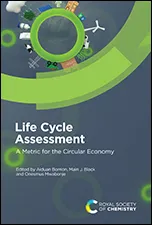
Image Books Life Cycle Assessment: A metric for the circular economy This book uses the principles of Life Cycle Assessment to think about the circular economy. Table readers may be particularly interested in Chapters 10 (on packaging, including food packaging), 11 (agricultural crop production) and 12 (livestock production). Read
Image Books Food entrepreneurs in Africa: scaling resilient agribusinesses This book offers guidance to African entrepreneurs on how to found and grow resilient food and agriculture businesses. Chapters cover an overview of the food and agriculture sector in Africa, sustainable business models, scaling, innovation and technology, financing growth and building resilience. Read
Image Reports Global impacts of investing in public R&D for US crops This report from the US think tank The Breakthrough Institute models the effects of publicly-funded agricultural research and development in the United States on crop production, land use, inputs and greenhouse gas emissions. It finds that spending more on public agricultural R&D would increase land use and emissions in the US, but that these increases would be offset by reductions at the global level. Read
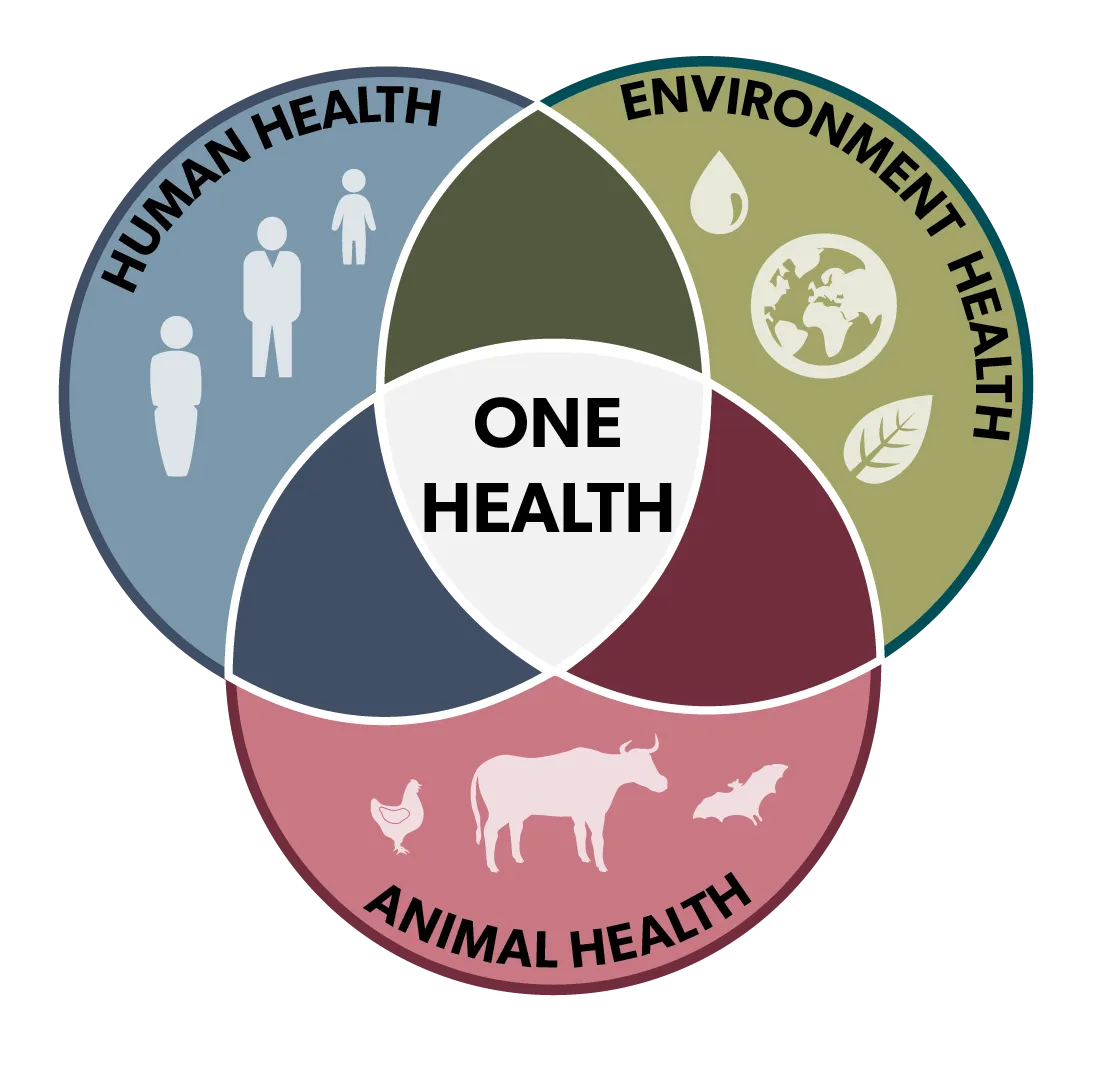
Image Reports Livestock pathways to 2030: One Health This series of seven briefing papers from the International Livestock Research Institute and CGIAR uses a One Health approach to highlight the linkages between the health of livestock, crops, people and the environment. Read
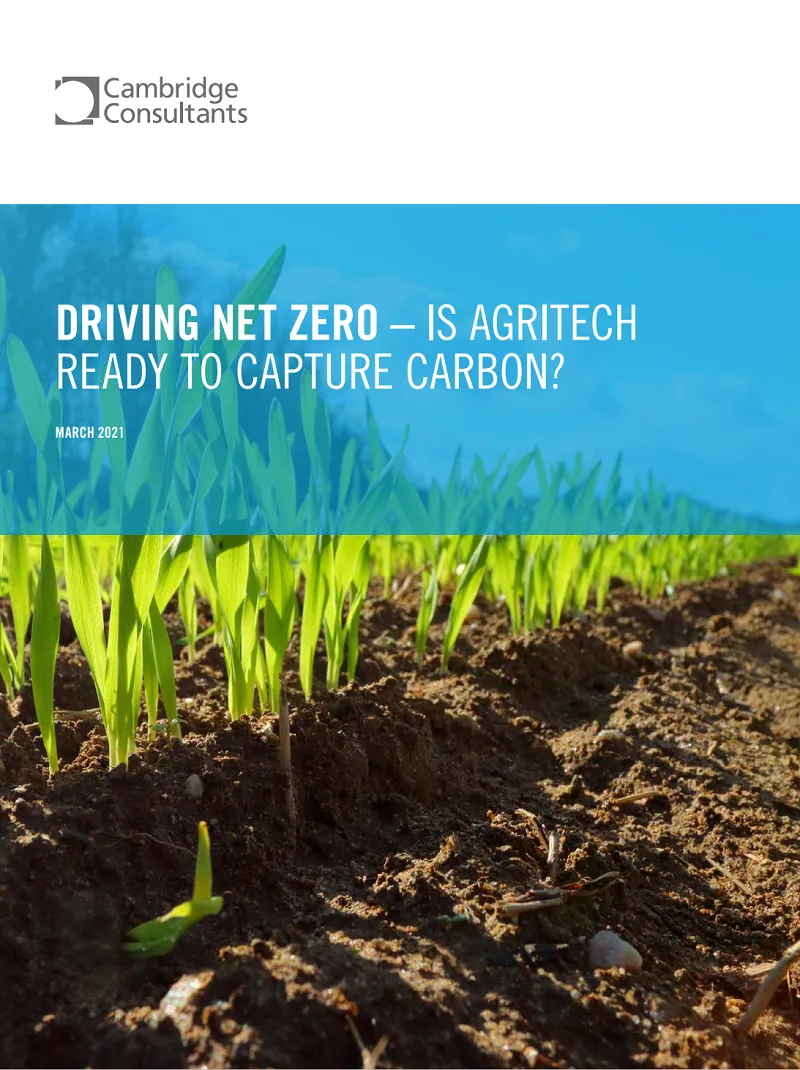
Image Reports Driving net zero – is agritech ready to capture carbon? This report from Cambridge Consultants examines the technologies and data science techniques that can be used to measure soil carbon cheaply and accurate, enabling farmers to sell carbon sequestration credits. Read
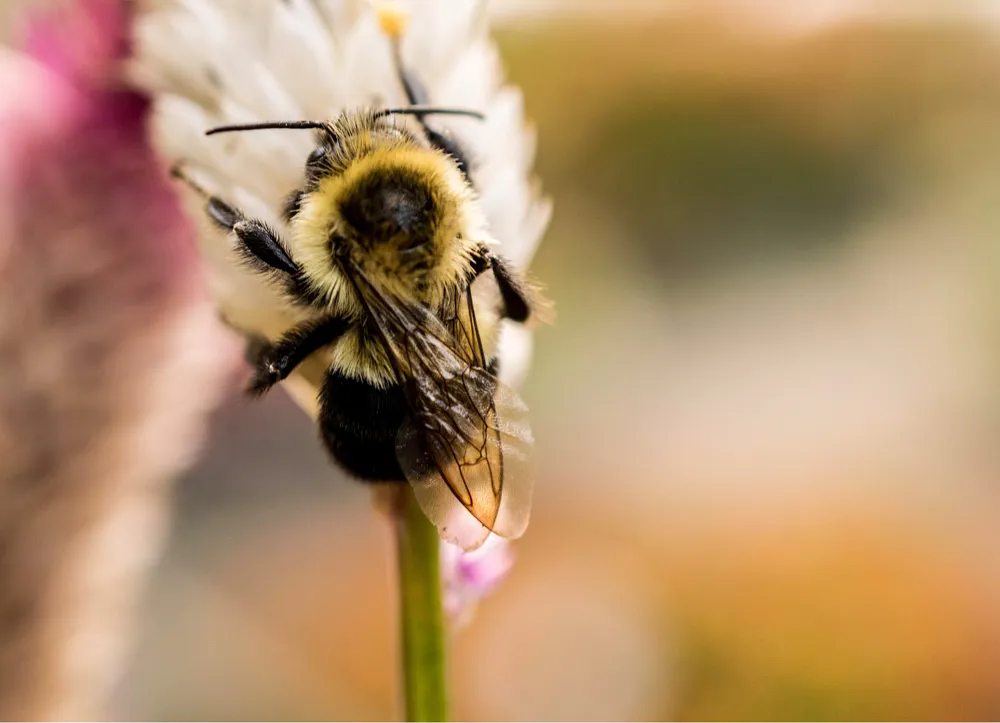
Image Journal articles Neonicotinoids in global agriculture: a new pesticide treadmill? This paper sets out a conceptual framework for a “pesticide treadmill”, in which pesticide use initiates a self-reinforcing vicious cycle, which can be escaped from in certain circumstances. It illustrates its arguments using case studies from Sudan and Nicaragua, and sets out similarities and differences between modern neonicotinoid usage patterns and historical examples of pesticide treadmills. Read
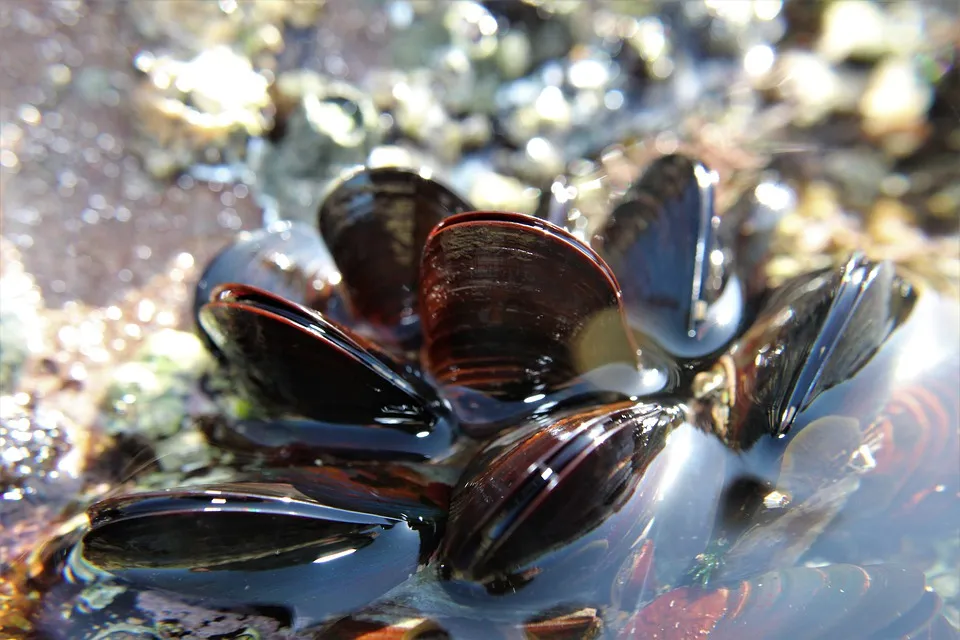
Image Event recording A 20-year retrospective review of global aquaculture This paper reviews the development of the global aquaculture sector between 1997 and 2017. It finds that while the feed efficiency of aquaculture has improved, aquaculture remains strongly dependent on marine feed ingredients. It identifies strong potential for cultured molluscs and seaweed to contribute to both nutritional security and ecosystems services. Read
Image Journal articles Assessing resilience across the food system Table member Madeleine Diment has co-authored this feature in Food Science and Technology, which summarises key insights, themes and recommendations from the literature on how to create resilient food systems. It is based on interviews with food system actors, including representatives of hospitality, catering and government. Read
Image Journal articles Biodiversity and the challenge of pluralism This paper argues that the way the concept of “biodiversity” is defined and used is blocking progress in protecting nature. It notes that the mainstream Western conservation movement tends to focus on charismatic species and wilderness. Read