Image Resources Our extensive research library contains thousands of summaries of journal articles, reports and news stories that can be searched by keyword and category RESOURCES CATEGORY Books Briefing paper Event recording Featured articles Featured report Game Journal articles News and resources Reports Think piece Video Working paper Workshop summary Year 2026 2025 2024 2023 2022 2021 2020 2019 2018 2017 2016 2015 2014 2013 2012 2011 2010 2009 2008 2007 2002 2001 Image Books Transdisciplinary case studies: Design for food & sustainability This book offers a range of case studies to illustrate how food systems can be designed for sustainability, covering food supply chains, new food experiences such as food robots in restaurants, methods for food and sustainability education, and food community engagement. Read Image Reports UNFSS Member State Dialogues Synthesis This report from the United Nations Food Systems Summit synthesises the results of preparatory dialogues held by 11 UN Member States, as of 13 April 2021. The dialogues are designed to bring together a range of stakeholders in national food systems to discuss the issues faced by governments in promoting sustainable food. Read Image Reports State of the Industry: Cultivated, plant-based & fermented These three reports from the think-tank the Good Food Institute set out the global market landscape for three forms of alternative protein: cultivated, plant-based and fermented. The reports discuss retail trends, investments, science and technology developments, and government regulations. Read Image Reports Public health threats facing farmworkers in the US This report from the Johns Hopkins Center for a Livable Future reviews the literature on the working conditions, social contexts and public health threats experienced by farmworkers and their communities in the US. Read Image Journal articles Sparing or sharing land? Views from agricultural scientists In this paper, the authors draw on their experience as agricultural scientists who have worked in Latin America, Eastern and Southern Africa and South Asia to argue that the land-sparing vs land-sharing framework has two major limitations. Read Image Journal articles Future foods for risk-resilient diets This paper argues that novel foods such as microalgae, mycoprotein, molluscs and mealworm can be important sources of nutrition that are resilient to disturbances such as climate change, trade restrictions and disease. Read Image Journal articles Outside the climate safe space for food production This paper sets out a “safe climatic space” for food production and finds that, while climate change could put around one third of global crop and livestock production at risk, keeping to the Paris Agreement could reduce this risk considerably. Read Image News and resources Is agroecology being co-opted by Big Ag? This article published by Civil Eats asks whether the concept of agroecology is being co-opted by proponents of marginal improvements to industrial agriculture systems. Some NGOs have introduced the term “junk agroecology” to refer to corporate forms of agroecology that do not inherently require a simultaneous social justice transformation. Read Image News and resources Podcast: Agriculture’s contribution to antimicrobial resistance TABLE member Luke Spajic has hosted an episode of the Climate Proof-Food Podcast, in which Dr Claas Kirchelle, historian of science, medicine, and technology at University College Dublin, speaks about the contribution of agriculture to antimicrobial resistance. Read VIEW MORE
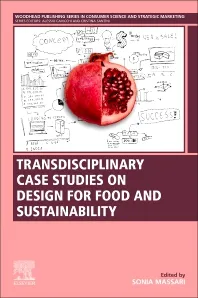
Image Books Transdisciplinary case studies: Design for food & sustainability This book offers a range of case studies to illustrate how food systems can be designed for sustainability, covering food supply chains, new food experiences such as food robots in restaurants, methods for food and sustainability education, and food community engagement. Read
Image Reports UNFSS Member State Dialogues Synthesis This report from the United Nations Food Systems Summit synthesises the results of preparatory dialogues held by 11 UN Member States, as of 13 April 2021. The dialogues are designed to bring together a range of stakeholders in national food systems to discuss the issues faced by governments in promoting sustainable food. Read
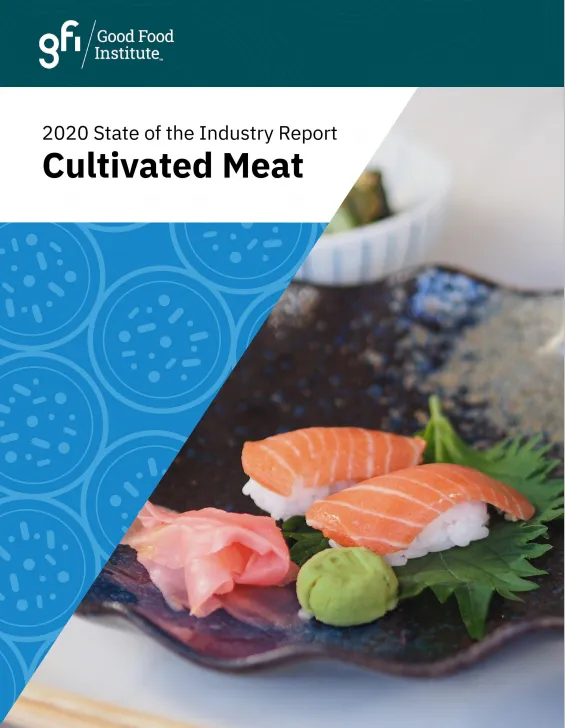
Image Reports State of the Industry: Cultivated, plant-based & fermented These three reports from the think-tank the Good Food Institute set out the global market landscape for three forms of alternative protein: cultivated, plant-based and fermented. The reports discuss retail trends, investments, science and technology developments, and government regulations. Read
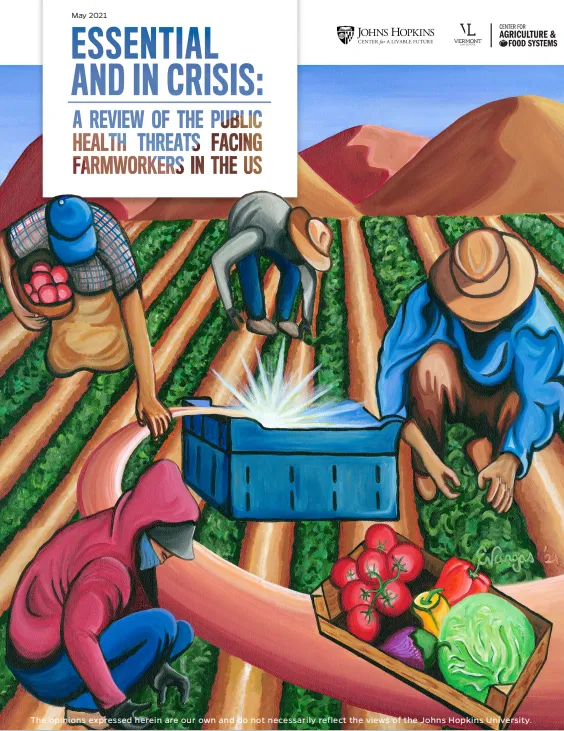
Image Reports Public health threats facing farmworkers in the US This report from the Johns Hopkins Center for a Livable Future reviews the literature on the working conditions, social contexts and public health threats experienced by farmworkers and their communities in the US. Read
Image Journal articles Sparing or sharing land? Views from agricultural scientists In this paper, the authors draw on their experience as agricultural scientists who have worked in Latin America, Eastern and Southern Africa and South Asia to argue that the land-sparing vs land-sharing framework has two major limitations. Read
Image Journal articles Future foods for risk-resilient diets This paper argues that novel foods such as microalgae, mycoprotein, molluscs and mealworm can be important sources of nutrition that are resilient to disturbances such as climate change, trade restrictions and disease. Read
Image Journal articles Outside the climate safe space for food production This paper sets out a “safe climatic space” for food production and finds that, while climate change could put around one third of global crop and livestock production at risk, keeping to the Paris Agreement could reduce this risk considerably. Read
Image News and resources Is agroecology being co-opted by Big Ag? This article published by Civil Eats asks whether the concept of agroecology is being co-opted by proponents of marginal improvements to industrial agriculture systems. Some NGOs have introduced the term “junk agroecology” to refer to corporate forms of agroecology that do not inherently require a simultaneous social justice transformation. Read
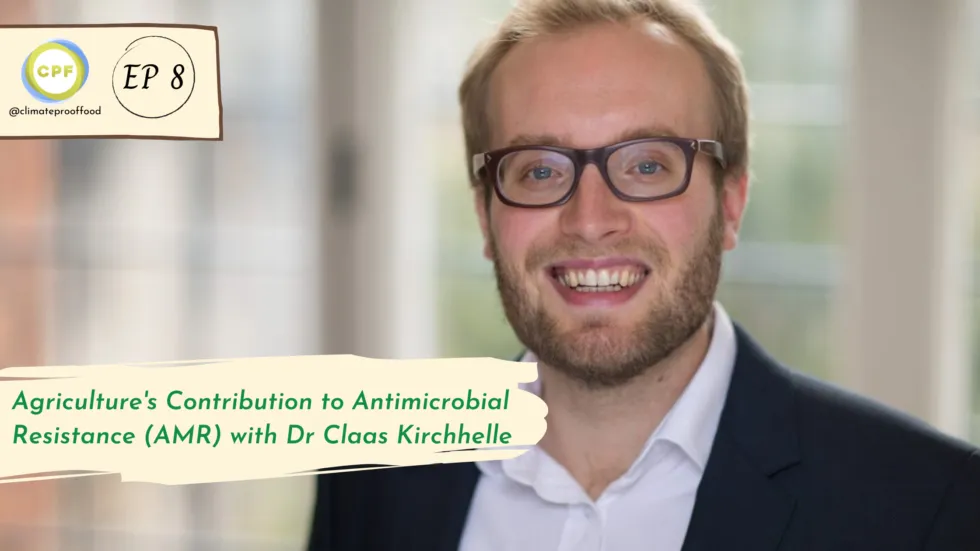
Image News and resources Podcast: Agriculture’s contribution to antimicrobial resistance TABLE member Luke Spajic has hosted an episode of the Climate Proof-Food Podcast, in which Dr Claas Kirchelle, historian of science, medicine, and technology at University College Dublin, speaks about the contribution of agriculture to antimicrobial resistance. Read