Image Resources Our extensive research library contains thousands of summaries of journal articles, reports and news stories that can be searched by keyword and category RESOURCES CATEGORY Books Briefing paper Event recording Featured articles Featured report Game Journal articles News and resources Reports Think piece Video Working paper Workshop summary Year 2026 2025 2024 2023 2022 2021 2020 2019 2018 2017 2016 2015 2014 2013 2012 2011 2010 2009 2008 2007 2002 2001 Image Journal articles Solar-powered microbial biomass offers low-impact protein This paper models the resource use of solar-powered single-cell protein (SCP) production and finds that SCP can produce 10 times more protein and double the calories per unit of land, compared to conventional crop production. SCP is any form of edible biomass from microbes such as algae, fungi or bacteria. Read Image News and resources BIOMILQ produces first milk from cultured human cells US-based startup BIOMILQ says it has produced the world’s first milk made from lab-cultured human mammary cells. The product, made by culturing human mammary cells in the laboratory, has a similar composition of “proteins, complex carbohydrates, fatty acids and other bioactive lipids” to breast milk. BIOMILQ stresses that its product is not identical to breastmilk, the composition of which can be influenced by hormones, baby behaviour, skin contact and so on. Furthermore, it does not contain the antibodies that breast milk does. Read Image News and resources Short film: Accessing healthy, affordable food on a low income This short film from the Consumer Council explores the difficulties that low-income households in Northern Ireland face in accessing healthy and affordable food, particularly with the financial impacts of the COVID-19 pandemic. It features parents, academics and people working in local communities. Read Image Books Can fixing dinner fix the planet? This free online book explores how consumers, nations, and international organisations can work together to improve food systems and restore ecosystems and their ability to provide for people. Read Image Books The Ninth Revolution: Transforming food systems for good This book outlines historical revolutions in the global food system and calls for the global food system to become more diverse in many aspects, including crop species, production systems and farming cultures. Read Image Reports Metal levels in soil, water and food from urban farms This report from the John Hopkins Center for a Livable Future addresses a common concern among urban farming communities: is food grown in the city safe to eat? Focusing on Baltimore, it finds that soil, water and produce from the urban farms and gardens studied have safe levels of harmful metals, with some rare exceptions. TABLE staff member Matthew Kessler contributed to this project. Read Image Reports Less meat and more plants in public sector meals This report from UK NGO Eating Better finds that 80% of UK public sector caterers surveyed - including schools, healthcare and universities - have committed to reducing meat content in their menus, with 83% increasing the amount of beans and pulses they offer. 60% have been using more meat replacement products, 60% said they were using less pork and processed meat, and 56% said they were reducing or removing meat-based dishes from the menu cycle. Over 20% of caterers say they are using more chicken in their dishes. The changes are attributed primarily to concerns about climate, health, nature and animal welfare. Read Image Reports Becoming #GenerationRestoration This report from the UN Environment Programme synthesises evidence on the degradation of the world’s ecosystems, sets out the economic, environmental and social benefits of ecosystem restoration, and calls for individuals and organisations to contribute - including by reducing food waste, using farmland more efficiently, and encouraging a shift towards more plant-based diets. Read Image Reports State of finance for nature Investments in nature-based solutions such as ecosystem restoration and afforestation need to triple by 2030 to meet the world’s climate, biodiversity and land degradation targets, finds this report from the UN Environment Programme. By 2050, annual spending will need to reach US $536 billion - around four times today’s spending levels. Read VIEW MORE
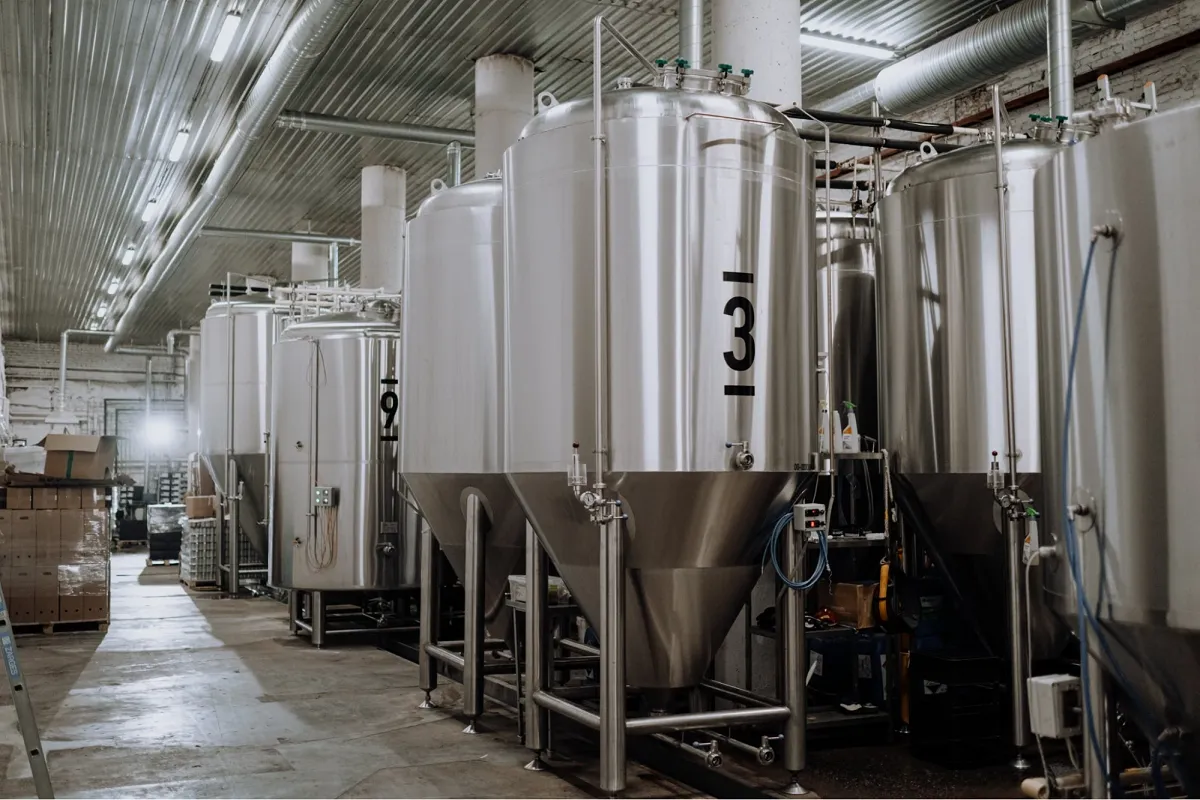
Image Journal articles Solar-powered microbial biomass offers low-impact protein This paper models the resource use of solar-powered single-cell protein (SCP) production and finds that SCP can produce 10 times more protein and double the calories per unit of land, compared to conventional crop production. SCP is any form of edible biomass from microbes such as algae, fungi or bacteria. Read
Image News and resources BIOMILQ produces first milk from cultured human cells US-based startup BIOMILQ says it has produced the world’s first milk made from lab-cultured human mammary cells. The product, made by culturing human mammary cells in the laboratory, has a similar composition of “proteins, complex carbohydrates, fatty acids and other bioactive lipids” to breast milk. BIOMILQ stresses that its product is not identical to breastmilk, the composition of which can be influenced by hormones, baby behaviour, skin contact and so on. Furthermore, it does not contain the antibodies that breast milk does. Read
Image News and resources Short film: Accessing healthy, affordable food on a low income This short film from the Consumer Council explores the difficulties that low-income households in Northern Ireland face in accessing healthy and affordable food, particularly with the financial impacts of the COVID-19 pandemic. It features parents, academics and people working in local communities. Read
Image Books Can fixing dinner fix the planet? This free online book explores how consumers, nations, and international organisations can work together to improve food systems and restore ecosystems and their ability to provide for people. Read
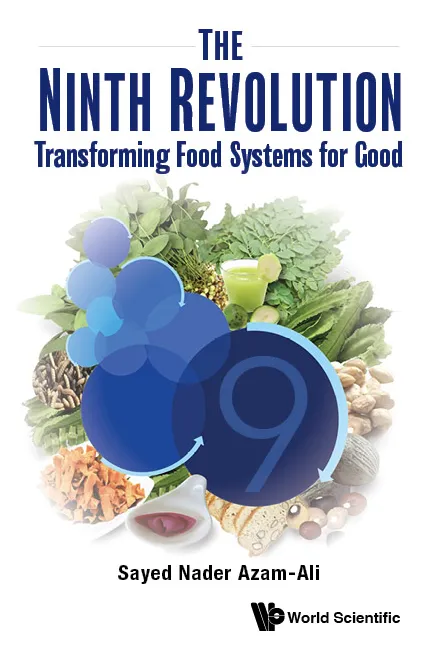
Image Books The Ninth Revolution: Transforming food systems for good This book outlines historical revolutions in the global food system and calls for the global food system to become more diverse in many aspects, including crop species, production systems and farming cultures. Read
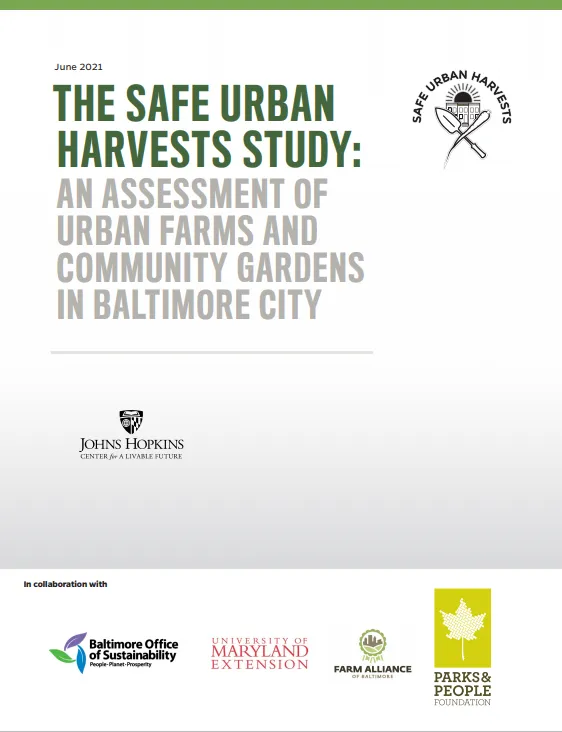
Image Reports Metal levels in soil, water and food from urban farms This report from the John Hopkins Center for a Livable Future addresses a common concern among urban farming communities: is food grown in the city safe to eat? Focusing on Baltimore, it finds that soil, water and produce from the urban farms and gardens studied have safe levels of harmful metals, with some rare exceptions. TABLE staff member Matthew Kessler contributed to this project. Read
Image Reports Less meat and more plants in public sector meals This report from UK NGO Eating Better finds that 80% of UK public sector caterers surveyed - including schools, healthcare and universities - have committed to reducing meat content in their menus, with 83% increasing the amount of beans and pulses they offer. 60% have been using more meat replacement products, 60% said they were using less pork and processed meat, and 56% said they were reducing or removing meat-based dishes from the menu cycle. Over 20% of caterers say they are using more chicken in their dishes. The changes are attributed primarily to concerns about climate, health, nature and animal welfare. Read
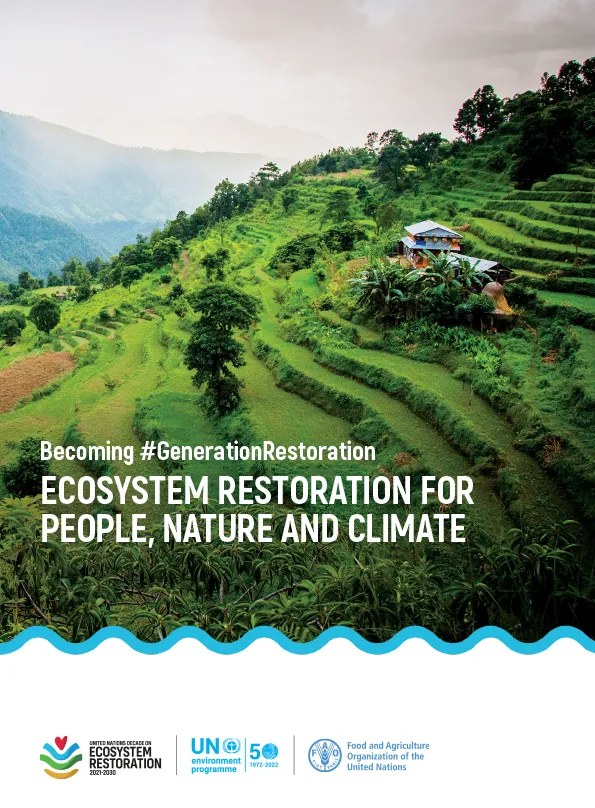
Image Reports Becoming #GenerationRestoration This report from the UN Environment Programme synthesises evidence on the degradation of the world’s ecosystems, sets out the economic, environmental and social benefits of ecosystem restoration, and calls for individuals and organisations to contribute - including by reducing food waste, using farmland more efficiently, and encouraging a shift towards more plant-based diets. Read
Image Reports State of finance for nature Investments in nature-based solutions such as ecosystem restoration and afforestation need to triple by 2030 to meet the world’s climate, biodiversity and land degradation targets, finds this report from the UN Environment Programme. By 2050, annual spending will need to reach US $536 billion - around four times today’s spending levels. Read