Image Resources Our extensive research library contains thousands of summaries of journal articles, reports and news stories that can be searched by keyword and category RESOURCES CATEGORYBooksBriefing paperEvent recordingFeatured articlesFeatured reportGameJournal articlesNews and resourcesReportsThink pieceVideoWorking paperWorkshop summary YEAR201220132014201520162017201820192020202120222023202420252026 Image Resource Food Safety and Informal Markets - Animal Products in Sub-Saharan Africa Animal products are vital components of the diets and livelihoods of people across sub-Saharan Africa. They are frequently traded in local, unregulated markets and this can pose significant health risks. Read Image Resource Report by CDP “Deforestation-free supply chains: From commitments to action” The report Deforestation-free supply chains: From commitments to action, published by CDP, highlights ways in which industry can be part of tackling the deforestation crisis while still securing and maintaining access to their sources of profit. Read Image Resource Report: The Global Green Economy Index by Dualcitizen This is the 4th edition of The Green Economy Index™ (GGEI): “Measuring National Performance in the Green Economy”. It is created by Dual Citizen and it measures the performance of 60 countries and 70 cities in the green economy and how experts assess that performance. Read Image Resource Environmental Indicator Report, 2014 from European Environment Agency (EEA) To examine what the concept of the green economy means in practice for European countries, and to evaluate their progress in achieving such a transition, in 2012 the European Environment Agency (EEA) initiated a new series of environmental indicator reports. The first two reports in the series focused on green economy and the European environment, addressing resource efficiency and resilience and the links between European resource demand, environmental degradation and changes in human wellbeing. Read Image Resource Corporate Responsibility Programmes May Create a 'Health Halo' This study reveals that consumers tend to underestimate calorie counts for companies with positive corporate responsibility programs, and then consume more of the foods produced by them. The study suggests that consumers may infer (often incorrectly), that if the company is engaged in doing ‘good deeds’, their products are healthy. For the research, they split participant groups between two fictional product launches, one company with a positive CSR profile, and the other with neutral CSR, and determined that participants consuming products from the positive CSR profile, ate more. Furthermore, these participants also underestimated the consumed calories for the company with the positive CSR. Read Image Resource No quick fix for global warming – “Disentangling the effects of CO2 and short-lived climate forcer mitigation” Though politicians and scientists have disagreed about whether atmospheric warming can be delayed by reducing short-lived climate forcing (SLCF) agents, an international research team has confirmed that a reduction in carbon dioxide emissions is the only long-term solution. Previously, politicians and industry had been pushing for measures to reduce SLCF emissions as a way to buy time before needing to address CO2 emissions directly. Read Image Resource Nitrogen-neutrality: a step towards a sustainable nitrogen supply Nitrogen is a necessary element for crop and livestock growth, and protein intake is essential for a balanced human diet. This study examines efforts to improve nitrogen use efficiency (NUE) in agriculture, and reduce unintended losses of nitrogen (N) to the environment. The paper particularly looks at how it is possible to offset reactive nitrogen (Nr) and achieve so called nitrogen-neutrality. Read Image Resource New research says nitrous oxide emissions could double by 2050 A new study from researchers at The Earth Institute of Colombia University and the Woods Hole Research Center says emissions of nitrous oxide could double by the middle of the century if left unchecked. Nitrous oxide is the third biggest contributor to human-induced climate warming after carbon dioxide and methane. Read Image Resource Paper finds that no-till agriculture may not bring hoped-for boost in global crop yields No-till farming is a core principle of conservation agriculture where the soil is left relatively undisturbed from harvest to planting. This paper argues that no-till farming appears to hold promise for boosting crop yields only in dry regions, not in cool, moist areas of the world such as Northern Europe. Read VIEW MORE
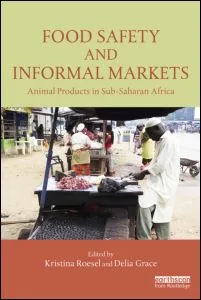
Image Resource Food Safety and Informal Markets - Animal Products in Sub-Saharan Africa Animal products are vital components of the diets and livelihoods of people across sub-Saharan Africa. They are frequently traded in local, unregulated markets and this can pose significant health risks. Read
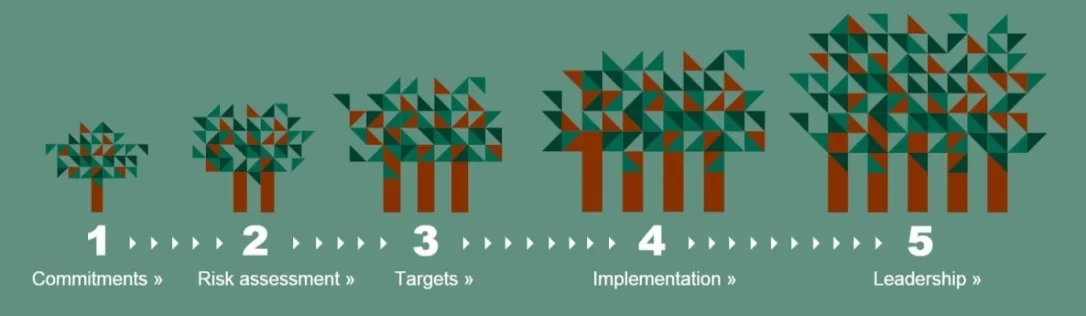
Image Resource Report by CDP “Deforestation-free supply chains: From commitments to action” The report Deforestation-free supply chains: From commitments to action, published by CDP, highlights ways in which industry can be part of tackling the deforestation crisis while still securing and maintaining access to their sources of profit. Read
Image Resource Report: The Global Green Economy Index by Dualcitizen This is the 4th edition of The Green Economy Index™ (GGEI): “Measuring National Performance in the Green Economy”. It is created by Dual Citizen and it measures the performance of 60 countries and 70 cities in the green economy and how experts assess that performance. Read
Image Resource Environmental Indicator Report, 2014 from European Environment Agency (EEA) To examine what the concept of the green economy means in practice for European countries, and to evaluate their progress in achieving such a transition, in 2012 the European Environment Agency (EEA) initiated a new series of environmental indicator reports. The first two reports in the series focused on green economy and the European environment, addressing resource efficiency and resilience and the links between European resource demand, environmental degradation and changes in human wellbeing. Read
Image Resource Corporate Responsibility Programmes May Create a 'Health Halo' This study reveals that consumers tend to underestimate calorie counts for companies with positive corporate responsibility programs, and then consume more of the foods produced by them. The study suggests that consumers may infer (often incorrectly), that if the company is engaged in doing ‘good deeds’, their products are healthy. For the research, they split participant groups between two fictional product launches, one company with a positive CSR profile, and the other with neutral CSR, and determined that participants consuming products from the positive CSR profile, ate more. Furthermore, these participants also underestimated the consumed calories for the company with the positive CSR. Read
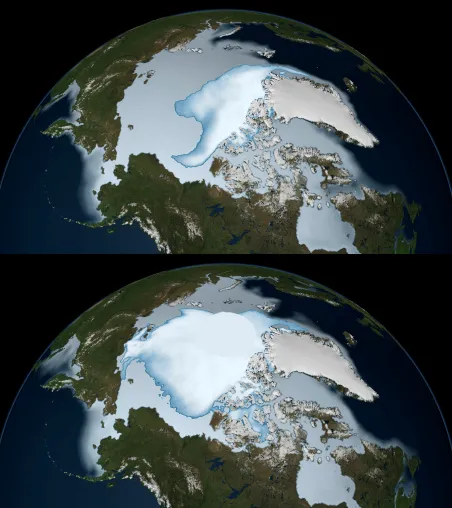
Image Resource No quick fix for global warming – “Disentangling the effects of CO2 and short-lived climate forcer mitigation” Though politicians and scientists have disagreed about whether atmospheric warming can be delayed by reducing short-lived climate forcing (SLCF) agents, an international research team has confirmed that a reduction in carbon dioxide emissions is the only long-term solution. Previously, politicians and industry had been pushing for measures to reduce SLCF emissions as a way to buy time before needing to address CO2 emissions directly. Read
Image Resource Nitrogen-neutrality: a step towards a sustainable nitrogen supply Nitrogen is a necessary element for crop and livestock growth, and protein intake is essential for a balanced human diet. This study examines efforts to improve nitrogen use efficiency (NUE) in agriculture, and reduce unintended losses of nitrogen (N) to the environment. The paper particularly looks at how it is possible to offset reactive nitrogen (Nr) and achieve so called nitrogen-neutrality. Read
Image Resource New research says nitrous oxide emissions could double by 2050 A new study from researchers at The Earth Institute of Colombia University and the Woods Hole Research Center says emissions of nitrous oxide could double by the middle of the century if left unchecked. Nitrous oxide is the third biggest contributor to human-induced climate warming after carbon dioxide and methane. Read
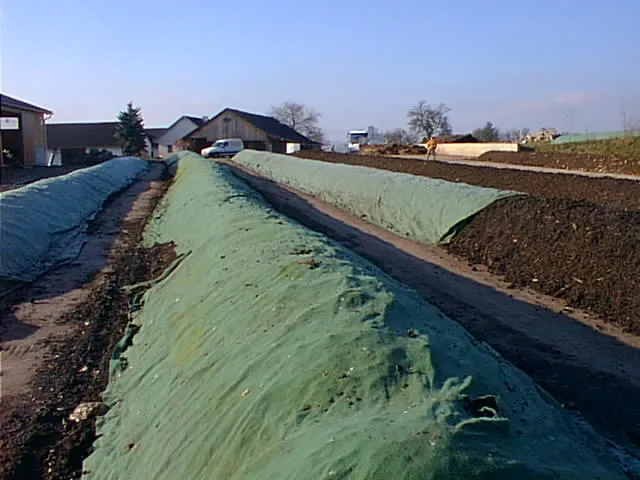
Image Resource Paper finds that no-till agriculture may not bring hoped-for boost in global crop yields No-till farming is a core principle of conservation agriculture where the soil is left relatively undisturbed from harvest to planting. This paper argues that no-till farming appears to hold promise for boosting crop yields only in dry regions, not in cool, moist areas of the world such as Northern Europe. Read