Image Resources Our extensive research library contains thousands of summaries of journal articles, reports and news stories that can be searched by keyword and category RESOURCES CATEGORYBooksBriefing paperEvent recordingFeatured articlesFeatured reportGameJournal articlesNews and resourcesReportsThink pieceVideoWorking paperWorkshop summary YEAR201220132014201520162017201820192020202120222023202420252026 Image Resource Healthy Food for a Healthy World: Leveraging Agriculture & Food to Improve Nutrition This report is published by the Chicago Council for Global Affairs, an independent, nonpartisan organization committed to educating the public—and influencing the public discourse - on global issues of the day. In the report’s introduction they write: “In the effort to produce enough calories to sustain the global population, we have neglected the importance of nutrition. Food systems today simply are not structured to provide the most nutritious food possible to the greatest number of people. We need a new approach to address not just the quantity of food to be produced, but also its quality.” Read Image Resource Review Paper on Future of Artificial Meat Says Conventional Meat Can Be Pushed Into Premium End of Retail This review paper published in the Journal of Integrative Agriculture discusses the future of artificial meat. It suggests that the meat industry will not be able to respond to increases in demand while also finding solutions to livestock induced welfare, health and sustainability challenges, and they will face competition from emerging non-traditional meat and protein products, ranging from plant based meat replacements and in the longer term artificial meat. Read Image Resource Meat and masculinity among young Chinese, Turkish and Dutch adults in the Netherlands This paper addresses cultural barriers to achieving sustainability and health objectives. Previous research has suggested that meat eating and masculinity are closely associated in many people’s minds; this paper looks at whether there are differences between ethnic groups in how this association is perceived. The three ethnic groups it looks at are the native Dutch, Chinese-Dutch and the Turkish-Dutch. The paper argues that less traditional framings of masculinity seem to contribute to more healthy/sustainable food preferences with respect to meat. Based on a survey of attitudes it finds that the Turkish-Dutch community are more traditional than the Chinese-Dutch and the native Dutch communities; and that the strongest meat–masculinity link was found among the Turkish men while the weakest meat–masculinity link was found among the native Dutch. Read Image Resource Seed Coating With a Neonicotinoid Insecticide Negatively Affects Wild Bees This paper published in Nature shows that neonicotinoids, a commonly used insecticide seed coating can have serious consequences for wild bees. The paper is based on a study of 16 rapeseed fields in the southern part of Sweden; it finds that there are only half as many bees in fields that have been treated with the insecticide as in untreated ones. Insecticides that include neonicotinoid make up a fifth of the whole insecticide market. Read Image Resource Use of Insects In Animal Feed Seen As Favourable By Farmers, Sector and Consumers This research suggests that attitudes towards the use of insects in animal feed and resulting livestock products are generally positive. The paper finds that of those interviewed (farmers, agriculture sector stakeholders and citizens in Belgium), two thirds accept the idea of using insects in animal feed, and in particularly feel positively towards their potential role in improving the sustainability of animal diets. Read Resource Eating eggs reduces risk of type 2 diabetes This paper shows that egg consumption may reduce the risk of type 2 diabetes. Earlier research has shown links between lifestyle habits, such as exercise and nutrition, and a reduction of the disease but this study has showed that egg consumption was associated with a lower risk of type 2 diabetes as well as with lower blood glucose levels. Read Image Resource Seminar summary: What role for grazing livestock in a world of climate change and diet-related disease? The Sustainable Food Trust recently held an event to discuss the question: ‘What role for grazing livestock in a world of climate change and diet-related disease?’ Read Image Resource European Commission brief: Rooftop gardens could grow three quarters of city’s vegetables This brief argues that rooftop gardens in cities could supply cities with more than three quarters of their vegetable requirements. The brief from the European Commission is based on evidence from a case study from Bologna, Italy. Read Image Resource Ikea has launched a new veggie version of its famous Swedish meatballs The launch of the new vegetarian alternative to the meatballs – grönsaksbullar - is what Ikea calls “the first step to include a wider variety of healthier and more sustainable food choices”. Read VIEW MORE
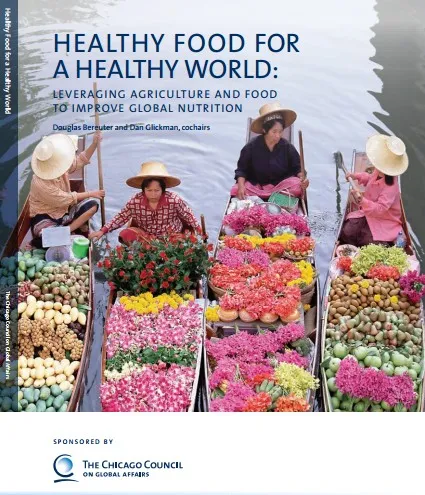
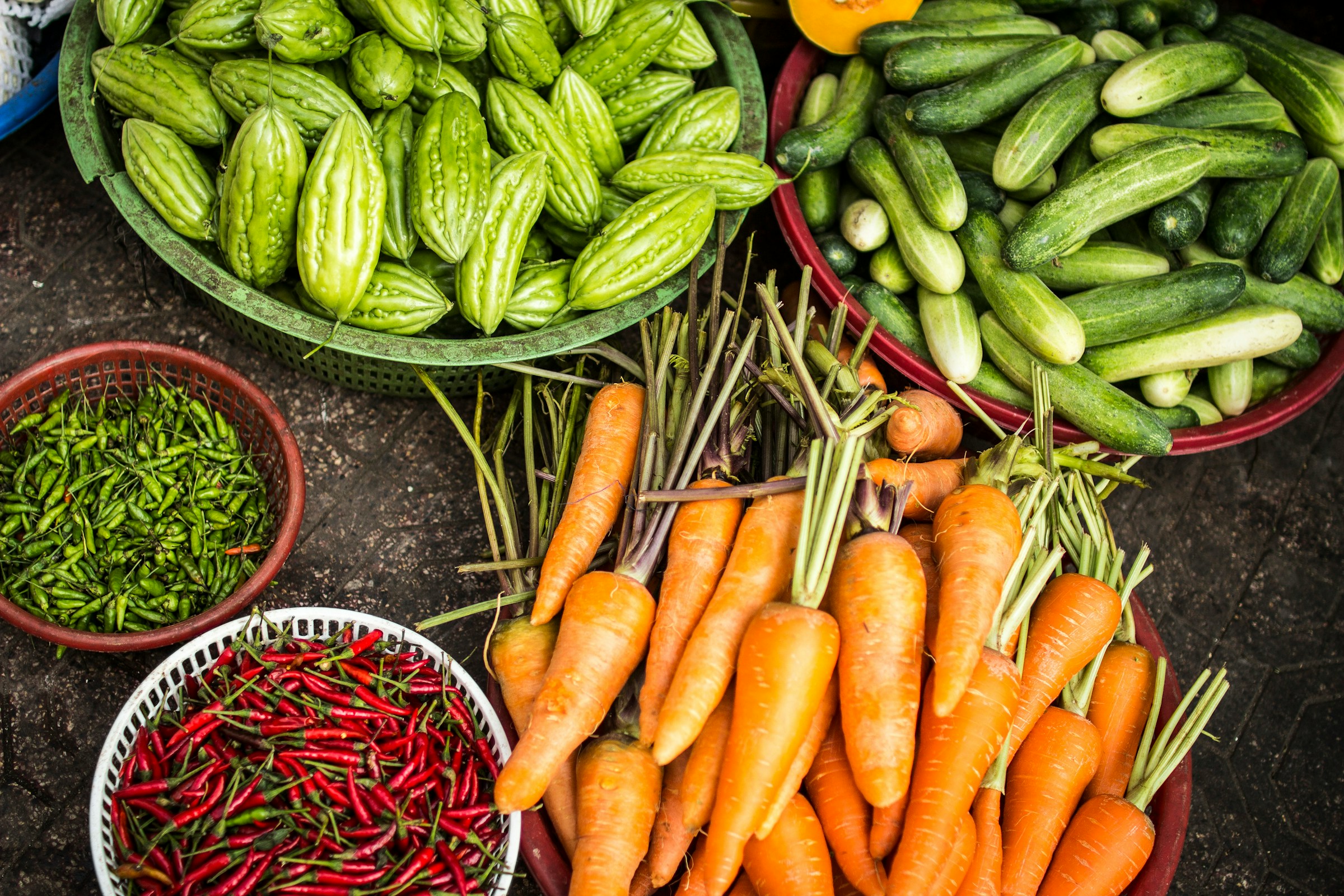
Image Resource Healthy Food for a Healthy World: Leveraging Agriculture & Food to Improve Nutrition This report is published by the Chicago Council for Global Affairs, an independent, nonpartisan organization committed to educating the public—and influencing the public discourse - on global issues of the day. In the report’s introduction they write: “In the effort to produce enough calories to sustain the global population, we have neglected the importance of nutrition. Food systems today simply are not structured to provide the most nutritious food possible to the greatest number of people. We need a new approach to address not just the quantity of food to be produced, but also its quality.” Read
Image Resource Review Paper on Future of Artificial Meat Says Conventional Meat Can Be Pushed Into Premium End of Retail This review paper published in the Journal of Integrative Agriculture discusses the future of artificial meat. It suggests that the meat industry will not be able to respond to increases in demand while also finding solutions to livestock induced welfare, health and sustainability challenges, and they will face competition from emerging non-traditional meat and protein products, ranging from plant based meat replacements and in the longer term artificial meat. Read
Image Resource Meat and masculinity among young Chinese, Turkish and Dutch adults in the Netherlands This paper addresses cultural barriers to achieving sustainability and health objectives. Previous research has suggested that meat eating and masculinity are closely associated in many people’s minds; this paper looks at whether there are differences between ethnic groups in how this association is perceived. The three ethnic groups it looks at are the native Dutch, Chinese-Dutch and the Turkish-Dutch. The paper argues that less traditional framings of masculinity seem to contribute to more healthy/sustainable food preferences with respect to meat. Based on a survey of attitudes it finds that the Turkish-Dutch community are more traditional than the Chinese-Dutch and the native Dutch communities; and that the strongest meat–masculinity link was found among the Turkish men while the weakest meat–masculinity link was found among the native Dutch. Read
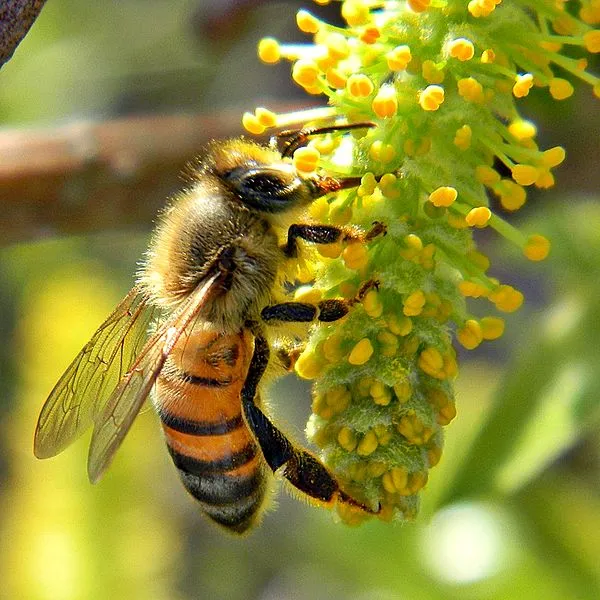
Image Resource Seed Coating With a Neonicotinoid Insecticide Negatively Affects Wild Bees This paper published in Nature shows that neonicotinoids, a commonly used insecticide seed coating can have serious consequences for wild bees. The paper is based on a study of 16 rapeseed fields in the southern part of Sweden; it finds that there are only half as many bees in fields that have been treated with the insecticide as in untreated ones. Insecticides that include neonicotinoid make up a fifth of the whole insecticide market. Read
Image Resource Use of Insects In Animal Feed Seen As Favourable By Farmers, Sector and Consumers This research suggests that attitudes towards the use of insects in animal feed and resulting livestock products are generally positive. The paper finds that of those interviewed (farmers, agriculture sector stakeholders and citizens in Belgium), two thirds accept the idea of using insects in animal feed, and in particularly feel positively towards their potential role in improving the sustainability of animal diets. Read
Resource Eating eggs reduces risk of type 2 diabetes This paper shows that egg consumption may reduce the risk of type 2 diabetes. Earlier research has shown links between lifestyle habits, such as exercise and nutrition, and a reduction of the disease but this study has showed that egg consumption was associated with a lower risk of type 2 diabetes as well as with lower blood glucose levels. Read
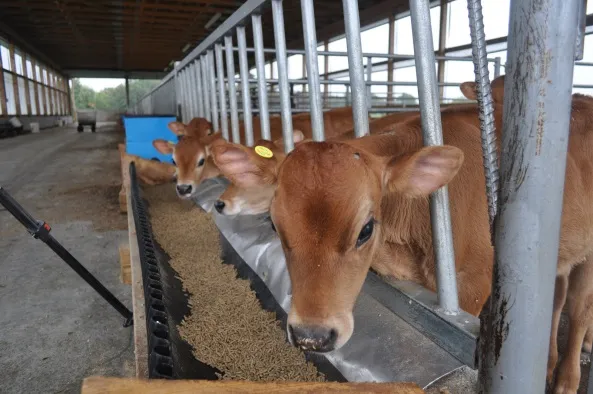
Image Resource Seminar summary: What role for grazing livestock in a world of climate change and diet-related disease? The Sustainable Food Trust recently held an event to discuss the question: ‘What role for grazing livestock in a world of climate change and diet-related disease?’ Read
Image Resource European Commission brief: Rooftop gardens could grow three quarters of city’s vegetables This brief argues that rooftop gardens in cities could supply cities with more than three quarters of their vegetable requirements. The brief from the European Commission is based on evidence from a case study from Bologna, Italy. Read
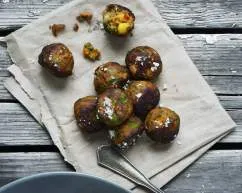
Image Resource Ikea has launched a new veggie version of its famous Swedish meatballs The launch of the new vegetarian alternative to the meatballs – grönsaksbullar - is what Ikea calls “the first step to include a wider variety of healthier and more sustainable food choices”. Read