Image Resources Our extensive research library contains thousands of summaries of journal articles, reports and news stories that can be searched by keyword and category RESOURCES CATEGORYBooksBriefing paperEvent recordingFeatured articlesFeatured reportGameJournal articlesNews and resourcesReportsThink pieceVideoWorking paperWorkshop summary YEAR201220132014201520162017201820192020202120222023202420252026 Image Resource ‘Feeding the Planet: Building on the Milan Charter’ - Position statement by CIWF Compassion In World Farming (CIWF) has produced a new report, Feeding the Planet: Building on the Milan Charter, released to coincide with the Expo Milan 2015 which is organised around the theme: Feeding The Planet, Energy for Life. The Milan Charter – produced by Italy - highlights the need to produce healthy, safe and sufficient food for everyone, while respecting the planet and its equilibrium. Read Image Resource Donor mapping - Global sustainable food and agriculture: a landscape assessment This is a new report commissioned by the Global Alliance for the Future of Food in collaboration with the Meridian Institute for use by Global Alliance members. The Global Alliance is a coalition of foundations that have come together to help shift food and agriculture systems towards greater sustainability, security, and equity. In this report they aim to provide a high level assessment and overview of the philanthropic donor landscape in relation to sustainable food and agriculture systems. The report represents a synthesis of several parallel and complementary efforts: Read Image Resource First report from IPES-Food: Who shapes food systems, and who has a say in how they are reformed? This report was produced by the International Panel of Experts on Sustainable Food Systems, IPES-Food -a new transdisciplinary initiative to support, inform and advise the policy debate on how to reform food systems across the world. Read Image Resource The principles of healthy and sustainable eating patterns This report is produced as follow-on work to the Green Food Project, which focused on sustainable consumption and production. The Green Food Project report in July 2012 concluded that follow-on work was required to enable a broader and more sophisticated debate around the roles that diet and consumption play in the sustainability of the whole food system. Read Image Resource Can seafood with a high carbon footprint be sustainable? This new paper in Marine Policy suggests that eco-label improvements can be made by integrating the carbon footprints of products in sustainability assessments (eco-labels, sustainability certification, or consumer seafood sustainability guides). Read Image Resource Policies and actions to shift eating patterns: What works? This literature review, undertaken by the Food Climate Research Network and Chatham House, and in association with EAT who also kindly supported the work, considers what the evidence has to say about effective ways of shifting people’s consumption patterns in more sustainable and healthy directions. Read Image Resource The impact of eating habits on climate –research project analysing trends and ways to change course in India This article from Nature Climate Change discusses a research project that investigates the impacts of both traditional and transitioning Indian diets on the climate. Funded by Wellcome Trust, the goal is to obtain a detailed picture of what people are eating throughout India and calculate both the climate and health impacts of different types of diets. Read Image Resource Secure sustainable seafood from developing countries In this article in Science, researchers warn that imported fish sold in European and North American shops may be less sustainably caught than claims suggest. The experts argue that projects aimed at stimulating sustainable fishing in developing countries often don’t deliver on their goals and therefore, in order to prevent that the MSC (Marine Stewardship Council) quality label for sustainable fish is undermined, requirements for market access need to be more rigorous. Read Image Resource The rising cost of a healthy diet in high-income and emerging economies The share of the population that is overweight or obese is increasing, especially in the emerging economies of the developing world. This report explores policies to combat obesity. Specifically, it analyses the effects of relative price changes between different types of foods on consumer behaviour in high-income and emerging economies (Brazil, China, Republic of Korea and Mexico). The researchers look into the causes of increasing obesity and changes to the retail prices of foods and ask if healthy eating is becoming a luxury in emerging markets, as has been the trend in high-income countries. Read VIEW MORE
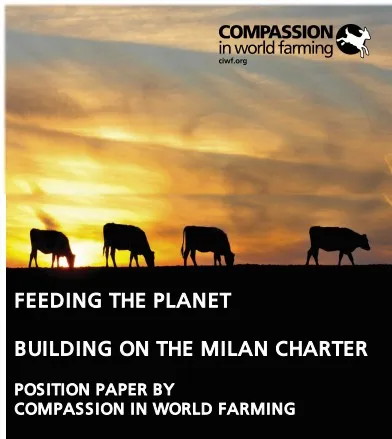
Image Resource ‘Feeding the Planet: Building on the Milan Charter’ - Position statement by CIWF Compassion In World Farming (CIWF) has produced a new report, Feeding the Planet: Building on the Milan Charter, released to coincide with the Expo Milan 2015 which is organised around the theme: Feeding The Planet, Energy for Life. The Milan Charter – produced by Italy - highlights the need to produce healthy, safe and sufficient food for everyone, while respecting the planet and its equilibrium. Read
Image Resource Donor mapping - Global sustainable food and agriculture: a landscape assessment This is a new report commissioned by the Global Alliance for the Future of Food in collaboration with the Meridian Institute for use by Global Alliance members. The Global Alliance is a coalition of foundations that have come together to help shift food and agriculture systems towards greater sustainability, security, and equity. In this report they aim to provide a high level assessment and overview of the philanthropic donor landscape in relation to sustainable food and agriculture systems. The report represents a synthesis of several parallel and complementary efforts: Read
Image Resource First report from IPES-Food: Who shapes food systems, and who has a say in how they are reformed? This report was produced by the International Panel of Experts on Sustainable Food Systems, IPES-Food -a new transdisciplinary initiative to support, inform and advise the policy debate on how to reform food systems across the world. Read
Image Resource The principles of healthy and sustainable eating patterns This report is produced as follow-on work to the Green Food Project, which focused on sustainable consumption and production. The Green Food Project report in July 2012 concluded that follow-on work was required to enable a broader and more sophisticated debate around the roles that diet and consumption play in the sustainability of the whole food system. Read
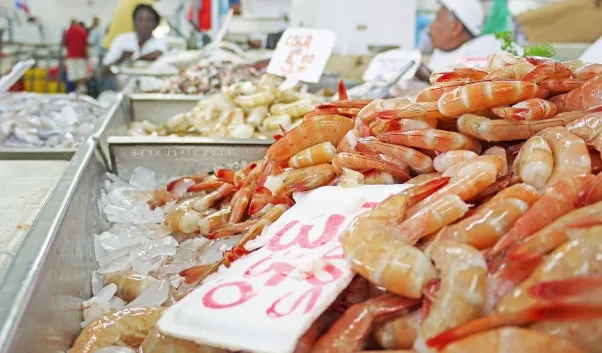
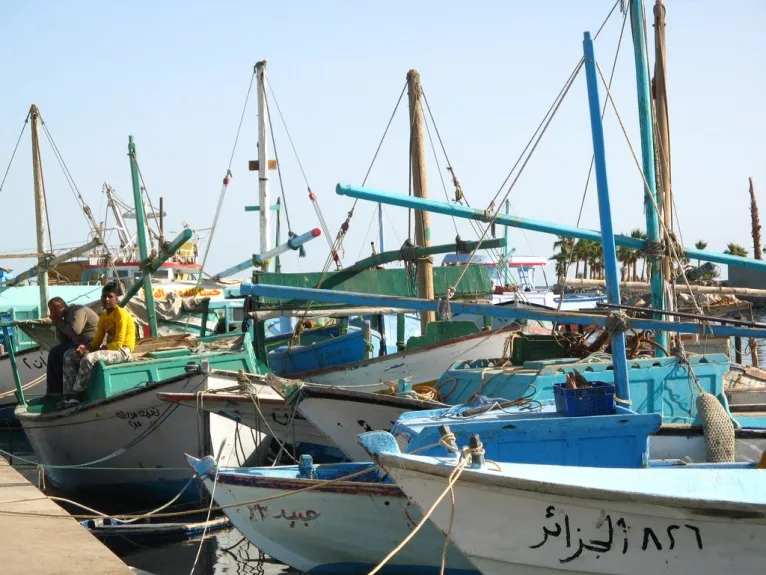
Image Resource Can seafood with a high carbon footprint be sustainable? This new paper in Marine Policy suggests that eco-label improvements can be made by integrating the carbon footprints of products in sustainability assessments (eco-labels, sustainability certification, or consumer seafood sustainability guides). Read
Image Resource Policies and actions to shift eating patterns: What works? This literature review, undertaken by the Food Climate Research Network and Chatham House, and in association with EAT who also kindly supported the work, considers what the evidence has to say about effective ways of shifting people’s consumption patterns in more sustainable and healthy directions. Read
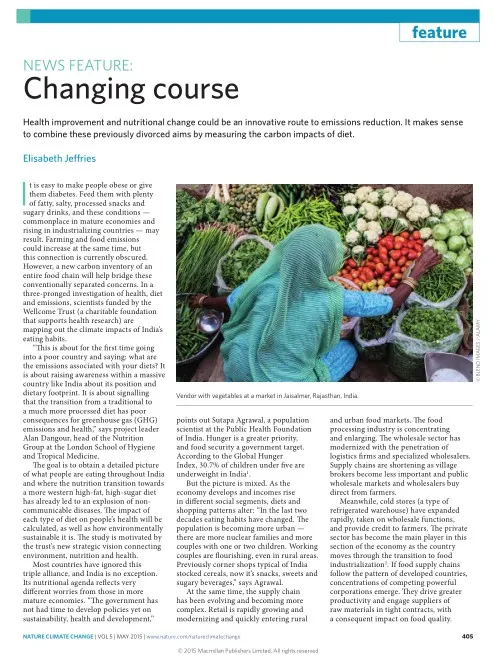
Image Resource The impact of eating habits on climate –research project analysing trends and ways to change course in India This article from Nature Climate Change discusses a research project that investigates the impacts of both traditional and transitioning Indian diets on the climate. Funded by Wellcome Trust, the goal is to obtain a detailed picture of what people are eating throughout India and calculate both the climate and health impacts of different types of diets. Read
Image Resource Secure sustainable seafood from developing countries In this article in Science, researchers warn that imported fish sold in European and North American shops may be less sustainably caught than claims suggest. The experts argue that projects aimed at stimulating sustainable fishing in developing countries often don’t deliver on their goals and therefore, in order to prevent that the MSC (Marine Stewardship Council) quality label for sustainable fish is undermined, requirements for market access need to be more rigorous. Read
Image Resource The rising cost of a healthy diet in high-income and emerging economies The share of the population that is overweight or obese is increasing, especially in the emerging economies of the developing world. This report explores policies to combat obesity. Specifically, it analyses the effects of relative price changes between different types of foods on consumer behaviour in high-income and emerging economies (Brazil, China, Republic of Korea and Mexico). The researchers look into the causes of increasing obesity and changes to the retail prices of foods and ask if healthy eating is becoming a luxury in emerging markets, as has been the trend in high-income countries. Read