Journal articles
Seeing animals, choosing plants: Evidence from a cafeteria field study on food choice
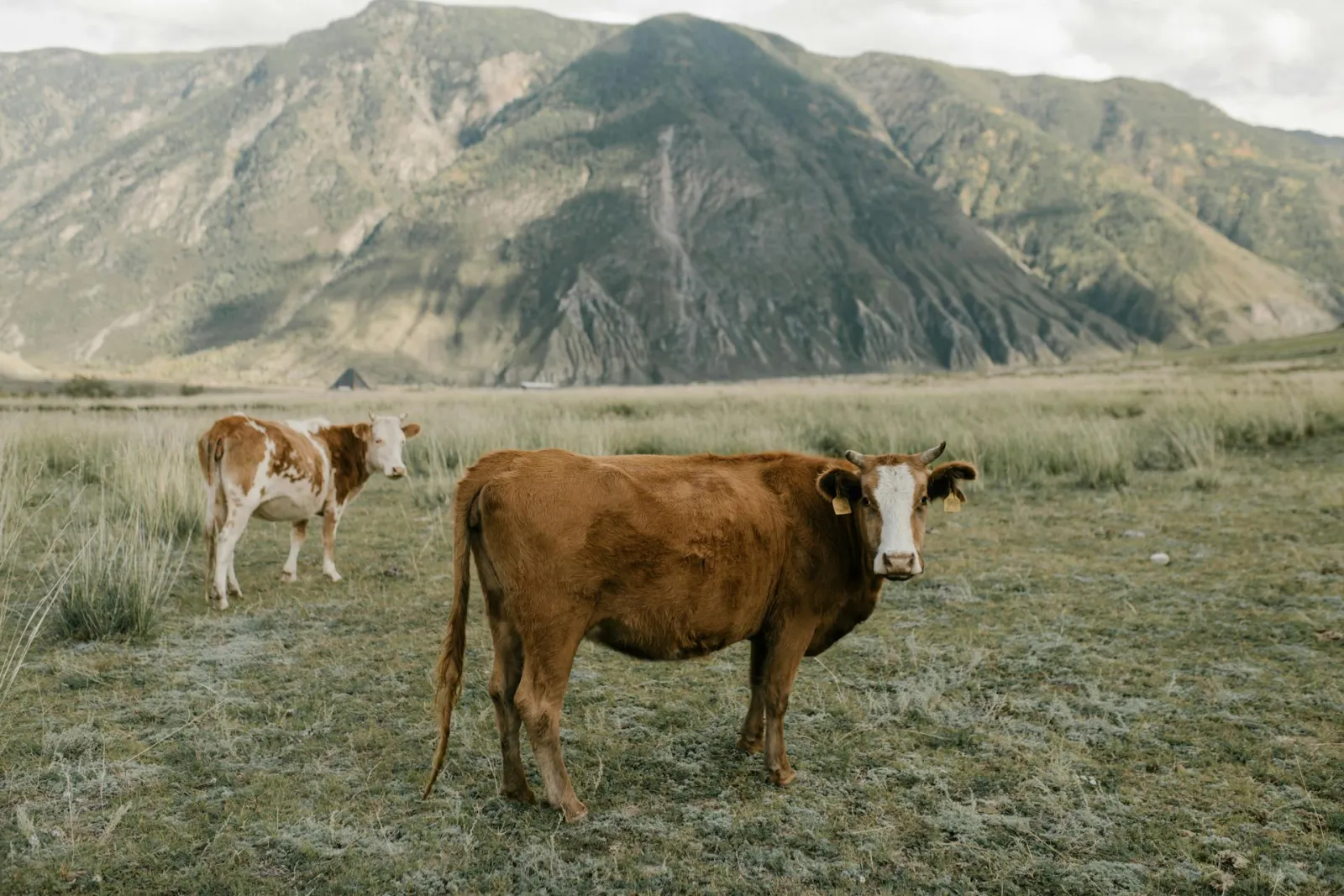
In this study, images of living animals were placed alongside the corresponding meat-based dishes on a cafeteria menu at a British university. Analysis of 3674 meal sales revealed odds of selecting a vegetarian meal 22% higher during the intervention (vs. baseline) period. The present findings provide behavioral evidence that visual cues linking meat to its animal origins can influence real-world food choices.
Abstract
Reducing meat consumption is a priority for reducing greenhouse gas emissions and mitigating the climate crisis. Past research reveals that reminders of meat's animal origins can reduce self-reported willingness to consume meat. Less clear is whether such reminders affect natural, real-world behavior. In the present field study, images of living animals were placed alongside the corresponding meat-based dishes on a cafeteria menu at a British university (e.g., a cow next to beef bolognese, a pig next to pork gyros, and a chicken next to sweet and sour chicken). Unobtrusive sales data were collected across two periods: a baseline period and an intervention period with a matched menu (without photos). Analysis of 3674 meal sales revealed a significant increase in vegetarian choices, with the odds of selecting a vegetarian meal 22% higher during the intervention (vs. baseline) period. Effects were consistent across meat types. The present findings provide behavioral evidence that visual cues linking meat to its animal origins can influence real-world food choices, helping bridge the gap between laboratory research and applied behavioral evidence.
Comments (0)