Close
Login Register
Search
  • About
    • What We Do
    • Who We Are
    • FAQs
  • Our Writing
    • Explainers
    • Essays
    • Letterbox
    • Reports & More
  • Podcasts
  • Our Events
  • Projects
    • Power In The Food Systems
    • Local-Global Scale Project
    • MEAT: The Four Futures Podcast
    • Fuel To Fork
    • Nature
    • Reckoning with Regeneration
    • SHIFT
    • Games at TABLE
    • Rethinking the Global Soy Dilemma
  • Resources
  • Opportunities
    • Jobs
    • Funding
    • Courses
    • Collaborations
    • Events
  • Newsletter
  • TABLE (EN)
Search
Back

Sustainable healthy diets

Image
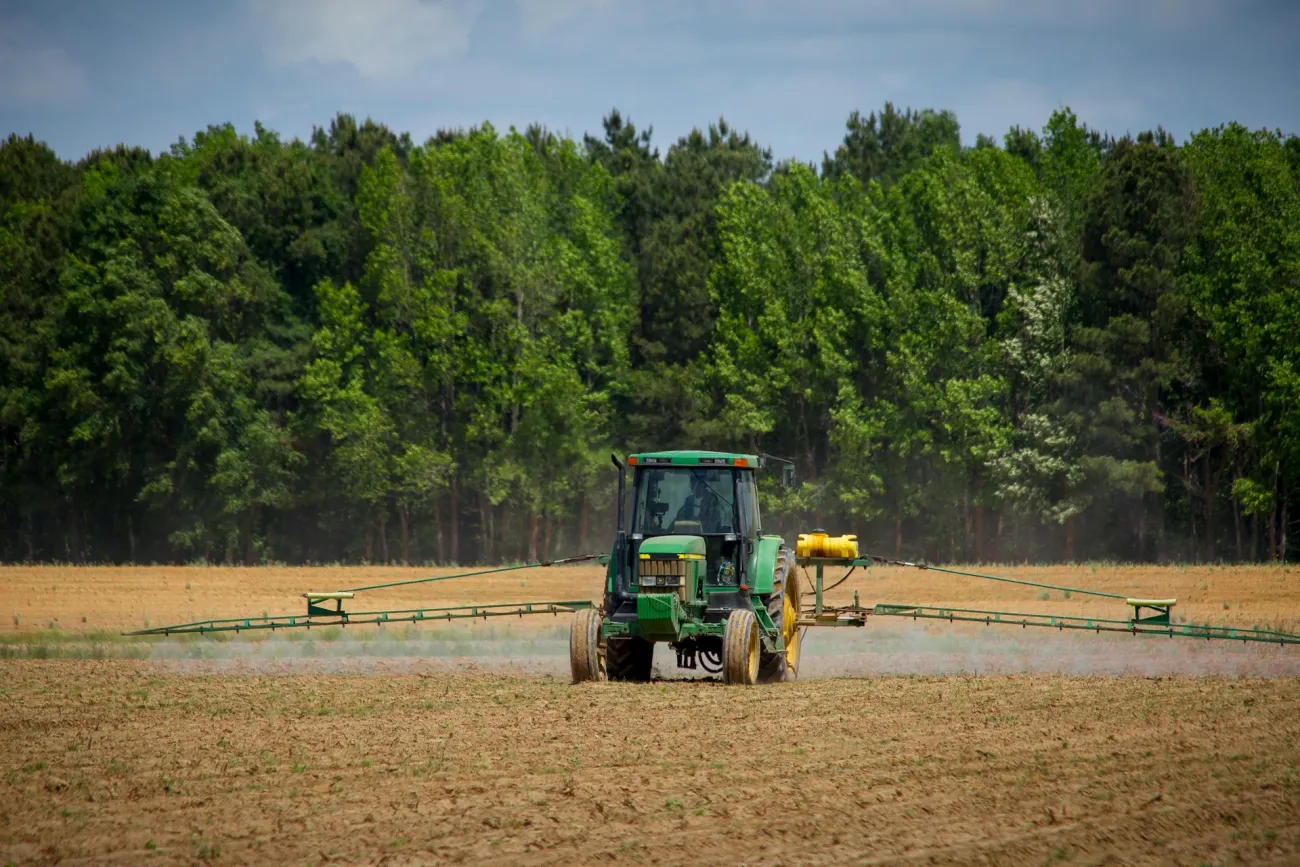
tractor spraying chemicals. Credit  Mark Stebnicki via Pexels
Journal articles
Increased pesticide use and ecotoxicity impacts associated with plant-based dietary shifts
This study estimates the pesticide usage and freshwater ecotoxicity impacts of the current national diet and advocated EAT-Lancet diet, Mediterranean diet, and vegetarian diet. It finds that shifting toward these recommended diets, except for the EAT-Lanet diet, would lead to increased pesticide usage and associated ecotoxicity impacts.
Read
Image
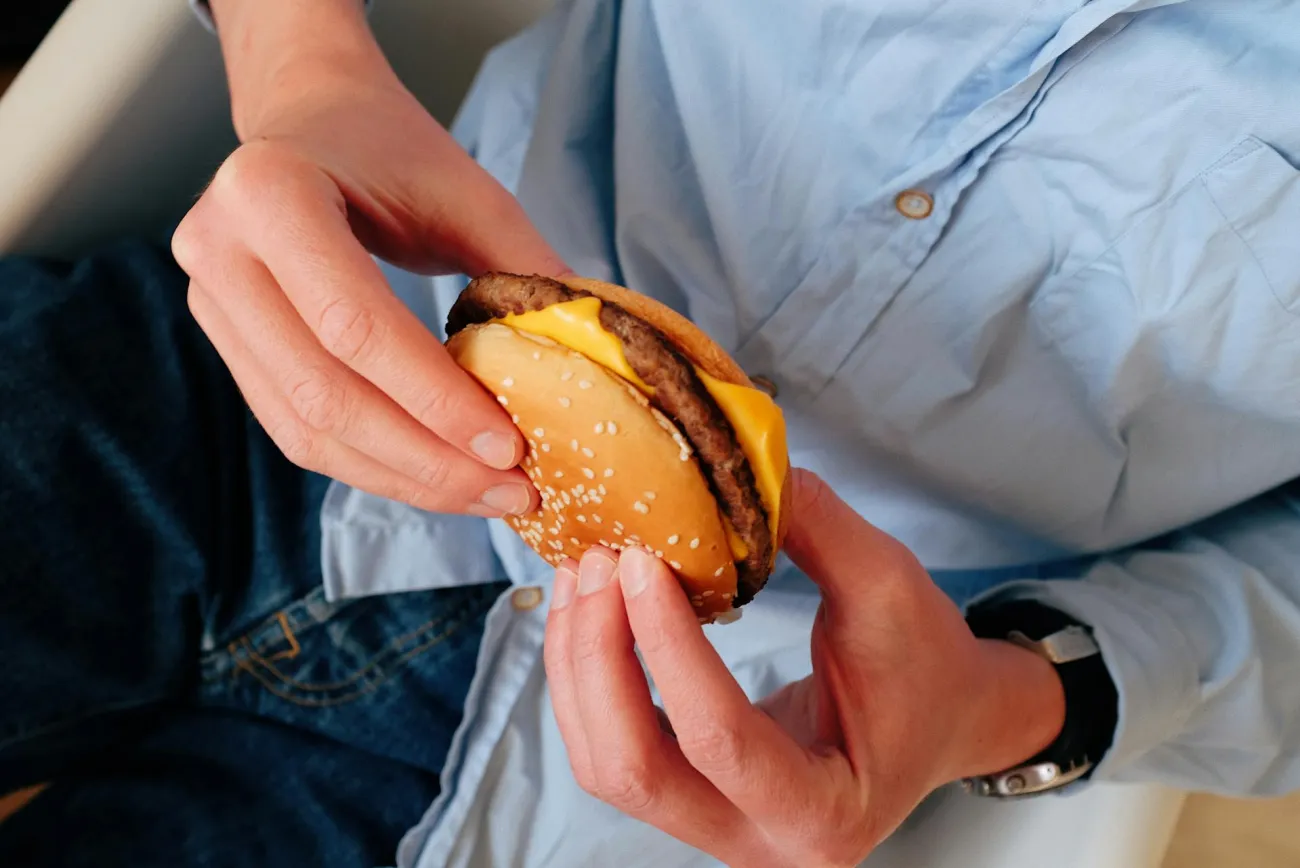
Man eating burger. Credit: ready made via Pexels.
Journal articles
Greater readiness to reduce meat consumption is associated with lower greenhouse gas emissions
This study shows that readiness to reduce meat consumption leads to lower diet-related greenhouse gases emissions among French consumers. 
Read
Image
Cow looking at camera. Credit: Julia Volk via Pexels
Journal articles
Seeing animals, choosing plants: Evidence from a cafeteria field study on food choice
In this study, images of living animals were placed alongside the corresponding meat-based dishes on a cafeteria menu at a British university. Analysis of 3674 meal sales revealed odds of selecting a vegetarian meal 22% higher during the intervention (vs. baseline) period. The present findings provide behavioral evidence that visual cues linking meat to its animal origins can influence real-world food choices. 
Read
Image
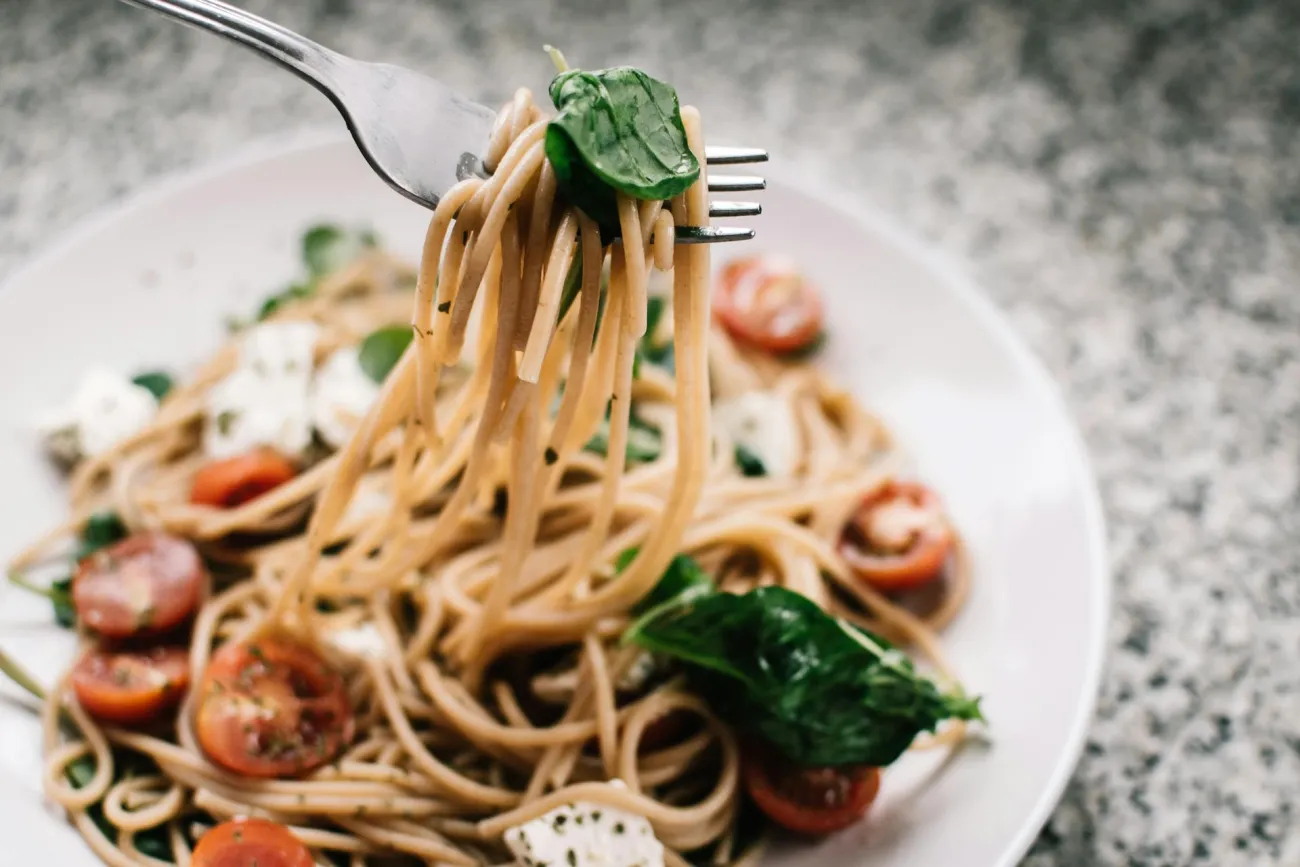
Bowl of pasta with fork. Credit Lisa from Pexels via Pexels
Books
Food Intelligence: The Science of How Food Both Nourishes and Harms Us
Health journalist, Julia Belluz, and nutrition and metabolism scientist, Kevin Hall, discuss the myths about nutrition to deliver a comprehensive book on food, diet, metabolism and healthy eating.
Read
Image
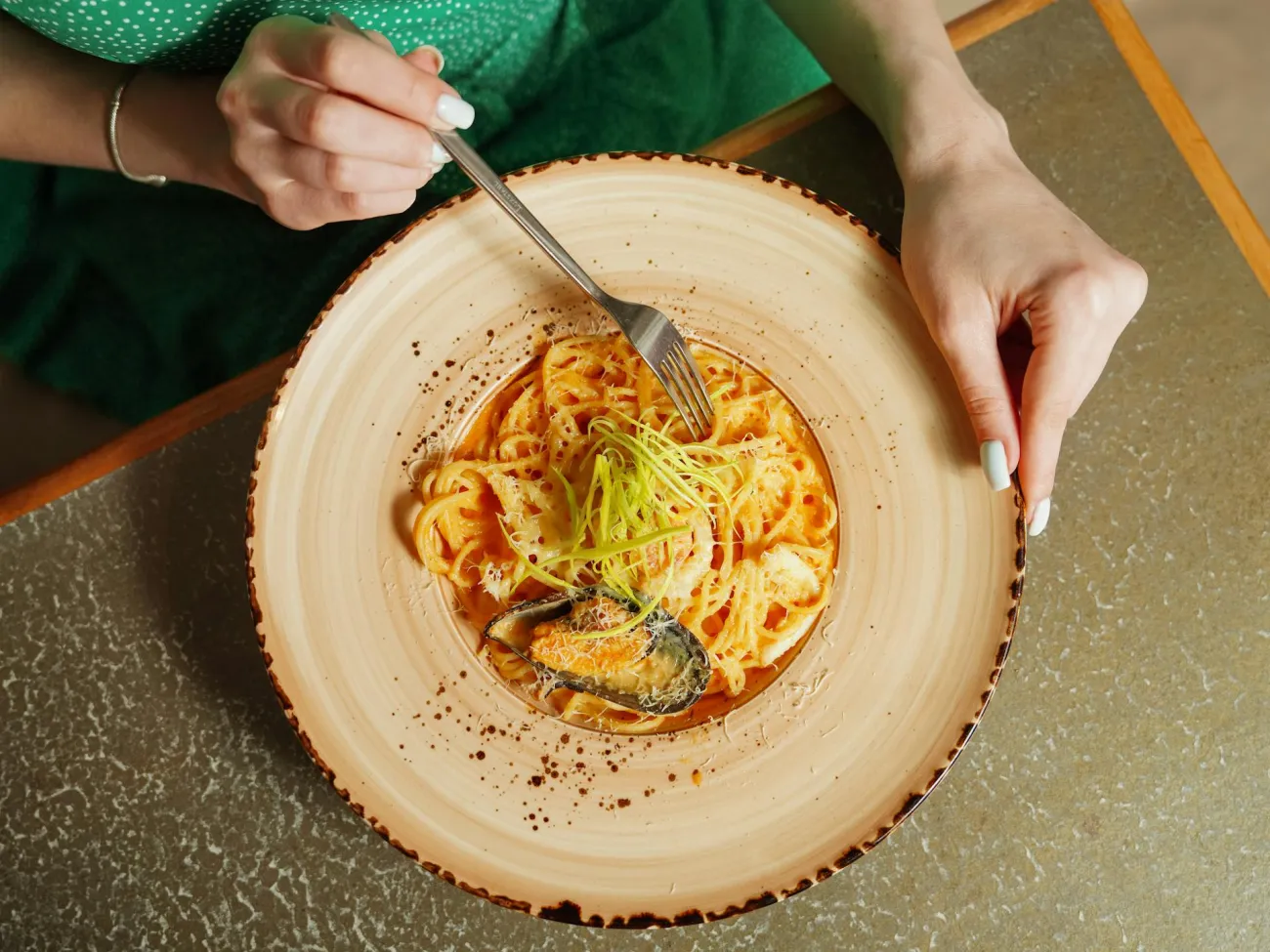
Plate of pasta with fork. Credit: Nadin Sh via Pexels
Books
Planetary Eating: The Hidden Links between Your Plate and Our Cosmic Neighborhood
This book claims to help eaters navigate wide-ranging, confusing and contradictory advice over healthy and sustainable diets. It claims to minimize misuse of goodwill by providing scientifically untrained readers with the tools to make the best choices for themselves and the planet.  
Read
Image
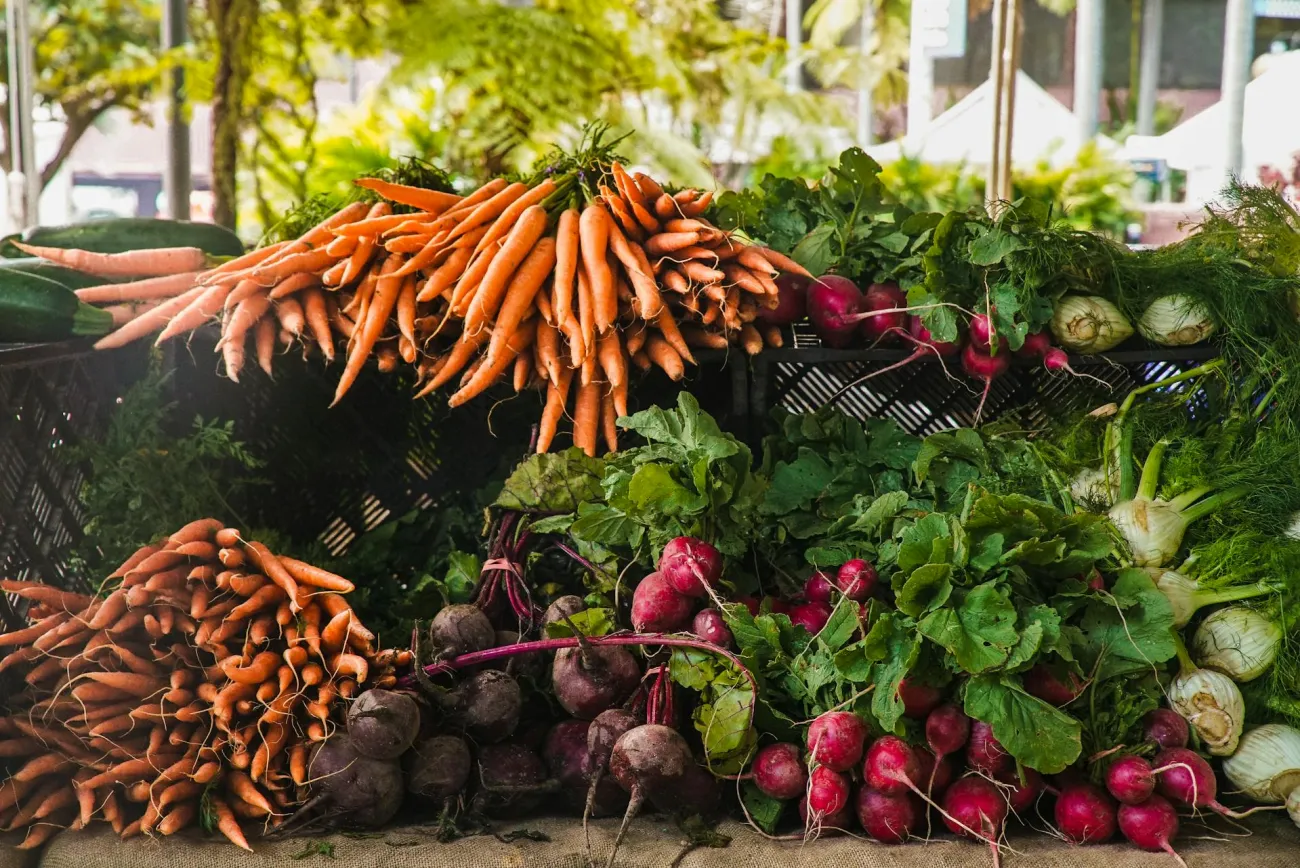
Veg at market: Credit: Wendy Wei via Pexels
Journal articles
Integrating nutrition into environmental impact assessments reveals limited sustainable food options within planetary boundaries
This study integrated nutrition in the assessment of environmental sustainability in 559 food products across various categories. The researchers argue that the results demonstrate the model’s effectiveness in appraising food products based on environmental performance and nutrient composition.
Read
Image
apples. Credit: Suzy Hazelwood via Pexels
News and resources
At 88, A nutritionist meets her moment
After five decades in the field of nutrition, Dr. Marion Nestle thought she had seen it all. Then came “Make America Healthy Again.”
Read
Image
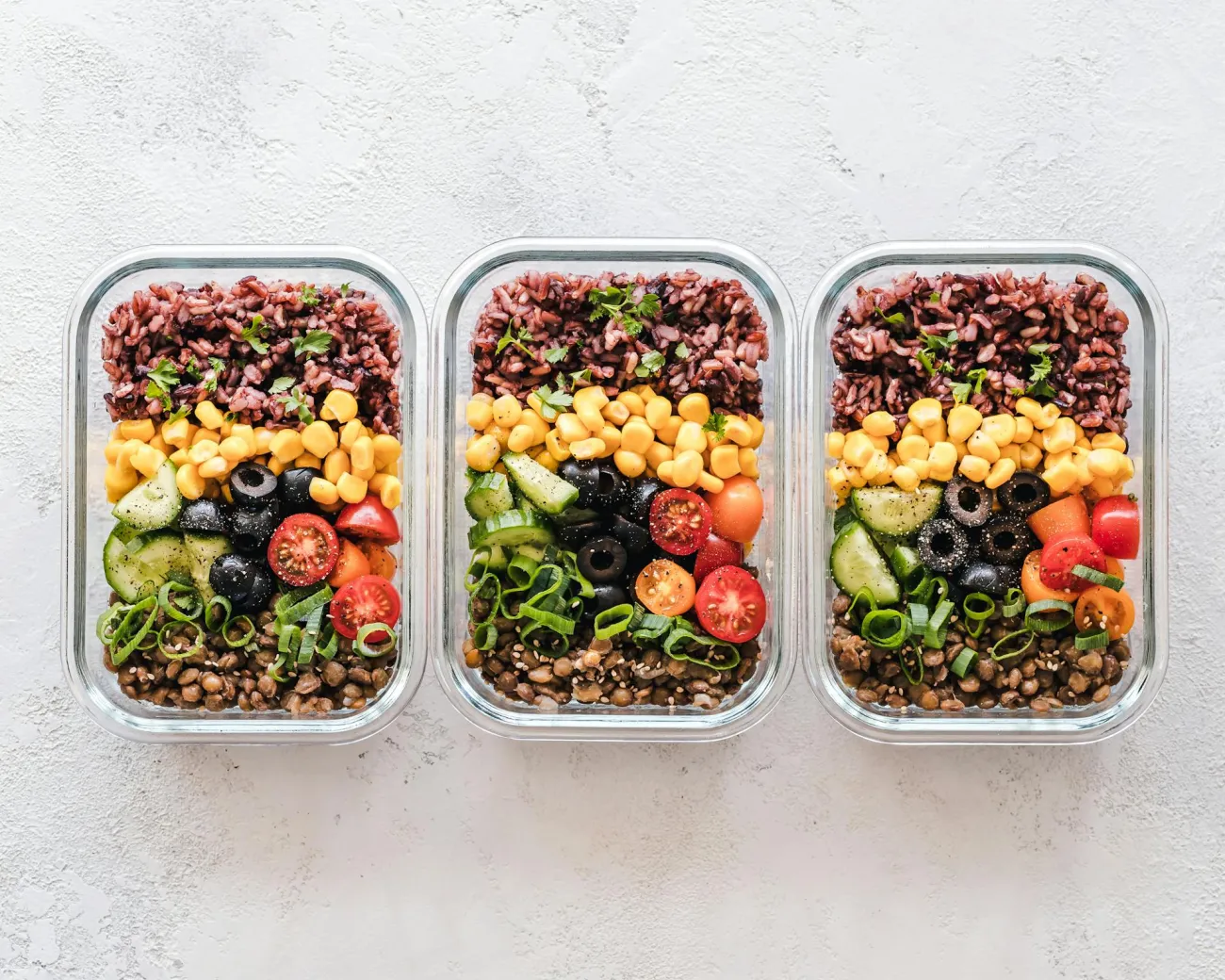
Photo of three tupperwear. Credit: Ella Olsson via Pexels
News and resources
PR campaign may have fuelled food study backlash, leaked document shows
A leaked document shows that vested interests may have been behind a “mud-slinging” PR campaign to discredit a landmark environment study, the Eat Lancet study in 2019, according to an investigation in the Guardian and DeSmog. 
Read
Image
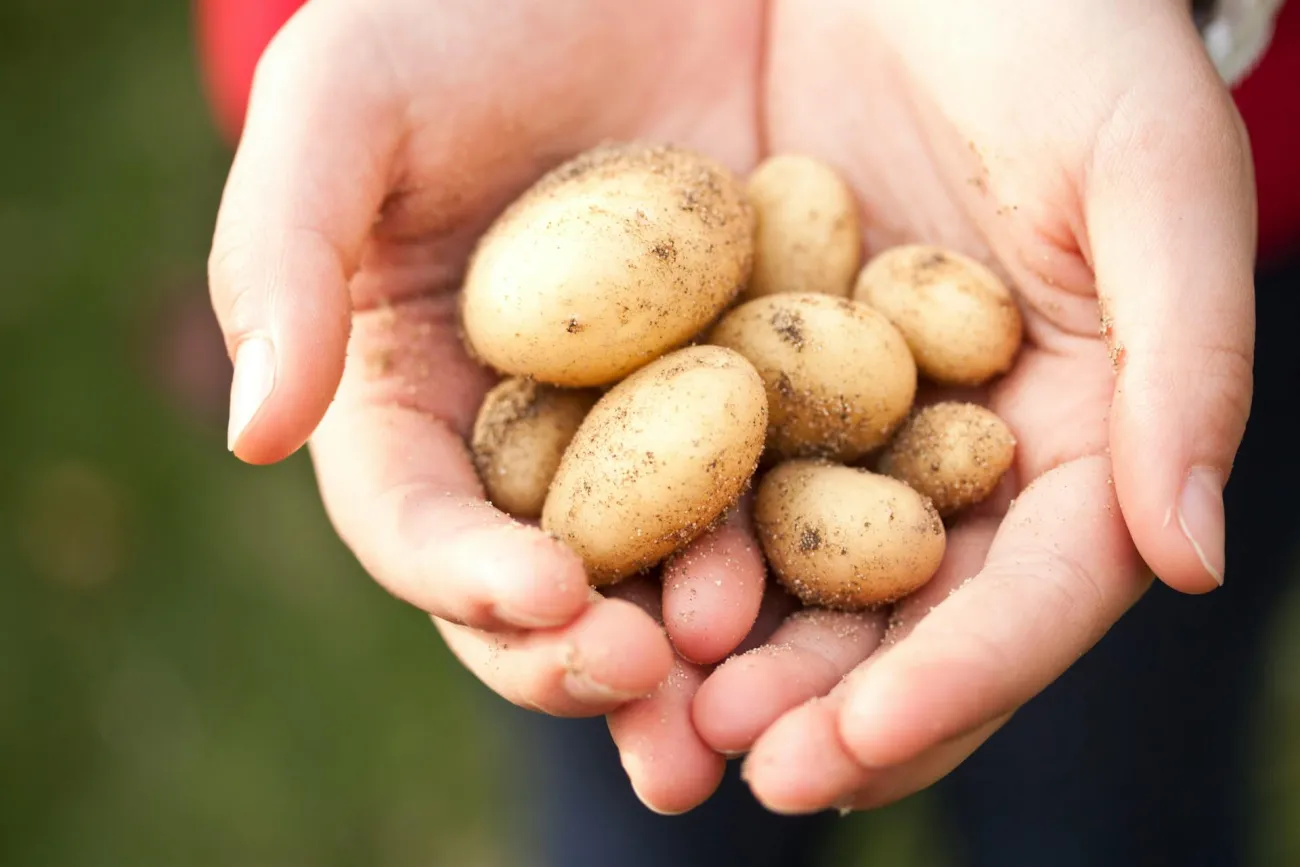
Potatoes in cupped hands. Credit: R Khalil via Pexels
Journal articles
Relative environmental impacts and monetary cost of food categories: Functional unit matters
Researchers built a dataset providing the energy, nutritional and monetary cost of 20 food categories in France, and contrasted it with the environmental impacts. Legumes, potatoes and whole grains were less expensive and less impactful whereas meats were most impactful and expensive. Dairy and eggs had intermediate costs and impact. 
Read
  • VIEW MORE

Sign up for Fodder, our monthly newsletter unpacking the future of food.

Tick below to opt-in to email communications.

You can change your mind at any time by clicking the unsubscribe link in the footer of any email you receive from us, or by contacting us at info@tabledebates.org.

We use Mailchimp as our marketing platform. By clicking below to subscribe, you acknowledge that your information will be transferred to Mailchimp for processing. Learn more about Mailchimp's privacy practices.
  • Glossary
  • About
  • Our Writing
  • Podcasts
  • Resources

Social

YouTube Facebook Instagram

© Copyright 2025

A collaboration between: