Reports
Food Work: The workers behind our food and the exploitation they face
This report by IPES-Food claims to exposes the systemic exploitation running through the global food chain – from farms, fishing vessels, and factories to supermarkets, restaurants, and delivery platforms. It also shows how workers are organising to win better pay, safer workplaces, and stronger labour rights – and sets out how governments, employers, and labour movements can build worker power, guarantee decent work and equal rights for migrant workers, rein in corporate power, and properly value the people who feed the world.
Publisher's summary
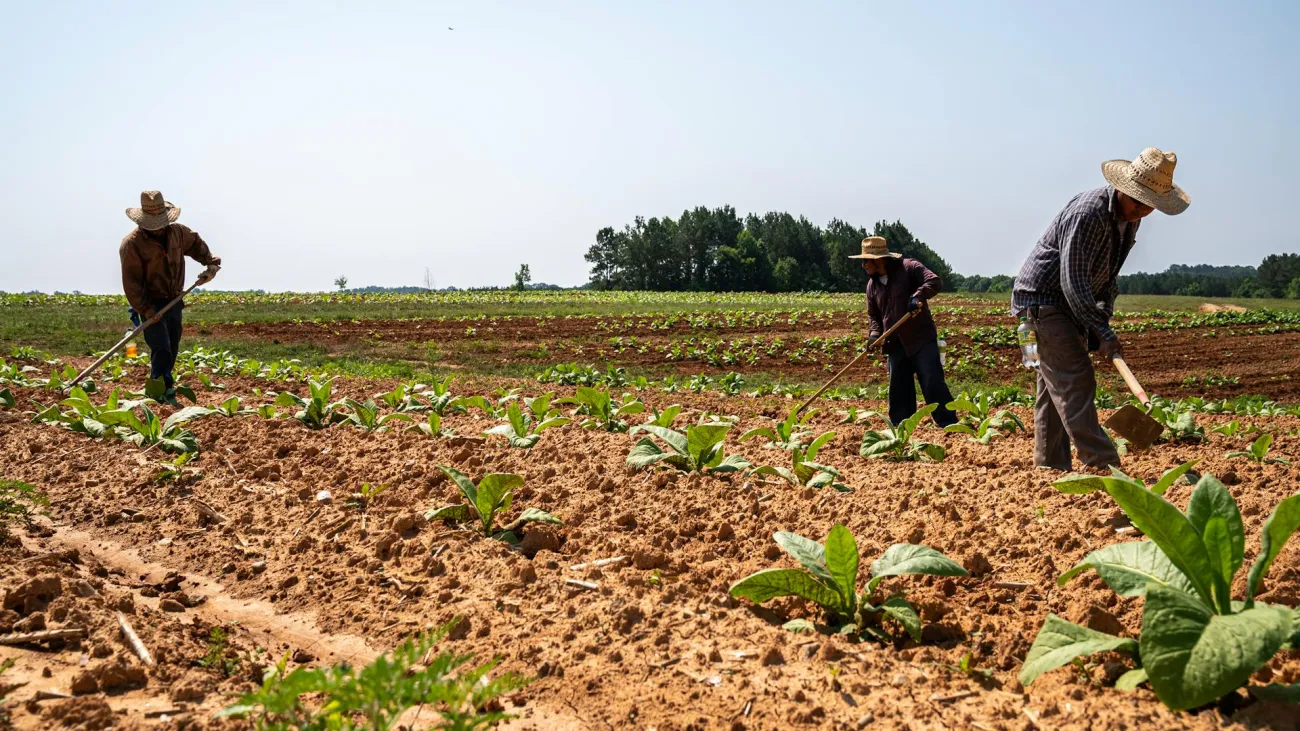
The people who feed us are among the most exploited workers in the world. Nearly 1.4 billion people work in food systems – two out of every five workers worldwide – the world’s largest workforce. Yet food systems also exploit more workers than any other sector – with widespread low pay, wage theft, forced and child labour, informal employment, discrimination, dangerous working conditions, and exclusion from basic labour protections.
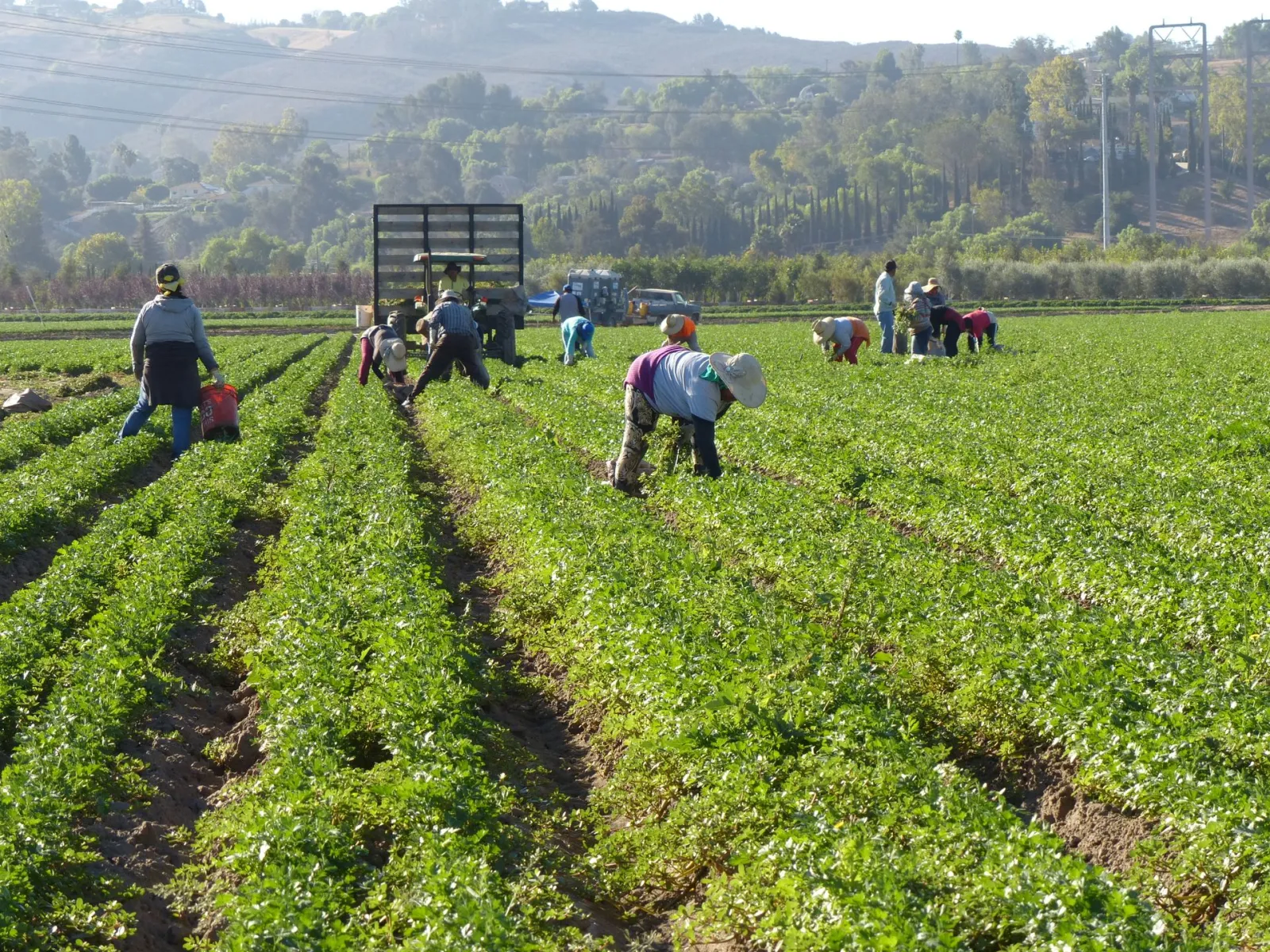
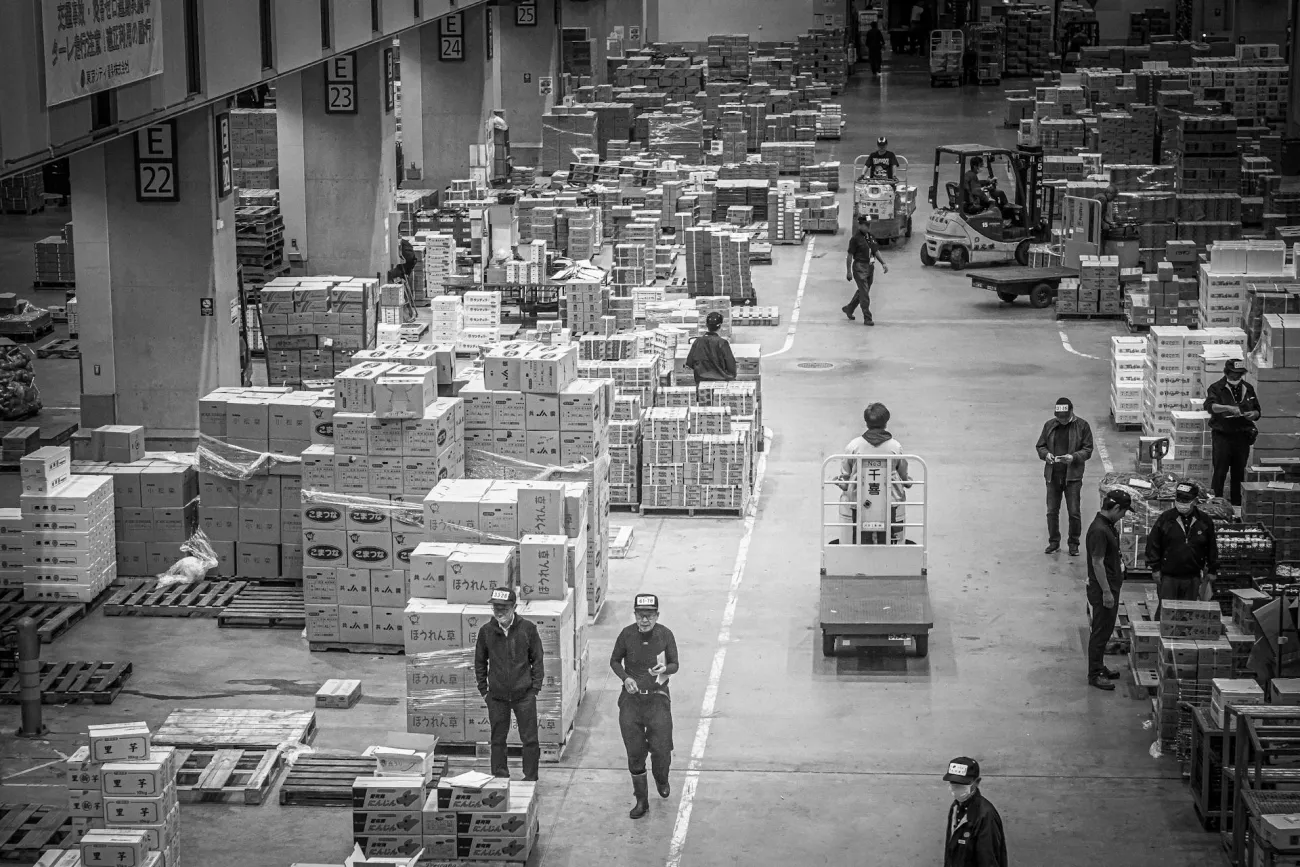
Food Work exposes the systemic exploitation running through the global food chain – from farms, fishing vessels, and factories to supermarkets, restaurants, and delivery platforms. This is no accident – today’s food systems are built around keeping labour cheap and workers disempowered, leaving migrant workers, women, and other marginalised workers particularly exposed to exploitation.
These pressures are intensifying. Climate change is making food work more dangerous, while corporate concentration, automation, algorithmic management, and digital surveillance are creating new forms of exploitation.
But exploitation is not inevitable. Food Work shows how workers are organising to win better pay, safer workplaces, and stronger labour rights – and sets out how governments, employers, and labour movements can build worker power, guarantee decent work and equal rights for migrant workers, rein in corporate power, and properly value the people who feed the world.

Comments (0)