News and resources
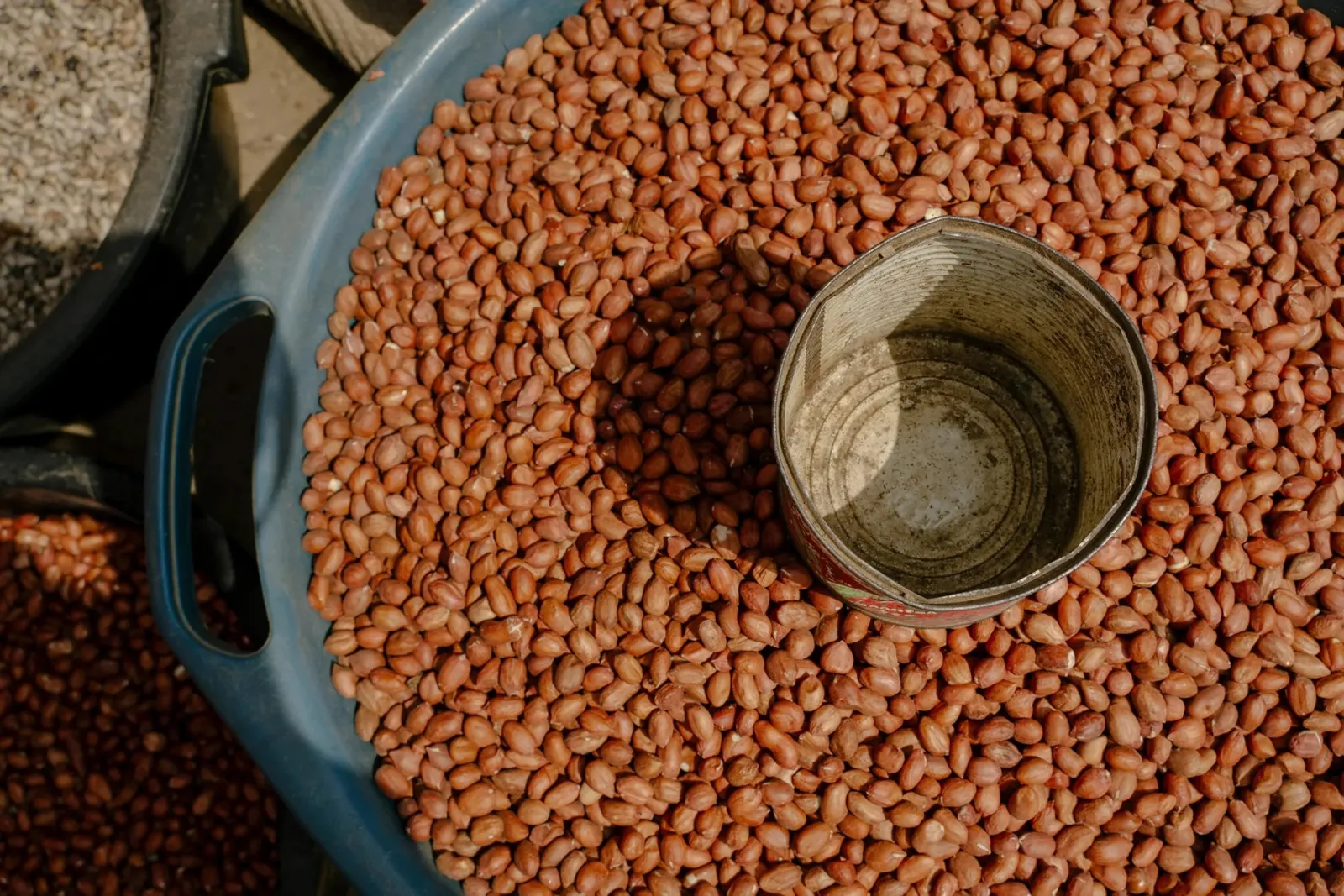
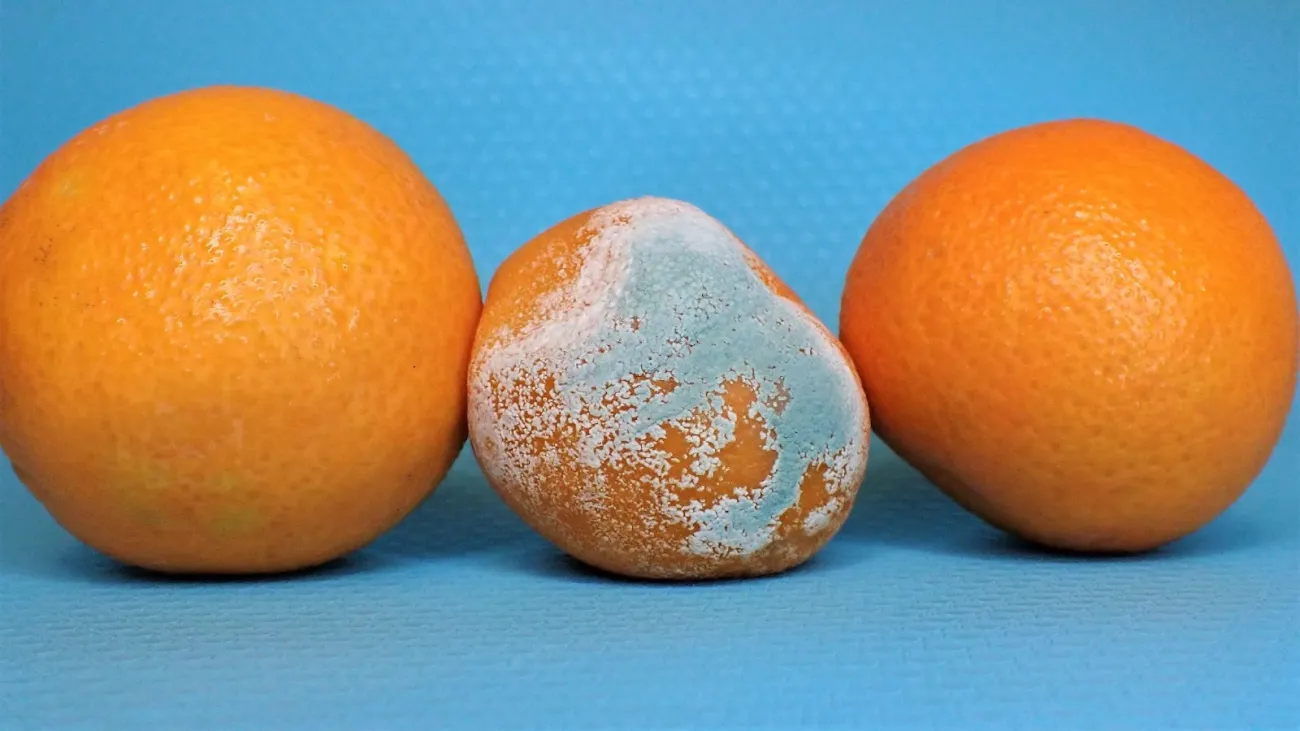
Moldy Peanuts Can Be Deadly. The Solution Is More Mold
A fungus turns the crop into a carcinogenic time bomb. This Senegalese scientist says he can fix that.
Publisher's summary
When Elaji Niass saw his little sister grow thin, her eyes yellow and belly distended, he knew she didn’t have long to live. The peanut farmer’s sister-in-law had died two years earlier showing similar symptoms. His neighbor too. In fact, virtually everyone in Taïba Niassène, his village in Senegal, knows someone who’s died of the same illness: liver cancer.
The culprit, doctors told them, was peanuts — something few in the area wanted to believe. The legume is the backbone of the economy, grown on 40% of Senegal’s farmland, and the foundation of almost every dish they eat. “Peanuts are our life,” Niass says. “But I can’t deny it now — the disease is too widespread.”
Like peanut farmers across West Africa, the people of Taïba Niassène are grappling with aflatoxin, a poison produced by an invisible fungus that has dramatic health consequences. The International Agency for Cancer Research estimates it causes 25% of liver cancers in West Africa, along with myriad other ailments.
In Senegal, where peanuts are used in rich stews and curries, the situation is especially dire. Aflatoxin is responsible for more than 4,000 cases of liver cancer annually, the African Union estimates, most of them concentrated in the central region known as the Peanut Basin. The fungus is “one of the greatest food safety challenges globally,” says Sarah De Saeger, a professor of public health at Ghent University in Belgium.

Comments (0)