Reports
Global biodiversity loss, ecosystem collapse and national security
This report by the UK government reveal global ecosystem degradation and collapse threaten UK national security and prosperity. The world is already experiencing impacts including crop failures, intensified natural disasters and infectious disease outbreaks. Threats will increase with degradation and intensify with collapse. Without major intervention to reverse the current trend, this is highly likely to continue to 2050 and beyond.
Publisher's summary
Global ecosystem degradation and collapse threaten UK national security and prosperity. The world is already experiencing impacts including crop failures, intensified natural disasters and infectious disease outbreaks. Threats will increase with degradation and intensify with collapse. Without major intervention to reverse the current trend, this is highly likely to continue to 2050 and beyond.
Cascading risks of ecosystem degradation are likely to include geopolitical instability, economic insecurity, conflict, migration and increased inter-state competition for resources.
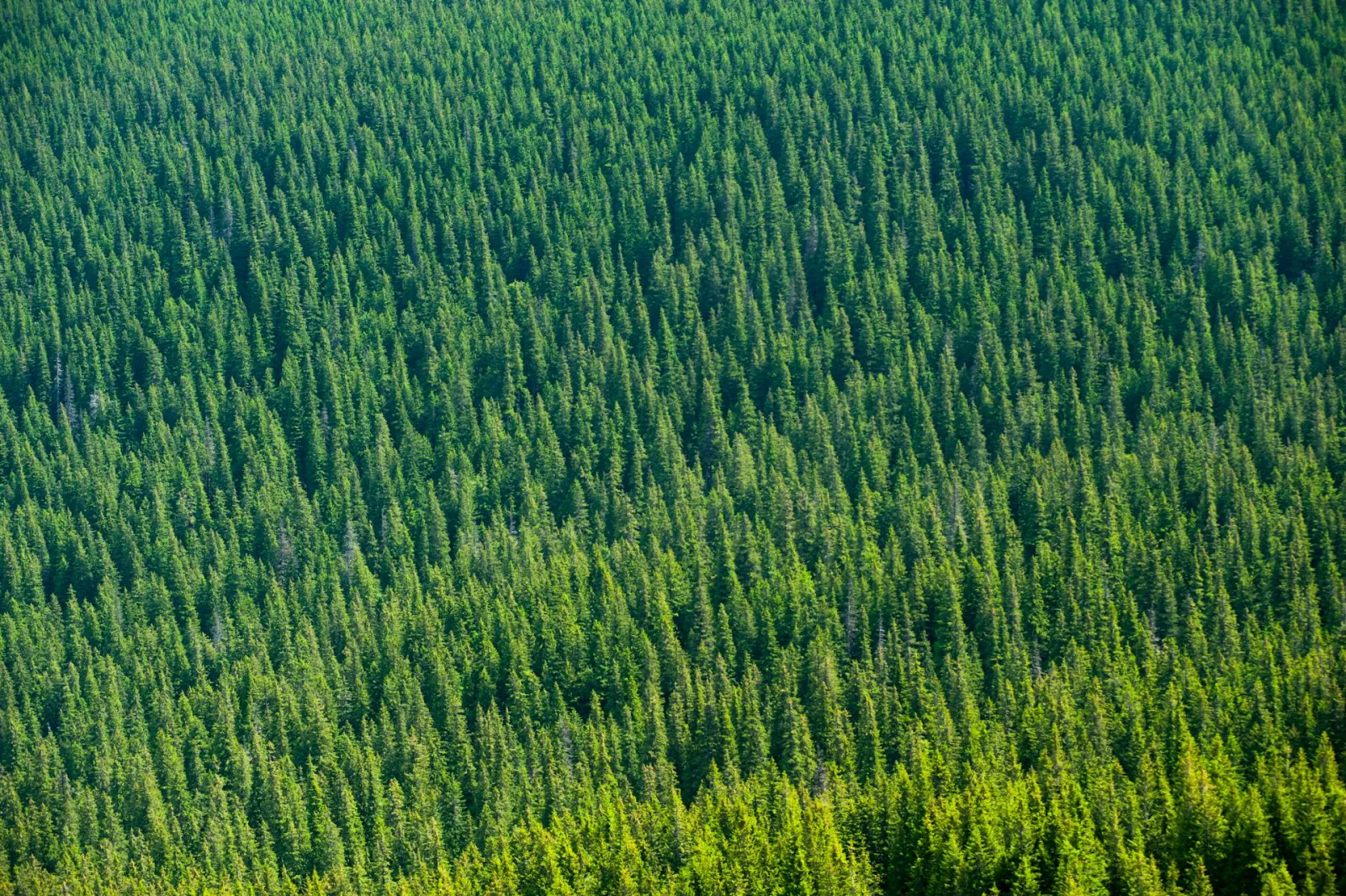
Critical ecosystems that support major global food production areas and impact global climate, water and weather cycles are the most important for UK national security. Severe degradation or collapse of these would highly likely result in water insecurity, severely reduced crop yields, a global reduction in arable land, fisheries collapse, changes to global weather patterns, release of trapped carbon exacerbating climate change, novel zoonotic diseases and loss of pharmaceutical resources. The Amazon rainforest, Congo rainforest, boreal forests, the Himalayas and South East Asia’s coral reefs and mangroves are particularly significant for the UK.
Ecosystem degradation is occurring across all regions. Every critical ecosystem is on a pathway to collapse (irreversible loss of function beyond repair).
There is a realistic possibility that some ecosystems (such as coral reefs in South East Asia and boreal forests) start to collapse from 2030, and others (rainforests and mangroves) start to collapse from 2050.
All countries are exposed to the risks of ecosystem collapse within and beyond their borders. Some will be exposed sooner than others and are likely to act to secure their interests, particularly water and food security.
Without significant increases in UK food system and supply chain resilience, it is unlikely the UK would be able to maintain food security if ecosystem collapse drives geopolitical competition for food. The UK relies on imports for a proportion of both food and fertiliser and cannot currently produce enough food to feed its population based on current diets. Countries best placed to adapt are those that invest in ecosystem protection and restoration, and resilient and efficient food systems.

Comments (0)