OUR WRITING KeywordsAgri-food systemAgricultural biodiversityAgricultural innovationAgricultural intensificationAgricultural lossesAgricultural monocultureAgricultural productionAgricultural productivityAgricultural yieldAgroecologyAgroforestry/silvopastureAlcoholic drinksAlternative food movementAlternative proteinAlternatives to intensive farmingAnimal feedAnimal welfareAnthropoceneAnthropocentrismAquacultureArable crops and arable landBeefBig foodBiodiversityBiodiversity conservationBioenergyBiological nitrogen fixationBiotechnologyCarbon footprintCarbon sequestrationCarbon sinksCarbon sinks and sequestrationChicken/poultryClimate changeClimate change impactsClimate policyCommunicable diseasesConservation biologyConsumer food choice appsConsumer perceptions and preferencesConsumptionConsumption and production trendsConventional agricultureCorporate food regimeCrop diversityCrop systemsCrop-livestock integrationCulture & communityDairyDeforestationDeforestation riskDevelopment policiesDietary guidelinesDietary surveyEcomodernismEconomics, business, and tradeEcosystemEcosystem restorationEcosystem servicesEcosystems & biodiversityEcosystems and ecosystem servicesEnvironmental & Social ImpactsEnvironmental impact assessmentsEnvironmental policyFarmingFarming systemsFeed conversion efficiencyFish stocks/overfishingFish/aquatic typesFisheriesFlexitarianismFood and agriculture policyFood and healthFood chainFood consumptionFood cultureFood justiceFood policyFood securityFood sovereigntyFood supplements/nutritional enhancementFood System TransformationFood systemsFood systems thinkingFood systems: an introductionFood systems: research methodsFood waste/surplus foodFruitFuture of foodGenderGHG emission trendsGHG emissions and mitigationGHG impacts and mitigationGHGsGlobal healthGlobal warming potentialGovernance, policy, and powerGrazed and confusedGrazing and grasslandGreen economy/alternative economic modelsGWP*Health and nutrition policyHealth concernsHorticulture and fruit treesHousehold food consumptionHuman health & wellbeingHungerIndustrial food manufacturingIndustry actions/CSRInequalityInsectsIntensive agricultureInvasive speciesInvestmentLand governanceLand sparing - sharingLand systems & changeLand useLand use and land use changeLegumes/pulsesLife cycleLife cycle analysisLivestockLivestock on LeftoversLocal foodMalnutritionMalnutrition/undernourishmentMarine and aquatic ecosystemsMarketsMeatMeat and taboos/religious beliefsMeat, Dairy & LivestockMethaneMilkMitigation policiesMonogastricMultiple burdens of malnutritionNitrogenNitrogen fixationNon-communicable diseasesNutritionNutritionismOrganicOrganic farmingOvernutritionPalm oilPlant/crop sciencePolitical economyPolitics & ParadigmsPorkPost-harvest lossesPoverty alleviationPower & ProteinProduction efficiency/intensityProteinProtein malnutrition and PEM (Protein-energy malnutrition)Public attitudesRegenerative agricultureRegenerative grazingResearch methodsResilience and vulnerabilityRewildingRuminantRuminantsScaleScience and backgroundSmallholder (farms)Soil healthSoilsSoySoy MoratoriumSpotlight onStandards/certificationStorage and refrigerationSubstitutes for meat & dairySupply chainsSustainable development goalsSustainable food securitySustainable healthy dietsSustainable intensificationTechnology & innovationThe Great Protein FiascoTradeUltra-processed foodUltra-processed food (UPF)UndernutritionUrban agricultureUrban food systemsVegetablesVegetarianism/veganismWater footprintWater managementWater use/consumptionWritten materialsZoonotic diseases TypeEssayExplainerLetterboxPublication RegionAfricaAsiaAustralasiaEuropeGlobalLatin America and the CaribbeanMiddle-eastNorth America Year201220132014201520162017201820192020202120222023202420252026 Image Publication Can regenerative agriculture deliver nutritious food and a just food system? This report, funded by the Agile Initiative, presents insights from a year of engagement with UK food system stakeholders and experts to unpick the ambiguity of Regenerative Agriculture (Regen Ag). It considers if, how, and to what extent Regen Ag could support the pursuit of local, national and international goals for the UK food system, and what policy interventions might facilitate this role and help to avoid the potential pitfalls associated with this contested concept. This is the final report of the Reckoning with Regeneration project. https://www.doi.org/10.56661/1b736799 Read Image Publication An exploration of food systems debates in Colombia This report examines the factors that energize or restrict debates on food systems in Colombia in the context of the multi-stakeholder conversations between the Government, rural organizations, agribusiness and academia. To answer the question, we address two main aspects. First, we analyse the perceptions of various stakeholders about food systems in the country, based on a workshop carried out in February 2024 and focusing on priority issues such as hunger and malnutrition, deforestation and biodiversity loss, the effects of climate change, and inequality. Second, we discuss the competition or complementarity of various axes at the centre of food systems discussions: large-scale agriculture and family farming, native seeds and genetically modified seeds, and local food systems and international trade. The report concludes by drawing attention to the challenges of public policy coordination, information gaps, and the great diversity of actors, visions, and values in the discussions. Read Image Explainer Making Nature Count: How should we value nature in our food systems? Natural systems are being degraded at an unprecedented rate, with rapid loss of biodiversity and an average temperature rise of almost 1.5˚C on pre-industrial levels in 2023. Most economists believe that these problems have arisen because the value of nature is not sufficiently considered in policy and economic decision-making, but within the field, different economists disagree about how to express nature's value. This has consequences especially within our food systems.https://www.doi.org/10.56661/d2feedad Read Image Essay How to get out of deep sh*t: the need for honest and nature-inclusive policy measures for livestock farming in the Netherlands Nitrogen has been at the centre of ongoing tensions in Dutch agricultural policy. Mirjam Schoonhoven-Speijer explores the history of the tensions and some proposed solutions.Mirjam is a post-doctorate researcher at Wageningen University. She’s interested in the informal part of food systems, because this is where, especially in the Global South, most of the exchanges in food systems happen. Yet it is also undervalued in research, policy and practice. Her PhD research, also at Wageningen University, involved a comparison of formal and informal market governance arrangements in the Ugandan oilseeds sector. The deceptively simple question of ‘how exchanges in food markets actually work and evolve in daily practice’ makes her tick. She explores this question with an interdisciplinary background in anthropology, development studies, sociology, agricultural economics, and innovation studies. Read Image Essay What We Disagree About When We Disagree About Meat This personal essay by Matthew Kessler was originally published in Tangle News, an independent, subscriber-supported media organization that covers the biggest politics stories in the U.S. by summarizing arguments from the right, left, and center (then "our take"). Matthew Kessler is the creator, host and producer of TABLE's food systems podcast, Feed, and has spent the past 15 years moving between farms, kitchens, universities, and recording studios. From 2022-2024, Matthew led a 2-year podcast project exploring four different futures for meat and livestock, adapted from Tara Garnett's Gut feelings essay. Read Image Publication Alternative proteins and better food futures: Moving beyond binaries Alternative proteins - and especially novel APs like cell-cultured meat and precision fermentation - are the subject of some contention in food system debates. For advocates, they may offer a way to produce animal products with fewer environmental and ethical harms, an accessible first step towards dietary diversification and change, or a tool to challenge the economic dominance of the industrial livestock model. For critics, they might smack of techno-credulity, be a distraction that will prop-up an ultra-processed and industrially-produced status quo, or a threat to valued modes of living and means of producing. In this report, based on three webinars hosted by TABLE in the summer of 2025, we outline these polarised positions and try to go beyond them. What diversity of views do we find within advocates and critics? Where is there overlap and agreement between those who are concerned and those who are optimistic? What are the more nuanced, and perhaps more achievable, futures for APs that we should be discussing?https://www.doi.org/10.56661/6238c4bc Read Image Essay Games at TABLE: A new platform for food system serious games Games at TABLE will soon be launched as the first food-systems-focused serious games library to encourage future project collaborations and support food system education, research, and broader transformation. Serious game expert Federico Andreotti provides an overview of serious games around farming and food systems, with three examples of existing serious games designed by students at Wageningen University.Federico is a lecturer and researcher at Wageningen University. He is the game expert of the CiFoS research team, and coordinator of the WUR Games Hub that connects multiple researchers that use games to bridge science and society. Federico’s PhD project was on the co-design and application of serious games for the sustainability transition of farming and food systems; his current research and education focus is on games design and play and participatory research methods to explore futures farming and food systems. Via “Games at TABLE” he aims to foster an international community connecting game researchers and designers across the globe, encompassing social sciences, natural sciences, and design. These partnerships may serve to develop effective strategy games and engage players with agency: decision makers who play and take action to transform systems.https://www.doi.org/10.56661/d1243efe Read Image Essay Coca and asparagus: How a US drug policy led to soaring water scarcity in Peru Intrigued by a news story about smuggled cocaine seized in a shipment of asparagus, researcher Azam Lashkari explored an unlikely connection between a booming agro-industry in Peru and an international effort to control cross-continental drug trade.Azam is a postdoctoral scientist and mathematical agroecologist at the John Innes Centre, Norwich, UK. Her research is concerning the role of climate change on food production. She uses data and mathematical models to explain and predict crop response to increasing temperature and drought. Beside her main research, she is interested in socio-economic aspects of climate change and human behaviour on environment. Read Image Publication Tomorrow on the table: The politics and economics of food system transformation In October 2024, TABLE brought together a diverse range of stakeholders across the food system with the aim of exploring how they envisaged a better food future, and what system transformations would be needed to get there. The participants included non-governmental and civil society organisations, policymakers, philanthropists, community leaders, and academics from diverse disciplines. Over the course of the workshop, they together discussed, developed and refined different visions for the future of the food system based on three initially conceived visions: market-led, state-led, and bottom-up. This report synthesises the workshop methods and dialogue process, the discussions participants had and the areas of agreement that emerged. https://www.doi.org/10.56661/421fa6df Read VIEW MORE
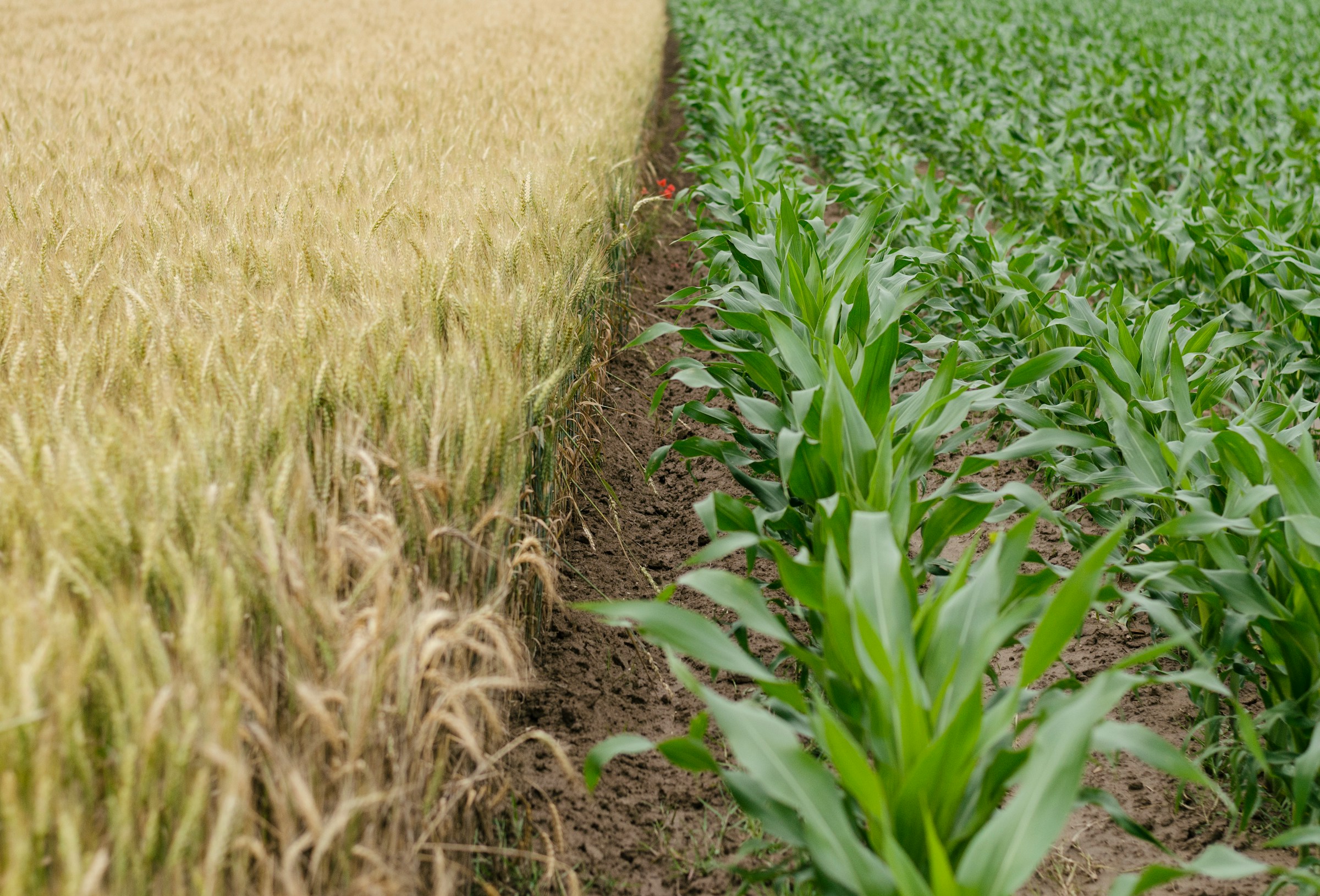
Image Publication Can regenerative agriculture deliver nutritious food and a just food system? This report, funded by the Agile Initiative, presents insights from a year of engagement with UK food system stakeholders and experts to unpick the ambiguity of Regenerative Agriculture (Regen Ag). It considers if, how, and to what extent Regen Ag could support the pursuit of local, national and international goals for the UK food system, and what policy interventions might facilitate this role and help to avoid the potential pitfalls associated with this contested concept. This is the final report of the Reckoning with Regeneration project. https://www.doi.org/10.56661/1b736799 Read
Image Publication An exploration of food systems debates in Colombia This report examines the factors that energize or restrict debates on food systems in Colombia in the context of the multi-stakeholder conversations between the Government, rural organizations, agribusiness and academia. To answer the question, we address two main aspects. First, we analyse the perceptions of various stakeholders about food systems in the country, based on a workshop carried out in February 2024 and focusing on priority issues such as hunger and malnutrition, deforestation and biodiversity loss, the effects of climate change, and inequality. Second, we discuss the competition or complementarity of various axes at the centre of food systems discussions: large-scale agriculture and family farming, native seeds and genetically modified seeds, and local food systems and international trade. The report concludes by drawing attention to the challenges of public policy coordination, information gaps, and the great diversity of actors, visions, and values in the discussions. Read
Image Explainer Making Nature Count: How should we value nature in our food systems? Natural systems are being degraded at an unprecedented rate, with rapid loss of biodiversity and an average temperature rise of almost 1.5˚C on pre-industrial levels in 2023. Most economists believe that these problems have arisen because the value of nature is not sufficiently considered in policy and economic decision-making, but within the field, different economists disagree about how to express nature's value. This has consequences especially within our food systems.https://www.doi.org/10.56661/d2feedad Read
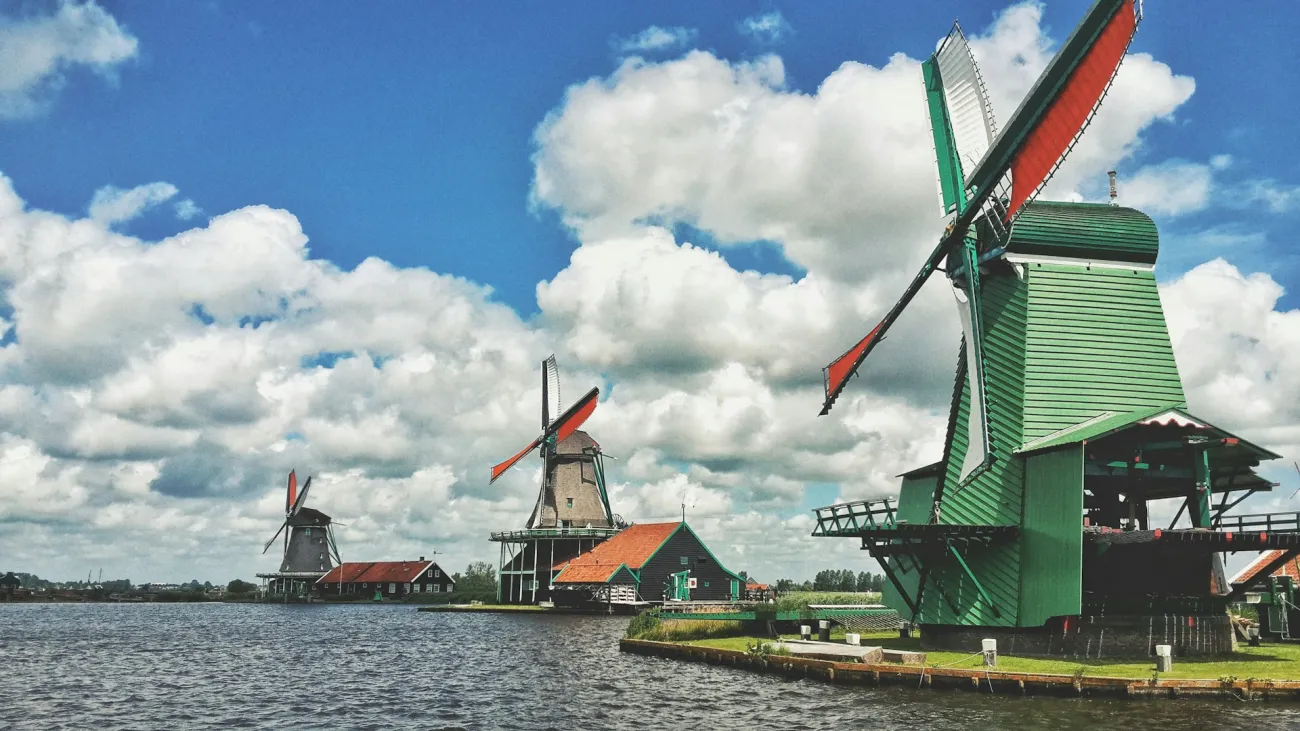
Image Essay How to get out of deep sh*t: the need for honest and nature-inclusive policy measures for livestock farming in the Netherlands Nitrogen has been at the centre of ongoing tensions in Dutch agricultural policy. Mirjam Schoonhoven-Speijer explores the history of the tensions and some proposed solutions.Mirjam is a post-doctorate researcher at Wageningen University. She’s interested in the informal part of food systems, because this is where, especially in the Global South, most of the exchanges in food systems happen. Yet it is also undervalued in research, policy and practice. Her PhD research, also at Wageningen University, involved a comparison of formal and informal market governance arrangements in the Ugandan oilseeds sector. The deceptively simple question of ‘how exchanges in food markets actually work and evolve in daily practice’ makes her tick. She explores this question with an interdisciplinary background in anthropology, development studies, sociology, agricultural economics, and innovation studies. Read
Image Essay What We Disagree About When We Disagree About Meat This personal essay by Matthew Kessler was originally published in Tangle News, an independent, subscriber-supported media organization that covers the biggest politics stories in the U.S. by summarizing arguments from the right, left, and center (then "our take"). Matthew Kessler is the creator, host and producer of TABLE's food systems podcast, Feed, and has spent the past 15 years moving between farms, kitchens, universities, and recording studios. From 2022-2024, Matthew led a 2-year podcast project exploring four different futures for meat and livestock, adapted from Tara Garnett's Gut feelings essay. Read
Image Publication Alternative proteins and better food futures: Moving beyond binaries Alternative proteins - and especially novel APs like cell-cultured meat and precision fermentation - are the subject of some contention in food system debates. For advocates, they may offer a way to produce animal products with fewer environmental and ethical harms, an accessible first step towards dietary diversification and change, or a tool to challenge the economic dominance of the industrial livestock model. For critics, they might smack of techno-credulity, be a distraction that will prop-up an ultra-processed and industrially-produced status quo, or a threat to valued modes of living and means of producing. In this report, based on three webinars hosted by TABLE in the summer of 2025, we outline these polarised positions and try to go beyond them. What diversity of views do we find within advocates and critics? Where is there overlap and agreement between those who are concerned and those who are optimistic? What are the more nuanced, and perhaps more achievable, futures for APs that we should be discussing?https://www.doi.org/10.56661/6238c4bc Read
Image Essay Games at TABLE: A new platform for food system serious games Games at TABLE will soon be launched as the first food-systems-focused serious games library to encourage future project collaborations and support food system education, research, and broader transformation. Serious game expert Federico Andreotti provides an overview of serious games around farming and food systems, with three examples of existing serious games designed by students at Wageningen University.Federico is a lecturer and researcher at Wageningen University. He is the game expert of the CiFoS research team, and coordinator of the WUR Games Hub that connects multiple researchers that use games to bridge science and society. Federico’s PhD project was on the co-design and application of serious games for the sustainability transition of farming and food systems; his current research and education focus is on games design and play and participatory research methods to explore futures farming and food systems. Via “Games at TABLE” he aims to foster an international community connecting game researchers and designers across the globe, encompassing social sciences, natural sciences, and design. These partnerships may serve to develop effective strategy games and engage players with agency: decision makers who play and take action to transform systems.https://www.doi.org/10.56661/d1243efe Read
Image Essay Coca and asparagus: How a US drug policy led to soaring water scarcity in Peru Intrigued by a news story about smuggled cocaine seized in a shipment of asparagus, researcher Azam Lashkari explored an unlikely connection between a booming agro-industry in Peru and an international effort to control cross-continental drug trade.Azam is a postdoctoral scientist and mathematical agroecologist at the John Innes Centre, Norwich, UK. Her research is concerning the role of climate change on food production. She uses data and mathematical models to explain and predict crop response to increasing temperature and drought. Beside her main research, she is interested in socio-economic aspects of climate change and human behaviour on environment. Read
Image Publication Tomorrow on the table: The politics and economics of food system transformation In October 2024, TABLE brought together a diverse range of stakeholders across the food system with the aim of exploring how they envisaged a better food future, and what system transformations would be needed to get there. The participants included non-governmental and civil society organisations, policymakers, philanthropists, community leaders, and academics from diverse disciplines. Over the course of the workshop, they together discussed, developed and refined different visions for the future of the food system based on three initially conceived visions: market-led, state-led, and bottom-up. This report synthesises the workshop methods and dialogue process, the discussions participants had and the areas of agreement that emerged. https://www.doi.org/10.56661/421fa6df Read