Image Resources Our extensive research library contains thousands of summaries of journal articles, reports and news stories that can be searched by keyword and category RESOURCES CATEGORYBooksBriefing paperEvent recordingFeatured articlesFeatured reportGameJournal articlesNews and resourcesReportsThink pieceVideoWorking paperWorkshop summary YEAR201220132014201520162017201820192020202120222023202420252026 Image Resource Win-win measures could reduce beef emissions by 24% in the Brazilian Cerrado Brazilian greenhouse gas emissions (GHG) are projected to reach 3.2 gigatonnes (CO2 eq.) by 2020. The government has made a voluntary commitment to reduce these by 40 per cent, and a reduction in deforestation and implementation of beef-related mitigation measures are key components of this commitment. Focusing on the Cerrado core (central Brazilian Savannah), this paper analyses the abatement potential and cost-effectiveness of GHG mitigation measures applicable to livestock production. Read Image Resource ‘Waste Free Kitchen Handbook’ Offers Advice for Home Cooks The average U.S. family spends $2,225 every year on food they don't eat. American consumers are collectively responsible for more wasted food than farmers, grocery stores, or any other part of the food-supply chain. This new book, entitled Waste-Free Kitchen Handbook provides accessible information about the state of the problem as well as a set of tips and techniques to eanble people to reduce the amount of waste they produce. Read Image Resource FAO "State of Food and Agriculture” SOFA 2015 report - Social protection and agriculture: breaking the cycle of rural poverty The FAO argues in its latest version of the State of Food and Agriculture report SOFA that expanding social protection offers a faster track to ending hunger, when combined with broader agricultural and rural development measures. It argues that the vast majority of rural poor remain uncovered by social protection (only about a third of the world's poorest people are covered by any form of social protection). Thus, expanding social protection programmes – including cash transfers, school feeding and public works - in rural areas and linking them to inclusive agricultural growth policies would rapidly reduce the number of poor people. Read Image Resource PwC report: China’s agricultural challenges – roads to be travelled Growing affluence and increasing demands for meat in China, a country where meat consumption has already quadrupled since 1971, will place a very high pressure on agricultural production and trade both in China and globally says a new PwC report entitled China’s agricultural challenges – roads to be travelled. Read Image Resource IFPRI 2015 Global Hunger Index (GHI) 2015 2015 marks the tenth year of the Global Hunger Index (GHI), which measures the state of hunger at the global, regional, and national level. This report states that even though tremendous progress has been made towards eliminating global hunger, there is still a long way to go. Read Image Resource Cultivating Equality: Delivering Just and Sustainable Food Systems in a Changing Climate – report by CARE, Food Tank, and CCAFS In advance of the World Food Day CARE, Food Tank, and CCAFS have released the report Cultivating Equality: Delivering Just and Sustainable Food Systems in a Changing Climate. The report focuses on the need to tackle inequity and gender inequality to end hunger and malnutrition in the face of climate change. Read Image Resource Nutrition impacts of Dutch children shifting towards a more sustainable food consumption pattern This study examines how a shift to lower environmental impact diets (diets with less meat and dairy) might the affect nutrient intakes of young children in the Netherlands. It is unusual in that it looks specifically at children, rather than adults or the general population. Read Image Resource Soda tax boosts retail prices of sugary drinks Voters in Berkeley approved the first excise tax in the U.S. on sugar-sweetened beverages in 2014. This study analyses the effect it has had in its first year on retail prices. Sales tax and excise duty tax are two different taxes that are levied by the government. A sales tax is imposed at the point of sale. It is payable by the consumer, and is collected by the retailer who then passes it onto the state. Read Image Resource Video: Explaining climate facts – what is climate balance? This is the first of a series of videos explaining the basic facts about climate change, its causes and consequences. It is produced by GreenFacts , an organisation dedicated to publishing accessible and peer-reviewed summaries of major international scientific documents independent experts. Read VIEW MORE
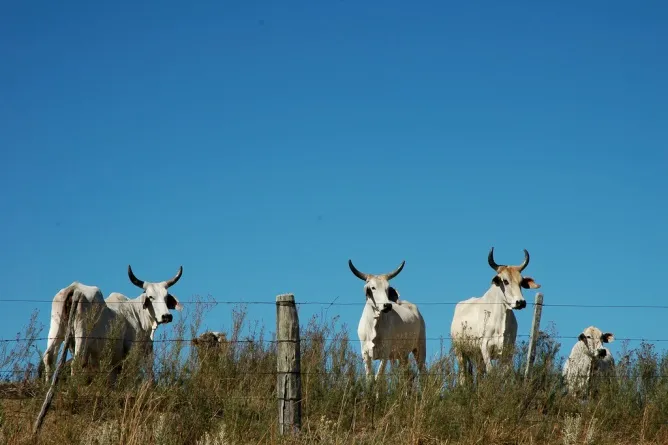
Image Resource Win-win measures could reduce beef emissions by 24% in the Brazilian Cerrado Brazilian greenhouse gas emissions (GHG) are projected to reach 3.2 gigatonnes (CO2 eq.) by 2020. The government has made a voluntary commitment to reduce these by 40 per cent, and a reduction in deforestation and implementation of beef-related mitigation measures are key components of this commitment. Focusing on the Cerrado core (central Brazilian Savannah), this paper analyses the abatement potential and cost-effectiveness of GHG mitigation measures applicable to livestock production. Read
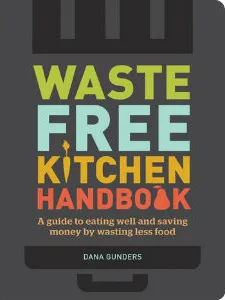
Image Resource ‘Waste Free Kitchen Handbook’ Offers Advice for Home Cooks The average U.S. family spends $2,225 every year on food they don't eat. American consumers are collectively responsible for more wasted food than farmers, grocery stores, or any other part of the food-supply chain. This new book, entitled Waste-Free Kitchen Handbook provides accessible information about the state of the problem as well as a set of tips and techniques to eanble people to reduce the amount of waste they produce. Read
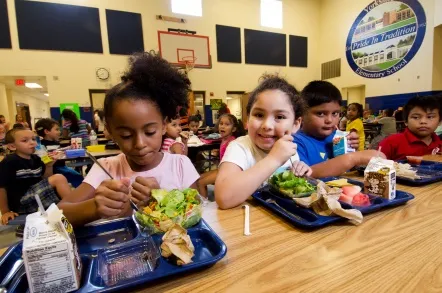
Image Resource FAO "State of Food and Agriculture” SOFA 2015 report - Social protection and agriculture: breaking the cycle of rural poverty The FAO argues in its latest version of the State of Food and Agriculture report SOFA that expanding social protection offers a faster track to ending hunger, when combined with broader agricultural and rural development measures. It argues that the vast majority of rural poor remain uncovered by social protection (only about a third of the world's poorest people are covered by any form of social protection). Thus, expanding social protection programmes – including cash transfers, school feeding and public works - in rural areas and linking them to inclusive agricultural growth policies would rapidly reduce the number of poor people. Read
Image Resource PwC report: China’s agricultural challenges – roads to be travelled Growing affluence and increasing demands for meat in China, a country where meat consumption has already quadrupled since 1971, will place a very high pressure on agricultural production and trade both in China and globally says a new PwC report entitled China’s agricultural challenges – roads to be travelled. Read
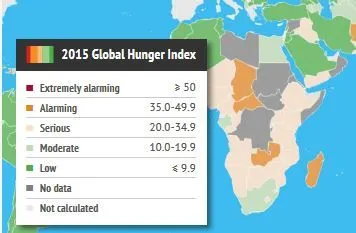
Image Resource IFPRI 2015 Global Hunger Index (GHI) 2015 2015 marks the tenth year of the Global Hunger Index (GHI), which measures the state of hunger at the global, regional, and national level. This report states that even though tremendous progress has been made towards eliminating global hunger, there is still a long way to go. Read
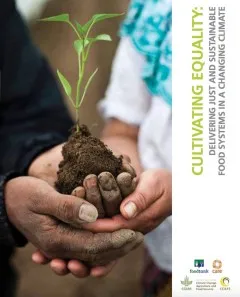
Image Resource Cultivating Equality: Delivering Just and Sustainable Food Systems in a Changing Climate – report by CARE, Food Tank, and CCAFS In advance of the World Food Day CARE, Food Tank, and CCAFS have released the report Cultivating Equality: Delivering Just and Sustainable Food Systems in a Changing Climate. The report focuses on the need to tackle inequity and gender inequality to end hunger and malnutrition in the face of climate change. Read
Image Resource Nutrition impacts of Dutch children shifting towards a more sustainable food consumption pattern This study examines how a shift to lower environmental impact diets (diets with less meat and dairy) might the affect nutrient intakes of young children in the Netherlands. It is unusual in that it looks specifically at children, rather than adults or the general population. Read
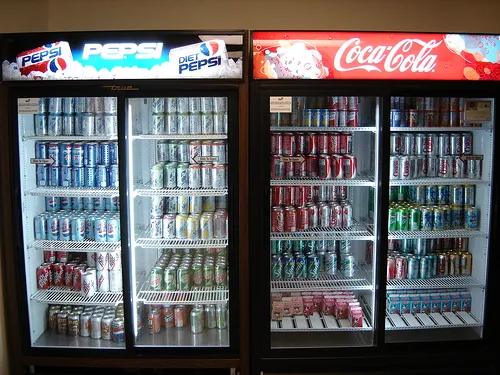
Image Resource Soda tax boosts retail prices of sugary drinks Voters in Berkeley approved the first excise tax in the U.S. on sugar-sweetened beverages in 2014. This study analyses the effect it has had in its first year on retail prices. Sales tax and excise duty tax are two different taxes that are levied by the government. A sales tax is imposed at the point of sale. It is payable by the consumer, and is collected by the retailer who then passes it onto the state. Read
Image Resource Video: Explaining climate facts – what is climate balance? This is the first of a series of videos explaining the basic facts about climate change, its causes and consequences. It is produced by GreenFacts , an organisation dedicated to publishing accessible and peer-reviewed summaries of major international scientific documents independent experts. Read