Image Resources Our extensive research library contains thousands of summaries of journal articles, reports and news stories that can be searched by keyword and category RESOURCES CATEGORYBooksBriefing paperEvent recordingFeatured articlesFeatured reportGameJournal articlesNews and resourcesReportsThink pieceVideoWorking paperWorkshop summary YEAR201220132014201520162017201820192020202120222023202420252026 Image Resource Free webinars: Climate change urban food initiative This initiative launched by Fondation Nicolas Hulot (FNH), the International Urban Food Network (IUFN) and the United Nations Environment Programme (UNEP) it aims to highlight the strategic links between sustainable food, sustainable urban development and climate change. The initiative will showcase successful mechanisms and approaches to help respond to the challenges of achieving sustainable urban food systems in a changing climate. Read Image Resource Ted talk videos: What’s wrong with what we eat? These TED talks examine the problems linked to what we eat and offer some solutions. Speakers include: Jamie Oliver, Mark Bittman, Louise Fresco, Tristram Stuart, and Graham Hill. Read Image Resource Starbucks and nine other companies commit to sourcing 100% renewable electricity Nine new leading companies join the likes of Ikea and M&S as part of the RE100 global campaign for low-carbon business. This global campaign encourages businesses to source energy from 100% renewable sources. Read Image Resource Global or local food chains? Uncovering the dilemmas in Senegal and Peru – new report by IIED This International Institute for Environment and Development (IIED) report looks into the dilemma facing developing countries and emerging economies in deciding whether they should favour local over global food chains. Using case studies from Senegal and Peru this paper shows a new and complex reality that challenges ideological views about re-localising food production and consumption. It analyses national policies and food chain practices of increasingly globalised markets, and shows that in both countries local food chains are complementary rather than an alternative to imported food. Read Resource Co-benefits for biodiversity and carbon in land planning decisions within oil palm landscapes This report by the Science-Policy Partnership Network synthesizes current scientific information to help oil palm policy makers make land-use decisions which jointly meet biodiversity and carbon conservation agendas. The Science-Policy Partnership Network is led by University of York and was set up by the ‘Socially and Environmentally Sustainable Oil palm Research’ (SEnSOR) project with funding from the British Foreign and Commonwealth Office and The Roundtable on Sustainable Palm Oil (RSPO), and includes representatives from oil palm growers, consumer goods companies, NGOs, government and the RSPO. Read Image Resource Nearly half of U.S. seafood supply is wasted – new paper quantifies loss from production to consumption This paper by researchers at the Johns Hopkins Center for a Livable Future (CLF) suggests that as much as 47 percent of the edible U.S. seafood supply is lost each year. The paper shows that the majority of the waste is produced mainly at the consumer stage. The waste issue adds another layer of pressure on fish stocks and the global seafood supply that are already seriously threatened by overfishing, climate change, pollution, habitat destruction and the use of fish for other purposes besides human consumption. Read Image Resource U.S. government rejects inclusion of sustainability in dietary guidelines despite expert advice It has been announced that the U.S. will not be incorporating sustainability into the new Dietary Guidelines for Americans (which are updated every five years). According to a blog-post written by Sylvia Mathews Burwell, Secretary of Health and Human Services (HHS Secretary) and Tom Vilsack, Department of Agriculture USDA Secretary, the US government does “not believe that the 2015 DGAs are the appropriate vehicle for this important policy conversation about sustainability.” The two argue that although the final recommendations are still being drafted, the final guidelines should remain within the mandate in the 1990 National Nutrition Monitoring and Related Research Act (NNMRRA); to provide “nutritional and dietary information and guidelines”… “based on the preponderance of the scientific and medical knowledge.” Read Image Resource Denmark reduced food waste by 25% in 5 years – consumer information campaigns crucial for success Denmark, has according to a new government report (only available in Danish) managed to reduce food waste by 25% in 5 years, measured in amount (kg) per consumer. Consumer information campaigns are considered to be one of the major factors for the success. Read Image Resource Larger-sized portions, packages and tableware lead to higher consumption of food and drink, Cochrane review finds A systematic evidence review by researchers at the University of Cambridge’s Behaviour and Health Research Unit, investigates the influence of portion, package and tableware size on food consumption. Read VIEW MORE
Image Resource Free webinars: Climate change urban food initiative This initiative launched by Fondation Nicolas Hulot (FNH), the International Urban Food Network (IUFN) and the United Nations Environment Programme (UNEP) it aims to highlight the strategic links between sustainable food, sustainable urban development and climate change. The initiative will showcase successful mechanisms and approaches to help respond to the challenges of achieving sustainable urban food systems in a changing climate. Read
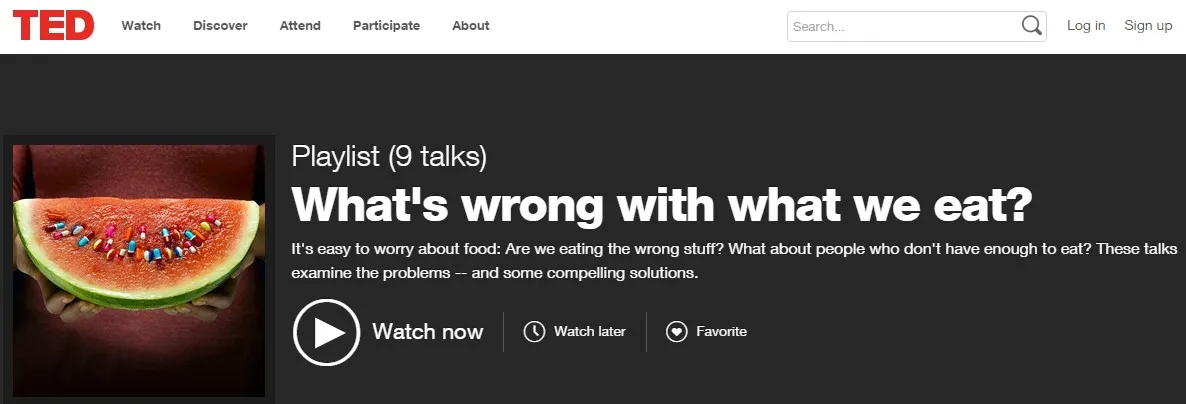
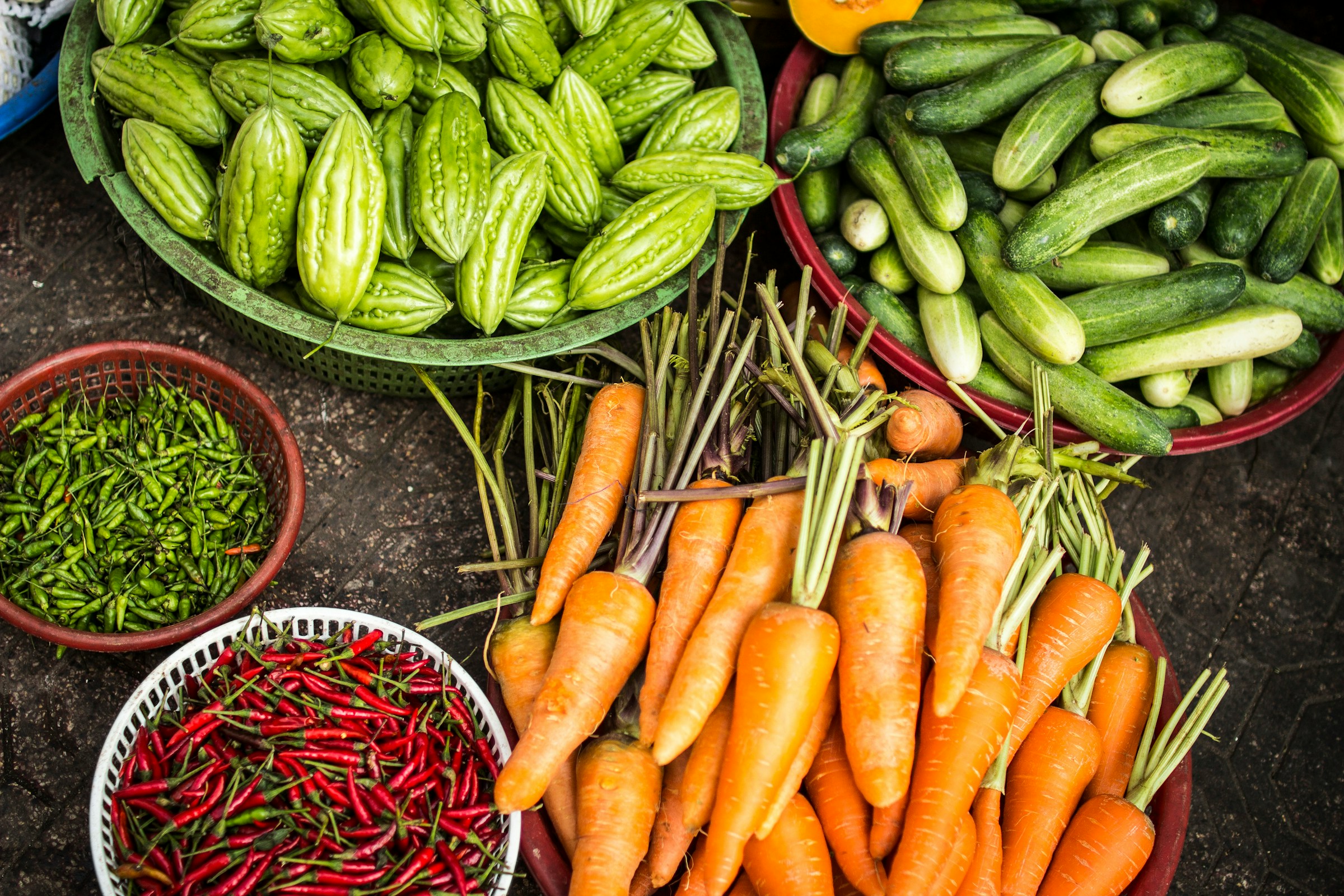
Image Resource Ted talk videos: What’s wrong with what we eat? These TED talks examine the problems linked to what we eat and offer some solutions. Speakers include: Jamie Oliver, Mark Bittman, Louise Fresco, Tristram Stuart, and Graham Hill. Read
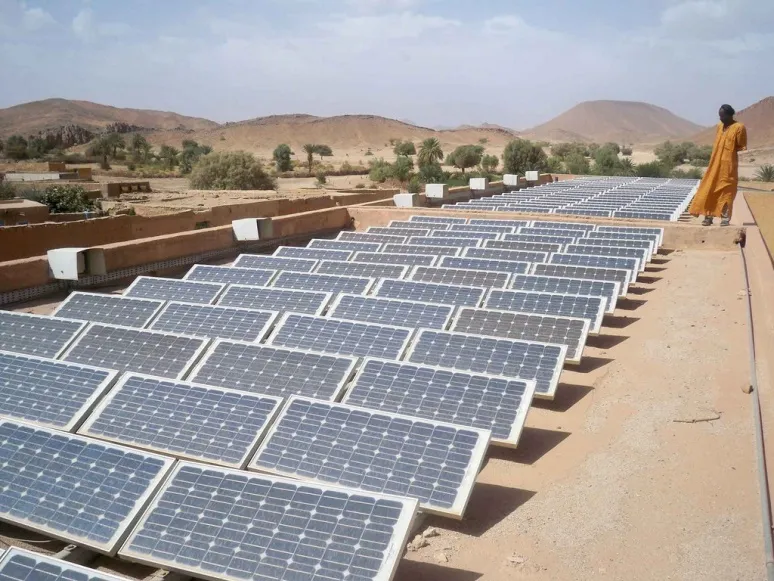
Image Resource Starbucks and nine other companies commit to sourcing 100% renewable electricity Nine new leading companies join the likes of Ikea and M&S as part of the RE100 global campaign for low-carbon business. This global campaign encourages businesses to source energy from 100% renewable sources. Read
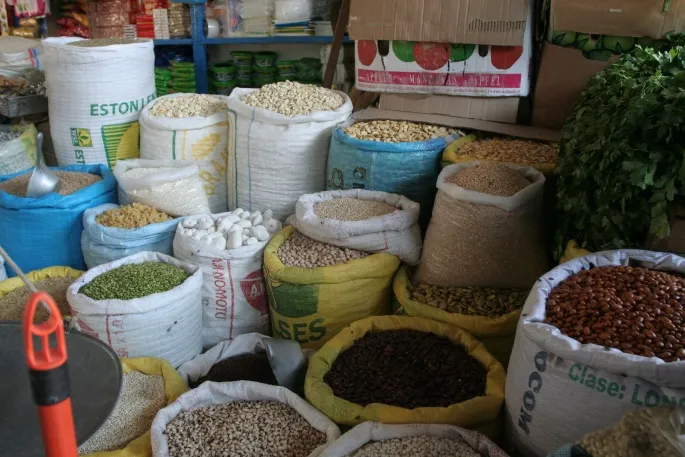
Image Resource Global or local food chains? Uncovering the dilemmas in Senegal and Peru – new report by IIED This International Institute for Environment and Development (IIED) report looks into the dilemma facing developing countries and emerging economies in deciding whether they should favour local over global food chains. Using case studies from Senegal and Peru this paper shows a new and complex reality that challenges ideological views about re-localising food production and consumption. It analyses national policies and food chain practices of increasingly globalised markets, and shows that in both countries local food chains are complementary rather than an alternative to imported food. Read
Resource Co-benefits for biodiversity and carbon in land planning decisions within oil palm landscapes This report by the Science-Policy Partnership Network synthesizes current scientific information to help oil palm policy makers make land-use decisions which jointly meet biodiversity and carbon conservation agendas. The Science-Policy Partnership Network is led by University of York and was set up by the ‘Socially and Environmentally Sustainable Oil palm Research’ (SEnSOR) project with funding from the British Foreign and Commonwealth Office and The Roundtable on Sustainable Palm Oil (RSPO), and includes representatives from oil palm growers, consumer goods companies, NGOs, government and the RSPO. Read
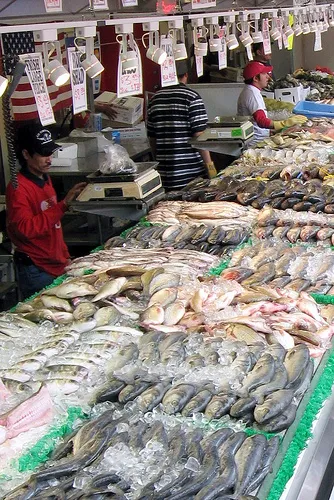
Image Resource Nearly half of U.S. seafood supply is wasted – new paper quantifies loss from production to consumption This paper by researchers at the Johns Hopkins Center for a Livable Future (CLF) suggests that as much as 47 percent of the edible U.S. seafood supply is lost each year. The paper shows that the majority of the waste is produced mainly at the consumer stage. The waste issue adds another layer of pressure on fish stocks and the global seafood supply that are already seriously threatened by overfishing, climate change, pollution, habitat destruction and the use of fish for other purposes besides human consumption. Read
Image Resource U.S. government rejects inclusion of sustainability in dietary guidelines despite expert advice It has been announced that the U.S. will not be incorporating sustainability into the new Dietary Guidelines for Americans (which are updated every five years). According to a blog-post written by Sylvia Mathews Burwell, Secretary of Health and Human Services (HHS Secretary) and Tom Vilsack, Department of Agriculture USDA Secretary, the US government does “not believe that the 2015 DGAs are the appropriate vehicle for this important policy conversation about sustainability.” The two argue that although the final recommendations are still being drafted, the final guidelines should remain within the mandate in the 1990 National Nutrition Monitoring and Related Research Act (NNMRRA); to provide “nutritional and dietary information and guidelines”… “based on the preponderance of the scientific and medical knowledge.” Read
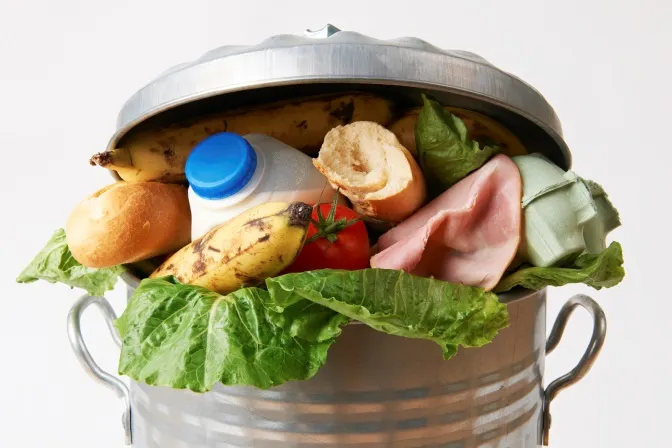
Image Resource Denmark reduced food waste by 25% in 5 years – consumer information campaigns crucial for success Denmark, has according to a new government report (only available in Danish) managed to reduce food waste by 25% in 5 years, measured in amount (kg) per consumer. Consumer information campaigns are considered to be one of the major factors for the success. Read
Image Resource Larger-sized portions, packages and tableware lead to higher consumption of food and drink, Cochrane review finds A systematic evidence review by researchers at the University of Cambridge’s Behaviour and Health Research Unit, investigates the influence of portion, package and tableware size on food consumption. Read