Image Resources Our extensive research library contains thousands of summaries of journal articles, reports and news stories that can be searched by keyword and category RESOURCES CATEGORYBooksBriefing paperEvent recordingFeatured articlesFeatured reportGameJournal articlesNews and resourcesReportsThink pieceVideoWorking paperWorkshop summary YEAR201220132014201520162017201820192020202120222023202420252026 Image Resource Wellcome Trust’s Food and Drink Initiative The Wellcome Trust has launched its public engagement initiative called The Crunch. This consists of a website and a range of activities, experiences and discussions will be rolled out in 2016 which focus on food, our health and the planet. Read Image Resource After EU parliament vote on air pollutants: some agricultural emissions will see stricter caps but not methane emissions from livestock On October 28 2015 the European Parliament voted for binding targets on emissions of air pollutants with specific targets set for 2020, 2025 and 2030. The bill originally included ammonia and methane (CH4) among other air pollutants – but the Members of the European Parliament (MEPs) voted to exempt enteric methane emissions (emissions directly from farmed animals) from the bill. Setting targets for enteric methane was instead postponed to 2030, to give the agriculture sector time to adapt. Read Image Resource Food, Climate change and the City – webinar presentations available Following up on the 2nd Webinar of the Climate Change Urban Food Initiative “Food, Climate change and the City” the presentations of the three speakers Tara Garnett (FCRN), Jane Battersby-Lennard (University of Cape Town) and Matthew Thomas (Greater London Authority) are now available online here. Read Image Resource Special Issue Food and Nutrition Security: Can science and good governance deliver dinner? The journal Food and Nutrition Security has produced a special issue on the question: “can science and good governance deliver dinner?’ The guest editor Voster Muchenje provides this overview of its rationale and contents for the FCRN: Read Image Resource Improving agriculture and nutrition with open data This report argues that open data can be a powerful tool to solve problems around the world in agriculture and nutrition: from drought, pests and diseases, to food security and food safety. Read Image Resource EAT in Sustainia – new publication on the food systems of tomorrow The EAT initiative in collaboration with the think tank and consultancy Sustainia has released a new publication EAT in Sustainia, discussing the global food system and the challenges, opportunities and solutions we have to understand in relation to the future of food, health and our environment. Read Image Resource Cities and Agriculture -Developing Resilient Urban Food Systems As people increasingly migrate to urban settings and more than half of the world's population now lives in cities, it is vital to plan and provide for sustainable and resilient food systems which reflect this challenge. This volume presents experience and evidence-based "state of the art" chapters on the key dimensions of urban food challenges and types of intra- and peri-urban agriculture. Read Image Resource WHO warns processed meats cause cancer and class red meat as “probable” cause The WHO’s International Agency for Research on Cancer (IARC) has classified processed meat in Group 1 of carcinogenic substances– the highest evidence level (“based on sufficient evidence”). Red meat is placed in Group 2A as probably carcinogenic (based on limited evidence). The new classification is announced in a research summary report published in The Lancet Oncology 26 October 2015 where WHO summarises its review of all scientific evidence on which substances can be linked to any type of cancer in humans. Read Image Resource Excessive consumption of sugar, salt and saturated fat generates medical costs of 16.8 billion EUR in Germany In a joint project researchers from the University Halle-Wittenberg (Germany) looked at the direct medical treatment costs of nutrition-associated diseases related to the overconsumption of sugars, salt and saturated fatty acids. In all, the team identified 22 clinical endpoints with 48 risk-outcome pairs. Read VIEW MORE
Image Resource Wellcome Trust’s Food and Drink Initiative The Wellcome Trust has launched its public engagement initiative called The Crunch. This consists of a website and a range of activities, experiences and discussions will be rolled out in 2016 which focus on food, our health and the planet. Read
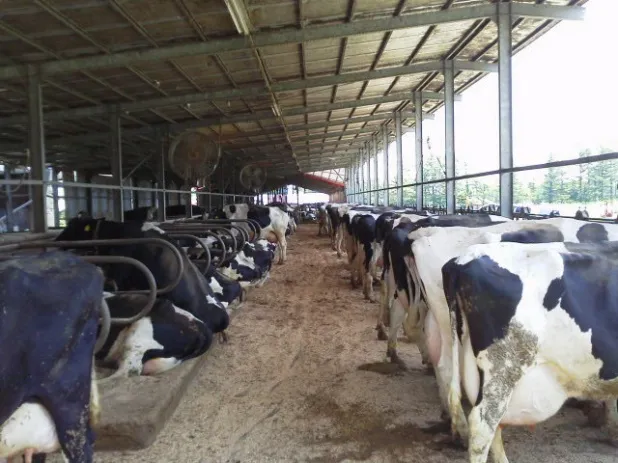
Image Resource After EU parliament vote on air pollutants: some agricultural emissions will see stricter caps but not methane emissions from livestock On October 28 2015 the European Parliament voted for binding targets on emissions of air pollutants with specific targets set for 2020, 2025 and 2030. The bill originally included ammonia and methane (CH4) among other air pollutants – but the Members of the European Parliament (MEPs) voted to exempt enteric methane emissions (emissions directly from farmed animals) from the bill. Setting targets for enteric methane was instead postponed to 2030, to give the agriculture sector time to adapt. Read
Image Resource Food, Climate change and the City – webinar presentations available Following up on the 2nd Webinar of the Climate Change Urban Food Initiative “Food, Climate change and the City” the presentations of the three speakers Tara Garnett (FCRN), Jane Battersby-Lennard (University of Cape Town) and Matthew Thomas (Greater London Authority) are now available online here. Read
Image Resource Special Issue Food and Nutrition Security: Can science and good governance deliver dinner? The journal Food and Nutrition Security has produced a special issue on the question: “can science and good governance deliver dinner?’ The guest editor Voster Muchenje provides this overview of its rationale and contents for the FCRN: Read
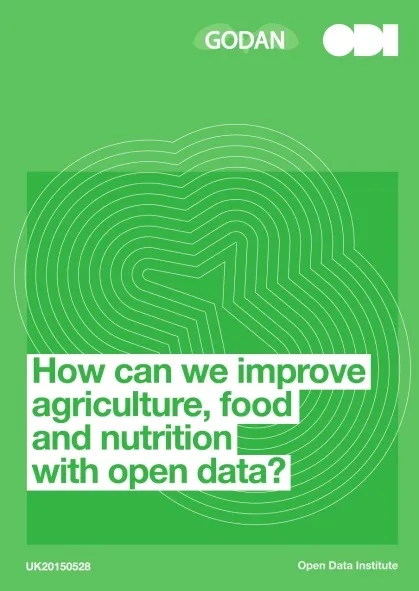
Image Resource Improving agriculture and nutrition with open data This report argues that open data can be a powerful tool to solve problems around the world in agriculture and nutrition: from drought, pests and diseases, to food security and food safety. Read
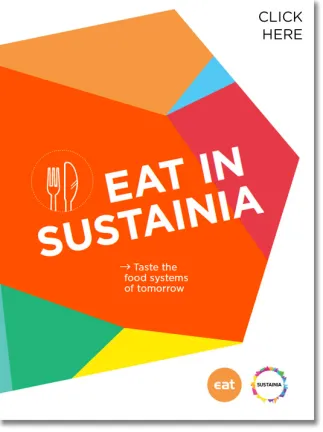
Image Resource EAT in Sustainia – new publication on the food systems of tomorrow The EAT initiative in collaboration with the think tank and consultancy Sustainia has released a new publication EAT in Sustainia, discussing the global food system and the challenges, opportunities and solutions we have to understand in relation to the future of food, health and our environment. Read
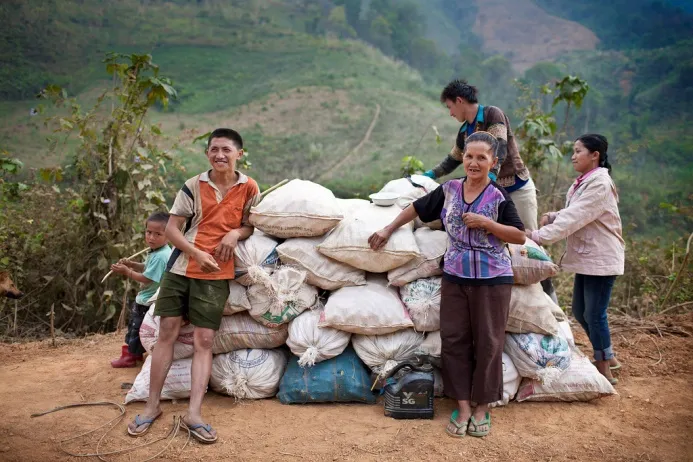
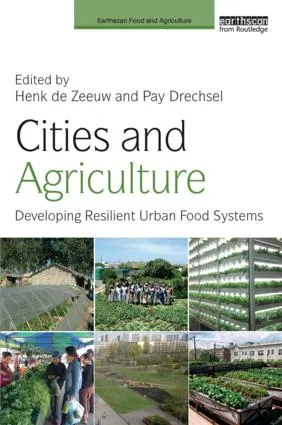
Image Resource Cities and Agriculture -Developing Resilient Urban Food Systems As people increasingly migrate to urban settings and more than half of the world's population now lives in cities, it is vital to plan and provide for sustainable and resilient food systems which reflect this challenge. This volume presents experience and evidence-based "state of the art" chapters on the key dimensions of urban food challenges and types of intra- and peri-urban agriculture. Read
Image Resource WHO warns processed meats cause cancer and class red meat as “probable” cause The WHO’s International Agency for Research on Cancer (IARC) has classified processed meat in Group 1 of carcinogenic substances– the highest evidence level (“based on sufficient evidence”). Red meat is placed in Group 2A as probably carcinogenic (based on limited evidence). The new classification is announced in a research summary report published in The Lancet Oncology 26 October 2015 where WHO summarises its review of all scientific evidence on which substances can be linked to any type of cancer in humans. Read
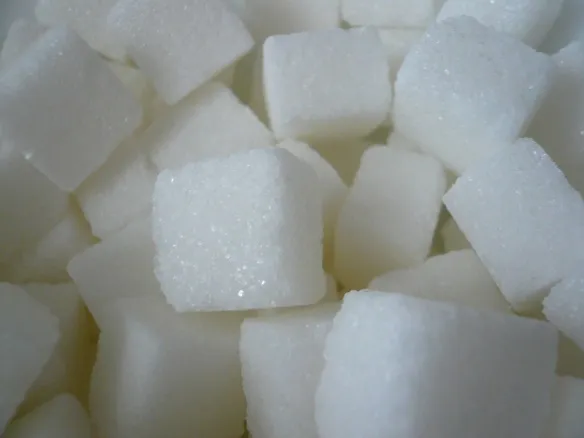
Image Resource Excessive consumption of sugar, salt and saturated fat generates medical costs of 16.8 billion EUR in Germany In a joint project researchers from the University Halle-Wittenberg (Germany) looked at the direct medical treatment costs of nutrition-associated diseases related to the overconsumption of sugars, salt and saturated fatty acids. In all, the team identified 22 clinical endpoints with 48 risk-outcome pairs. Read