Image Resources Our extensive research library contains thousands of summaries of journal articles, reports and news stories that can be searched by keyword and category RESOURCES CATEGORYBooksBriefing paperEvent recordingFeatured articlesFeatured reportGameJournal articlesNews and resourcesReportsThink pieceVideoWorking paperWorkshop summary YEAR201220132014201520162017201820192020202120222023202420252026 Image News and resources Edete raises $3m for bee-free pollination tech An Israeli startup has raised $3 million to create a mechanical system for pollinating plants, as an alternative to relying on bees. Wild bee numbers are declining, while bees used by farmers can suffer from Colony Collapse Disorder. Edete Precision Technologies for Agriculture hopes to build two separate systems: one to collect and store pollen, and another to autonomously apply the pollen to plants. Read Image News and resources How Crispr might change crops An article in Wired explains the implications for agriculture of the gene-editing tool Crispr, which can be used to edit the DNA of living cells at specific points in the genome. Potential applications include removing swollen joints from tomato stems, which can puncture the fruit. Read Image Books Food citizenship: Food system advocates in an era of distrust This book, by Ray A. Goldberg, provides the perspectives of people involved in shaping the global food system, including leaders in academia, nonprofits, public health, and the private and public sectors. Read Image Books Sustainable intensification of agriculture This book, by Jules Pretty and Zareen Pervez Bharucha, explores the current state of knowledge of sustainable agricultural intensification in a variety of settings, including smallholder farms and industrialised countries. Read Image Reports State of world fisheries and aquaculture 2018 The FAO has released its 2018 report on world fishery and aquaculture statistics. Key findings include that fisheries output peaked in 2016, having remained approximately static since the late 1980s, while aquaculture production is rising, as shown in the figure below. In 2015, fish accounted for around 17% of global animal protein consumption. One third of fish stocks are currently overfished, although progress has been made in the United States and Australia in increasing the proportion of fish stocks that are sustainably fished. Read Image Reports How big meat and dairy are heating up the planet A new report from the Institute for Agriculture and Trade Policy (IATP, a US non-profit research and advocacy organisation) and Genetic Resources Action International (GRAIN, a non-profit headquartered in Spain) finds that the five largest meat and dairy companies together account for more greenhouse gas emissions than ExxonMobil, Shell or BP. The top 20 meat and dairy companies have greater emissions than some nations, including the UK and Australia. The report argues that by 2050, the meat and dairy industry could account for 80% of the planet’s greenhouse gas budget if the industry grows as projected. Read Image Journal articles A quarter of seafood sold in Metro Vancouver is mislabelled Scientists used DNA barcoding (testing a short section of the genome) to check whether fish in Metro Vancouver are really the species that they are labelled as being. They found that 25% of fish sampled were mislabelled, with error rates higher in restaurants than in grocery stores or sushi bars. Since the price of the claimed species was often higher than that of the real species, the paper suggests that some labelling may be intentional. However, the paper also suggests that some errors could be due to confusion between vernacular fish names (rather than scientific species names). Read Image Journal articles Political leaning influences city water policies as strongly as climate This paper surveys 195 cities in the United States and finds that the number of water conservation measures adopted in a city depend on both the climate (drier cities tend to have more water conservation measures than wetter cities) and political leanings (cities that lean towards the Democrats have more water conservation measures than Republican-leaning cities). Read Image Journal articles Carbon-focused conservation may fail to protect the most biodiverse tropical forests Managing tropical forest conservation on the basis of maximising carbon storage might not protect the most biodiverse regions of forest, according to a recent paper. Using datasets from Brazil, the authors found that the correlation between biodiversity and levels of carbon stored in forests depended on whether and how the forest had been disturbed by human activity. Read VIEW MORE
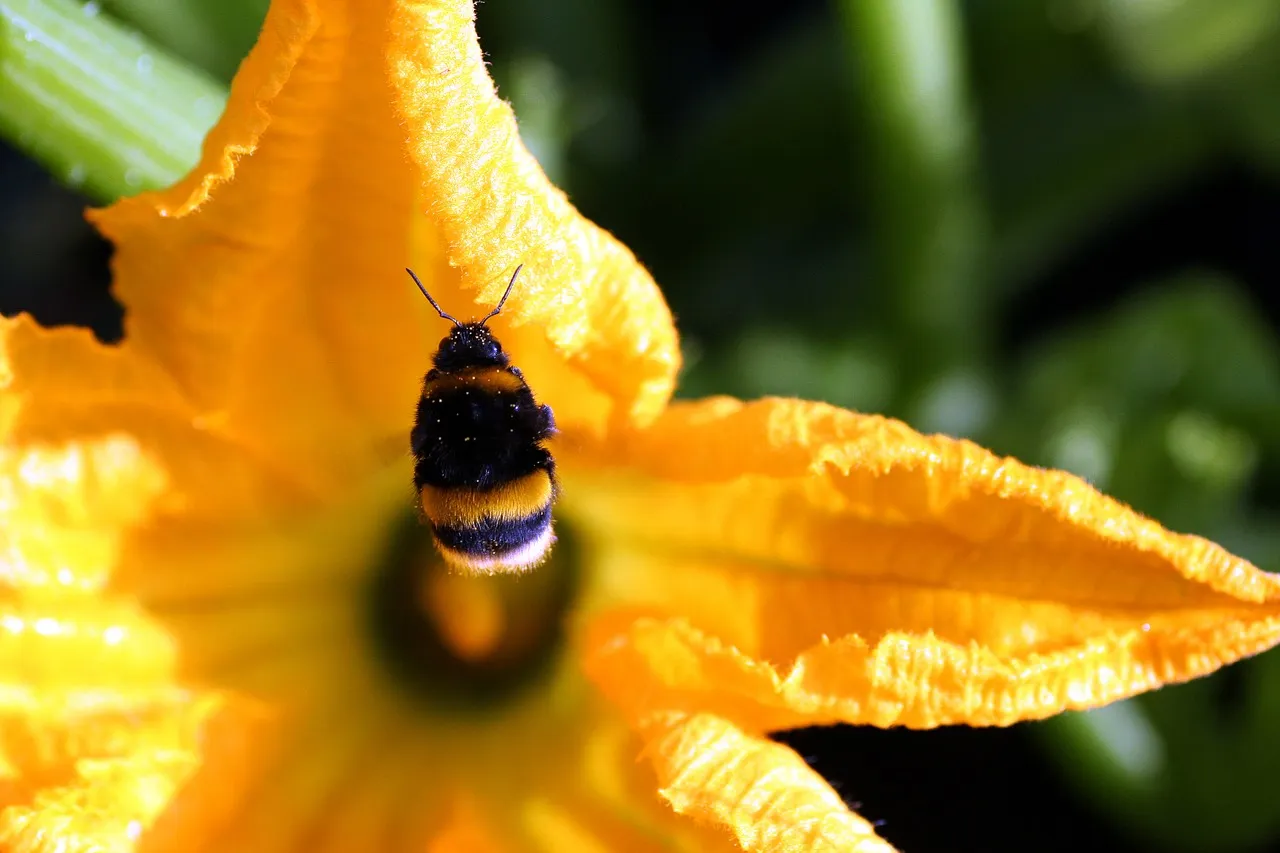
Image News and resources Edete raises $3m for bee-free pollination tech An Israeli startup has raised $3 million to create a mechanical system for pollinating plants, as an alternative to relying on bees. Wild bee numbers are declining, while bees used by farmers can suffer from Colony Collapse Disorder. Edete Precision Technologies for Agriculture hopes to build two separate systems: one to collect and store pollen, and another to autonomously apply the pollen to plants. Read
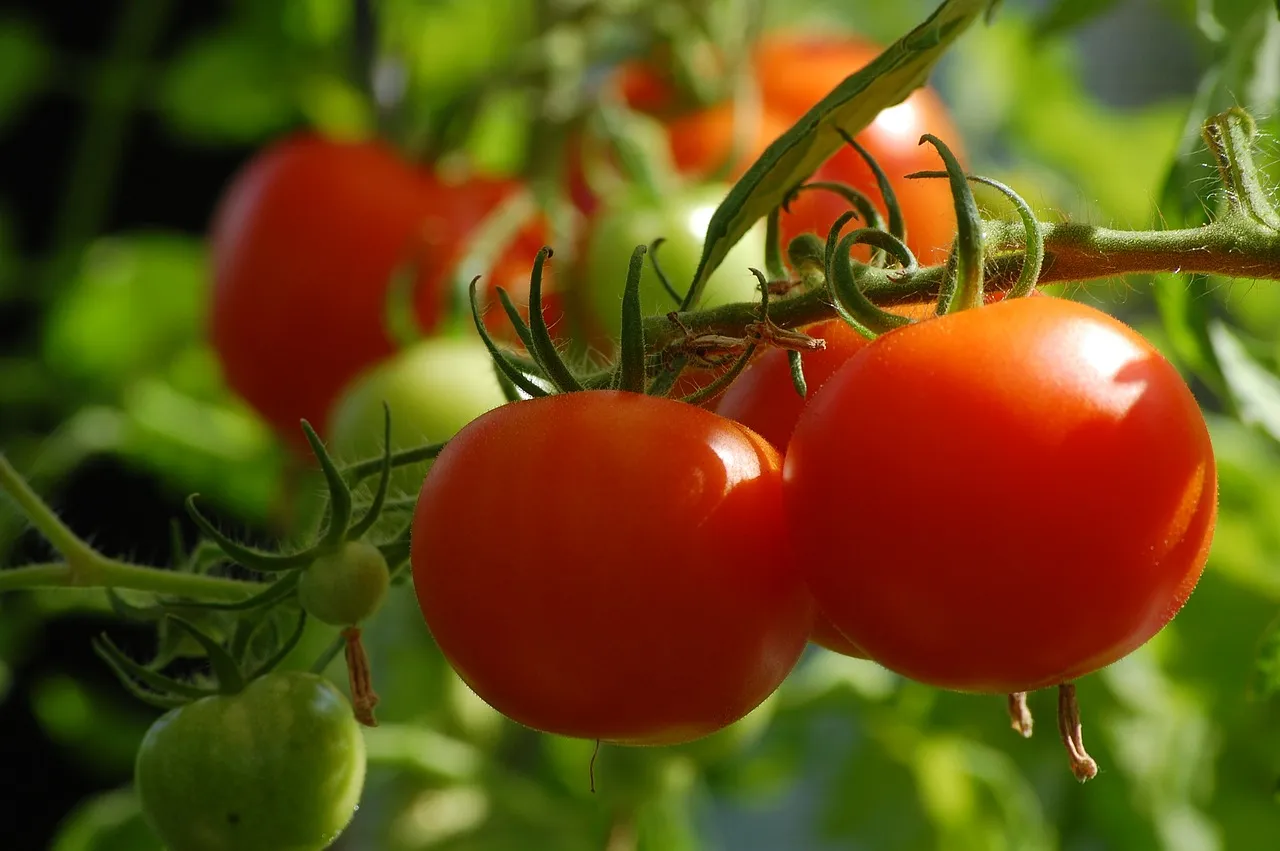
Image News and resources How Crispr might change crops An article in Wired explains the implications for agriculture of the gene-editing tool Crispr, which can be used to edit the DNA of living cells at specific points in the genome. Potential applications include removing swollen joints from tomato stems, which can puncture the fruit. Read
Image Books Food citizenship: Food system advocates in an era of distrust This book, by Ray A. Goldberg, provides the perspectives of people involved in shaping the global food system, including leaders in academia, nonprofits, public health, and the private and public sectors. Read
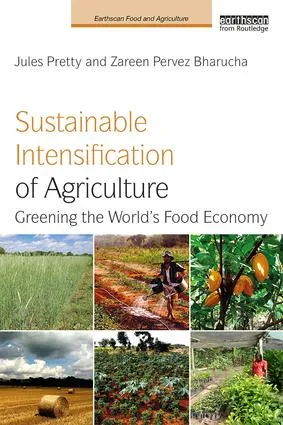
Image Books Sustainable intensification of agriculture This book, by Jules Pretty and Zareen Pervez Bharucha, explores the current state of knowledge of sustainable agricultural intensification in a variety of settings, including smallholder farms and industrialised countries. Read
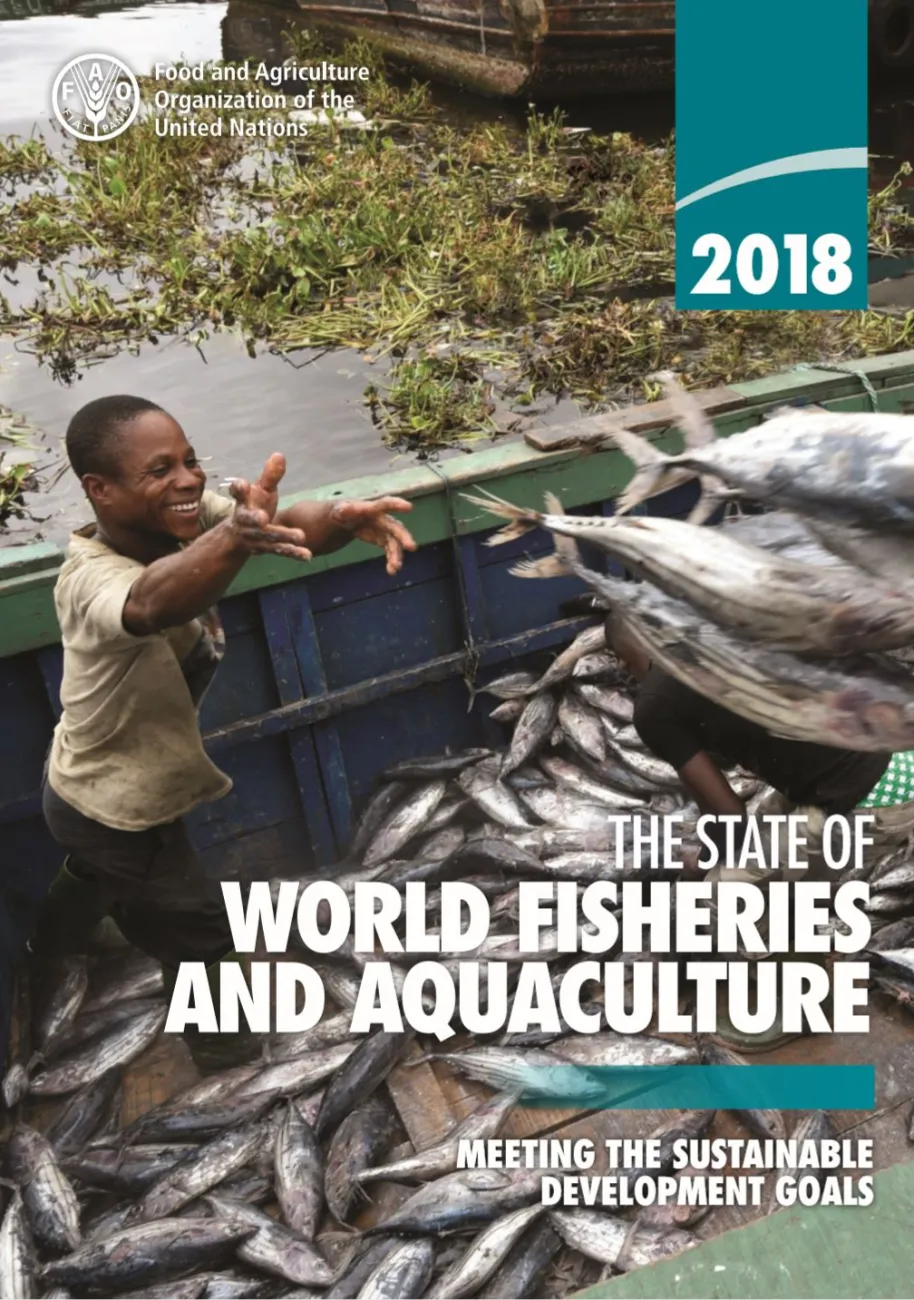
Image Reports State of world fisheries and aquaculture 2018 The FAO has released its 2018 report on world fishery and aquaculture statistics. Key findings include that fisheries output peaked in 2016, having remained approximately static since the late 1980s, while aquaculture production is rising, as shown in the figure below. In 2015, fish accounted for around 17% of global animal protein consumption. One third of fish stocks are currently overfished, although progress has been made in the United States and Australia in increasing the proportion of fish stocks that are sustainably fished. Read
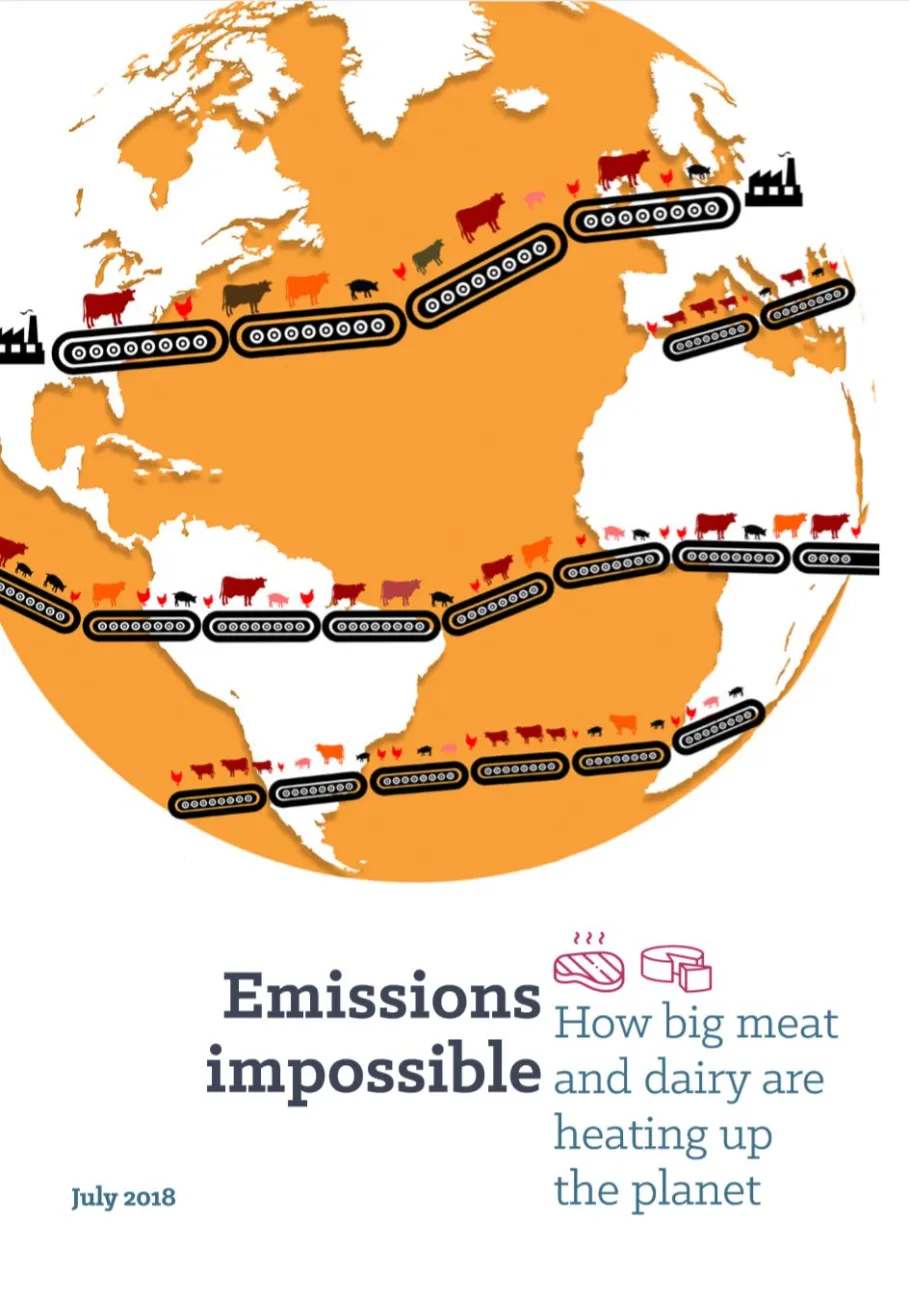
Image Reports How big meat and dairy are heating up the planet A new report from the Institute for Agriculture and Trade Policy (IATP, a US non-profit research and advocacy organisation) and Genetic Resources Action International (GRAIN, a non-profit headquartered in Spain) finds that the five largest meat and dairy companies together account for more greenhouse gas emissions than ExxonMobil, Shell or BP. The top 20 meat and dairy companies have greater emissions than some nations, including the UK and Australia. The report argues that by 2050, the meat and dairy industry could account for 80% of the planet’s greenhouse gas budget if the industry grows as projected. Read
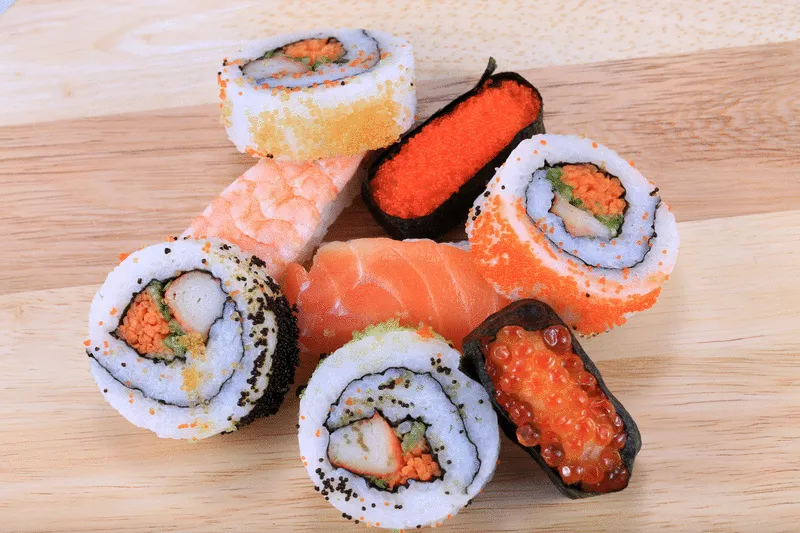
Image Journal articles A quarter of seafood sold in Metro Vancouver is mislabelled Scientists used DNA barcoding (testing a short section of the genome) to check whether fish in Metro Vancouver are really the species that they are labelled as being. They found that 25% of fish sampled were mislabelled, with error rates higher in restaurants than in grocery stores or sushi bars. Since the price of the claimed species was often higher than that of the real species, the paper suggests that some labelling may be intentional. However, the paper also suggests that some errors could be due to confusion between vernacular fish names (rather than scientific species names). Read
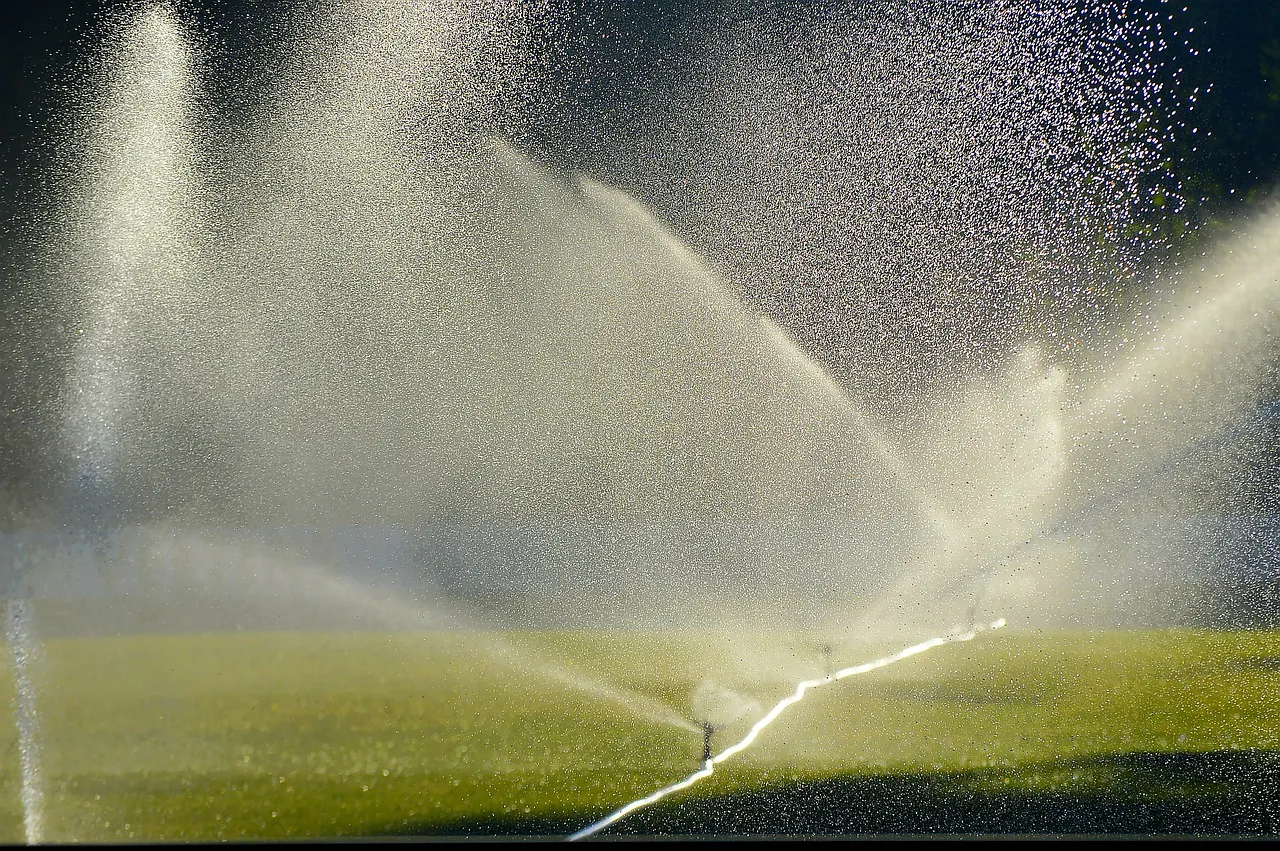
Image Journal articles Political leaning influences city water policies as strongly as climate This paper surveys 195 cities in the United States and finds that the number of water conservation measures adopted in a city depend on both the climate (drier cities tend to have more water conservation measures than wetter cities) and political leanings (cities that lean towards the Democrats have more water conservation measures than Republican-leaning cities). Read
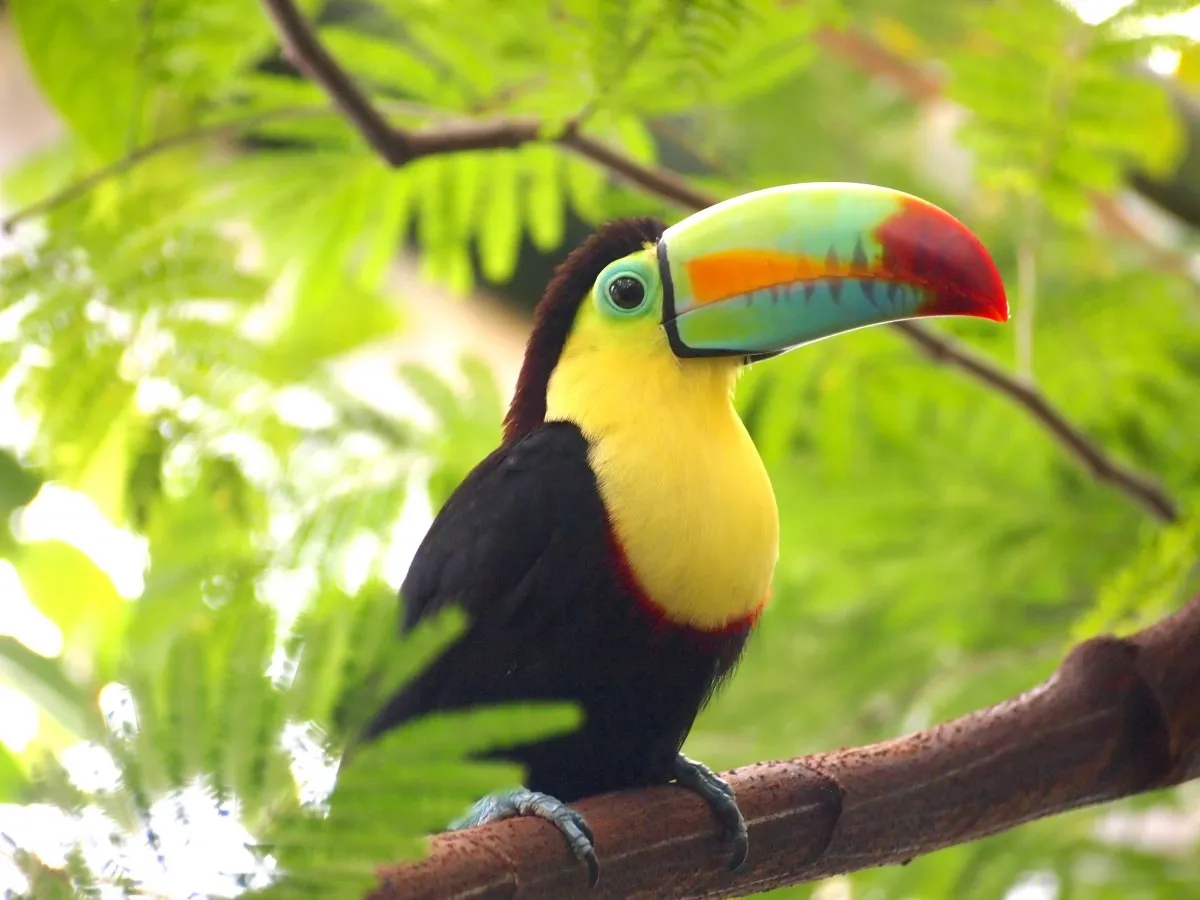
Image Journal articles Carbon-focused conservation may fail to protect the most biodiverse tropical forests Managing tropical forest conservation on the basis of maximising carbon storage might not protect the most biodiverse regions of forest, according to a recent paper. Using datasets from Brazil, the authors found that the correlation between biodiversity and levels of carbon stored in forests depended on whether and how the forest had been disturbed by human activity. Read