Image Resources Our extensive research library contains thousands of summaries of journal articles, reports and news stories that can be searched by keyword and category RESOURCES CATEGORYBooksBriefing paperEvent recordingFeatured articlesFeatured reportGameJournal articlesNews and resourcesReportsThink pieceVideoWorking paperWorkshop summary YEAR201220132014201520162017201820192020202120222023202420252026 Image Journal articles Warmer climate to cause more simultaneous maize failures As global mean temperature rises due to climate change, the chance of multiple shocks in maize production occurring at the same time rises, due to greater variability in yields. The top four maize-producing countries are United States, China, Brazil, and Argentina. The chance of all four suffering a yield loss of more than 10% in the same year is presently almost zero, but rises to 6% for 2°C of warming and 87% for 4°C of warming. The study does not account for changing variability in temperature (only the increase in mean temperature), nor any gains from breeding heat-tolerant maize varieties. Read Image Journal articles Organic agriculture, food security, and the environment This review paper reports that organic agriculture has lower yields than conventional agriculture, by 19-25% on average across all crops, according to three meta-analyses. Lower yields may be due to the lack of use of synthetic fertilisers - organic systems are often limited by low levels of nitrogen or phosphorus - and higher susceptibility to pest outbreaks. Widespread uptake of organic farming (to produce the same amounts of output as today) would probably require some conversion of natural habitats to farmland, because of this lower land-use efficiency compared to conventional agriculture - an important consideration, as the area of certified organic production has increased from 15 million ha in 2000 to 51 million ha in 2015 (although this is only 1% of agricultural land). Read Image Journal articles Food production sufficient for 2050, if diet and waste changed Current crop production levels could feed a population of 9.7 billion people in 2050, according to a recent paper, but only in a future in which there are socio-economic changes, significant shifts in diets towards plant-based foods, and limited biofuel production. Without dietary changes, crop production would have to increase by 119% by 2050. Read Image News and resources Podcast: Food citizenship Irish social enterprise foodture has produced a podcast about food citizenship, featuring Anna Cura of the Food Ethics Council. Anna describes the concept of food citizenship as being a mindset where people to think about themselves as engaged citizens, not just consumers, when making food purchase choices. Read Image News and resources Interactive guide: Understanding food and climate change The Centre for Ecoliteracy, a Californian non-profit, has produced a free interactive guide to understanding food and climate change, covering both how climate change affects the food system and how the food system contributes to climate change. Read Image News and resources Food companies to lobby via Sustainable Food Policy Alliance The US divisions of Danone, Mars, Nestle and Unilever have established the new Sustainable Food Policy Alliance, hoping to influence policymakers and regulators in five key areas: product transparency, nutrition, the environment, food safety and a positive workplace for food and agriculture workers. According to the Washington Post, the new alliance supports the reduction of salt in packaged foods and the introduction of “nutrition facts panels” to highlight sugar and calorie information (read more here). Read Image Books Carbon sequestration in agricultural ecosystems This book, by Klaus Lorenz and Rattan Lal, discusses the present state of knowledge on soil carbon dynamics in different types of agricultural systems, including croplands, grasslands, wetlands and agroforestry systems. It also discusses bioenergy and biochar. Read Image Reports Reducing UK emissions: 2018 progress report The UK’s Committee on Climate Change has released its 2018 Progress Report to Parliament on Reducing UK Emissions. Chapter 6 focuses on agriculture and land use, land-use change and forestry. The report finds the UK agricultural emissions were unchanged between 2008 and 2016. In 2017, half of farmers did not think it was important to consider emissions when making decisions about farming practices. The forestry sector’s ability to sequester carbon has levelled off due to the average age of trees increasing relative to the past. Chapter 6 makes only passing reference to demand-side measures for agricultural emissions reductions (see Figure 6.9). Read Image Reports A better Brexit for farm animals The UK’s Food Research Collaboration initiative has released a briefing paper on the differences in animal welfare standards between the UK and its likely post-Brexit trading partners, such as the fact that antibiotic use in cattle is nine to sixteen times higher in the US than the UK, by weight of cattle. The report points out that welfare standards risk being weakened to help obtain trade deals, and recommends several measures to protect animal welfare after Brexit, including farmer subsidies for higher welfare standards, mandatory labelling to help consumers choose better welfare standards, and using public procurement policies to promote higher welfare. Read VIEW MORE
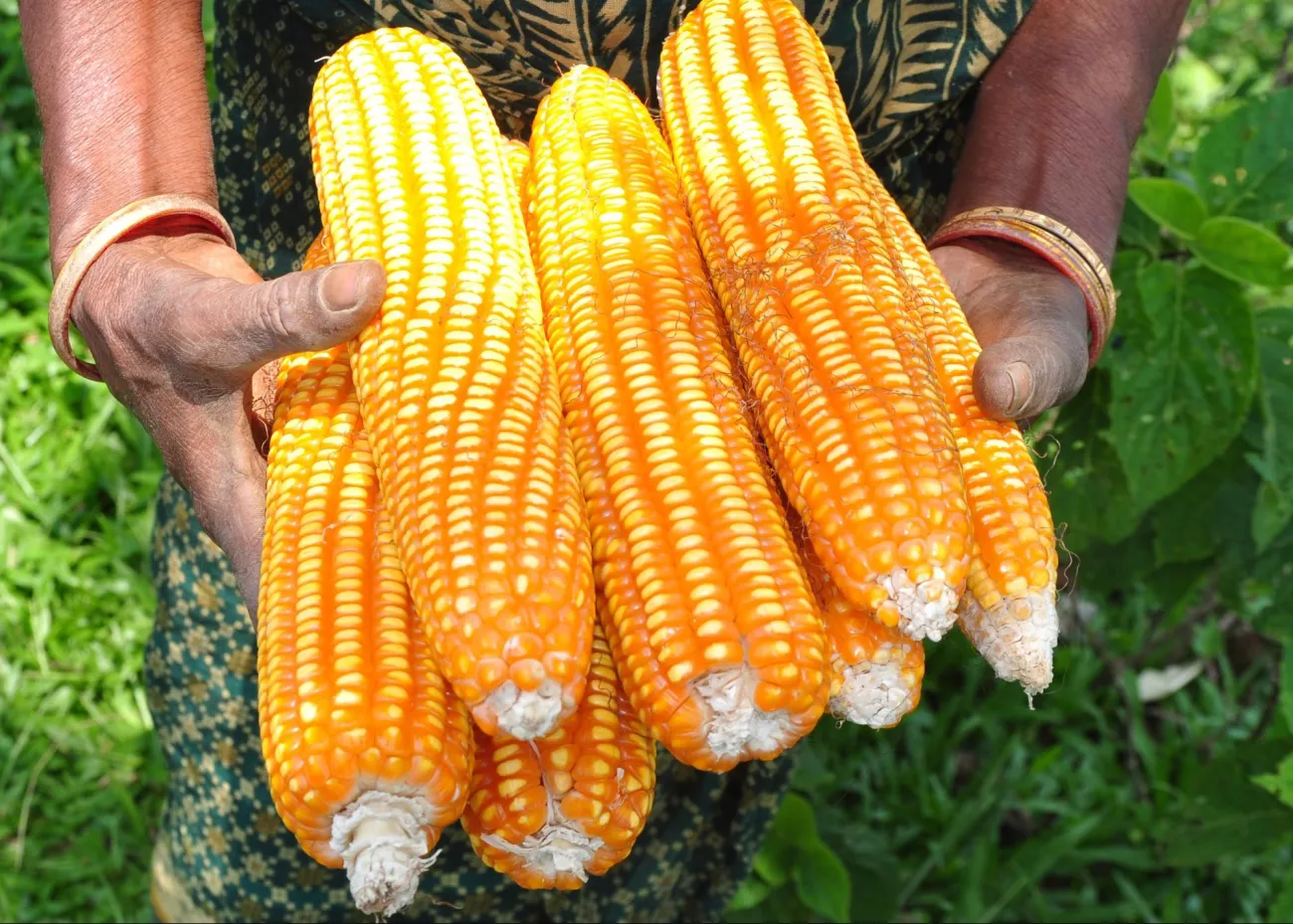
Image Journal articles Warmer climate to cause more simultaneous maize failures As global mean temperature rises due to climate change, the chance of multiple shocks in maize production occurring at the same time rises, due to greater variability in yields. The top four maize-producing countries are United States, China, Brazil, and Argentina. The chance of all four suffering a yield loss of more than 10% in the same year is presently almost zero, but rises to 6% for 2°C of warming and 87% for 4°C of warming. The study does not account for changing variability in temperature (only the increase in mean temperature), nor any gains from breeding heat-tolerant maize varieties. Read
Image Journal articles Organic agriculture, food security, and the environment This review paper reports that organic agriculture has lower yields than conventional agriculture, by 19-25% on average across all crops, according to three meta-analyses. Lower yields may be due to the lack of use of synthetic fertilisers - organic systems are often limited by low levels of nitrogen or phosphorus - and higher susceptibility to pest outbreaks. Widespread uptake of organic farming (to produce the same amounts of output as today) would probably require some conversion of natural habitats to farmland, because of this lower land-use efficiency compared to conventional agriculture - an important consideration, as the area of certified organic production has increased from 15 million ha in 2000 to 51 million ha in 2015 (although this is only 1% of agricultural land). Read
Image Journal articles Food production sufficient for 2050, if diet and waste changed Current crop production levels could feed a population of 9.7 billion people in 2050, according to a recent paper, but only in a future in which there are socio-economic changes, significant shifts in diets towards plant-based foods, and limited biofuel production. Without dietary changes, crop production would have to increase by 119% by 2050. Read
Image News and resources Podcast: Food citizenship Irish social enterprise foodture has produced a podcast about food citizenship, featuring Anna Cura of the Food Ethics Council. Anna describes the concept of food citizenship as being a mindset where people to think about themselves as engaged citizens, not just consumers, when making food purchase choices. Read
Image News and resources Interactive guide: Understanding food and climate change The Centre for Ecoliteracy, a Californian non-profit, has produced a free interactive guide to understanding food and climate change, covering both how climate change affects the food system and how the food system contributes to climate change. Read
Image News and resources Food companies to lobby via Sustainable Food Policy Alliance The US divisions of Danone, Mars, Nestle and Unilever have established the new Sustainable Food Policy Alliance, hoping to influence policymakers and regulators in five key areas: product transparency, nutrition, the environment, food safety and a positive workplace for food and agriculture workers. According to the Washington Post, the new alliance supports the reduction of salt in packaged foods and the introduction of “nutrition facts panels” to highlight sugar and calorie information (read more here). Read
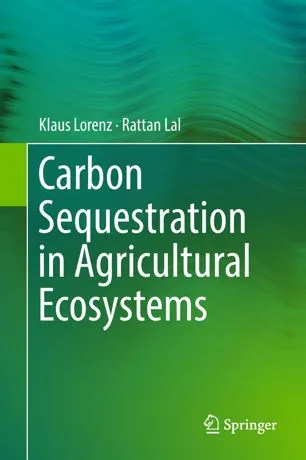
Image Books Carbon sequestration in agricultural ecosystems This book, by Klaus Lorenz and Rattan Lal, discusses the present state of knowledge on soil carbon dynamics in different types of agricultural systems, including croplands, grasslands, wetlands and agroforestry systems. It also discusses bioenergy and biochar. Read
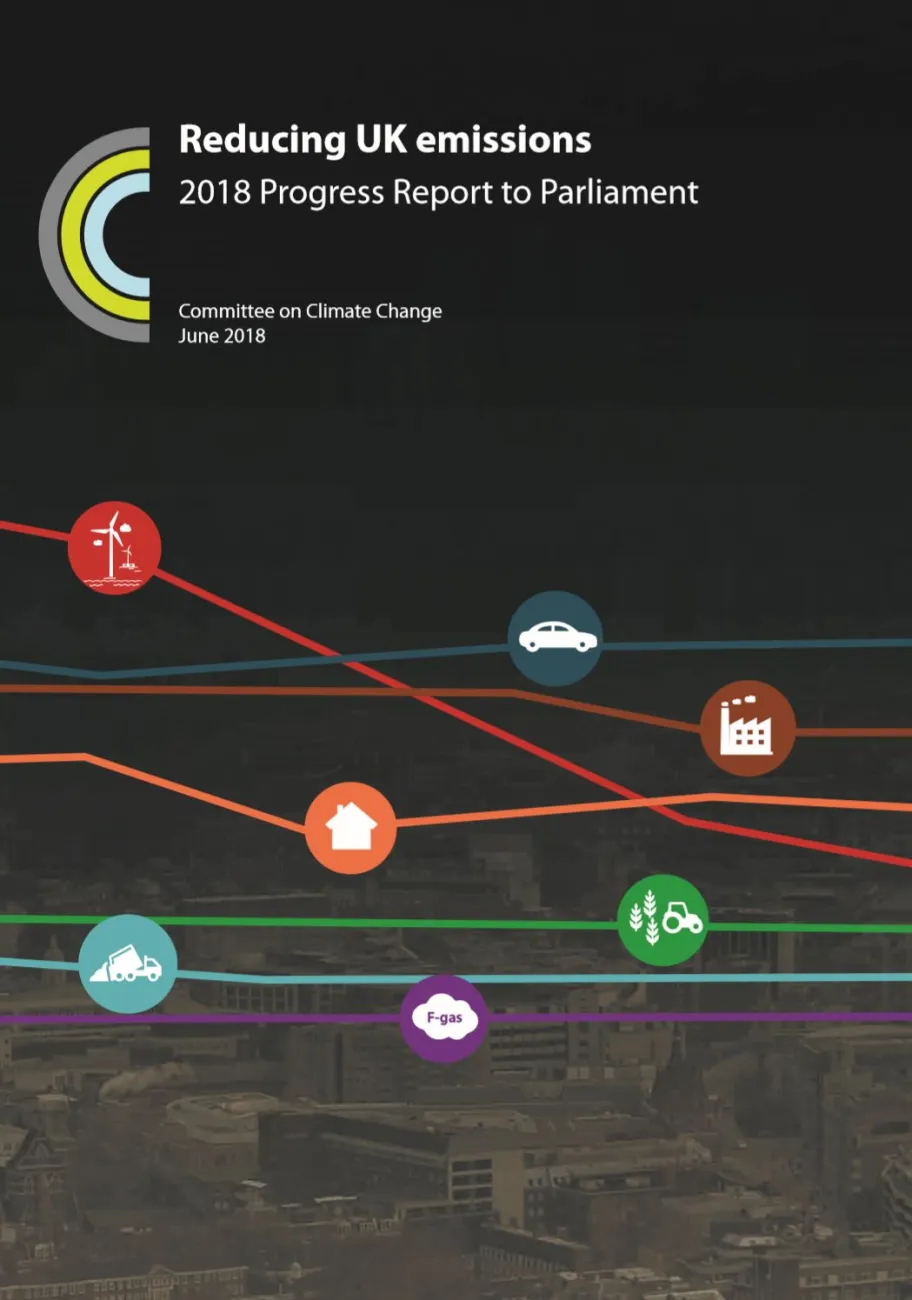
Image Reports Reducing UK emissions: 2018 progress report The UK’s Committee on Climate Change has released its 2018 Progress Report to Parliament on Reducing UK Emissions. Chapter 6 focuses on agriculture and land use, land-use change and forestry. The report finds the UK agricultural emissions were unchanged between 2008 and 2016. In 2017, half of farmers did not think it was important to consider emissions when making decisions about farming practices. The forestry sector’s ability to sequester carbon has levelled off due to the average age of trees increasing relative to the past. Chapter 6 makes only passing reference to demand-side measures for agricultural emissions reductions (see Figure 6.9). Read
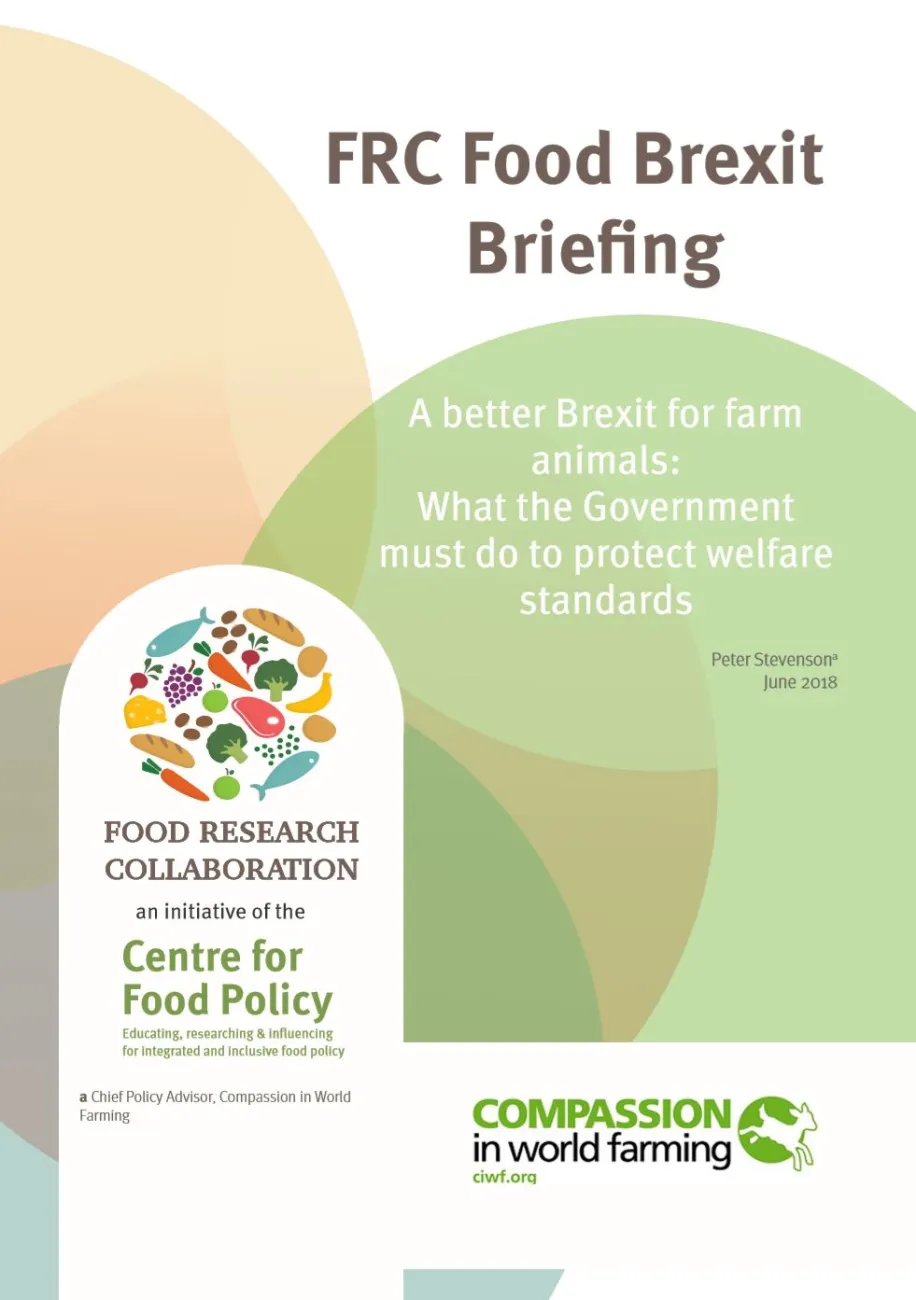
Image Reports A better Brexit for farm animals The UK’s Food Research Collaboration initiative has released a briefing paper on the differences in animal welfare standards between the UK and its likely post-Brexit trading partners, such as the fact that antibiotic use in cattle is nine to sixteen times higher in the US than the UK, by weight of cattle. The report points out that welfare standards risk being weakened to help obtain trade deals, and recommends several measures to protect animal welfare after Brexit, including farmer subsidies for higher welfare standards, mandatory labelling to help consumers choose better welfare standards, and using public procurement policies to promote higher welfare. Read