Close
Login Register
Search
  • About
    • What We Do
    • Who We Are
    • FAQs
  • Our Writing
    • Explainers
    • Essays
    • Letterbox
    • Reports & More
  • Podcasts
  • Our Events
  • Projects
    • Power In The Food Systems
    • Local-Global Scale Project
    • MEAT: The Four Futures Podcast
    • Fuel To Fork
    • Nature
    • Reckoning with Regeneration
    • SHIFT
    • Games at TABLE
    • Rethinking the Global Soy Dilemma
  • Resources
  • Opportunities
    • Jobs
    • Funding
    • Courses
    • Collaborations
    • Events
  • Newsletter
  • TABLE (EN)
Search
Back

Sustainable healthy diets

Image
Reports
Affordability of the UK’s Eatwell Guide
14.4 million households don’t currently spend enough on food to follow the UK’s Eatwell Guide recommendations for a healthy diet, according to a report released by the UK-based Food Foundation. The report estimates that a household of two adults and two children (aged 10 and 15) would have to spend £103.17 per week to follow the Eatwell Guide. To meet the Eatwell Guide recommendations, the poorest 50% of households would have to spend around 30% of their disposable income (after tax and housing costs), while the richest 50% of households would have to spend around 12% of their disposable income.
Read
Image
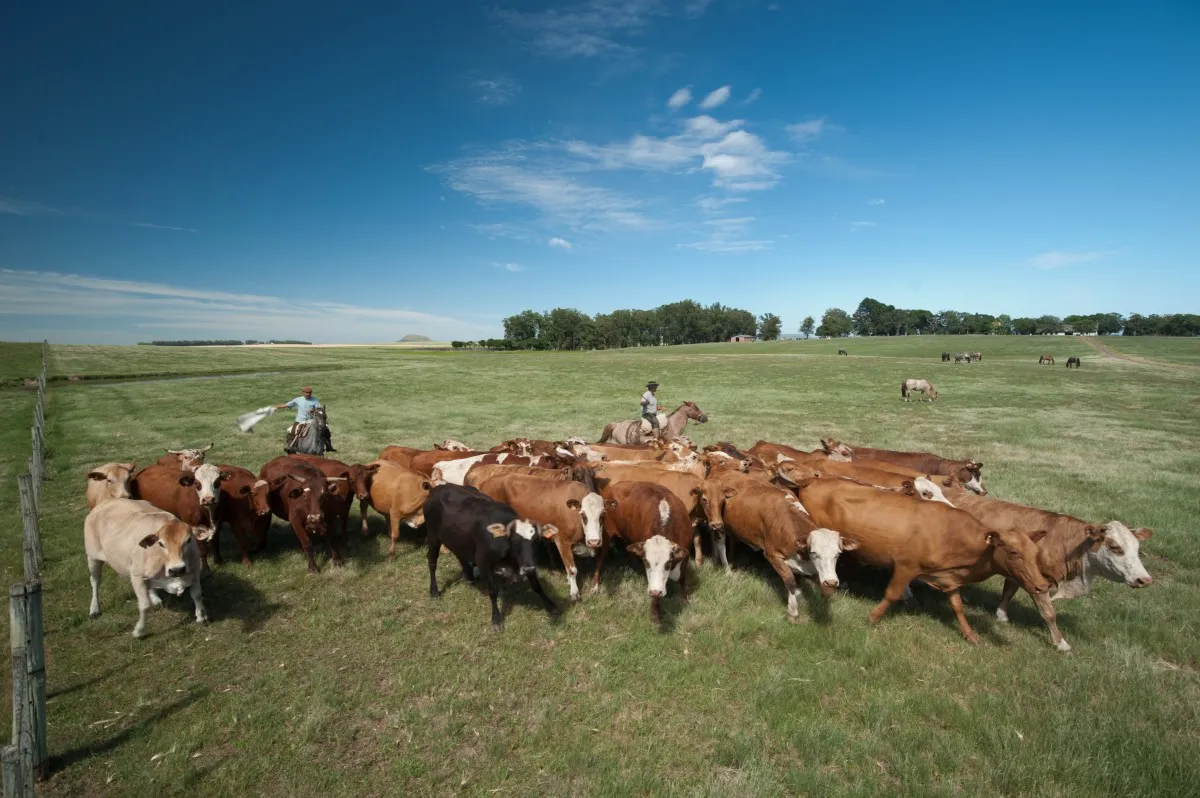
Image: Pxhere, Field, farm, meadow, Public domain
Journal articles
Not enough land for everyone to eat USDA recommended diet
If everyone in the world ate a diet consistent with the United States Department of Agriculture’s dietary guidelines, we would need more additional farmland than the amount of fertile land available, claims a recent paper.
Read
Image
Image: Richard W.M. Jones~commonswiki, Broad beans, shelled and steamed, Wikimedia Commons, Public domain
Journal articles
Food production sufficient for 2050, if diet and waste changed
Current crop production levels could feed a population of 9.7 billion people in 2050, according to a recent paper, but only in a future in which there are socio-economic changes, significant shifts in diets towards plant-based foods, and limited biofuel production. Without dietary changes, crop production would have to increase by 119% by 2050.
Read
Image
Books
Reframing convenience food
This book, by Peter Jackson et al., looks at different types of convenience foods and why consumers use them, and seeks to apply its findings to policies for healthy and sustainable diets.
Read
Image
Reports
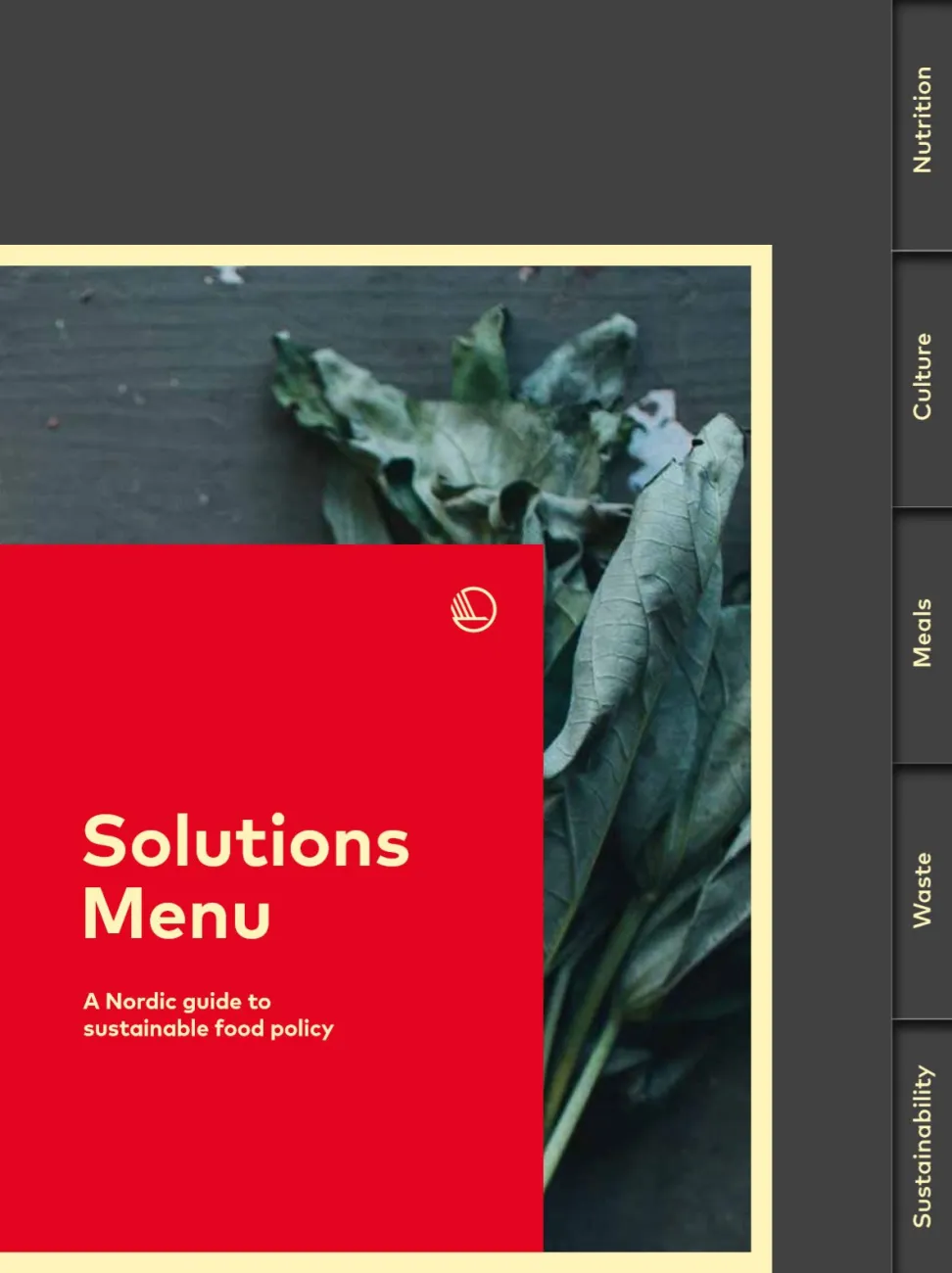
Solutions Menu: A Nordic guide to sustainable food policy
The Nordic Food Policy Lab has produced a report outlining 24 policies from the Nordic region that aim to change food consumption and tackle the social and environmental challenges caused by the current food system. Policies are organised into five themes - nutrition, culture, meals, waste and sustainability - and include salt labelling, building regional food identity, improving hospital meals and developing networks to reduce food waste. The authors include Marie Persson, former staff member of the FCRN.
Read
Image
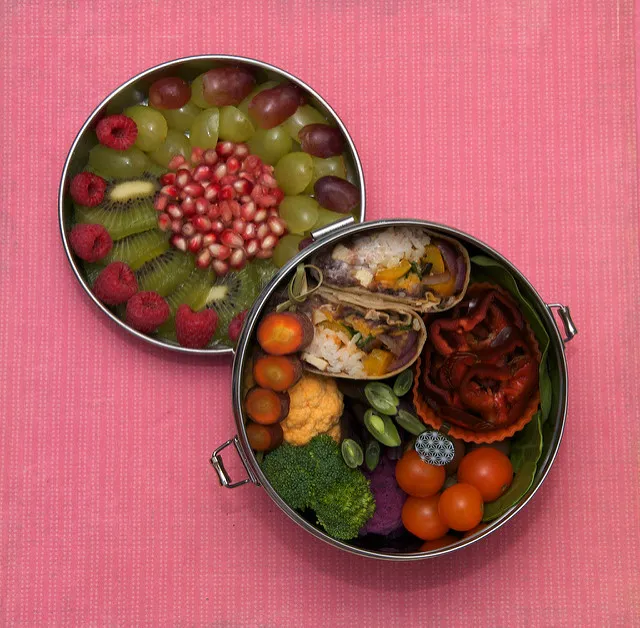
Image: gamene, veggie burrito bento, Flickr, Creative Commons Attribution 2.0 Generic
Journal articles
Interventions to accelerate change towards a healthier diet
The relationship between diets, health and quality of life has been the focus of several initiatives to accelerate a move towards healthier diets. However, the results of these interventions have been mixed. This paper by Susan Jebb of the University of Oxford summarises some of these dietary change interventions while discussing the need for improved methods to monitor and evaluate their progress.
Read
Image
Image: USDA, Chicken wings with celery, Flickr, Creative Commons Attribution 2.0 Generic
News and resources
How should we be eating now?
The FCRN’s Tara Garnett was interviewed for a piece on the difficulties of eating ethically by UK newspaper the Evening Standard. The piece, which discusses meat replacements, lab-grown meat and trade standards, also features Dan Crossley of the Food Ethics Council and Kath Dalmeny of Sustain.
Read
Image
Image: Olearys, Alimentos Saudáveis à Mesa, Flickr, Creative Commons Attribution 2.0 Generic
Journal articles
Dietary change can significantly reduce environmental impacts
A new study published in Science has consolidated data on five environmental impact categories (land use, freshwater withdrawals weighted by local water scarcity, climate change, acidification and eutrophication) for 40 agricultural goods from over 38,000 farms. It finds that the environmental impacts of producing the same food are highly variable between different farms. It also finds that the environmental impacts of animal products are generally higher than plant-based products.
Read
Image
Reports
Workshop summary: Supporting healthy and sustainable diets
The FCRN was a collaborator in the workshop “Supporting Healthy and Sustainable Diets: how do we get there?”, held in September 2017 as part of Land Economy for Sustainability Strategic Dialogue Series hosted by the Hoffmann Centre for Sustainable Resource Economy at Chatham House and the Children’s Investment Fund Foundation. This summary of the workshop outlines the actions that governments, businesses and civil society can take to make diets more sustainable and healthy.
Read
  • VIEW MORE

Sign up for Fodder, our monthly newsletter unpacking the future of food.

Tick below to opt-in to email communications.

You can change your mind at any time by clicking the unsubscribe link in the footer of any email you receive from us, or by contacting us at info@tabledebates.org.

We use Mailchimp as our marketing platform. By clicking below to subscribe, you acknowledge that your information will be transferred to Mailchimp for processing. Learn more about Mailchimp's privacy practices.

  • Glossary
  • About
  • Our Writing
  • Podcasts
  • Resources

Social

YouTube Facebook Instagram

© Copyright 2025

A collaboration between: