Close
Login Register
Search
  • About
    • What We Do
    • Who We Are
    • FAQs
  • Our Writing
    • Explainers
    • Essays
    • Letterbox
    • Reports & More
  • Podcasts
  • Our Events
  • Projects
    • Power In The Food Systems
    • Local-Global Scale Project
    • MEAT: The Four Futures Podcast
    • Fuel To Fork
    • Nature
    • Reckoning with Regeneration
    • SHIFT
    • Games at TABLE
    • Rethinking the Global Soy Dilemma
  • Resources
  • Opportunities
    • Jobs
    • Funding
    • Courses
    • Collaborations
    • Events
  • Newsletter
  • TABLE (EN)
Search
Back

Sustainable healthy diets

Image
Image: Jackie, Sweet potato, Pexels, Pexels License
Journal articles
EAT-Lancet diet versus Dietary Guidelines for Americans
FCRN member Nicole Tichenor Blackstone has co-authored this paper, which compares the diets recommended by the EAT-Lancet Commission and by the Dietary Guidelines for Americans (DGA). It finds areas of similarity as well as areas of divergence.
Read
Image
Books
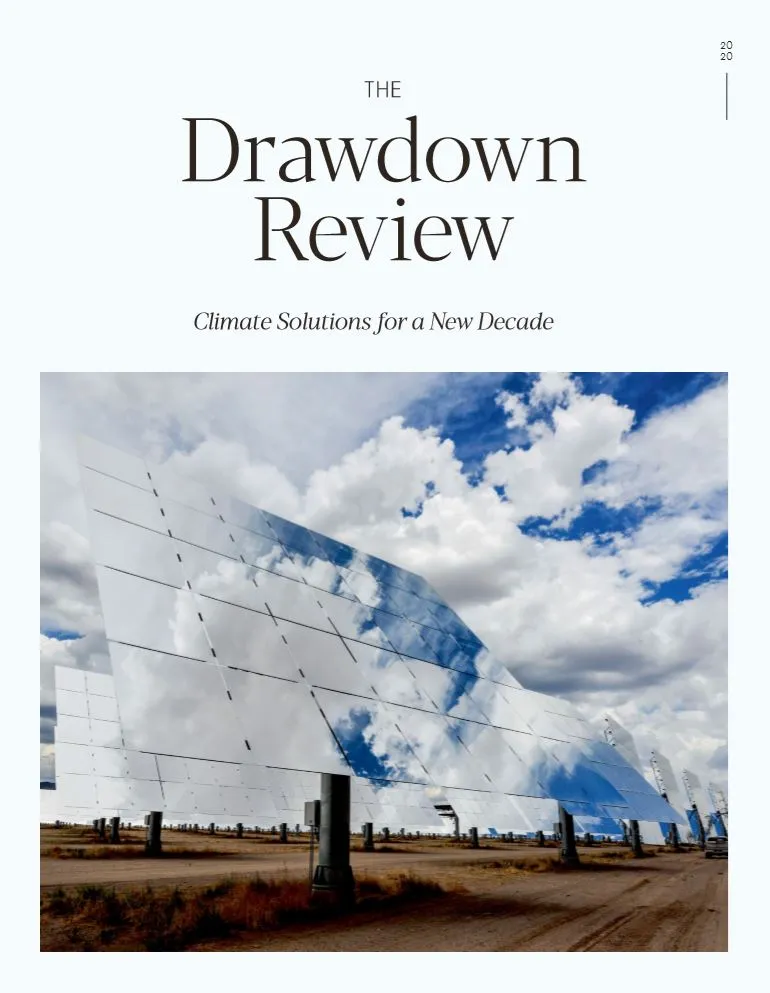
The Drawdown Review: climate solutions
This e-book from the international climate nonprofit Project Drawdown reviews the world’s options for reducing greenhouse gas emissions. The top solutions related to food and land (see section 1.2 of the book) are reducing food waste, shifting to plant-rich diets, protecting ecosystems such as peatland and forests, and shifting agricultural practices (e.g. improving rice production).
Read
Image
Image: ChristinaZetterberg, Bullar Kanel Pärlsocker, Pixabay, Pixabay Licence
Journal articles
Environmental benchmarking of the Swedish diet
FCRN member Elin Röös has co-authored this paper, which finds that the average Swedish diet far exceeds the planetary boundaries (scaled to the per capita level) suggested by the EAT-Lancet Commission for greenhouse gas emissions, cropland use, application of nutrients and biodiversity. The diet is within the boundary for freshwater use.
Read
Image
Books
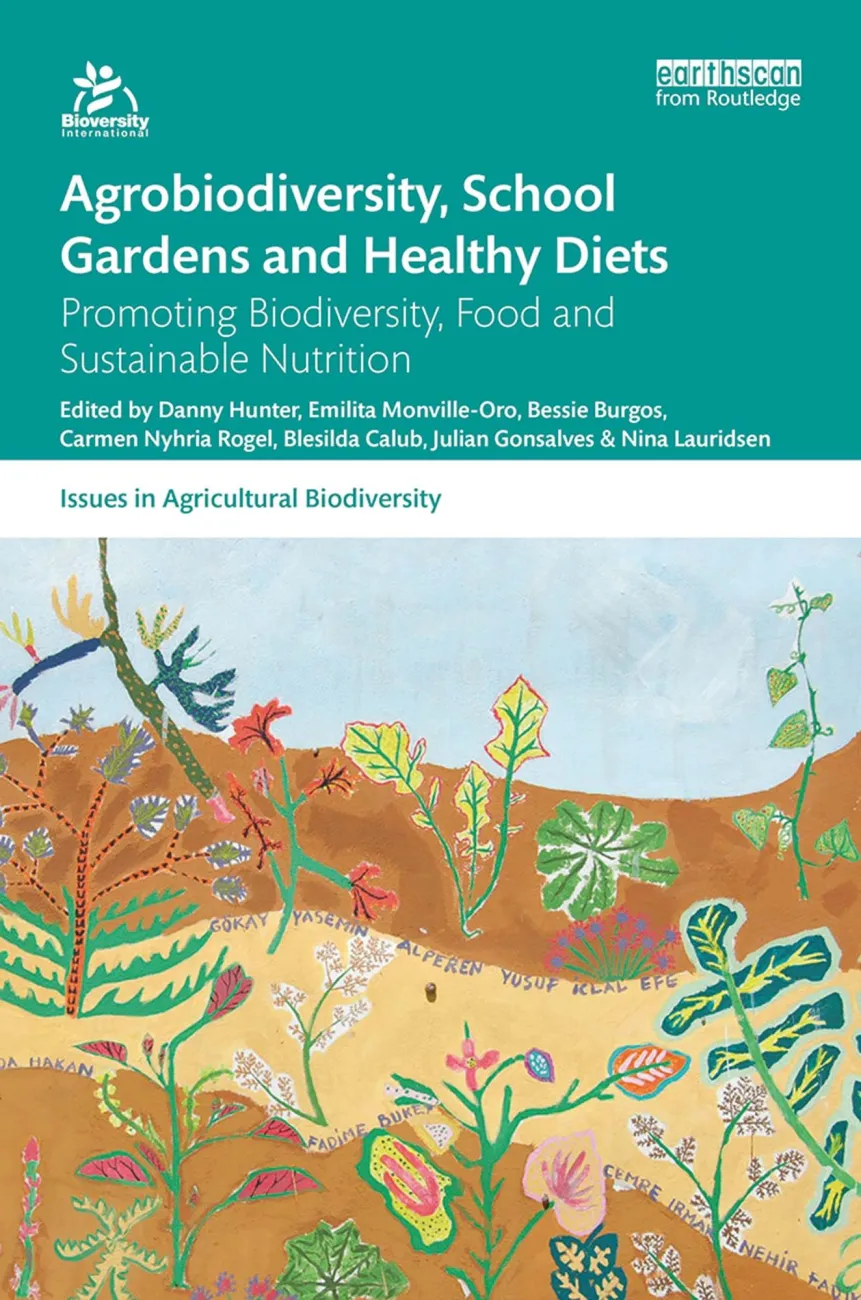
Agrobiodiversity, school gardens and healthy diets
This book examines the role of school gardens in addressing malnutrition among students and promoting healthy eating. It includes case studies in Nepal and the Philippines.
Read
Image
Reports
Afterres2050 scenario for the French food system
French non-profit Solagro has released an English version of this report, which presents the Afterres2050 scenario: a bottom-up assessment of the future of the French food system. The scenario was developed in consultation with farmers, foresters, nutritionists, community representatives, etc. as well as a multidisciplinary scientific council. 
Read
Image
Reports
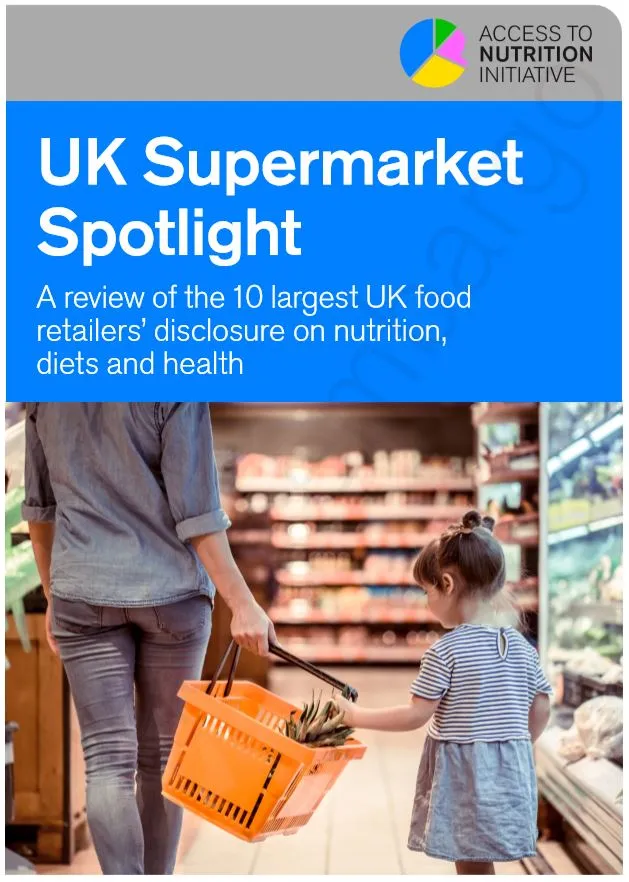
UK supermarket reporting on nutrition
This report from the Dutch non-profit Access to Nutrition Foundation and UK charity ShareAction analyses the extent to which the 10 largest supermarket chains are reporting their progress on diet, nutrition and health. It finds that current levels of disclosure are sparse and varied between stores, with no store reporting on more than 35% of the indicators assessed in this report. Sainsbury’s supermarket has the greatest extent of reporting.
Read
Image
Books
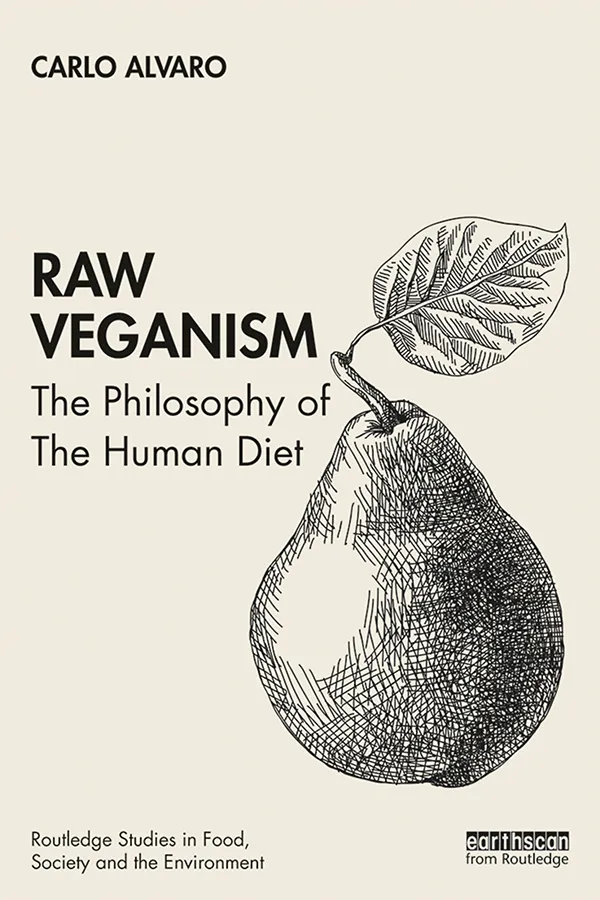
Raw Veganism: The philosophy of the human diet
This book takes a philosophical approach to the “raw vegan” diet. It discusses the ethics of eating animal products, including laboratory-grown meat, and further argues that cooking food encourages people to eat foods that are not healthy.
Read
Image
Image: Piqsels, Runner beans daylight, CC0 Public Domain
Journal articles
Scientists call for livestock reduction to meet climate targets
FCRN member Helen Harwatt has co-authored a letter calling for high- and middle-income countries to incorporate four commitments on livestock, emissions and land use into their commitments for meeting the emissions reductions of the Paris Agreement.
Read
Image
Reports
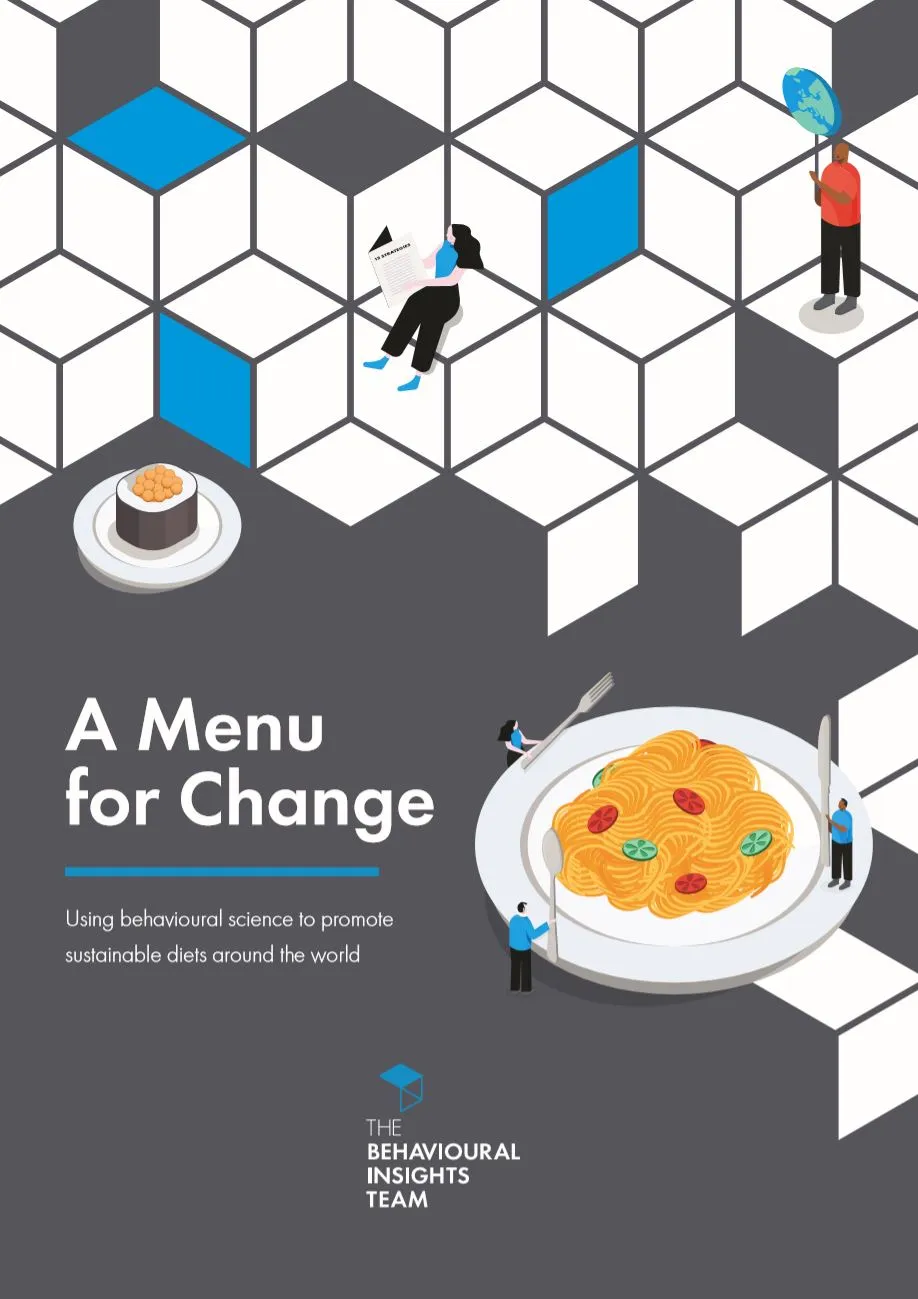
A Menu for Change: Promoting sustainable diets
This report from the Behavioural Insights Team, a global social purpose company, outlines 12 strategies for governments, retailers, producers, restaurants, campaigners and consumers to promote sustainable diets.
Read
  • VIEW MORE

Sign up for Fodder, our monthly newsletter unpacking the future of food.

Tick below to opt-in to email communications.

You can change your mind at any time by clicking the unsubscribe link in the footer of any email you receive from us, or by contacting us at info@tabledebates.org.

We use Mailchimp as our marketing platform. By clicking below to subscribe, you acknowledge that your information will be transferred to Mailchimp for processing. Learn more about Mailchimp's privacy practices.
  • Glossary
  • About
  • Our Writing
  • Podcasts
  • Resources

Social

YouTube Facebook Instagram

© Copyright 2025

A collaboration between: