Close
Login Register
Search
  • About
    • What We Do
    • Who We Are
    • FAQs
  • Our Writing
    • Explainers
    • Essays
    • Letterbox
    • Reports & More
  • Podcasts
  • Our Events
  • Projects
    • Power In The Food Systems
    • Local-Global Scale Project
    • MEAT: The Four Futures Podcast
    • Fuel To Fork
    • Nature
    • Reckoning with Regeneration
    • SHIFT
    • Rethinking the Global Soy Dilemma
  • Resources
  • Opportunities
    • Jobs
    • Funding
    • Courses
    • Collaborations
    • Events
  • Newsletter
  • TABLE (EN)
Search
Back

Supply chains

Image
Image: Phillip Capper, Terminal 5, Heathrow, 23 April 2011, Flickr, Creative Commons Attribution 2.0 Generic
Resource
Eco-modernisation, epistemic lock-in, and the barriers to greening aviation and ruminant farming
In this paper, the researchers examine the British civil aviation and ruminant farming sectors to understand the barriers to reducing greenhouse gas (GHG) emissions through technological innovation.
Read
Image
Resource
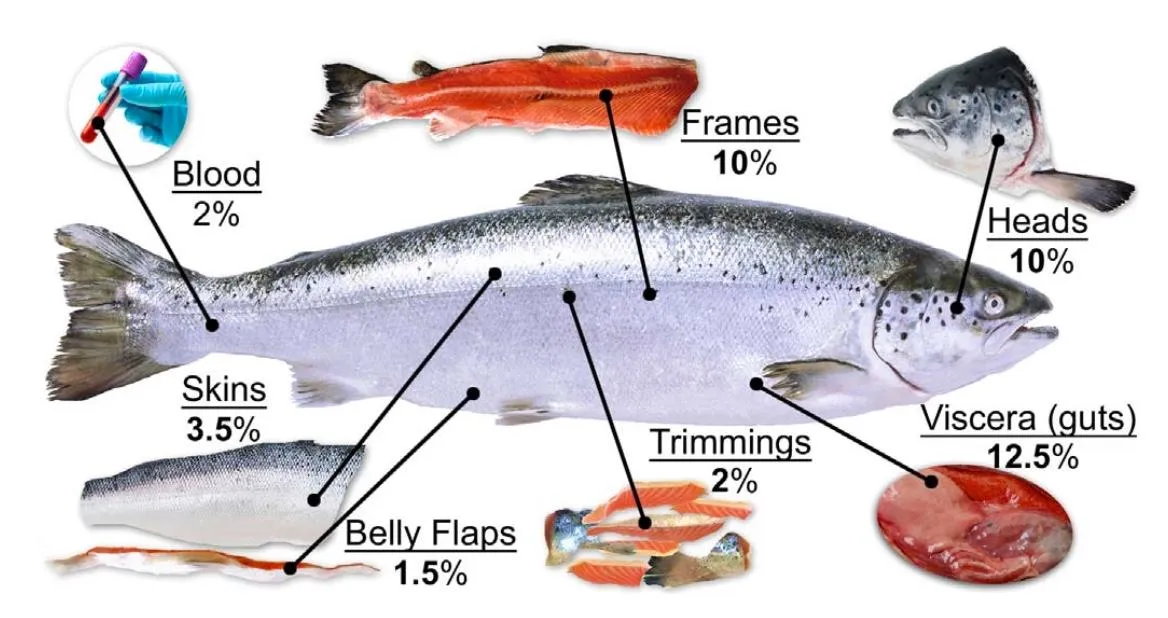
The rise of aquaculture by-products: increasing food production, value, and sustainability through strategic utilisation
In this article, researchers from the UK and USA present their findings of a 2015 case study of Scottish salmon farming, their goal being to illuminate the economic and food security value that may be gained through improved management and use of aquaculture by-products.
Read
Image
Resource
New toolkit to empower local food advocates in the United States
The Food Law and Policy Clinic at Harvard Law School, partnering with the Johns Hopkins Center for a Livable Future, has released an update to the toolkit Good Laws, Good Food: Putting Local Food Policy to Work for Our Communities. The toolkit is intended as a guide for advocates who seek to influence food law and policy in their local communities in the US.
Read
Image
Resource
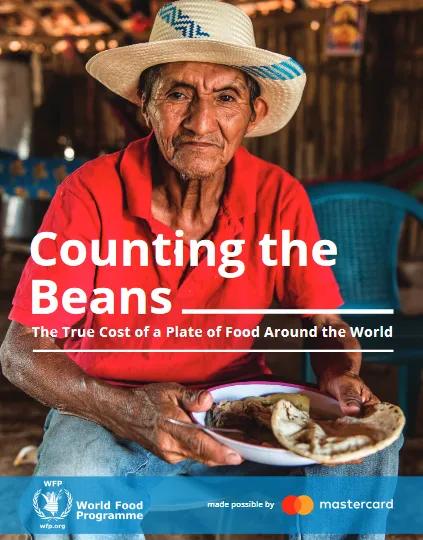
Report by WFP on the “true” cost of a plate of food around the world
Where in the world is the most expensive plate of food? In this publication the World Food Programme calculates the relative price of a nutritious meal in countries around the globe when compared to the average daily income and finds that the world’s poorest would have to pay more than a day’s wages for a single plate of sufficient food.
Read
Image
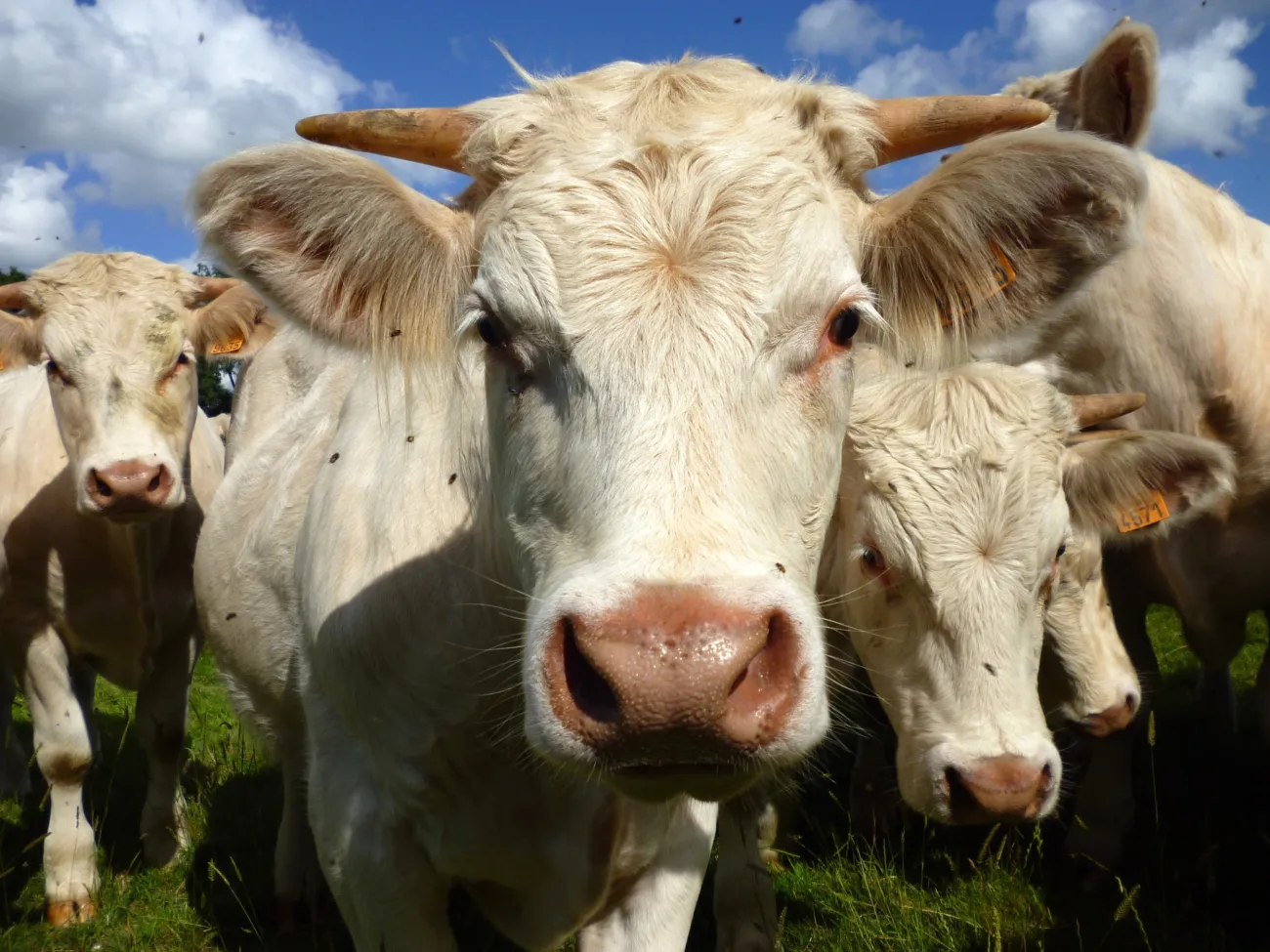
Photo: Stanze, Young male Charolais cattle, Flickr, CC by 2.0
Resource
The advent of “green” cattle
A new paper titled Distributions of emissions intensity for individual beef cattle reared on pasture-production systems details a new method, developed at the North Wyke Farm Platform, of assessing grazing livestock impacts and benefits at the level of individual animals.
Read
Image
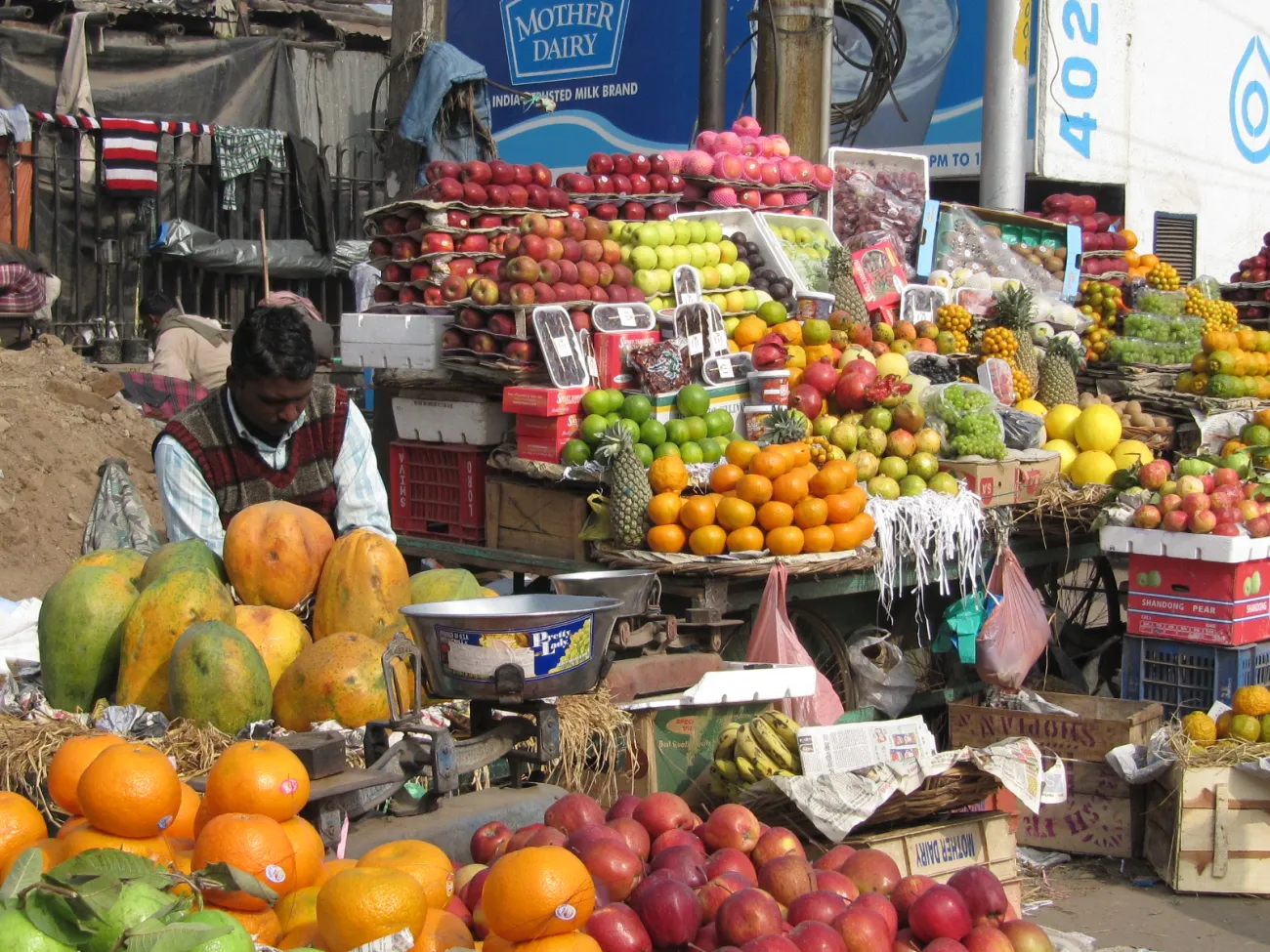
Photo: Fooding around, Fruit Walla New Delhi, Flickr, Creative Commons License 2.0 generic.
Resource
The contribution of city-scale actions to the overall food system’s environmental impacts
This paper by FCRN member Dana Boyer examines how policy interventions at the city scale can affect three environmental outcomes of food production: greenhouse gas emissions, water use and land use. It uses India’s capital city Delhi as a case study. It sets out to assess the magnitude of city-scale food system actions as compared to certain actions which can be taken beyond the city boundary.
Read
Image
Resource
Interactive online investor guide on agricultural supply chain risk including climate change and deforestation
Ceres, a sustainability nonprofit organization working with influential investors and companies, has released a new website to help investors when they make decisions to invest in food or agriculture companies. They argue that agricultural commodity trade is highly affected by issues such as climate change, deforestation, water use and pollution, and that companies need to take these into account in order to improve supply chain security and ensure consumer acceptability.
Read
Image
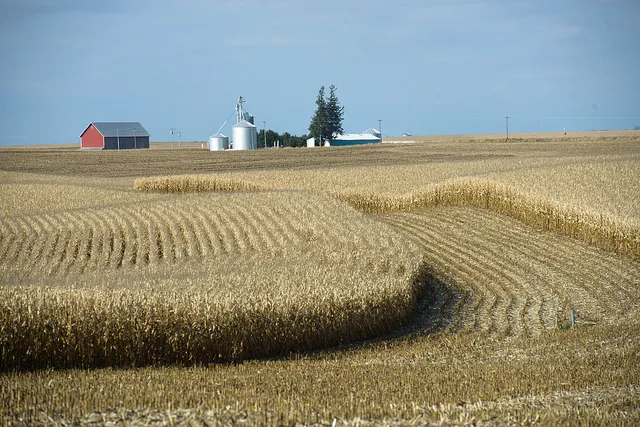
Photo: United Soybean Board, "Corn field", Flickr, Creative Commons License 2.0 generic.
Resource
Big food and little data: The slow harvest of corporate food supply chain sustainability initiatives
This article examines how big food companies contend with some of the issues involved in efforts to improve the sustainability of their raw material supply chains. It argues that these large companies often operate in long, complex, and traditionally non-transparent supply chains that make it difficult for them to exert real influence over producers. ‘Big food’ is the description given to the world’s largest and most influential companies in the food and beverages markets.
Read
Image
Resource
Flemish Agriculture and Fisheries Report
This report describes the whole Flemish food system, what the Flemish eat, what attitudes, behaviors and trends play a role and the economic, environmental and social consequences of Flemish food consumption. It analyses the different Flemish food supply chains and indicate the importance of distribution, processing and production and concludes with a set of recommendations.  
Read
  • VIEW MORE

Sign up for Fodder, our newsletter covering sustainable food news.

Sign up
  • Glossary
  • About
  • Our Writing
  • Podcasts
  • Resources

Social

YouTube Facebook Instagram

© Copyright 2025

A collaboration between: