Close
Login Register
Search
  • About
    • What We Do
    • Who We Are
    • FAQs
  • Our Writing
    • Explainers
    • Essays
    • Letterbox
    • Reports & More
  • Podcasts
  • Our Events
  • Projects
    • Power In The Food Systems
    • Local-Global Scale Project
    • MEAT: The Four Futures Podcast
    • Fuel To Fork
    • Nature
    • Reckoning with Regeneration
    • SHIFT
    • Rethinking the Global Soy Dilemma
  • Resources
  • Opportunities
    • Jobs
    • Funding
    • Courses
    • Collaborations
    • Events
  • Newsletter
  • TABLE (EN)
Search
Back

Substitutes for meat & dairy

Image
Reports
Free-market think tank endorses lab-grown meat
The Adam Smith Institute, a UK-based free-market think tank, has published a briefing paper in which it argues in favour of lab-grown meat (also known as cultured meat). The authors say that the potentially lower land use of lab-grown meat, compared to conventional meat, could allow some farmland to be rewilded, managed in less intensive ways, or used to build more houses.
Read
Image
Image: IF Half Burger, Impossible Foods Press Kit
News and resources
Heme in Impossible Burger approved by US FDA
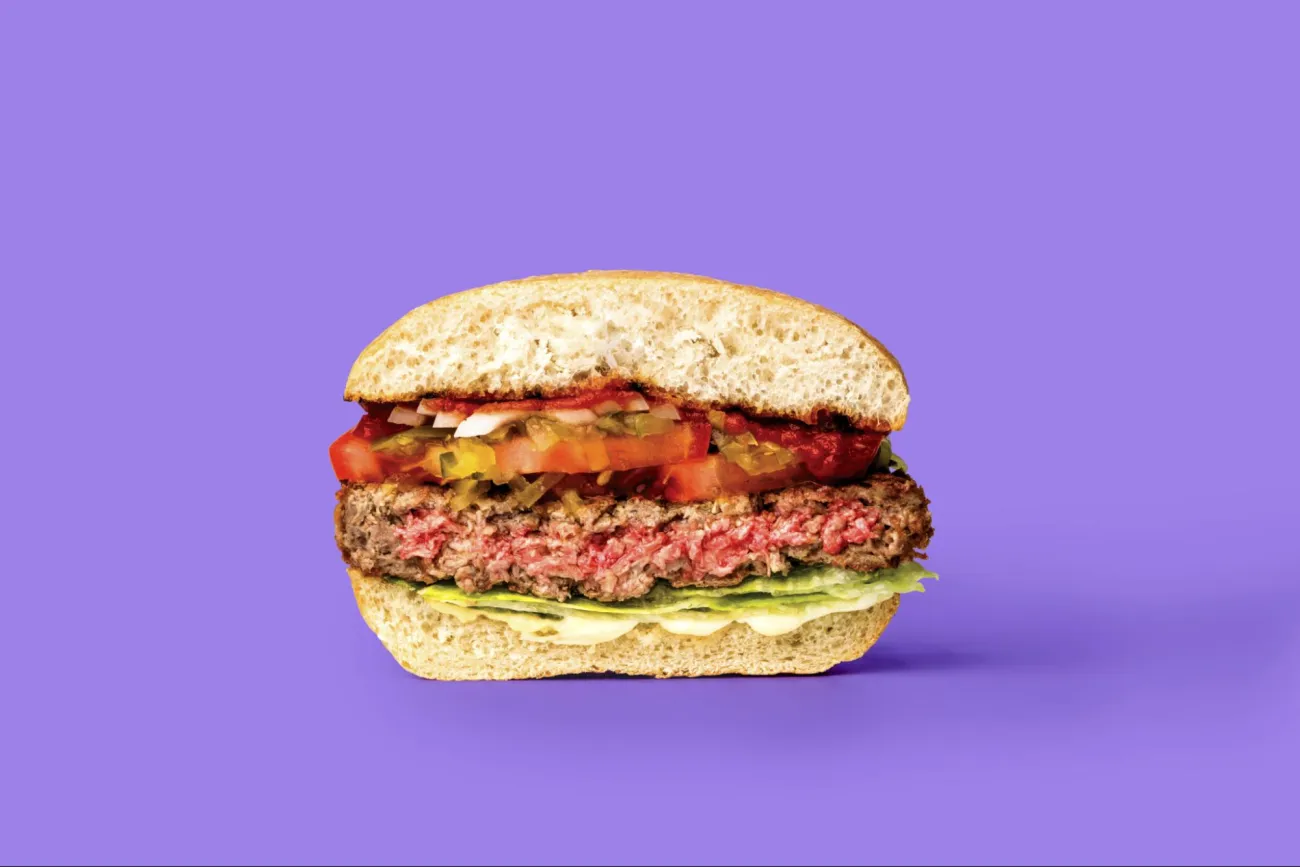
The US Food and Drug Administration (FDA) has approved the key ingredient in the plant-based burger created by Impossible Foods. Soy leghemoglobin, which releases a protein called heme that gives the burger its red colour and meat-like flavour, is made by Impossible Foods using genetically modified yeast. The FDA’s approval is based on the conclusions drawn by a panel of food safety experts and experimental data submitted by Impossible Foods.
Read
Image
Reports
UK ready meals still mostly meat-based
The UK’s Eating Better alliance has published a survey of ready meals in the main UK supermarkets. The briefing reports that only 3% of the 1350 ready meals surveyed were entirely plant-based; vegetarian, plant-based and meat substitute meals altogether made up 14% of the meals surveyed; 77% of the meals contained meat; and 10% contained fish or seafood. Some retailers sell vegan and vegetarian ready meals at a higher price than other meals, most notably Tesco’s Wicked Kitchen vegan range, which is 67% more expensive than Tesco’s regular range. Nearly one third of meat-based meals did not specify the country of origin of the meat, while only three retailers included the meat in their own-brand ready meals under their farm animal welfare policies.
Read
Image
Image: USDA, Chicken wings with celery, Flickr, Creative Commons Attribution 2.0 Generic
News and resources
How should we be eating now?
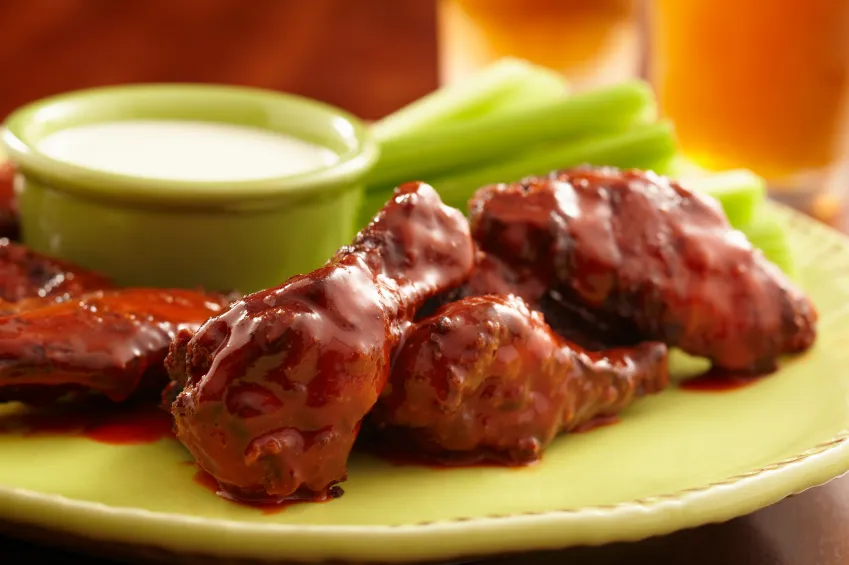
The FCRN’s Tara Garnett was interviewed for a piece on the difficulties of eating ethically by UK newspaper the Evening Standard. The piece, which discusses meat replacements, lab-grown meat and trade standards, also features Dan Crossley of the Food Ethics Council and Kath Dalmeny of Sustain.
Read
Image
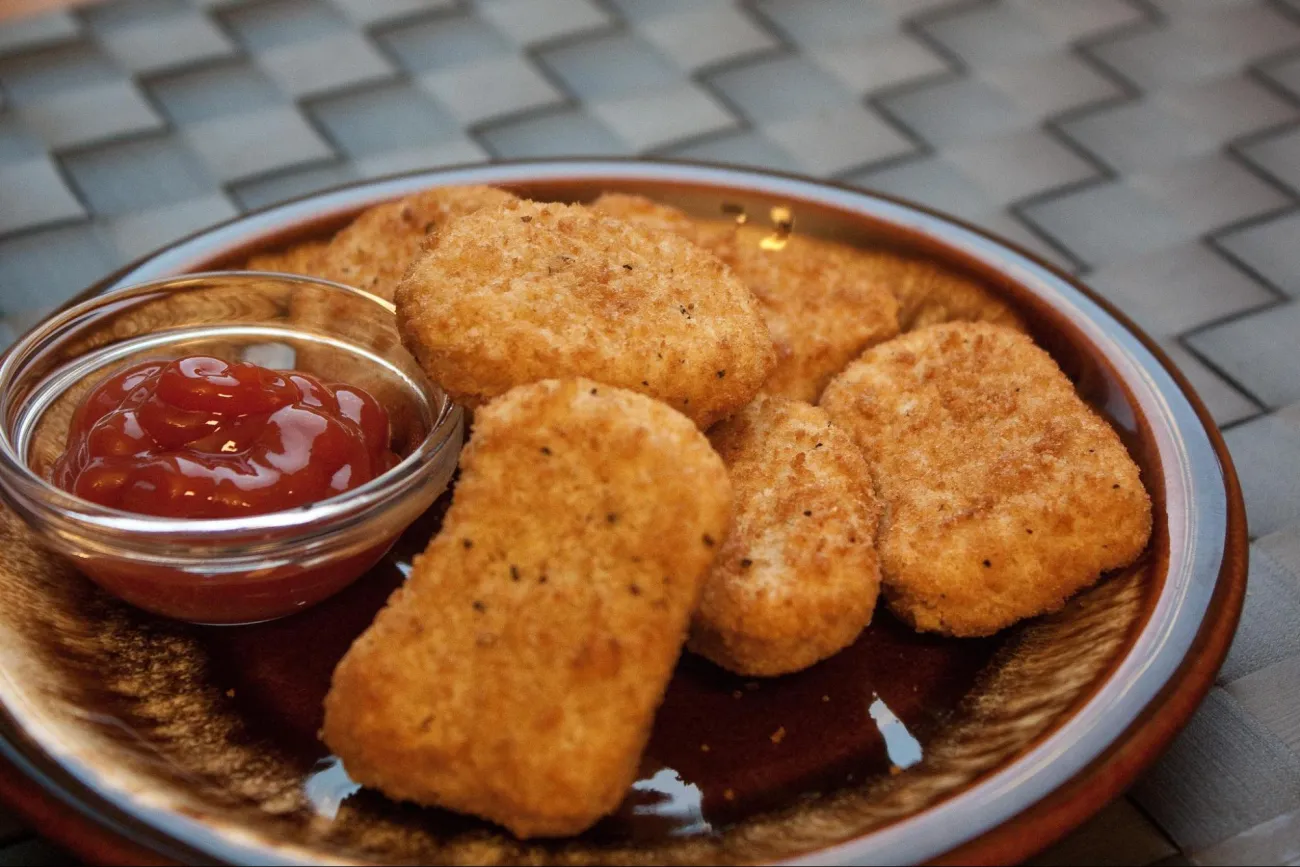
Image: Angie Six, Quorn Chick-n Nuggets, Flickr, Creative Commons Attribution-NoDerivs 2.0 Generic
News and resources
Why France banned “meat names” for vegetarian alternatives
France recently amended its agriculture bill to ban non-animal foods from being labelled similarly to animal products, e.g. “soy sausage”, on the basis that such labelling could be misleading to consumers.
Read
Image
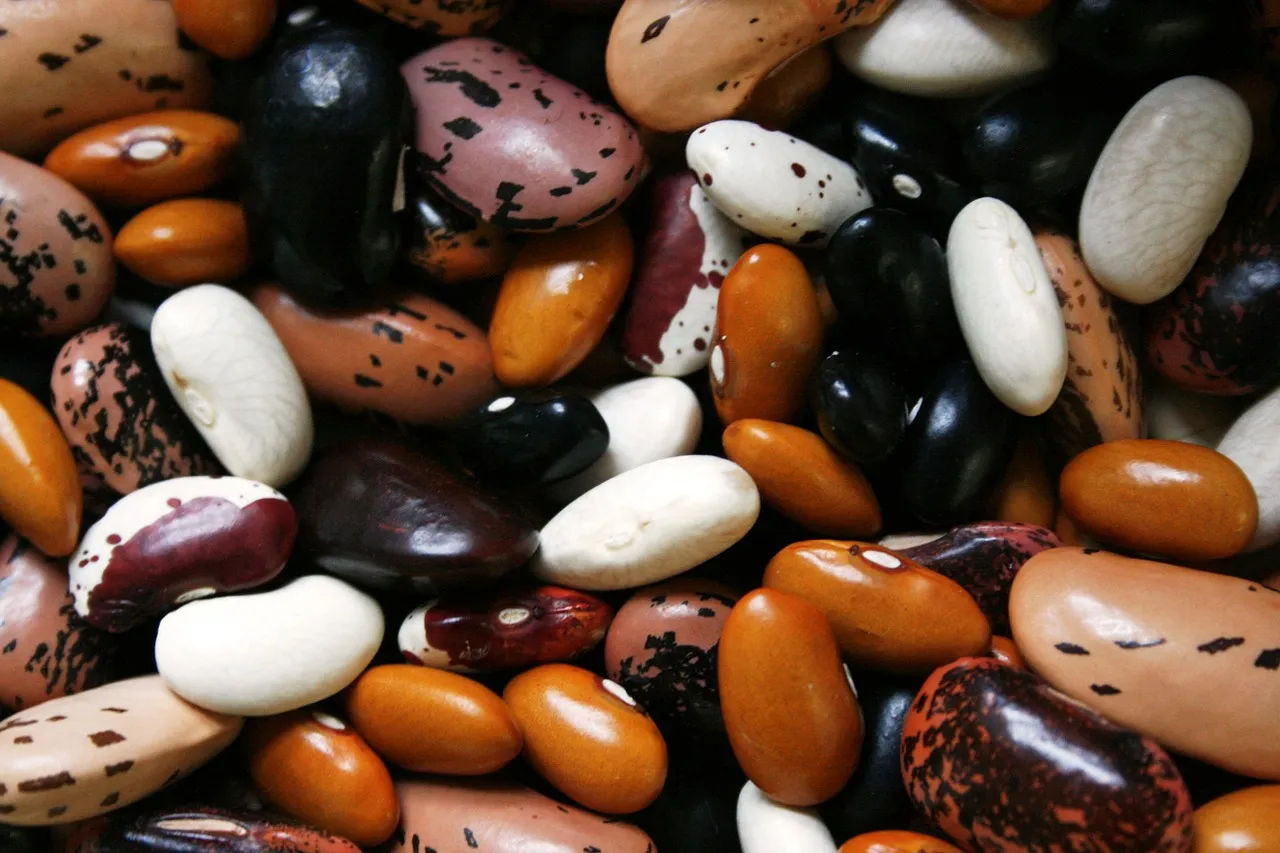
Image: Beans Proteins, Max Pixel, Creative Commons CC0
News and resources
Consumers prefer “plant-based” to “vegan”
Consumers prefer the term “100% plant-based” to “vegan”, according to a survey of US adults. When asked a series of questions including “Which tastes better?” and “Which is healthier?”, more than two-thirds of respondents selected “100% plant-based” over “vegan” (no other answers were available). According to Bark Stuckey (President and Chief Innovation Officer of Mattson, the organisation that conducted the survey), the preference might be because “plant-based” is seen as a positive dietary change, whereas “vegan” is seen as a whole lifestyle associated with deprivation and activism.
Read
Image
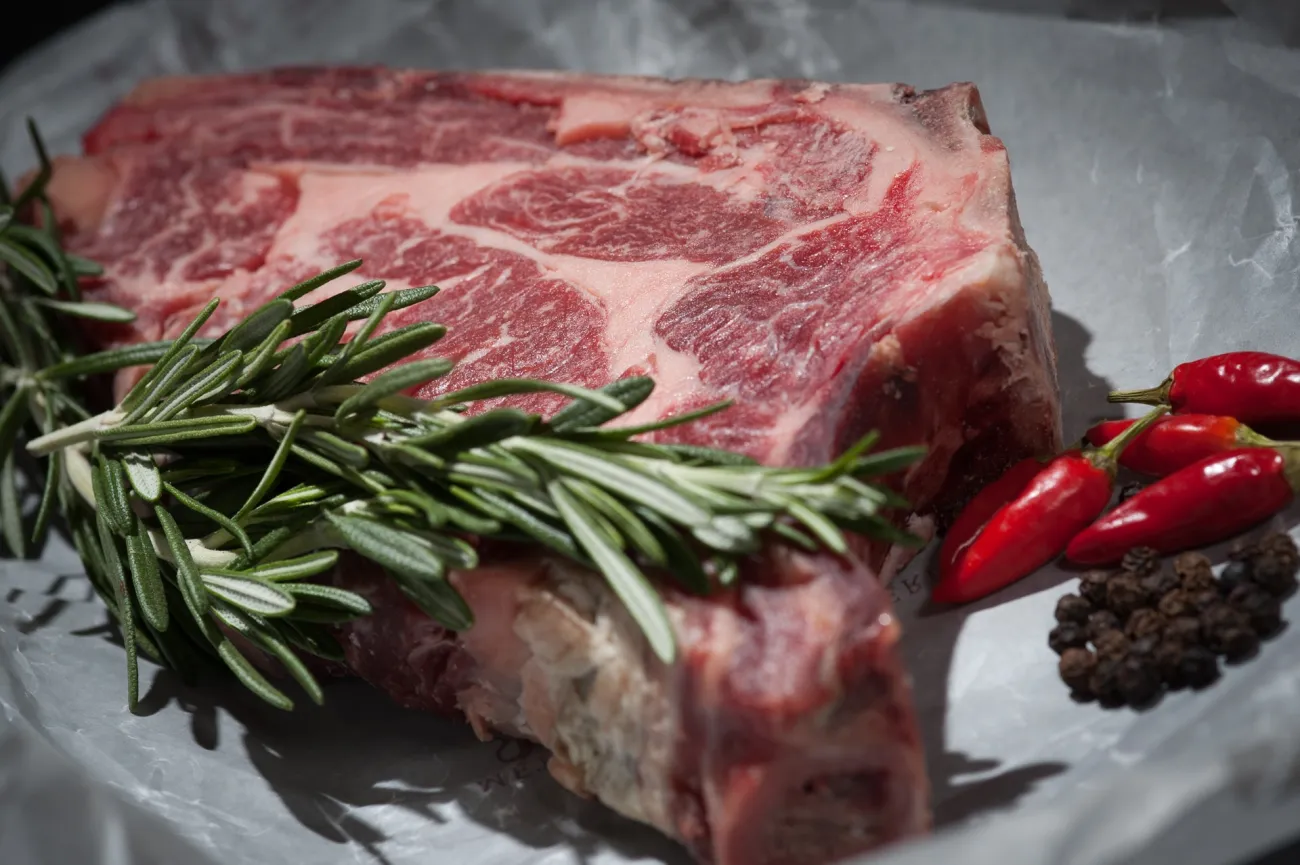
Image: Mali Maeder, Red Meat With Chili Pepper and Green Spies, Pexels, Creative Commons CC0
News and resources
3D structure for cultured meat
Creating realistic 3D structure for laboratory-grown meat has been a technical challenge, partly because of the difficulty in getting oxygen to the cells in the middle of a piece of cultured tissue. However, Israeli startup Aleph Farms says it may have the solution.
Read
Image
Books
Towards healthy and sustainable diets
This book, by Sirpa Sarlio, explores various aspects of the environmental, social and economic sustainability of the global food system, discusses health and sustainability aspects of specific foods including insects and meat substitutes and sets out options for promoting healthy and sustainable diets.
Read
Image
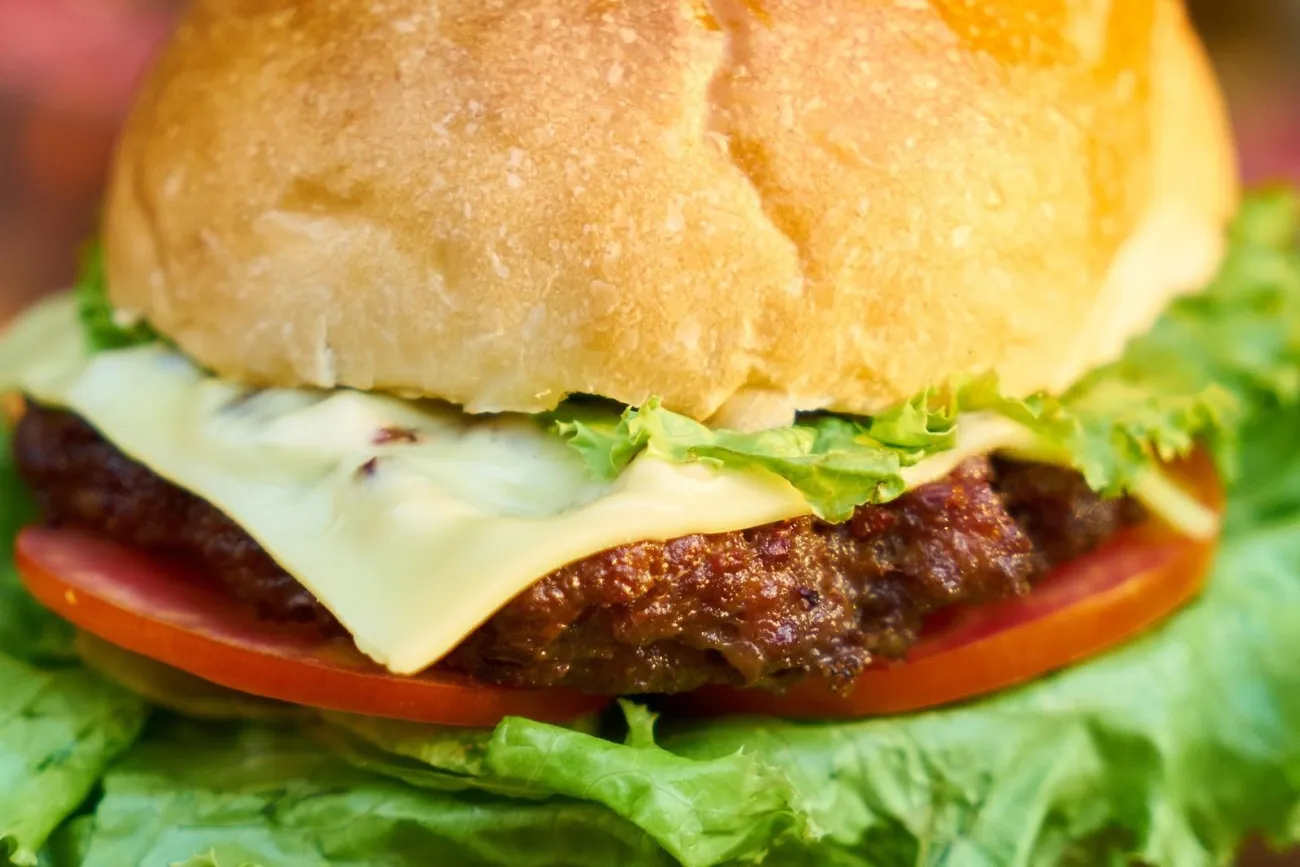
Image: Engin_Akyurt, Burger bread meat, Pixabay, Creative Commons CC0
Journal articles
Consumer views of plant-based and cultured burgers
This paper used a survey to explore consumer views of burgers made from beef, plant-based or cultured meat. The survey participants were asked to choose, hypothetically, between the varieties of burger and were told that all burgers tasted the same (the participants did not actually get to try any burgers during the experiment). The results predict that, if prices were equal, 65% of consumers would buy the beef burger, 21% the plant-based burger, 11% the cultured meat burger and 4% would not buy any.
Read
  • VIEW MORE

Sign up for Fodder, our newsletter covering sustainable food news.

Sign up
  • Glossary
  • About
  • Our Writing
  • Podcasts
  • Resources

Social

YouTube Facebook Instagram

© Copyright 2025

A collaboration between: