Close
Login Register
Search
  • About
    • What We Do
    • Who We Are
    • FAQs
  • Our Writing
    • Explainers
    • Essays
    • Letterbox
    • Reports & More
  • Podcasts
  • Our Events
  • Projects
    • Power In The Food Systems
    • Local-Global Scale Project
    • MEAT: The Four Futures Podcast
    • Fuel To Fork
    • Nature
    • Reckoning with Regeneration
    • SHIFT
    • Rethinking the Global Soy Dilemma
  • Resources
  • Opportunities
    • Jobs
    • Funding
    • Courses
    • Collaborations
    • Events
  • Newsletter
  • TABLE (EN)
Search
Back

Obesity/overweight

Image
Resource
The Lancet – Obesity 2015 Series
This new series of papers from the Lancet summarises the latest available knowledge on obesity and what can be done to address the problem. The series introduction describes how today’s food environments exploits people’s biological, psychological, social, and economic vulnerabilities, making it easier for them to eat unhealthy foods. This in turn reinforces preferences and demands for foods of poor nutritional quality, furthering the unhealthy food environments. The authors call for regulatory actions from governments and increased efforts from industry and civil society to break these vicious cycles.
Read
Image
Resource
Little change in fast food portion size and product formulation between 1996 and 2013
Two new papers from researchers at the USDA Human Nutrition Research Center on Aging at Tufts University have analysed the portion sizes and nutritional contents (including calories, sodium, saturated fats and trans fats) of popular menu items served at three national fast-food chains between 1996 and 2013. The researchers found that average calories, sodium, and saturated fat stayed relatively constant, at high levels and the only decline seen was of trans fat of fries that took place between 2000-2009. The products analysed were: French fries, cheeseburgers, grilled chicken sandwich, and regular cola.
Read
Image
Resource
Soft drink sugar tax could be effective weapon in war against obesity
This study from Monash University looks at the effects of introducing a tax on sugar-sweetened beverages across different income groups, comparing impacts on consumption, bodyweight and tax burden.  They compare between introducing a flat rate 20% valoric tax and a 20 c/L volumetric tax and find that for low-income households the volumetric tax leads both to greater per capita weight loss and lower tax burden.
Read
Image
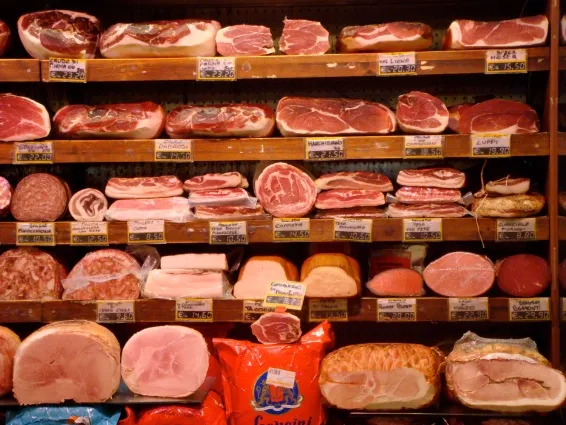
Phototram, Grocery store in Rome, Wikimedia Commons
Resource
Research report: “Meatless days” or “less but better”? Exploring strategies to adapt Western meat consumption to health and sustainability challenges
The report investigates consumers’ meat eating patterns, the relationship with BMI, and their willingness to eat less meat or to eat meat that they may perceive to be ‘better’ in some way – eg. organic or free range.
Read
Image
Resource
Most comprehensive global study to date shows obesity rates climbing worldwide
Read
Image
Resource
Future Diets - ODI report
The ODI report 'Future Diets' traces how the changes in diet - more fat, more meat, more sugar and bigger portions - have led to a looming global health crisis. 
Read
Image
Resource
Higher exposure to take-out food could double the odds of being obese
Understanding the influence of neighbourhood food environments in light of recent changes in society and rising levels of overweight and obesity has become very important. 
Read
Image
Resource
Call for a ban on junk food television advertising aimed at children
Read
Image
Resource
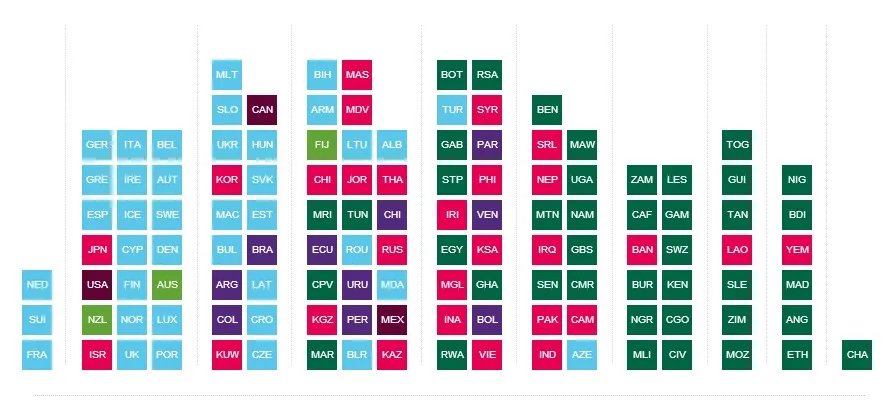
Oxfam: Good enough to eat - Food Index
Read
  • VIEW MORE

Sign up for Fodder, our newsletter covering sustainable food news.

Sign up
  • Glossary
  • About
  • Our Writing
  • Podcasts
  • Resources

Social

YouTube Facebook Instagram

© Copyright 2025

A collaboration between: