Close
Login Register
Search
  • About
    • What We Do
    • Who We Are
    • FAQs
  • Our Writing
    • Explainers
    • Essays
    • Letterbox
    • Reports & More
  • Podcasts
  • Our Events
  • Projects
    • Power In The Food Systems
    • Local-Global Scale Project
    • MEAT: The Four Futures Podcast
    • Fuel To Fork
    • Nature
    • Reckoning with Regeneration
    • SHIFT
    • Rethinking the Global Soy Dilemma
  • Resources
  • Opportunities
    • Jobs
    • Funding
    • Courses
    • Collaborations
    • Events
  • Newsletter
  • TABLE (EN)
Search
Back

Obesity/overweight

Image
Resource
FAO warns: Obesity will be the next big challenge facing Africa
The director of nutrition at the UN’s Food and Agriculture Organisation (FAO) Anna Lartey warns that while addressing problems with undernutrition has long been the main focus of African countries and aid organisations, the increasing challenges related to overweight and obesity are not being given sufficient attention.
Read
Image
Resource
Study on “fat tax” finds even very small price changes are effective to shift demand to low calorie alternatives
This paper published in Marketing Science finds that small price differences at the point of purchase (a so-called excise tax) can be highly effective in shifting consumer demand from high calorie to healthier low calorie alternatives.
Read
Image
Resource
The Food Foundation published initial response to UK Government’s spending review
The Food Foundation, a UK think tank that presents policy solutions to the public health challenges produced by the food system, has published its initial response to the Government’s spending review – which sets out departmental spending priorities over the next five years. The response focusses on the Review’s implications for food insecurity and public health spending.
Read
Image
Resource
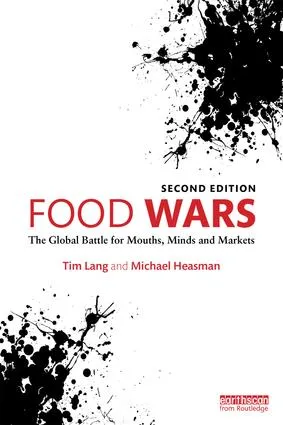
Food Wars - The Global Battle for Mouths, Minds and Markets, 2nd Edition, By Tim Lang and Michael Heasman
In the years since publication of the first edition of “Food Wars” much has happened in the world of food policy. This new edition brings these developments fully up to date within the original analytical framework of competing paradigms or worldviews shaping the direction and decision-making within food politics and policy.
Read
Image
Resource
Public Health England report: “Sugar reduction – the evidence for action”
In June 2014, Public Health England (PHE) published ‘Sugar reduction: Responding to the challenge’. This set out what PHE would do to review the evidence across a broad range of areas and identify those where action is most likely to be effective in reducing sugar intakes. The findings from this review and the assessment of the evidence-based actions to reduce sugar consumption are set out in this report “Sugar reduction – the evidence for action”.
Read
Image
Resource
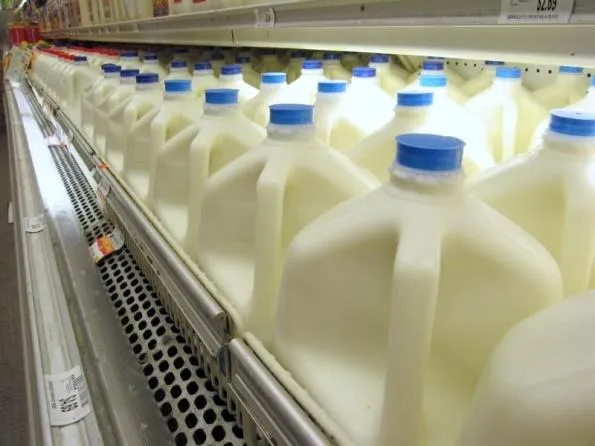
Larger-sized portions, packages and tableware lead to higher consumption of food and drink, Cochrane review finds
A systematic evidence review by researchers at the University of Cambridge’s Behaviour and Health Research Unit, investigates the influence of portion, package and tableware size on food consumption.
Read
Image
Resource
The rising cost of a healthy diet in high-income and emerging economies
The share of the population that is overweight or obese is increasing, especially in the emerging economies of the developing world. This report explores policies to combat obesity.  Specifically, it analyses the effects of relative price changes between different types of foods on consumer behaviour in high-income and emerging economies (Brazil, China, Republic of Korea and Mexico). The researchers look into the causes of increasing obesity and changes to the retail prices of foods and ask if healthy eating is becoming a luxury in emerging markets, as has been the trend in high-income countries.
Read
Image
Resource
High-fat dairy products linked to reduced type 2 diabetes risk – and high meat consumption to increased risk
This paper finds that consumption of high-fat yoghurt and cheese are linked to reduced risks of developing type 2 diabetes – reducing these risks by as much as a fifth. High meat consumption, on the other hand, is linked to a higher risk, regardless of the fat content of the meat. These results are in line with previous studies of eating habits that indicated a link between high consumption of dairy products and a reduced risk of type 2 diabetes.
Read
Image
Resource
Large global study concludes that unhealthy eating habits are outpacing healthy eating patterns in most world regions
This paper, entitled Dietary quality among men and women in 187 countries in 1990 and 2010: a systematic assessment argues that although worldwide, consumption of healthy foods such as fruit and vegetables has improved during the past two decades, it has been outpaced in most regions by the increased intake of unhealthy foods such as processed meat and sweetened drinks.
Read
  • VIEW MORE

Sign up for Fodder, our newsletter covering sustainable food news.

Sign up
  • Glossary
  • About
  • Our Writing
  • Podcasts
  • Resources

Social

YouTube Facebook Instagram

© Copyright 2025

A collaboration between: