Close
Login Register
Search
  • About
    • What We Do
    • Who We Are
    • FAQs
  • Our Writing
    • Explainers
    • Essays
    • Letterbox
    • Reports & More
  • Podcasts
  • Our Events
  • Projects
    • Power In The Food Systems
    • Local-Global Scale Project
    • MEAT: The Four Futures Podcast
    • Fuel To Fork
    • Nature
    • Reckoning with Regeneration
    • SHIFT
    • Rethinking the Global Soy Dilemma
  • Resources
  • Opportunities
    • Jobs
    • Funding
    • Courses
    • Collaborations
    • Events
  • Newsletter
  • TABLE (EN)
Search
Back

Nutrition

Image
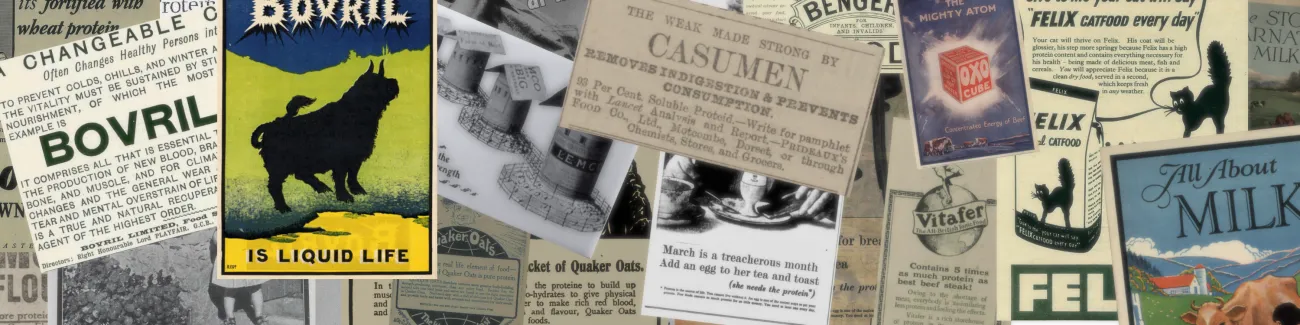
collage of historical adverts for protein foods
Publication
Primed for power: a short cultural history of protein
The history of protein, from its 'discovery' and naming in 1838, is a story weaving science, nutritional politics, cultural attitudes to food, and much more. An understanding of this history is invaluable if we are to contextualise the current focus on protein that characterises discourses about health and sustainable food systems, and popular beliefs about fitness and nutrition. In this piece, we trace the history of protein from 1838 through to the end of the 'Protein fiasco' in 1974, discovering many echoes of the modern day. Table of contents: Introduction Section 1: The primary substance Section 2: Meat makes meat: the first protein fashion Section 3: Testing the lower limit: the end of the first protein fashion Section 4: 1918-1955: milk, aid and biopolitics Section 5: Protein fiasco Section 6: Epilogue Suggested citation: Blaxter, T., & Garnett, T. (2022). Primed for power: a short cultural history of protein. TABLE, University of Oxford, Swedish University of Agricultural Sciences and Wageningen University and Research. https://doi.org/10.56661/ba271ef5 https://www.doi.org/10.56661/ba271ef5
Read
Image
Image: TheoCrazzolara, Burger party vegetarian, Pixabay, Pixabay Licence
Journal articles
Health and sustainability of plant-based alternatives
This paper reviews 43 existing studies on the environmental sustainability and nutritional characteristics of plant-based animal alternatives (PB-APAs) compared to animal products. PB-APAs, such as Beyond Meat and Oatly milk, are foods which seek to mimic animal products. They do not include minimally processed plant-based foods such as legumes and nuts.
Read
Image
Plant-Based Nutrition in Clinical Practice
Books
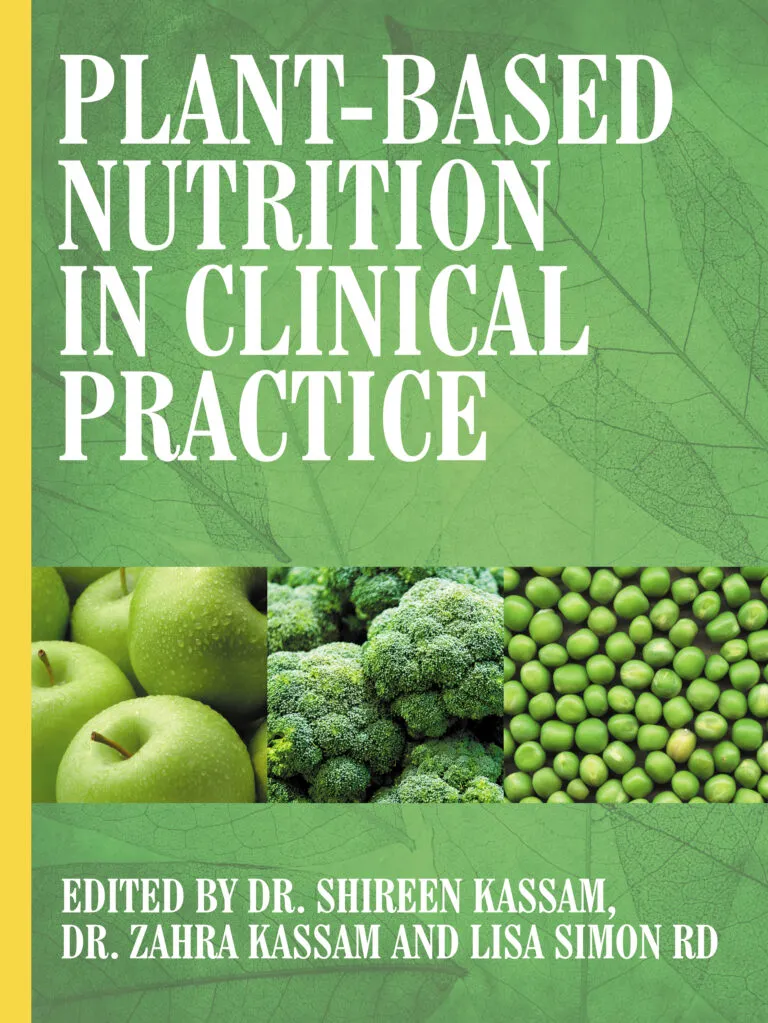
Plant-Based Nutrition in Clinical Practice
This book gives an overview of the state of knowledge on health and sustainable diets, making the case for a diet based on whole, unprocessed plant foods. It is aimed at health professionals.
Read
Image
Image: igorovsyannykov, Aisle background buy, Pixabay, Pixabay Licence
Journal articles
Environmental and nutritional scores of 57,000 food products
This paper estimates the environmental impacts (across four impact categories) of over 57,000 food products (found in the UK and Ireland) composed of multiple ingredients, filling a knowledge gap since previous analyses (such as Poore and Nemecek) compare only single foods. It also examines the relationship between the environmental impacts and nutritional characteristics of the products, concluding that more nutritious products are often (but not always) more sustainable as well. The study is co-authored by several members of Oxford’s Livestock, Environment and People (LEAP) programme.
Read
Image
Image: alleksana, Burger on white ceramic plate, Pexels, Pexels Licence
Journal articles
How does the UK media talk about meat and health?
This paper by researchers at Oxford’s Livestock, Environment and People (LEAP) programme studies how meat and health are represented in eight UK news websites. It finds a variety of both pro- and anti-meat narratives, with 50.8% of articles assessed having a neutral stance towards meat, 29.7% being anti-meat and 19.5% being pro-meat.
Read
Image
Image: nikitozawr, Shish kebab meat, Pixabay, Pixabay Licence
Journal articles
A review of global meat consumption and sustainability
This paper offers a global review of the environmental, economic, social, health and ethical impacts of meat consumption, including trends in consumption over the past few decades. It also explores how the sector can become more sustainable by changing both production and consumption practices.
Read
Image
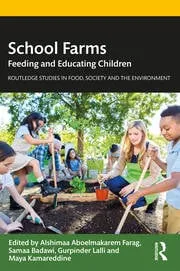
School Farms: Feeding and Educating Children
Books
School Farms: Feeding and Educating Children
This book explores the potential of school farms to educate students and also increase access to fresh food. Chapters discuss school farms in a range of locations, including the UK and Kerala.
Read
Image
2021 Global Nutrition Report
Reports
2021 Global Nutrition Report
The 2021 edition of the Global Nutrition Report examines progress towards global nutrition targets, the impact of diets on health and the environment, the nutrition financing landscape, and reporting on Nutrition for Growth commitments. 
Read
Image
Agriculture, Nutrition and Health (ANH) Academy
News and resources
Database: Teaching resources on agriculture, nutrition & health
The Agriculture, Nutrition and Health (ANH) Academy curates a database of teaching resources on interdisciplinary agriculture, nutrition and health topics, including journals, online courses, lecture slides, games, infographics and other recommended reading.
Read
  • VIEW MORE

Sign up for Fodder, our newsletter covering sustainable food news.

Sign up
  • Glossary
  • About
  • Our Writing
  • Podcasts
  • Resources

Social

YouTube Facebook Instagram

© Copyright 2025

A collaboration between: