Close
Login Register
Search
  • About
    • What We Do
    • Who We Are
    • FAQs
  • Our Writing
    • Explainers
    • Essays
    • Letterbox
    • Reports & More
  • Podcasts
  • Our Events
  • Projects
    • Power In The Food Systems
    • Local-Global Scale Project
    • MEAT: The Four Futures Podcast
    • Fuel To Fork
    • Nature
    • Reckoning with Regeneration
    • SHIFT
    • Rethinking the Global Soy Dilemma
  • Resources
  • Opportunities
    • Jobs
    • Funding
    • Courses
    • Collaborations
    • Events
  • Newsletter
  • TABLE (EN)
Search
Back

Nutrition

Image
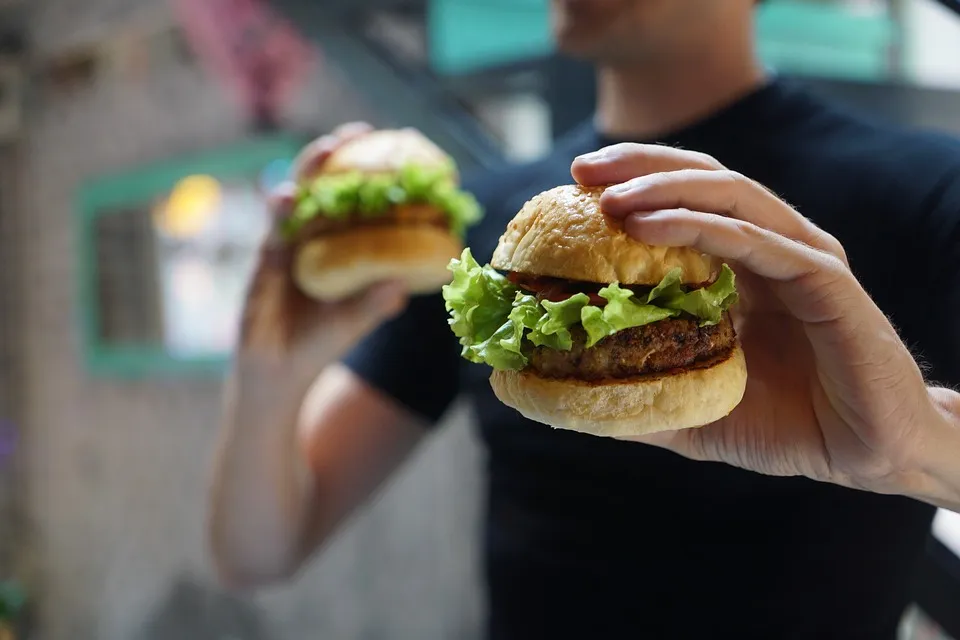
Image: FreeToUseSounds, Hamburger Vegan, Pixabay, Pixabay Licence
Journal articles
Nutrient comparison of plant-based and grass-fed meat
This paper compares detailed nutritional properties of burgers made from a plant-based meat replacement (based on soy) and from grass-fed ground beef. It concludes that, although the macronutrient contents (e.g. protein, fat) of both options are similar enough that consumers reading nutrition labels may view them as nutritionally interchangeable, there are significant differences between the two in the levels of 171 out of 190 metabolites studied. 
Read
Image
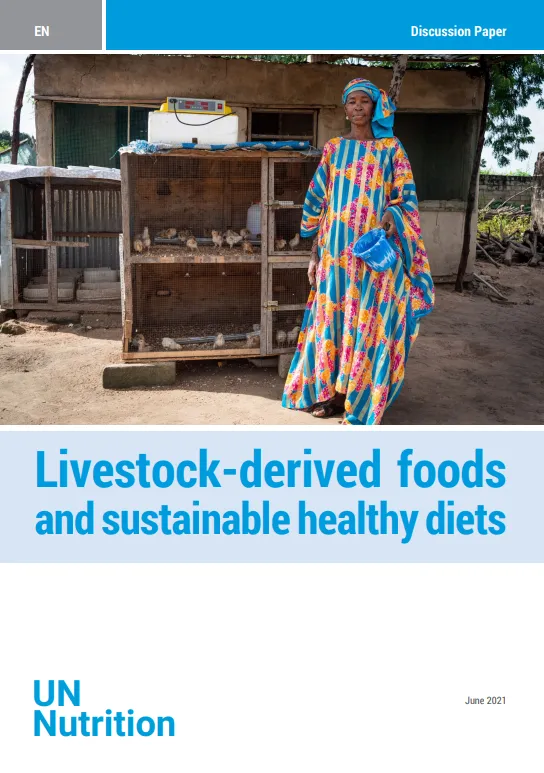
Livestock-derived foods and sustainable healthy diet
Reports
Livestock-derived foods and sustainable healthy diet
This discussion paper from UN Nutrition examines the role that livestock can play in contributing to nutrition, particularly for young children and in low-income settings, and the impacts of livestock on the environment. It aims to go beyond blanket messages about livestock-derived food and instead provide a nuanced overview of how the role of livestock in sustainable healthy diets depends on local context and specific production methods. It concludes that some groups of people - such as those already eating high levels of livestock-derived foods - could improve both health and environmental impacts by reducing their consumption.
Read
Image
BIOMILQ
News and resources
BIOMILQ produces first milk from cultured human cells
US-based startup BIOMILQ says it has produced the world’s first milk made from lab-cultured human mammary cells. The product, made by culturing human mammary cells in the laboratory, has a similar composition of “proteins, complex carbohydrates, fatty acids and other bioactive lipids” to breast milk. BIOMILQ stresses that its product is not identical to breastmilk, the composition of which can be influenced by hormones, baby behaviour, skin contact and so on. Furthermore, it does not contain the antibodies that breast milk does.
Read
Image
WUR
News and resources
Simon Bush: Boycotting seafood will not save the seas
Prof Simon Bush, Chair of the Environmental Policy Group at Wageningen University, has written an opinion piece critically reflecting on the Netflix documentary Seaspiracy and its argument that we should stop eating fish to protect ocean ecosystems. Bush queries some of the factual claims of the film, including statements about whether fish stocks will collapse by 2048, the fraction of fish that is illegally caught and the presence of pollutants in fish. He argues that seafood is an essential source of nutrition for billions of people, including many of the poorest people.
Read
Image
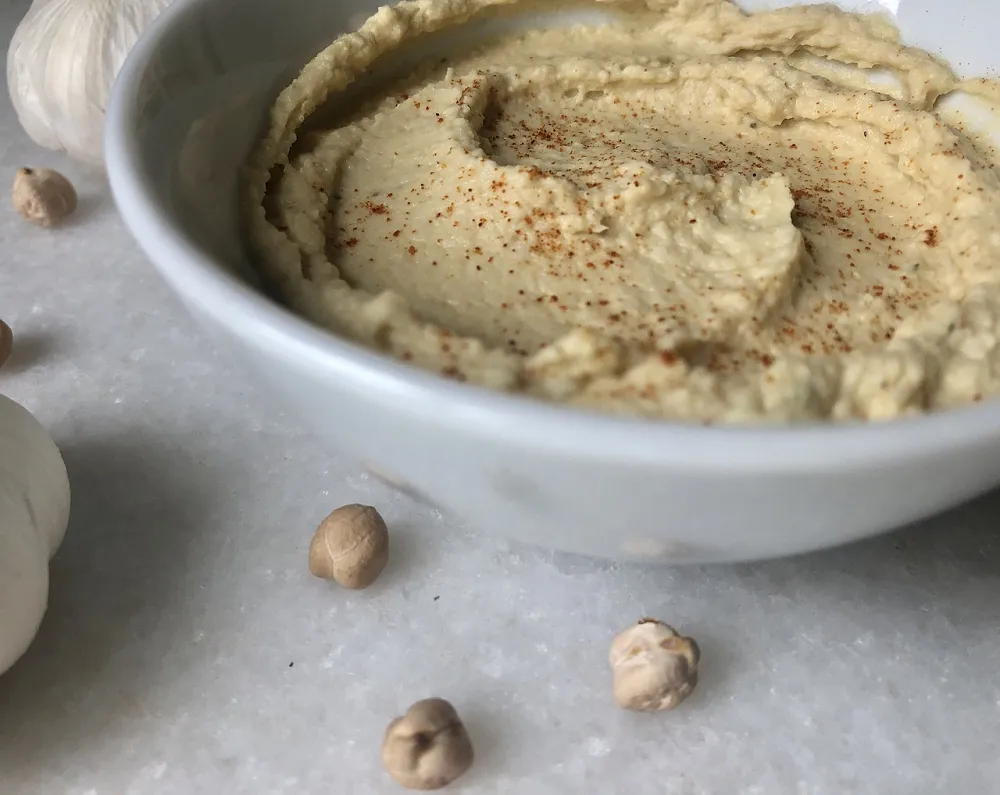
Image: SBZUS, Hummus chickpeas garbanzo, Pixabay, Pixabay Licence
Journal articles
Legumes as a sustainable source of protein in human diets
This article by researchers from the Johns Hopkins Center for a Livable Future argues that more emphasis should be placed on legumes - such as soybeans, peanuts, chickpeas, fava beans, lentils and other beans and peas - as a source of dietary protein, for reduction of greenhouse gas emissions from agriculture, and for their ability to increase soil fertility through atmospheric nitrogen fixation. It reviews trends in legume production and consumption and identifies challenges and limitations to increasing legume use worldwide.
Read
Image
Responsible Investor logo
News and resources
You are what you eat… you are what you invest in
This opinion piece in Responsible Investor, by Rachel Crossley and Katie Gordon (both advisors to the Access to Nutrition Initiative), argues that nutrition is becoming an increasingly important issue for investors. The authors point to the economic impacts of malnutrition, growing consumer demand for healthy foods, and regulation by governments such as sugar taxes and marketing restrictions.
Read
Image
Global Nutrition Report logo
News and resources
Nutrition for Growth Commitment Tracker
The Global Nutrition Report has an interactive “Nutrition for Growth Commitment Tracker” where you can track progress made by a variety of stakeholders on their commitments towards ending malnutrition, made as part of the Nutrition for Growth summit. Stakeholders include national governments, donors, businesses, civil society organisations and the United Nations.
Read
Image
Image: kalhh, Horizontal bathroom scale, Pixabay, Pixabay Licence
Journal articles
Is obesity policy in England fit for purpose?
This paper reviews the effectiveness of government obesity policies in England for the period 1992 to 2020. It finds that these policies have tended to rely on the behaviour changes of individuals and avoid more interventionist approaches, that governments do not regularly assess the effectiveness of past obesity strategies, and that obesity has not become less prevalent despite 14 different obesity strategies being published over the period of study.
Read
Image
Image: diego_torres, Water Raindrops Raining, Pixabay, Pixabay Licence
Journal articles
Climate impacts linked to reduced diet diversity in children
This paper uses data from 19 countries to test the link between climate and dietary diversity in children. It finds that higher temperatures are generally associated with lower diet diversity, while higher precipitation is generally associated with greater diet diversity.
Read
  • VIEW MORE

Sign up for Fodder, our newsletter covering sustainable food news.

Sign up
  • Glossary
  • About
  • Our Writing
  • Podcasts
  • Resources

Social

YouTube Facebook Instagram

© Copyright 2025

A collaboration between: