Close
Login Register
Search
  • About
    • What We Do
    • Who We Are
    • FAQs
  • Our Writing
    • Explainers
    • Essays
    • Letterbox
    • Reports & More
  • Podcasts
  • Our Events
  • Projects
    • Power In The Food Systems
    • Local-Global Scale Project
    • MEAT: The Four Futures Podcast
    • Fuel To Fork
    • Nature
    • Reckoning with Regeneration
    • SHIFT
    • Games at TABLE
    • Rethinking the Global Soy Dilemma
  • Resources
  • Opportunities
    • Jobs
    • Funding
    • Courses
    • Collaborations
    • Events
  • Newsletter
  • TABLE (EN)
Search
Back

Meat

Image
Resource
Are the Dietary Guidelines for Meat, Fat, Fruit and Vegetable Consumption Appropriate for Environmental Sustainability? A Review of the Literature
This paper provides a review of the current literature analysing environmental impacts of dietary recommendations. The review focuses on three aspects of dietary advice in particular: reducing the consumption of fat, reducing the consumption of meat-based protein and animal-based foods, and finally increasing the consumption of fruit and vegetables. It then reviews the environmental impact assessments and Life Cycle Analysis (LCA) that have been undertaken in foods that have relevance to these three dietary recommendations.
Read
Image
Resource
Dietary greenhouse gas emissions of meat-eaters, fish-eaters, vegetarians and vegans in the UK
This study is one of the very few that examines the GHG impacts of a selection of real life ‘self selected’ diets as opposed to those that are modelled or hypothetical.  It looks specifically at the dietary patterns (based on a standard 2,000 kcal diet) of UK vegetarians, semi-vegetarians and non-vegetarians.  Approximately 55,500 subjects were chosen for the study, all part of the EPIC-Oxford cohort study.
Read
Image
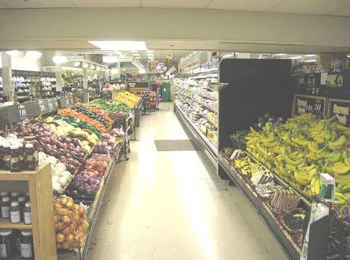
Phototram, Grocery store in Rome, Wikimedia Commons
Resource
Research report: “Meatless days” or “less but better”? Exploring strategies to adapt Western meat consumption to health and sustainability challenges
The report investigates consumers’ meat eating patterns, the relationship with BMI, and their willingness to eat less meat or to eat meat that they may perceive to be ‘better’ in some way – eg. organic or free range.
Read
Image
Resource
Eating Better Policy Briefing
Read
Image
Resource
Changing to healthier & more sustainable diets: how can this be achieved?
In April 2014 the Food Climate Research Network organised a workshop, funded and hosted by the Wellcome Trust with additional support from the Food Security programme of the UK research councils. Its aim was to bring people together to develop a research agenda on how our eating practices might be shifted in healthier and more sustainable directions.  Particular emphasis was placed on meat eating as an exemplar of an important, yet difficult aspect of our consumption practices, and one with a strong bearing on health and sustainability.
Read
Image
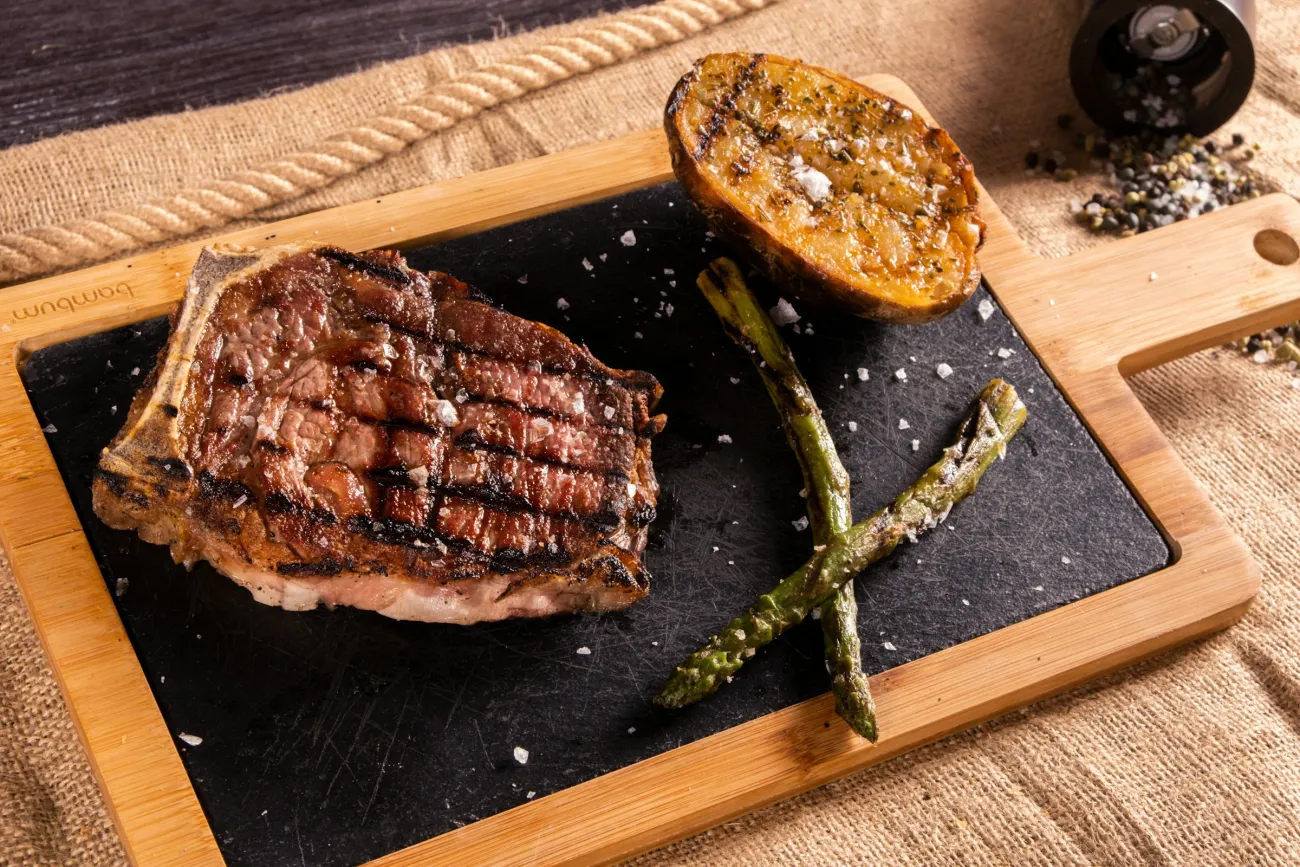
A grilled steak and a potato served on a slate. Photo by Ömer Haktan Bulut via Unsplash.
Essay
Why reduced beef, lamb and dairy consumption may be necessary for meeting stringent climate targets
Read
Image
Resource
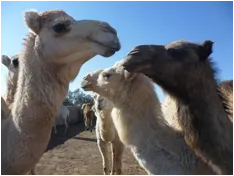
Methane Emission by Camelids
This study investigates specifically how camels compare to other ruminants in terms of emissions and they find that they release less methane.
Read
Image
Resource
EU Science for Environment Policy brief addresses the role of diet and reduction in food waste
This EU brief looks at a recent study assessing the social environmental impacts of agricultural imports to EU from other, often less developed countries. The EU has thus picked up on an important study assessing Europen diets' contribution to excessive land-use in countries outside of the European Union. FCRN has previously highlighted this study (Balancing virtual land imports by a shift in the diet. Using a land balance approach to assess the sustainability of food consumption).
Read
Image
Resource
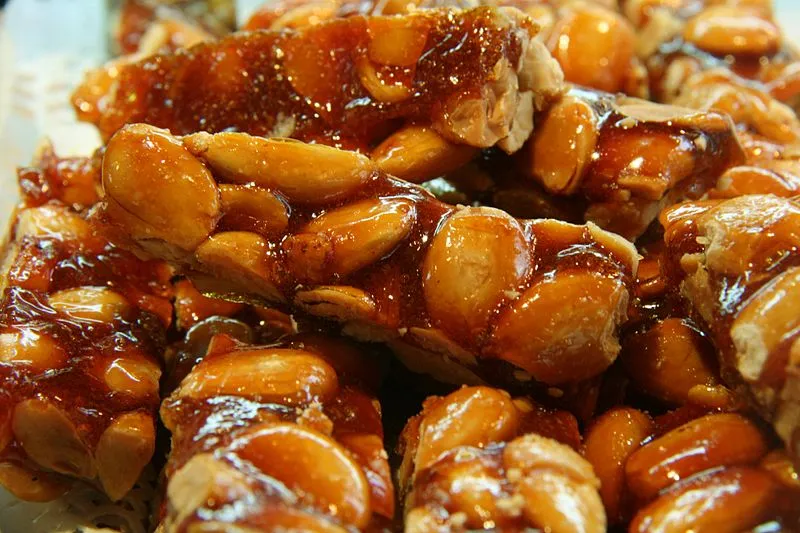
Alternative sources of protein - Hybrid meat snack
Read
  • VIEW MORE

Sign up for Fodder, our monthly newsletter unpacking the future of food.

Tick below to opt-in to email communications.

You can change your mind at any time by clicking the unsubscribe link in the footer of any email you receive from us, or by contacting us at info@tabledebates.org.

We use Mailchimp as our marketing platform. By clicking below to subscribe, you acknowledge that your information will be transferred to Mailchimp for processing. Learn more about Mailchimp's privacy practices.

  • Glossary
  • About
  • Our Writing
  • Podcasts
  • Resources

Social

YouTube Facebook Instagram

© Copyright 2025

A collaboration between: